
Ellena
AT A GLANCE
- Founded
- 1957
- Closed
- 1966
- Historical city
- Turin
- Country
- Italy
AWARDS & RECOGNITION
Palmarès
Vehicle awards
- Class wins
- 1
1 vehicle award record
Class Winner — chassis 0697 GT
Ferrari 250 GT EllenaFerrari 60th Anniversary Concours d'Elegance 2007
Le Prime Granturismo
THE STORY
Overview
Carrozzeria Ellena was an Italian coachbuilding company based in Turin, associated with Ezio Ellena and Luciano Pollo and active under the Ellena name from the 1957 succession to Carrozzeria Boano until its closure in 1966. Its work included contracted body manufacture, small-series special bodies and prototypes on Ferrari, Fiat, Alfa Romeo, Lancia and Abarth mechanical bases. The company’s history is closely connected to the earlier Boano undertaking, but its independent identity and the dates of its legal establishment should not be confused with the foundation of Carrozzeria Boano in 1954.
Origins and the Boano succession
Ezio Ellena came from a family engaged in the construction of wooden vehicle bodies. The family’s transition toward metal coachwork was supported by Ellena’s training at Carrozzeria Viotti. Luciano Pollo was associated with the same industrial network and with Mario Felice Boano. In 1954 Boano, his son Gian Paolo, Pollo and Ellena became associated in the Turin-area coachbuilding enterprise operating under the Boano name. Work in this period included special-body programmes on Fiat and Alfa Romeo chassis, notably the Fiat 1900 Granluce and the Alfa Romeo 1900 Primavera. The manufacture of a body by a particular workshop does not by itself establish the identity of its designer; the production history of the Primavera spans the Boano-to-Ellena transition.
In 1957 Mario Felice Boano moved into Fiat’s styling organisation, and body manufacture associated with the remaining partners continued under the name Carrozzeria Ellena. Contemporary and later accounts disagree on whether 1954 should be regarded as the foundation of Ellena itself or as the beginning of the preceding Boano enterprise. The 1957 succession is independently supported by specialist histories and Ferrari documentation. The year 1957 marks the identifiable successor undertaking, whereas the earlier family business and the Boano partnership belong to its industrial background.
Ferrari 250 GT coupés, 1957–1958
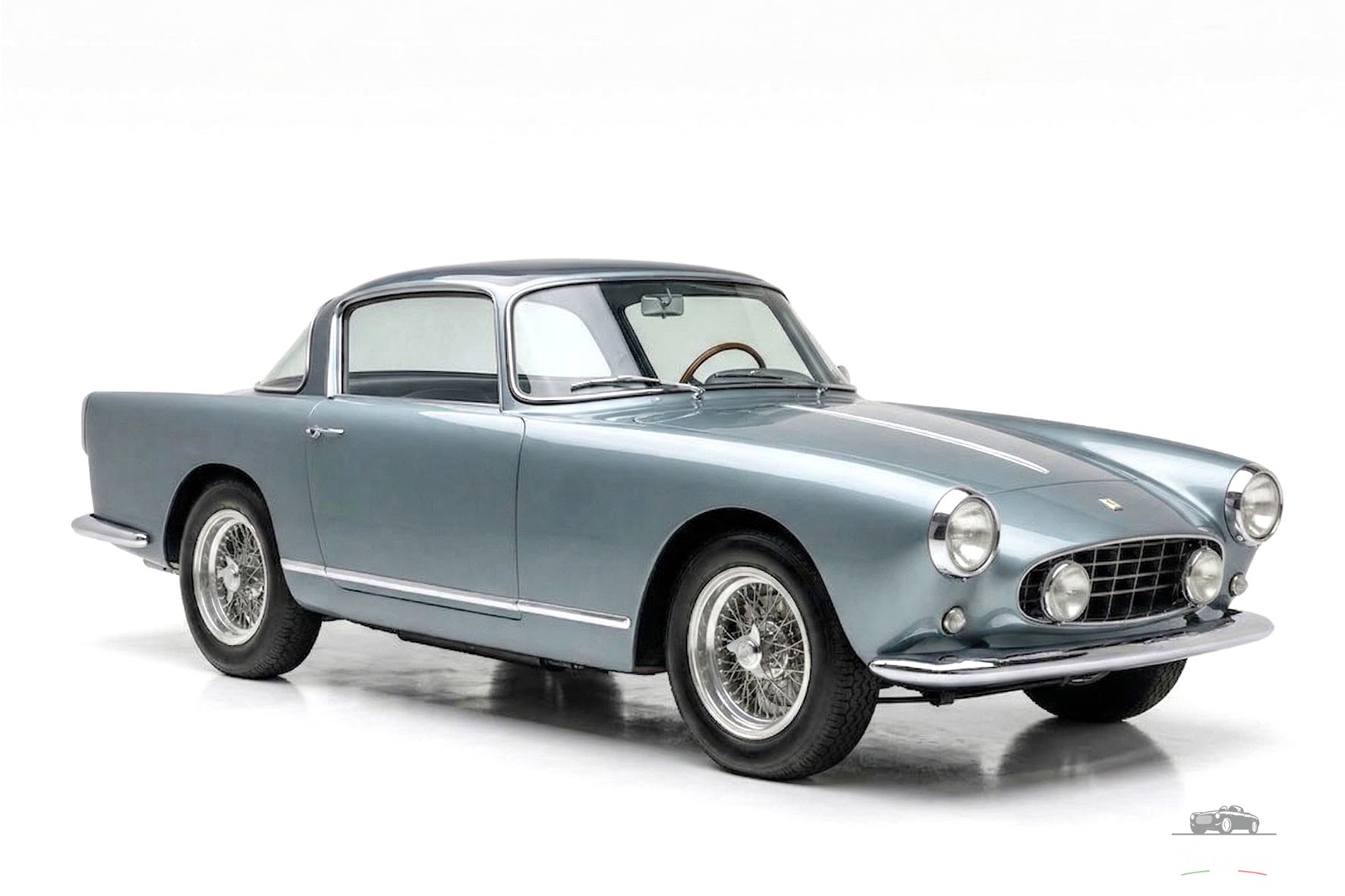
Carrozzeria Ellena’s best-documented commission was the continuation of the Ferrari 250 GT coupé body programme, which had been entrusted to Carrozzeria Boano while Pinin Farina was expanding its manufacturing capacity. The principal design originated with Pinin Farina; Boano and then Ellena performed coachbuilding and introduced detail changes. Auction catalogues and marque research commonly identify a run of approximately fifty Ellena-bodied cars, produced from 1957 into 1958. The number applies to this Ferrari body series, not to Ellena’s total output across all marques.
The earliest Ellena-completed coupés retained features of the Boano low-roof arrangement. Later examples received a roof raised by approximately two inches, together with changes to the quarter windows and other body details. The distinction between low- and high-roof cars is consequently not an infallible test of who built an individual body. Construction dates, factory records, chassis numbers and body evidence are preferable to visual classification. An example documented by RM Sotheby’s is Ferrari chassis 0861 GT, recorded as the fortieth car of the Ellena sequence, with bodywork undertaken in 1958; another documented Ellena car is chassis 0807 GT. These are examples within the series, not chassis identifiers applicable to other Ellena-built vehicles.
Production work and Turin premises
Beyond Ferrari, the firm undertook subcontracted work and special-body production for other Turin coachbuilders and manufacturers. Historical accounts describe work connected with Lancia Appia coupés and Carrozzeria Viotti, as well as bodies based on Fiat passenger and commercial vehicles. A Fiat 600 M-derived van programme is recorded in secondary histories, but its exact production volume has not been established from a contemporary factory register. The company’s commercial-vehicle production should therefore be distinguished from its individually styled passenger-car commissions.
The early workshop is identified in published local histories as Via A. da Brescia 75, Turin. A move in 1958 is reported to a larger facility at Via Palma di Cesnola 116, also in Turin, where the work included metal forming and modern painting facilities. These addresses are historical site claims rather than independently verified dates of company registration. The legal designation Lavorazioni Speciali di L. Pollo e C. appears in a later historical account; its exact dates of use require confirmation from period business documents.
Abarth, Fiat and other special bodies
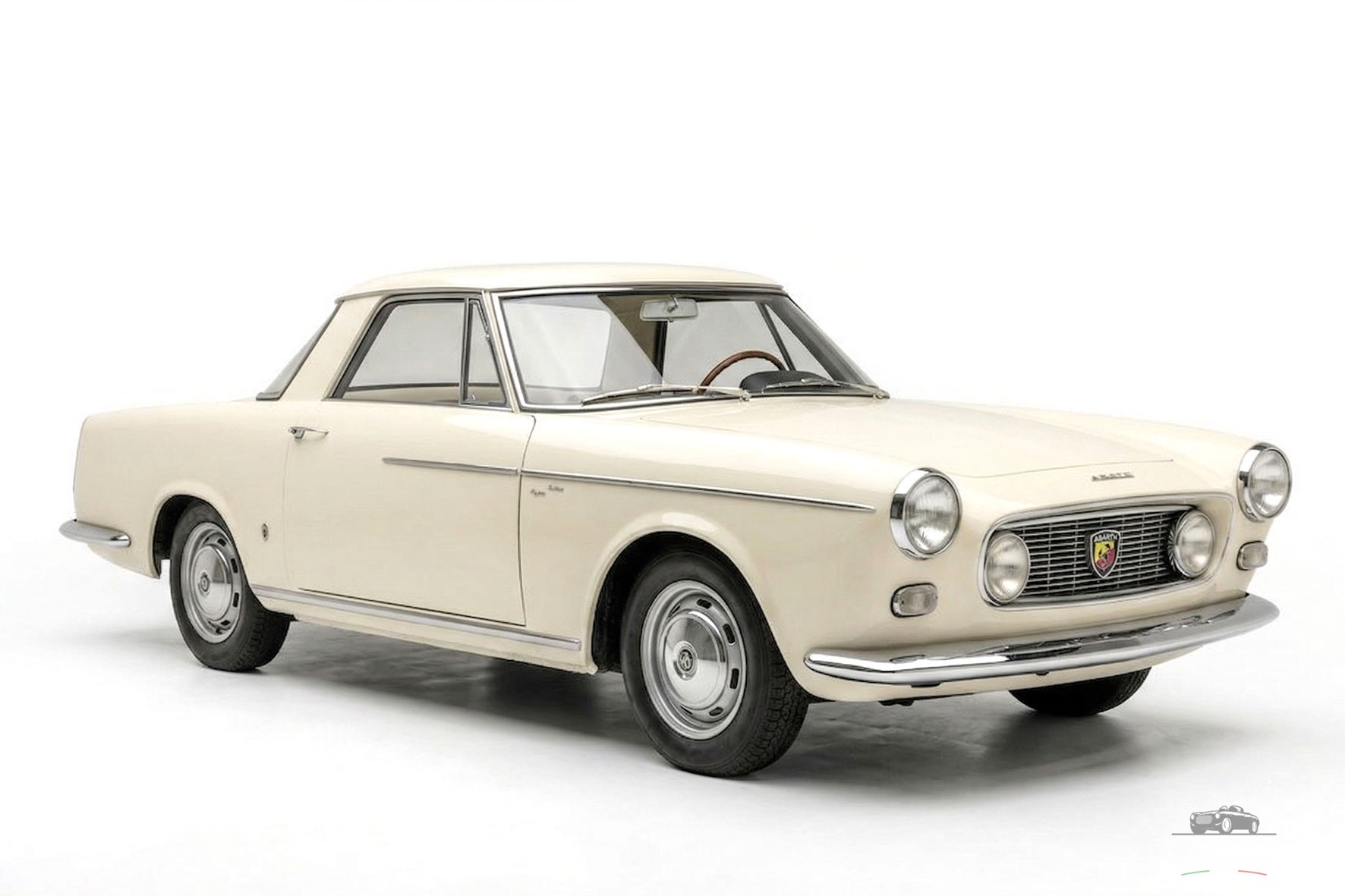
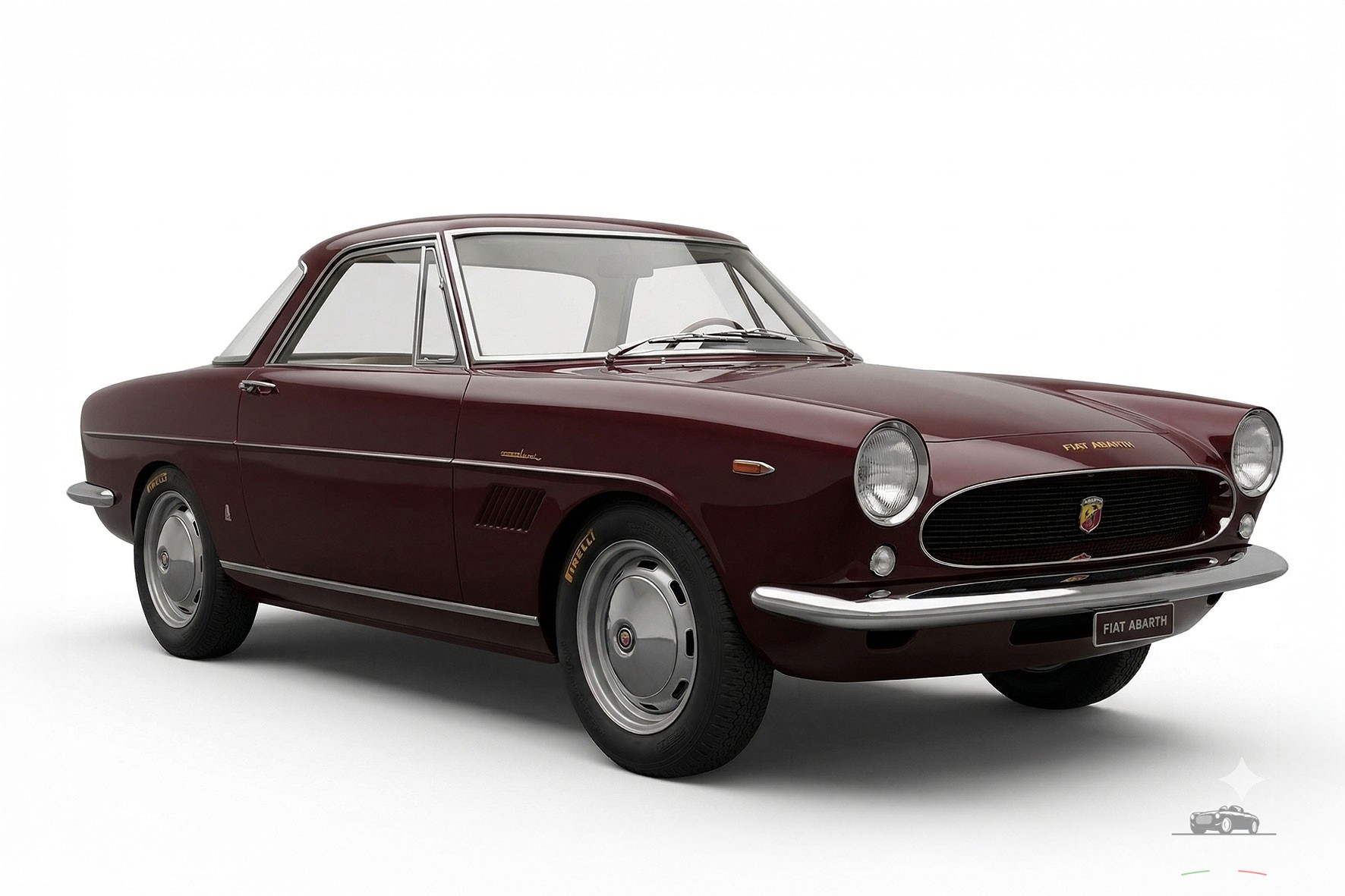
During the early 1960s Ellena worked on several Abarth-related body proposals. Its Fiat-Abarth 2200 coupé was developed and revised for exhibition in 1961. Accounts also describe a subsequent 2400-cc proposal, although the distinction between Ellena’s prototype work and the later Allemano-bodied production family must be maintained. The evidence does not support assigning every Abarth 2400 coupé to Ellena.
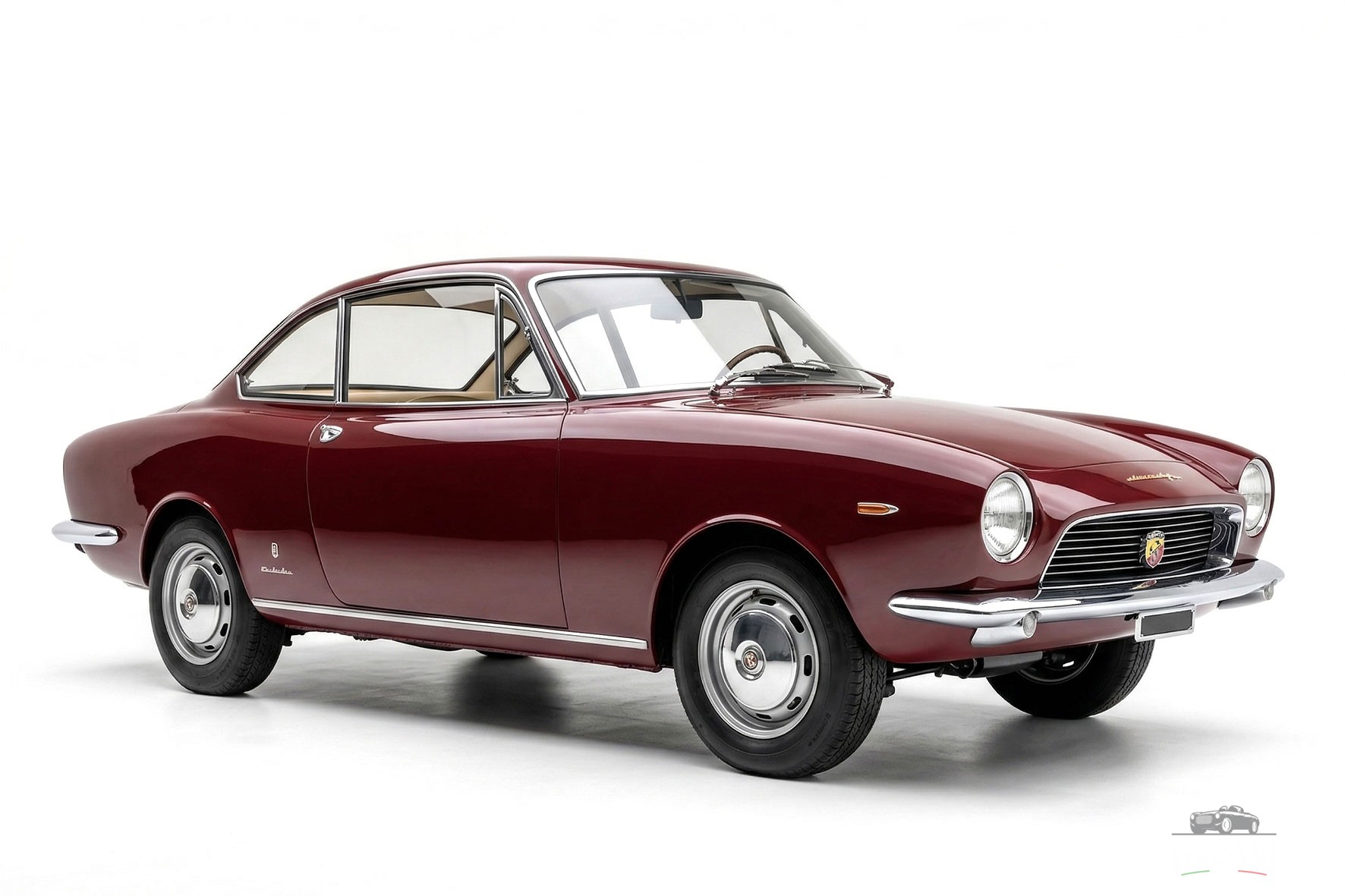
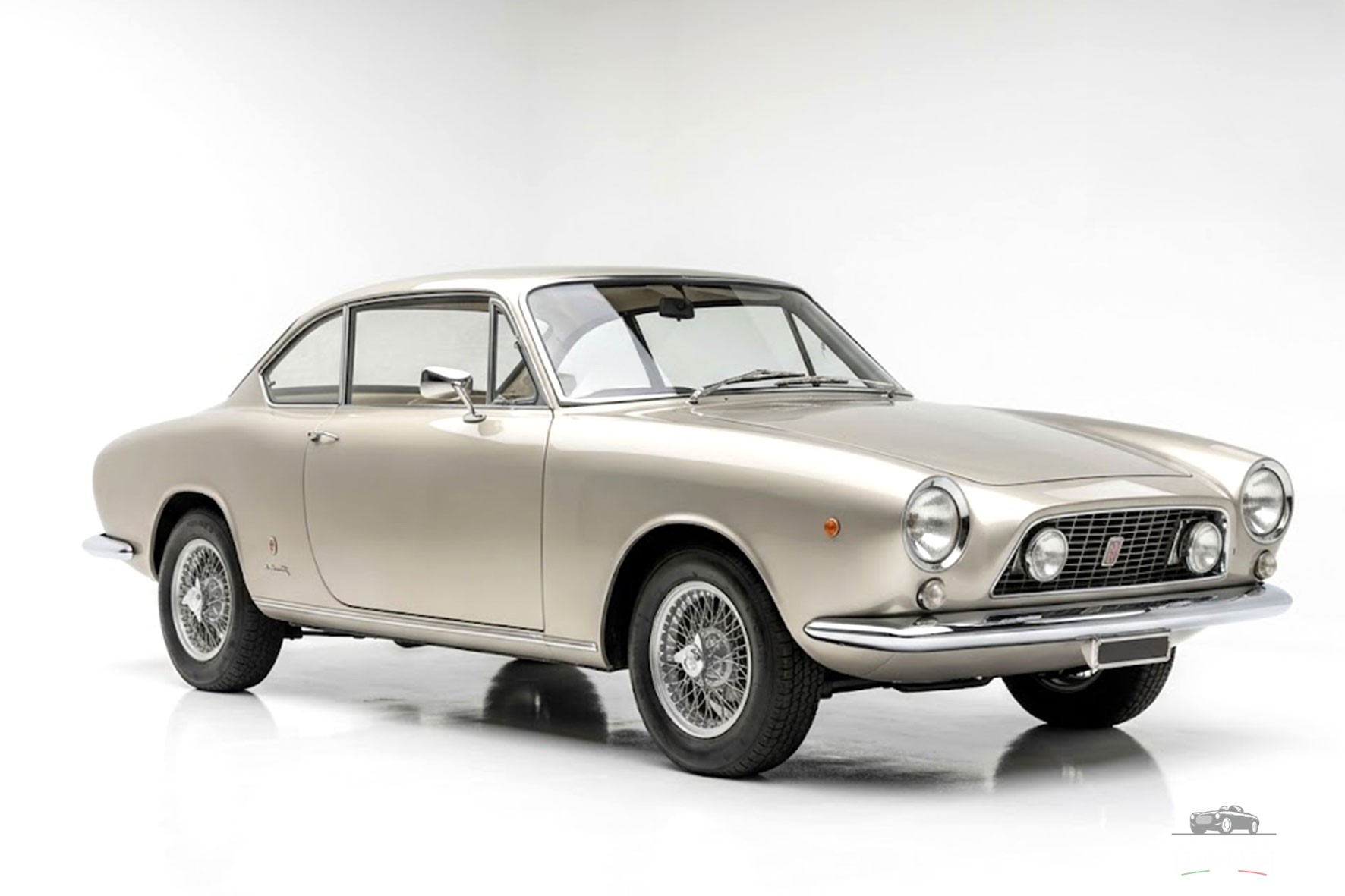
Ellena also developed Fiat 1500 coupés and a related Fiat-Abarth 1600 coupé programme. Historical naming varies between Fiat 1600 S and Abarth 1600; those names should not be counted as proof of two separate vehicle programmes. Coupés with Fiat 1300 and 1500 mechanical components were revised in the following years for prospective small-series production. The actual production quantity is uncertain, and conflicting legacy totals should not be repeated as established facts.
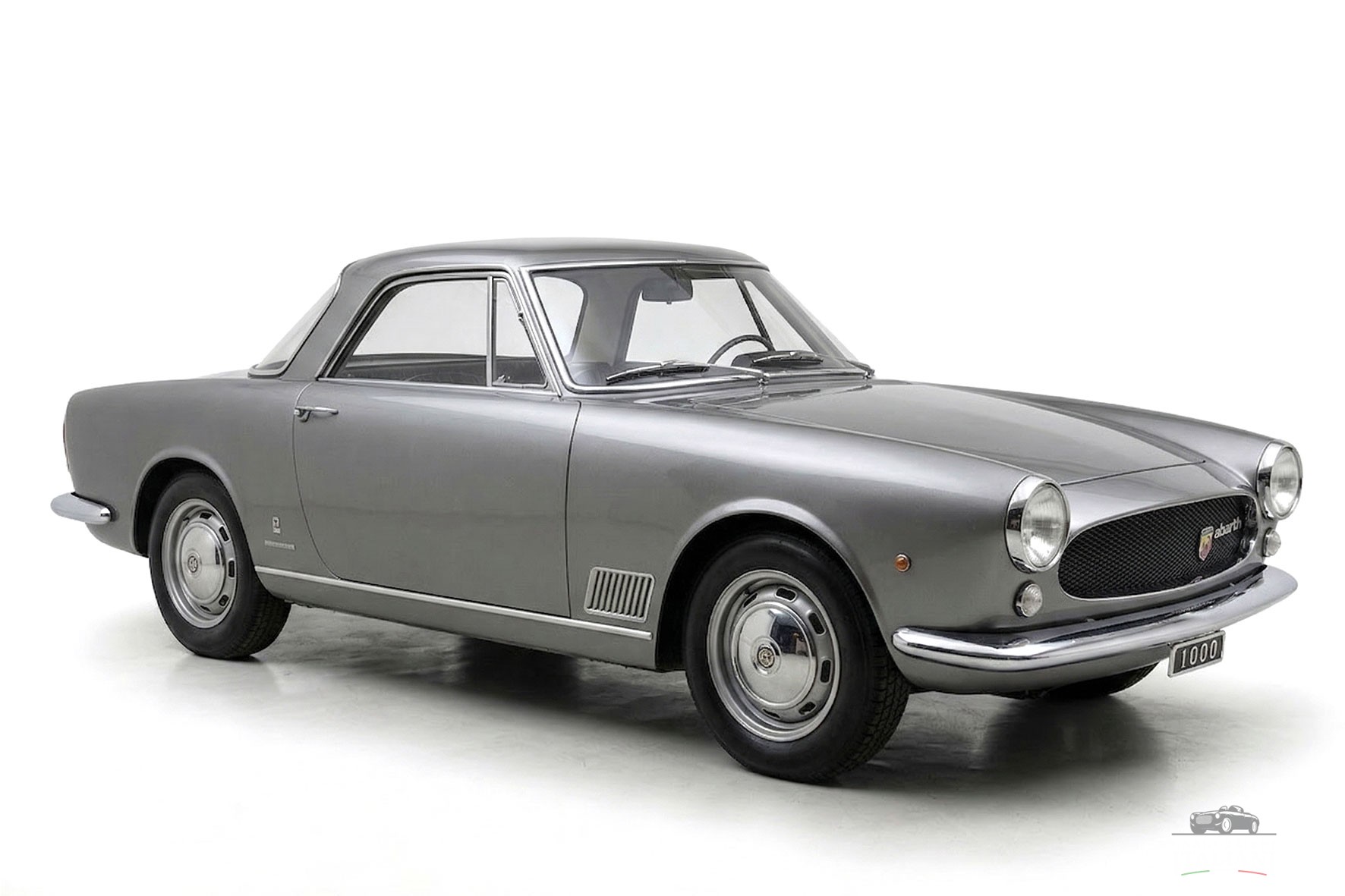
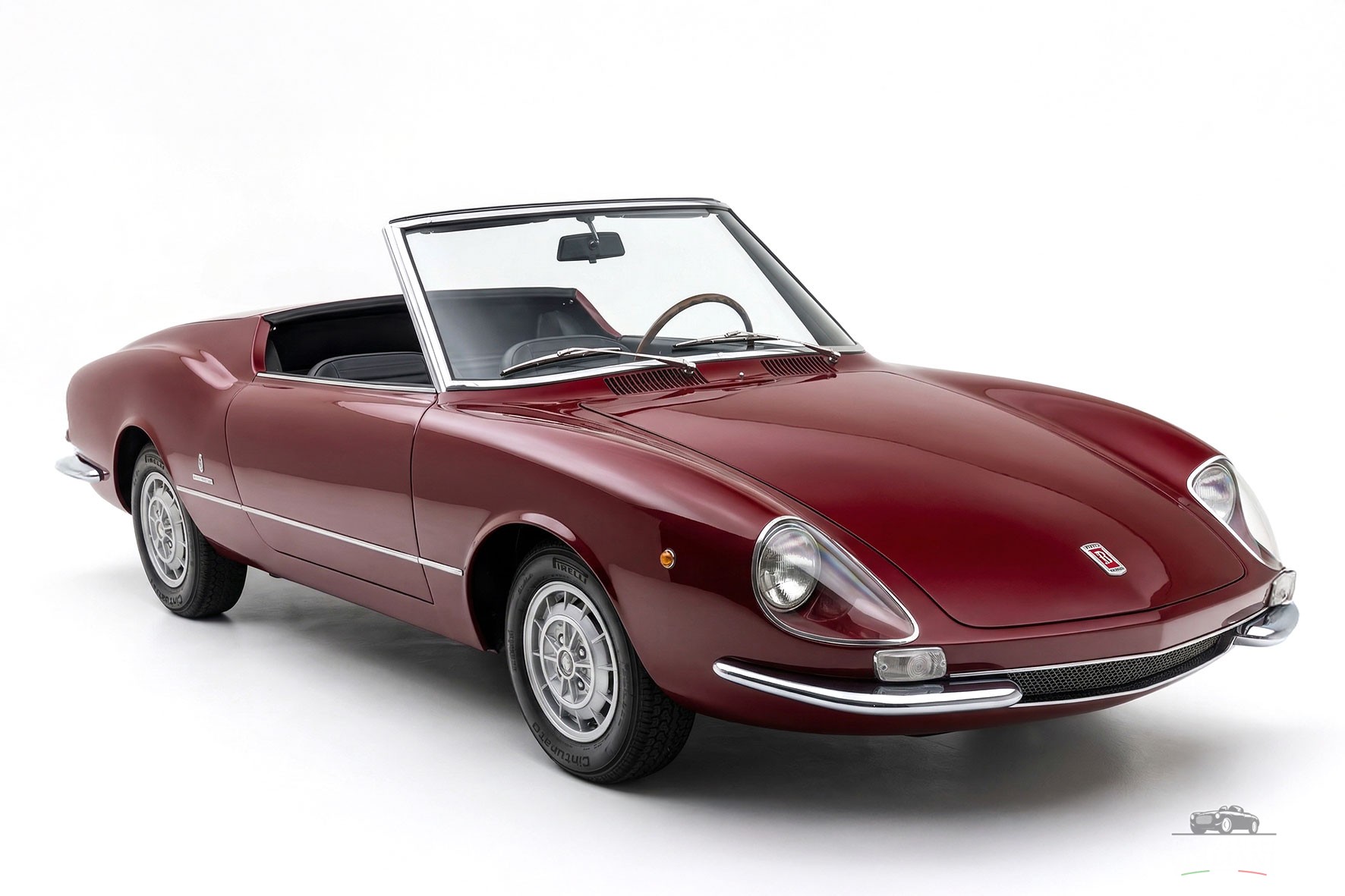
A compact Fiat 850 Spider appeared in the mid-1960s. Some specialist accounts connect its mechanical development with the Abarth OT 1000. The coachwork’s documented Ellena identity is not, by itself, evidence of an additional and separate Ellena-bodied OT 1000 Spider. Body-builder attribution, chassis or mechanical origin, and market designation remain distinct questions.
Closure and historical attribution
Carrozzeria Ellena ceased operating in 1966, according to specialist coachbuilding histories. The company had combined small-series work with subcontract manufacturing at a time when dedicated coachbuilders faced increasingly difficult commercial conditions. Its surviving cars and documentary record are frequently discussed together with those of Boano because of their shared personnel, facilities and Ferrari commission. For individual automobiles, attribution must nevertheless distinguish the original designer, manufacturer of the mechanical chassis, body-building contractor and any subsequent modifications.
KEY MOMENTS
Timeline
-
Foundation of Ellena as successor
Turin, Italy
-
Carrozzeria Boano passes to Ezio Ellena and becomes Carrozzeria Ellena
Turin / Grugliasco, Italy
-
Carrozzeria Ellena closes
Turin, Italy
PEOPLE & DESIGN
Designers
Gian Paolo Boano
Gian Paolo Boano is an automotive designer and design executive associated with Carrozzeria Boano and Fiat Centro Stile. His design career is distinct from Mario Felice Boano’s management role.
Explore record ↗
Giovanni Michelotti
Giovanni Michelotti was a prolific Italian automotive designer whose independent Turin studio produced coachwork and production-car designs for Vignale, Triumph, BMW and numerous other manufacturers.
Explore record ↗Vehicles at a glance
- Related vehicles
- 9
- Prototypes
- 1
- Limited series
- 7
- Fuoriserie
- 1
Recorded vehicle awards
- Class wins
- 1
CONTINUE EXPLORING



THE CONVERSATION
Comments 0