
Dany Brawand
AT A GLANCE
- Born
- 1934-03-09
- Birthplace
- Vevey
- Died
- 2012-01-13
- Nationality
- Swiss
- Occupation
- Automotive designer
- Active from
- 1952
- Studio
- Ghia Aigle / Studio Michelotti / Moretti
- Based in
- Vevey / Turin
THE STORY
Overview
Dany Brawand (9 March 1934 – 13 January 2012) was a Swiss automotive designer active in Switzerland and Italy. He worked with Giovanni Michelotti before becoming head of styling at Moretti in Turin in 1966. His designs included Fiat-based coupés, open cars and compact utility vehicles produced by Moretti, as well as experimental bodies developed by the company’s design office. He was born in Vevey, Switzerland, and died in Turin.
Ghia-Aigle and early training
Brawand entered the automobile industry in 1952 as an apprentice at Ghia-Aigle, the coachbuilding firm in the Swiss canton of Vaud. Ghia-Aigle commissioned design work from Giovanni Michelotti, whose practice in Turin served a number of independent body manufacturers. This arrangement introduced Brawand to the methods of Italian coachbuilding: the translation of drawings into full-scale body shapes, the adaptation of designs to existing chassis, and the close relationship between designers and metalworkers. His initial education was practical rather than the product of a conventional technical or industrial-design course.
During the middle of the 1950s Brawand moved to Turin to work more closely with Michelotti. The partnership continued when Michelotti developed an independent workshop and consultancy capable of building prototypes and supplying design services to several manufacturers. Brawand’s participation formed part of this larger studio activity; a vehicle credited to Michelotti’s office cannot automatically be assigned to Brawand as its sole author.
Transition to Moretti
Brawand’s association with Moretti emerged while the Turin manufacturer was changing from a producer of mechanically independent cars into a specialist in Fiat-based coachbuilt models. His collaboration with Michelotti ended in 1965, and he joined Moretti’s design organisation. In 1966 he assumed responsibility for the company’s styling centre, a position he retained until Moretti ceased operations in 1989. The company combined a relatively small industrial production organisation with body-building and trim operations; its designers therefore had to consider the availability of mechanical components, body panels, glazing, interior equipment and the economics of short production series.
Moretti had already used designs by Michelotti, and Brawand’s appointment represented continuity in the manufacturer’s relationship with Turin-based styling practice as well as a shift to an in-house design leadership. Manufacturing responsibilities remained those of Moretti and its specialist contractors; his position as designer did not make him the coachbuilder or the author of every component supplied by outside firms.
The 850 Sportiva programme
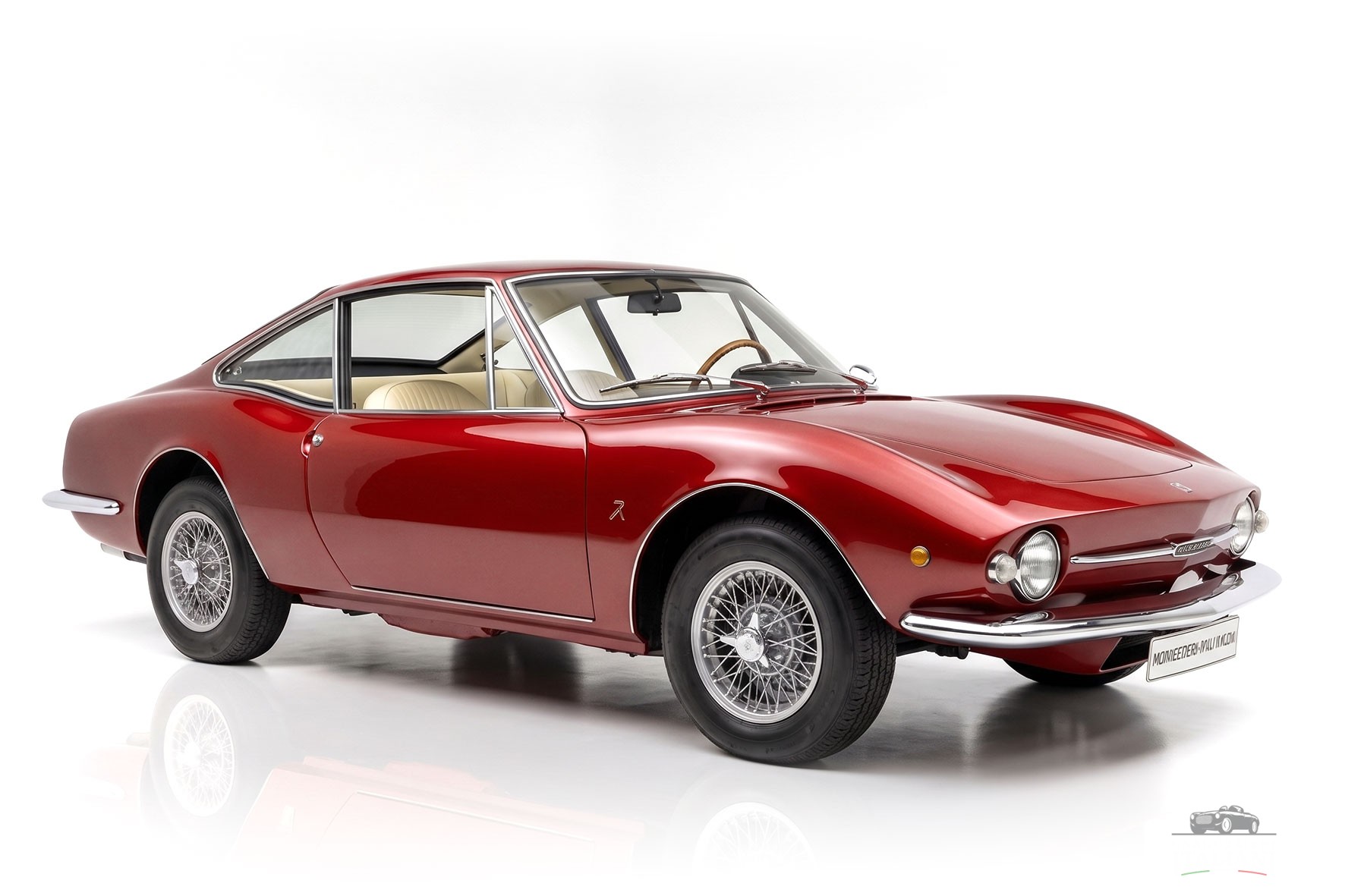
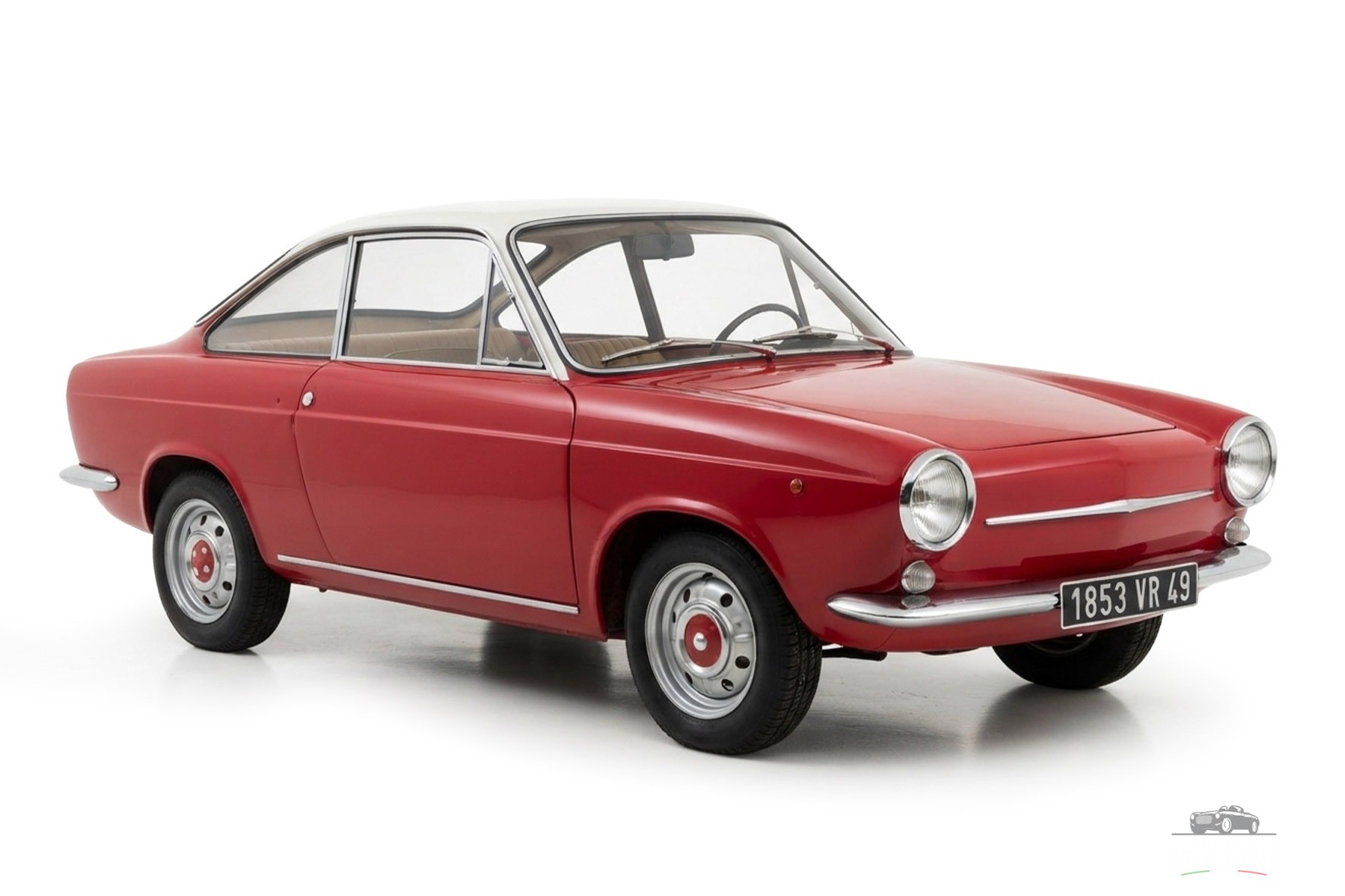
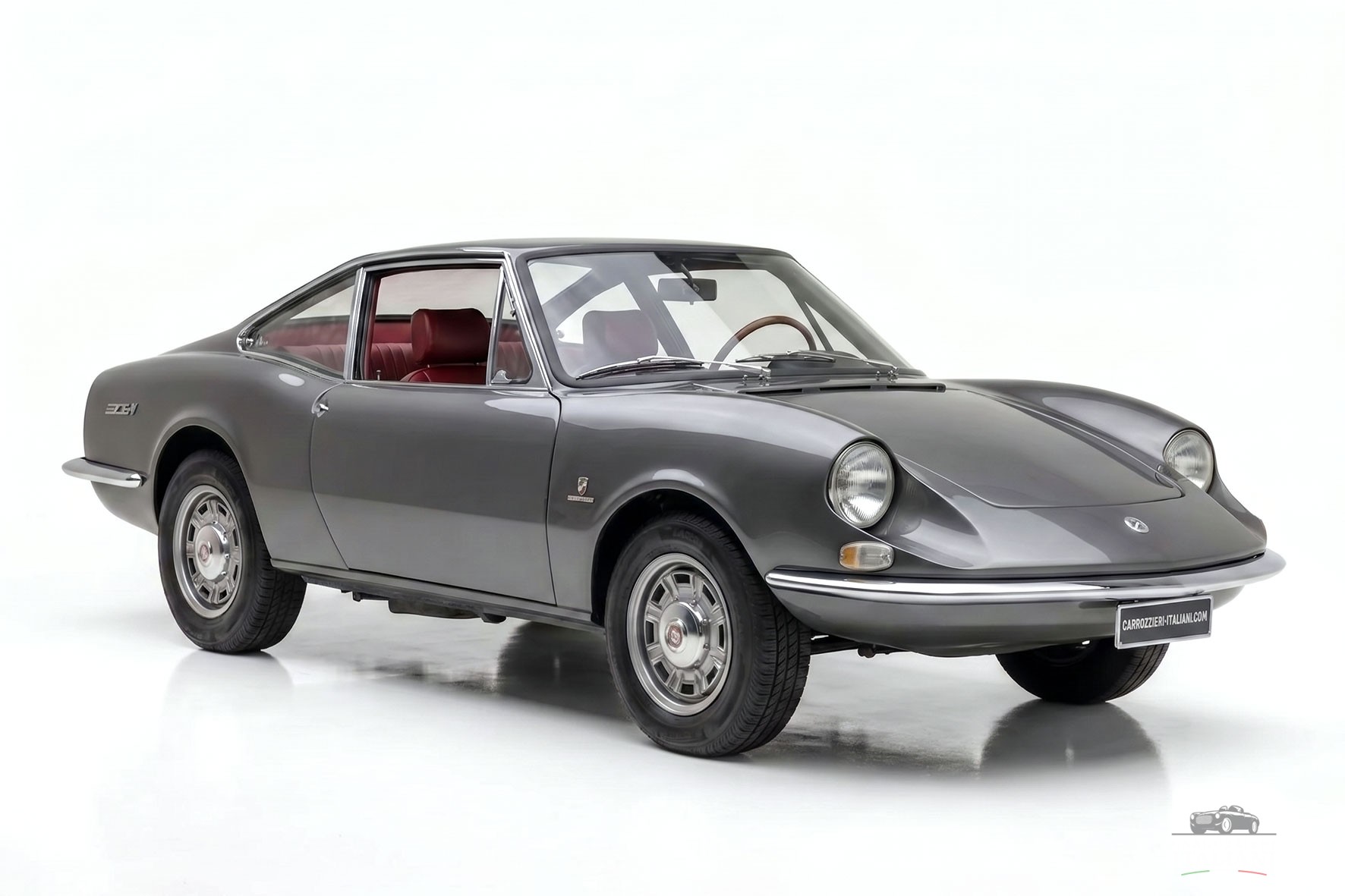
The Fiat 850 Sportiva Moretti became one of the best-known results of Brawand’s work. Based on Fiat 850 mechanical components, it combined the compact rear-engined package with a low two-seat coupé body. Its long front compartment, pronounced wheel arches and restrained roofline gave it proportions distinct from those of the standard Fiat. The Sportiva was introduced in the mid-1960s and subsequently developed into several forms, including the Sportiva S2 and the more accommodating four-seat S4. Differences between individual series, engine specifications and surviving chassis should be treated at vehicle-record level rather than applied indiscriminately to the whole programme.
The Sportiva illustrates the practical constraints of a coachbuilt derivative. A body of this size required compromises in luggage accommodation and seating, and Moretti offered different equipment and trim choices to customers. Brawand’s contribution was the styling of the special body, while the underlying mechanical systems came from Fiat and the finished automobile was manufactured and marketed by Moretti.
Fiat 124, 125 and 128 derivatives
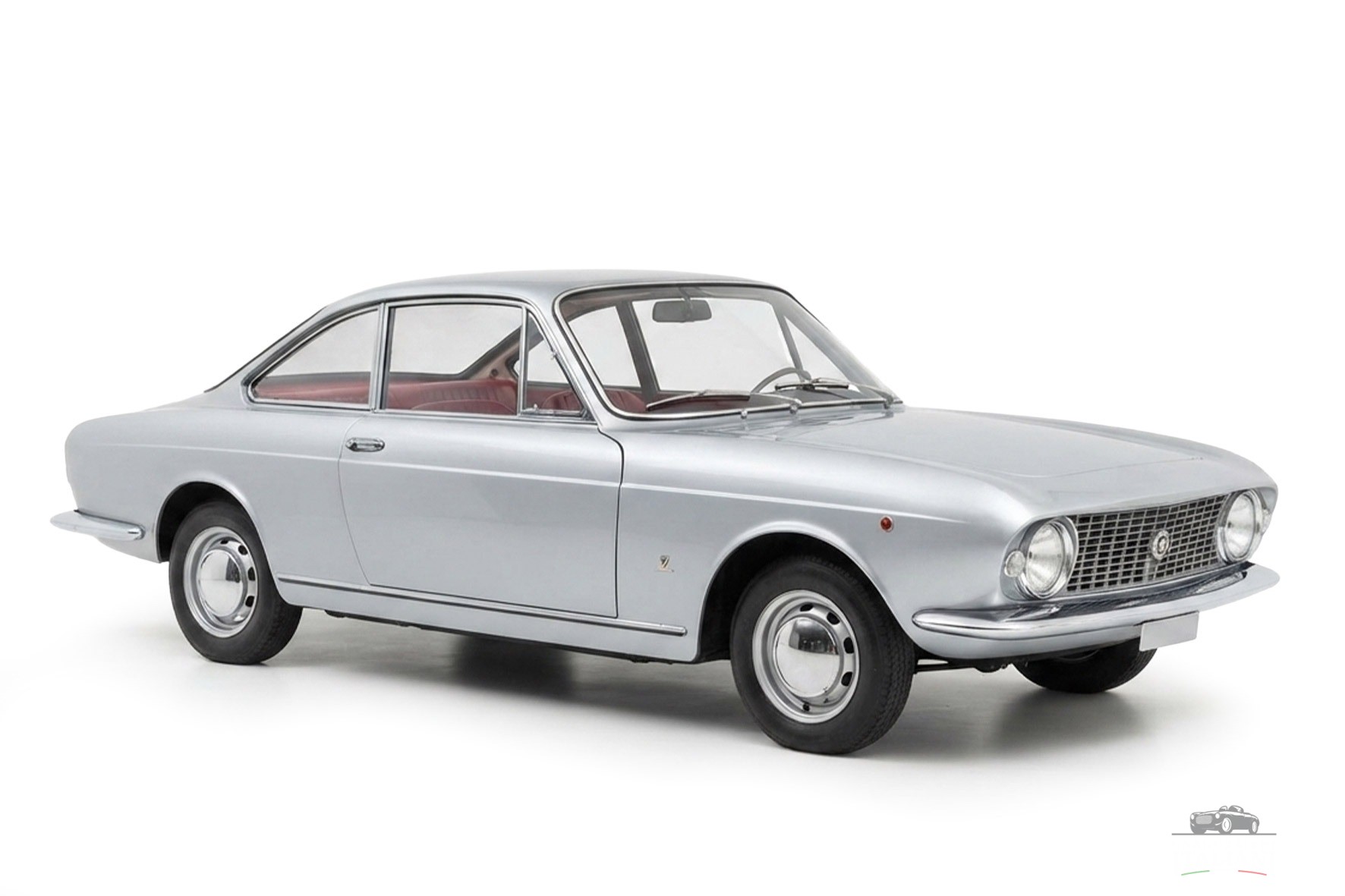
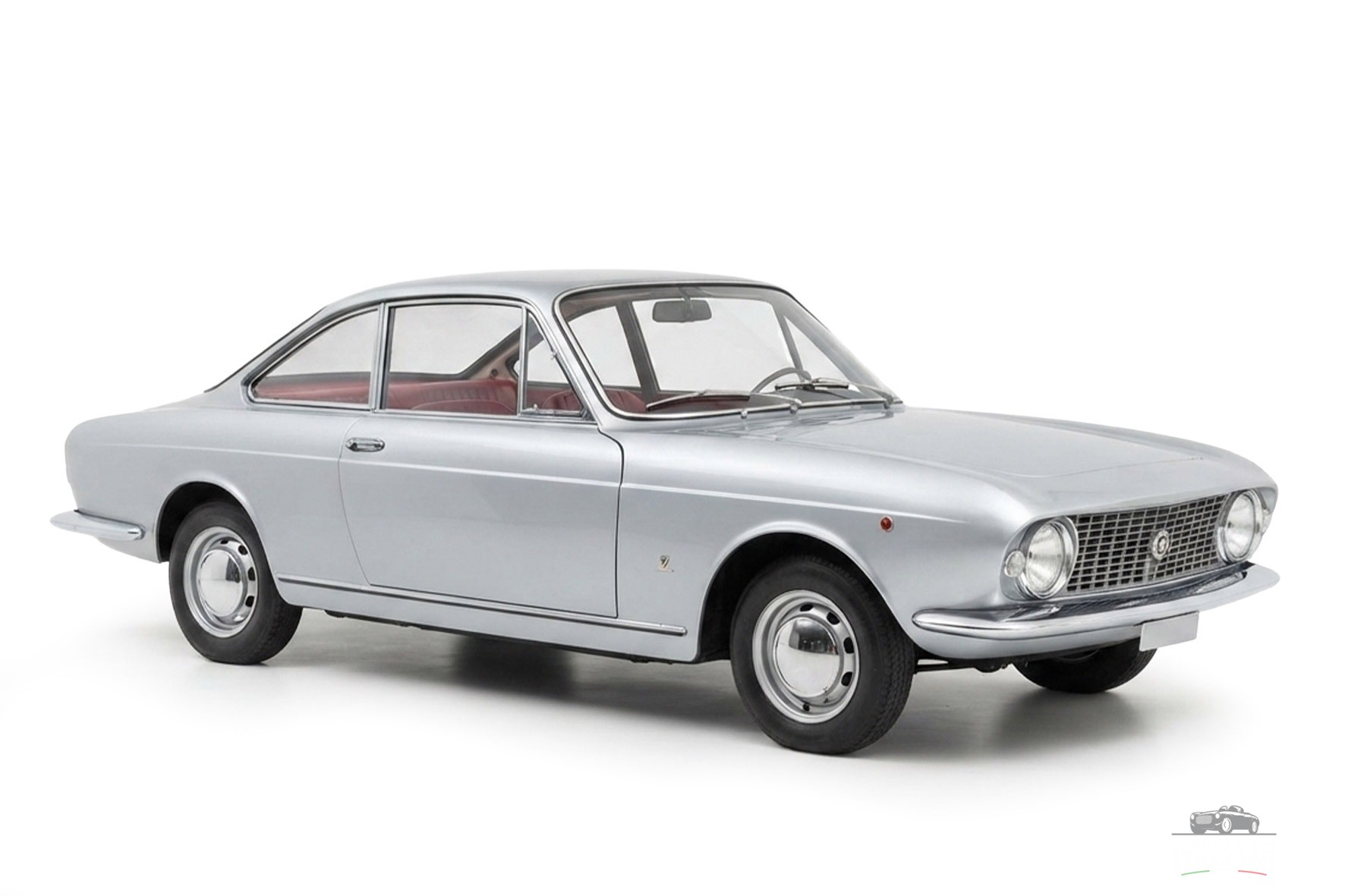
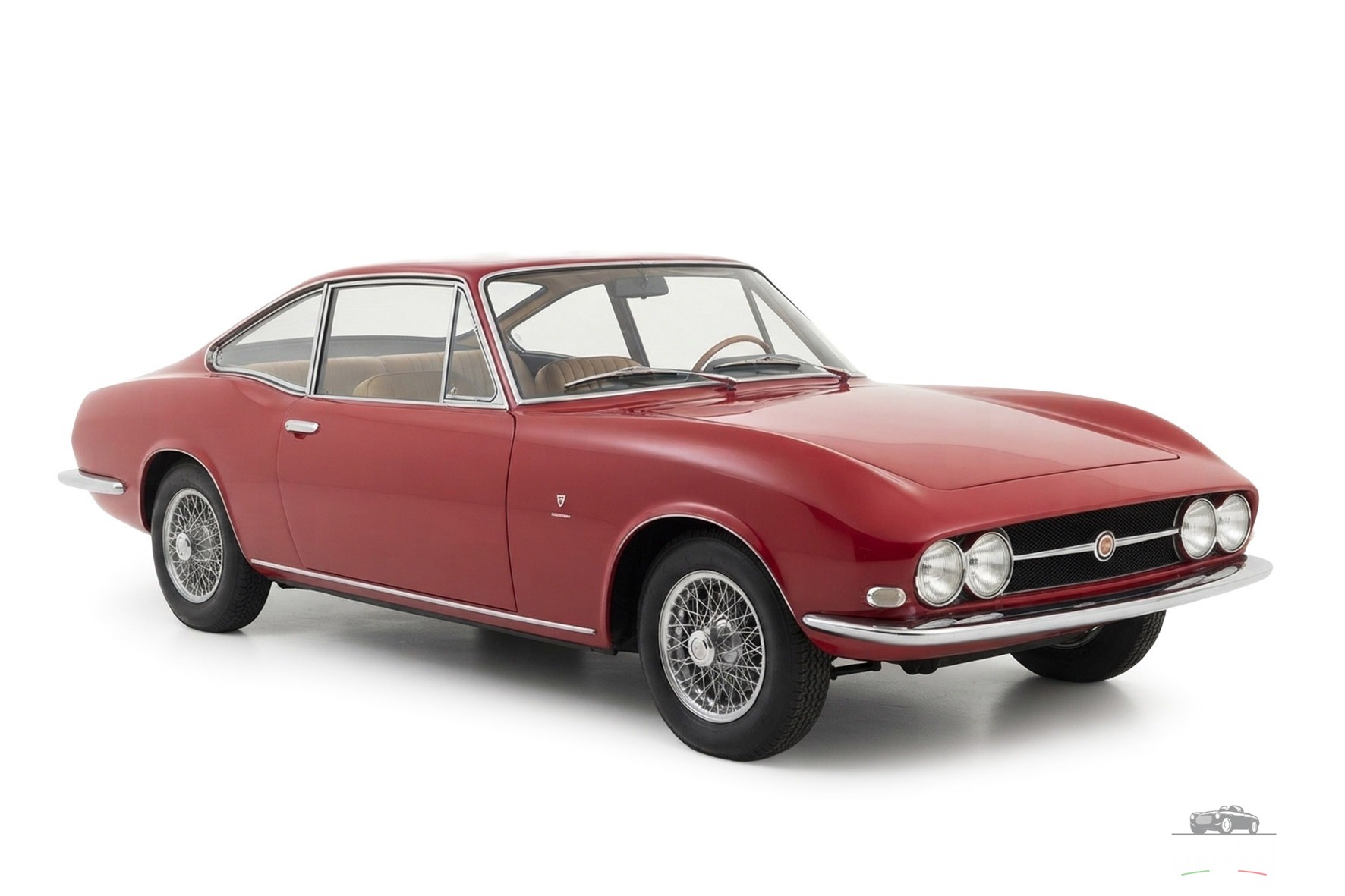
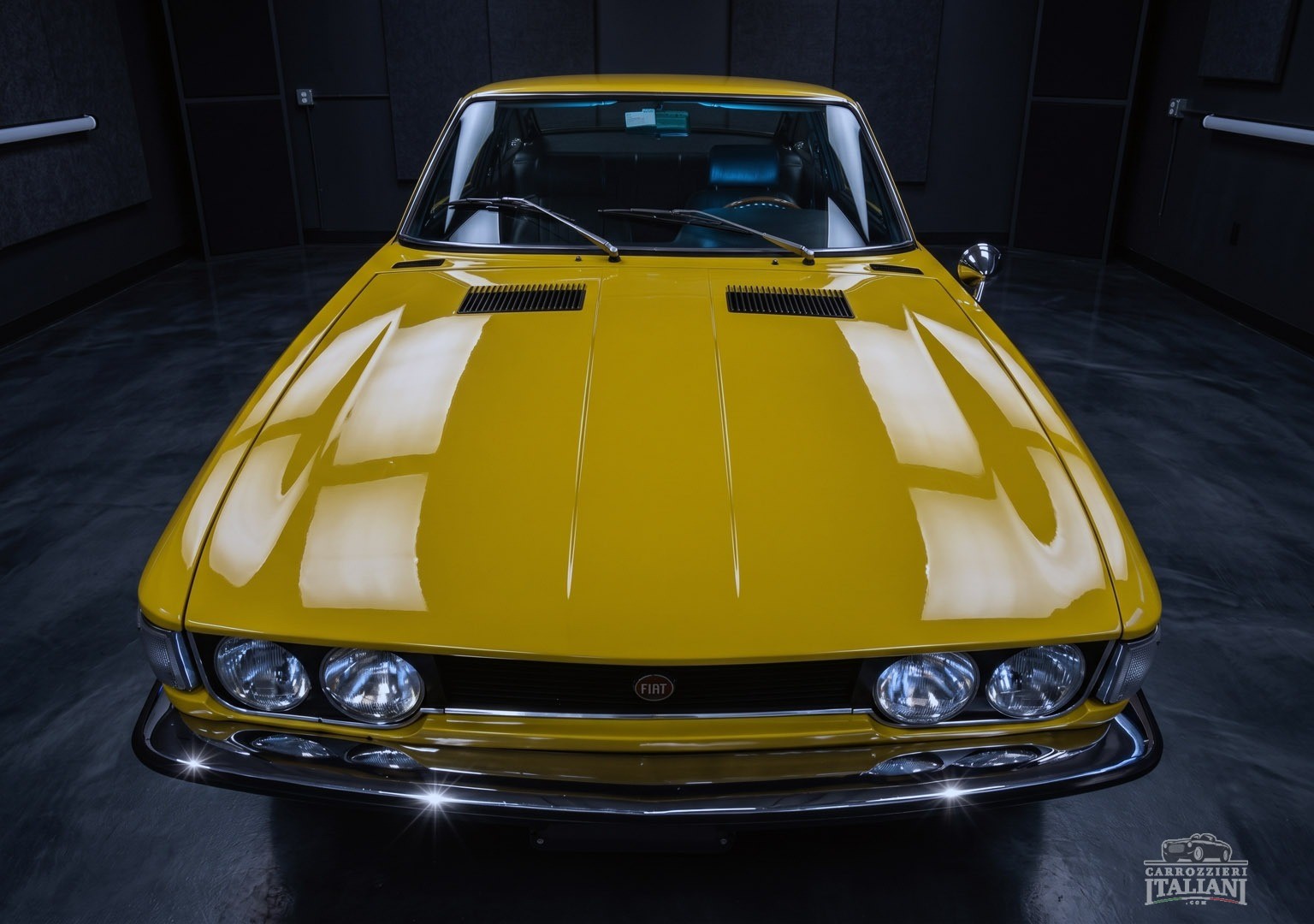
Brawand’s Moretti work expanded as new Fiat platforms became available. The Moretti 124 Coupé and the 124 Berlinetta were distinct coachbuilt body configurations associated with the later 1960s. The programme also encompassed a series of 125-based coupés, including subsequent restyling. Their shared designer does not make the cars identical: body variants, production periods and individual chassis histories require separate identification.
The arrival of the front-wheel-drive Fiat 128 prompted a further group of Moretti designs. The fixed-roof 128 Coupé and the open Roadster, with removable rigid roof sections, were presented in 1969 as specialist alternatives to Fiat’s new family car. The bodies used the available packaging of the transverse-engine platform to create comparatively spacious small grand tourers. Later versions adopted revised equipment and Fiat mechanical specifications; surviving auction records establish individual examples but should not be used to infer a universal production total or an identical specification for all cars.
The Moretti 128 Drag, displayed at the 1970 Turin Motor Show, was a separate two-seat experimental design. Its angular wedge form and concealed headlamps distinguished it from the production 128 Coupé and Roadster. The Drag was a show car, not evidence that a series of identical customer cars was built. No unsupported chassis number or mechanical specification should be transferred from a production 128 to this design study.
The 127, 132 and utility vehicles
The Fiat 127 Coupé Moretti continued the practice of creating a distinct sporting body around standard Fiat mechanical components. Brawand is also associated with the Moretti 132 Coupé and with the company’s later utility-oriented designs. The 127 Midimaxi applied an open, recreational body to the Fiat 127 platform. The later Panda Rock extended this approach to the Fiat Panda. These vehicles reflected Moretti’s shift away from traditional small grand touring coupés toward niche vehicles and special-purpose derivatives.
Styling programmes developed within the Moretti organisation also included luxury conversions and revisions to existing bodies. Such work must be distinguished from an individually documented Brawand design: an association with Moretti alone is insufficient evidence for assigning authorship to a specific conversion, body revision or chassis.
Design practice, attribution and historical documentation
Brawand’s career illustrates the connection between independent Italian styling consultancies and the coachbuilders that translated their work into low-volume vehicles. At Michelotti’s studio he worked within a collaborative design practice; at Moretti he held responsibility for a broader programme that had to be manufactured with relatively modest resources. In both settings the division between a design director, an individual stylist and the specialists who constructed a body is important when evaluating historical attribution.
His work has been documented in Alessandro Sannia’s 2013 monograph Dany Brawand designer, which draws on material from the designer’s personal archive and reproduces sketches and historical illustrations. These documents are particularly significant for distinguishing Brawand’s independent designs from vehicles produced by firms with which he was associated. Vehicle-specific credits, drawings, period catalogues and surviving chassis records remain the appropriate basis for detailed attribution.
THE NETWORK
Shared vehicle credits

KEY MOMENTS
Timeline
-
Birth of Dany Brawand
Vevey, Switzerland
-
Career begins
-
Death of Dany Brawand
Turin, Italy
AWARDS & RECOGNITION
Palmarès
Vehicle awards
- Class wins
- 2
- Special prizes
- 1
3 vehicle award records
CONTINUE EXPLORING
Related vehicles



CONTINUE READING
Related articles
Moretti 128: Dany Brawand and the Last Independent Coupé from Via Monginevro
When Fiat introduced the 128 in 1969, the important news lay beneath a very conventional three-box body. Dante Giacosa's new family car placed its engine transversely ahead of the front wheels, a…
Read story
THE CONVERSATION
Comments 0