
I.DE.A Institute
Italian automotive design, engineering and prototype-development institute founded near Turin in 1978, active on experimental and series-vehicle programmes until 2019.
Explore record ↗
1997
THE VEHICLE AT A GLANCE
THE PEOPLE BEHIND THE CAR
Italian automotive design, engineering and prototype-development institute founded near Turin in 1978, active on experimental and series-vehicle programmes until 2019.
Explore record ↗01 / THE STORY
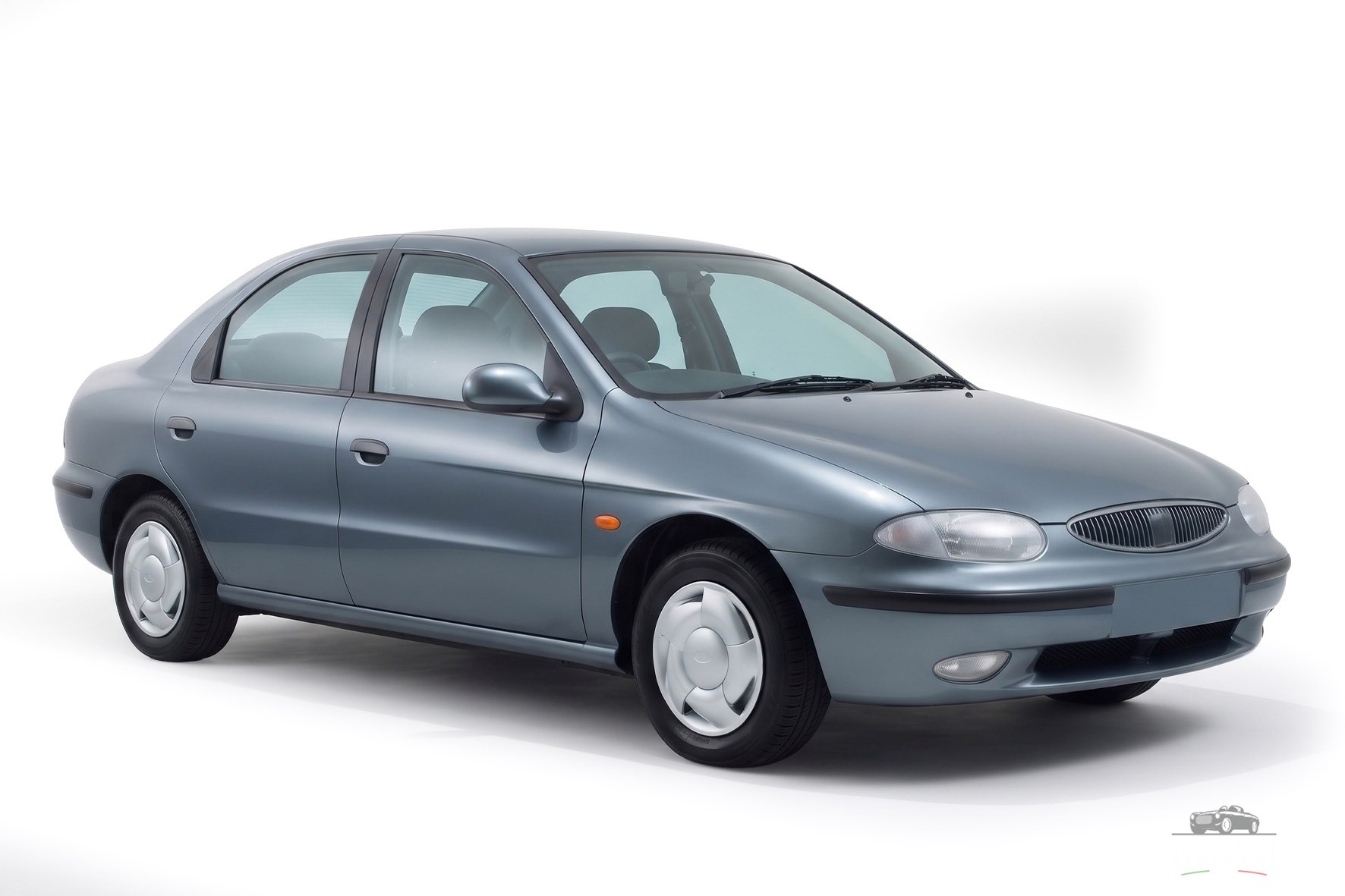
The Dacia D33 is a Romanian prototype passenger car developed by Uzinele Dacia in the late 1990s, of which no more than two units were built—a static scale model (1:1) and a functional prototype. The project remained at the prototype stage and was ultimately abandoned following the acquisition of Dacia by Renault in 1999. Between 1997 and 1998, significant work was invested into the vehicle’s design, engineering, and technical components, including decisions about powertrain configurations and onboard equipment. The car was scheduled to be unveiled at the 1999 Bucharest Auto Show. Designed in collaboration with the IDeA Institute in Turin, the D33 was envisioned as a completely modern and affordable compact sedan, aimed at replacing the aging Dacia 1310 and the underperforming Nova. The car was designed by Dacia engineers alongside the CESAR S.A. research center, and featured a modern four-door sedan layout, offering space for five passengers. It was intended for both the domestic and Western European markets. The D33 underwent various tests between 1997 and 1998 and promised to bring features rarely seen in Romanian cars at the time, such as ABS, airbags, power steering, centralized locking, stereo systems, catalytic converters, and engines with four valves per cylinder. These were bold steps for Dacia, aiming to match contemporary Western standards in performance, safety, and equipment. The engine range was to include both Romanian-developed units and Hyundai-sourced engines, with power outputs ranging from 80 to 100 horsepower, including options for petrol and diesel. The body style was a classic three-box sedan, with future plans for estate, hatchback, and possibly utility versions. The car was expected to retail for around $5,000, making it an attractive offering. However, Renault’s acquisition halted the project. The sole surviving prototype is said to remain stored within Dacia’s factory premises, a symbol of an ambitious project cut short by corporate transition.
02 / TECHNICAL IDENTITY
03 / DESIGN, BODY & SUPPLIERS
Coachbuilder / Design studio
Italian automotive design, engineering and prototype-development institute founded near Turin in 1978, active on experimental and series-vehicle programmes until 2019.
Explore record ↗07 / GALLERY
THE CONVERSATION
Comments 0