
Coppa d’Oro di Villa d’Este 1931
AT A GLANCE
- Date
- 1931-09-12 — 1931-09-13
- Venue
- Grand Hotel Villa d'Este
- Location
- Cernobbio · Italy
THE EVENT
Event overview
The 1931 Concorso d’Eleganza Villa d’Este in Como represented a significant development in the formalisation of automotive design as an object of cultural exhibition and judgment. Organised by the Automobile Club of Como, the event gathered a selection of automobiles distinguished by bespoke coachwork, reflecting prevailing design tendencies in early interwar Europe. The concours format included adjudication by an official jury alongside a public referendum, establishing a dual evaluative framework.
A notable feature of the 1931 edition was the presentation of two vehicles bodied by Carrozzeria Touring of Milan, each designated “Flying Star.” These vehicles, constructed on the chassis of the Alfa Romeo 6C 1750 Gran Sport and the Isotta Fraschini 8A respectively, were finished in ivory-white and configured as open two-seaters. The styling, attributed to Touring under the direction of Felice Bianchi Anderloni, was marked by clean, continuous lines, split fenders, and restrained exterior ornamentation. The Alfa Romeo example, driven by Josette Pozzo, received both the Coppa d’Oro, awarded by the jury, and the Referendum Prize, awarded by public vote. This dual recognition was rare and indicative of the alignment between contemporary expert and lay aesthetic judgment.
The Isotta Fraschini 8A Flying Star also received class honours. Touring’s prominence at the 1931 event contributed to the subsequent popularity of the Flying Star body style and the Milanese firm’s standing among Italian coachbuilders. The precise number of Flying Star-bodied cars constructed remains limited; surviving examples are few, and their configurations vary according to underlying chassis and year of production.
The 1931 concours illustrated the increasing role of the automobile as a medium for artistic interpretation and consumer display. It also reinforced the significance of the Villa d’Este setting as a locus for the presentation of limited-production and individually commissioned motor vehicles. The event contributed to the establishment of aesthetic standards in automotive design and affirmed the cultural position of coachbuilt automobiles within early twentieth-century European society.
KEY MOMENTS
Timeline
-
Opening
-
Closing
RECORDED RESULTS
Awards & Results
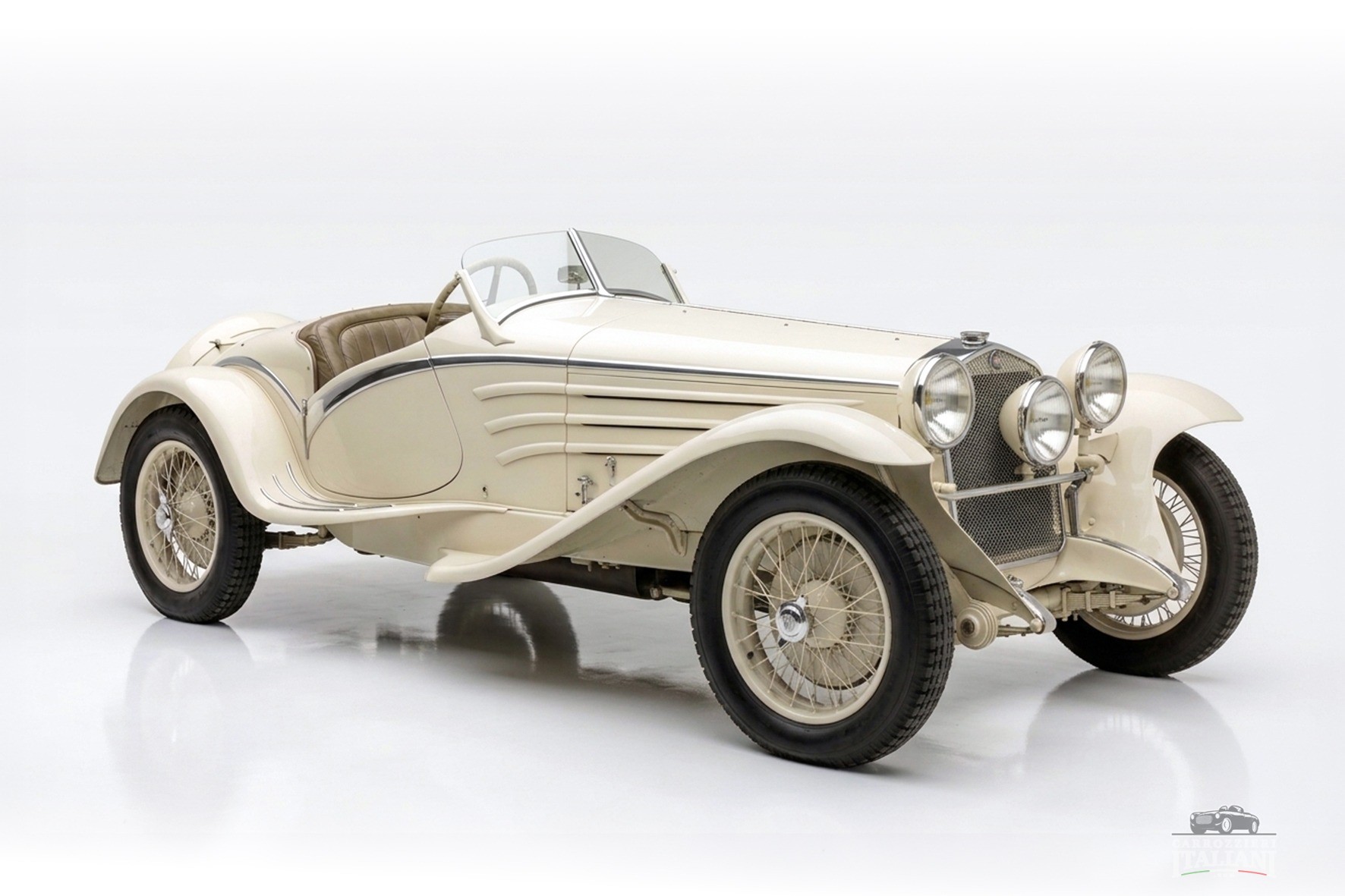

Coppa d'Oro Villa d'Este - Open BodiesCarrozzerie aperte
Gran Premio Referendum
Best of Show

Class Winner
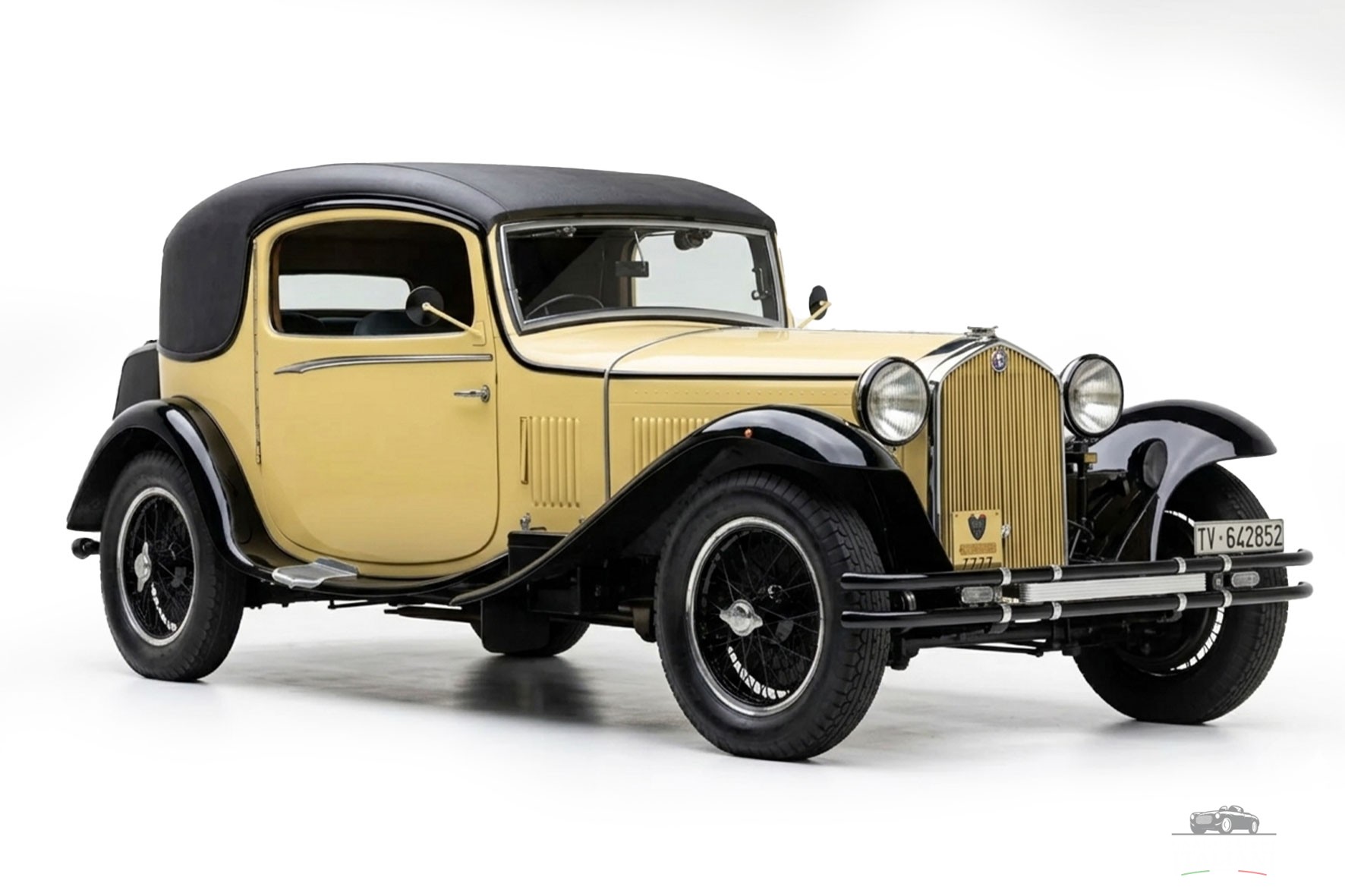
Class Winner
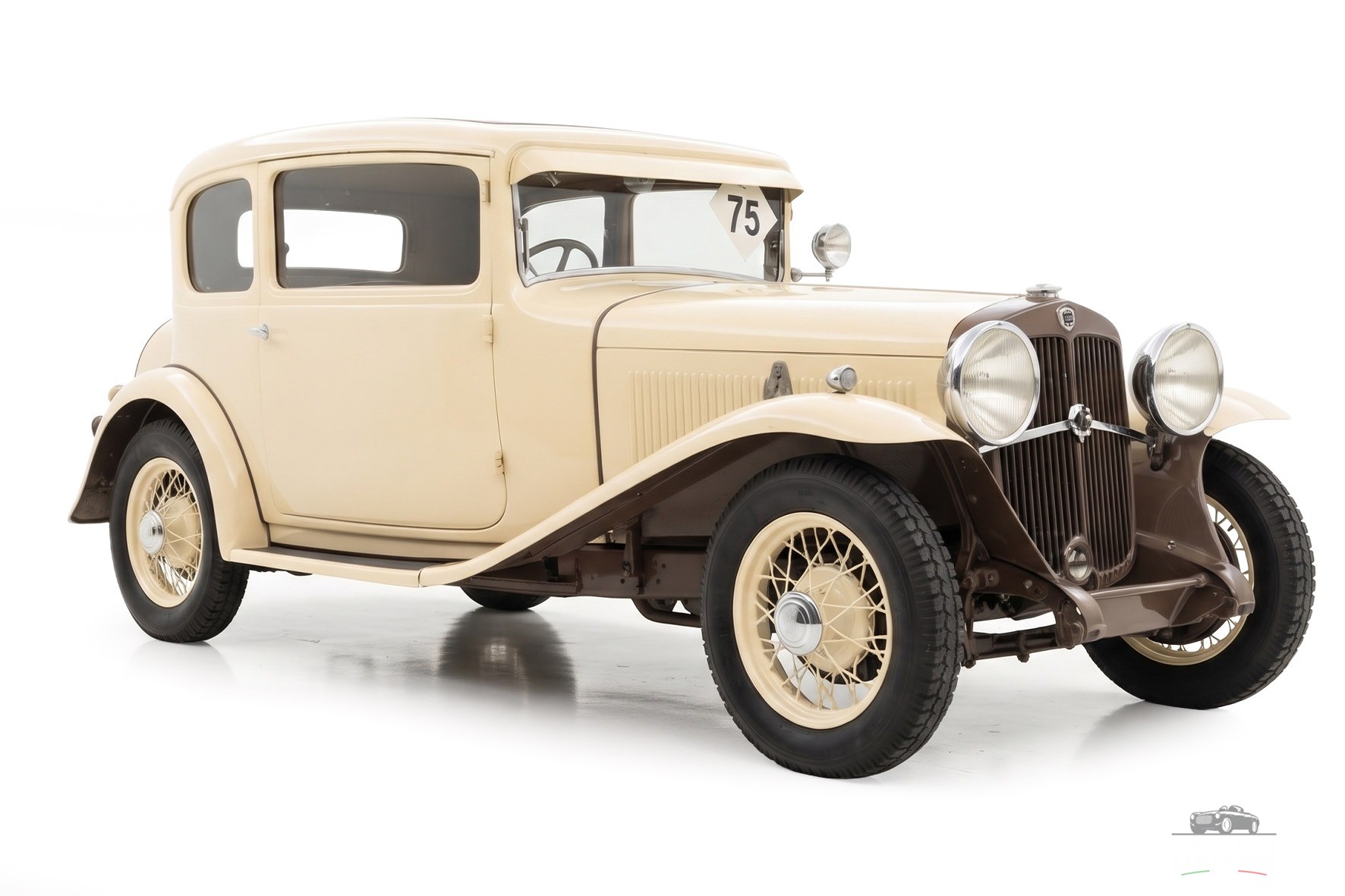

Class Winner
CONTINUE EXPLORING
Participating Cars
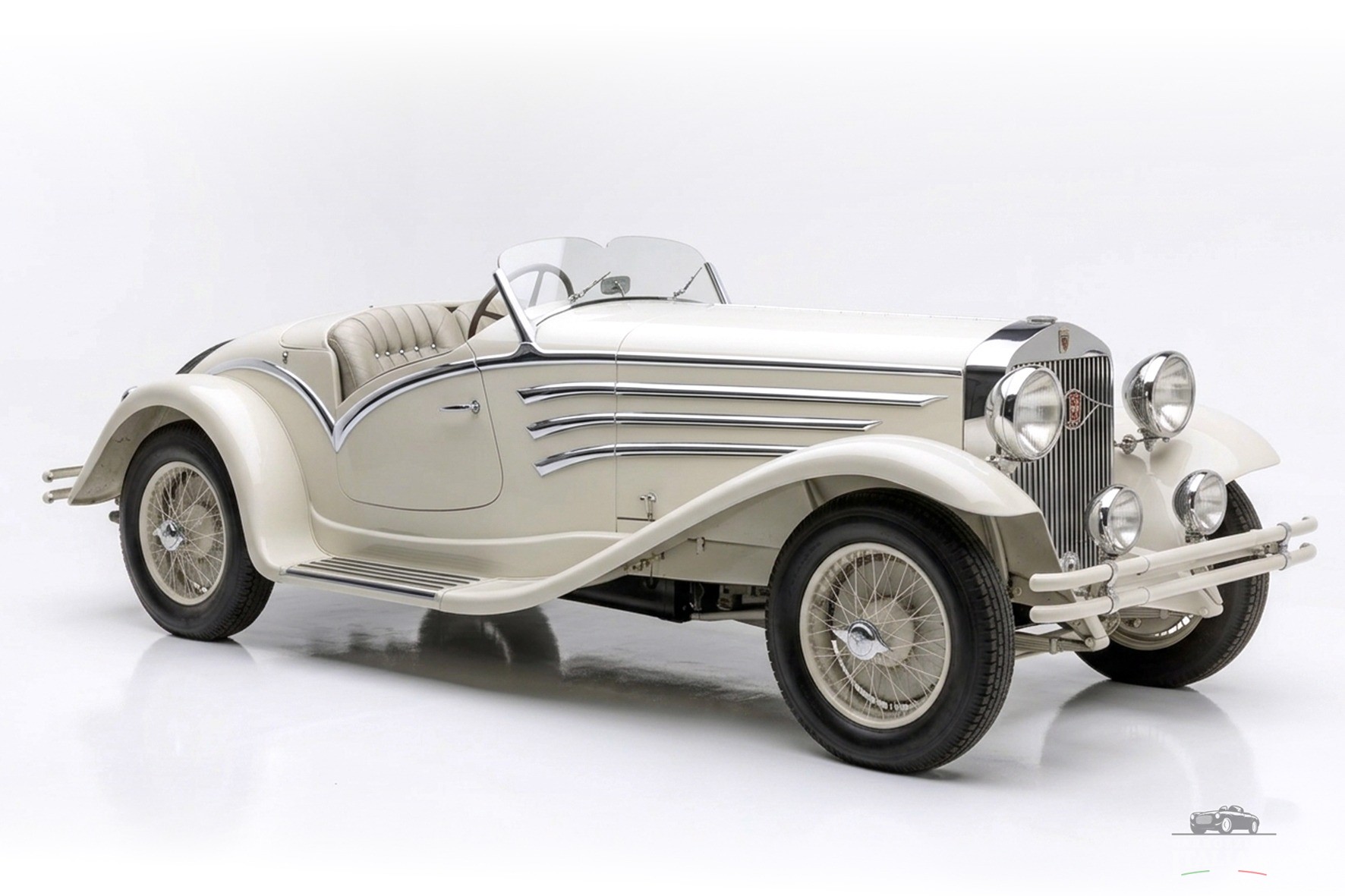

THE EVENT ARCHIVE
THE CONVERSATION
Comments 0