
Pininfarina
AT A GLANCE
- Founded
- 1930-05-22
- Historical city
- Turin
- Country
- Italy
AWARDS & RECOGNITION
Palmarès
Vehicle awards
- Best of Show
- 37
- Car of the Year
- 2
- Class wins
- 100
- Class placings
- 2
- Design awards
- 19
- Public choice
- 4
- Special prizes
- 29
- Race wins
- 2
- Awards
- 15
210 vehicle award records
Class Winner
Alfa Romeo 1900C Cabriolet PininfarinaBest of Show
Alfa Romeo 1900C Cabriolet PininfarinaBest of Show
Ferrari 360 ModenaClass Winner
Ferrari 360 ModenaClass Winner
Ferrari Dino 206 GTClass Winner
Peugeot 306 CabrioletSpecial Prize
Ferrari F430Special Prize
Mercedes-Benz 300 SC Coupé PininfarinaSpecial Prize
Ferrari 250 GT DrogoSpecial Prize
Ferrari 456 GTClass Winner
Ferrari 308 GTSClass Winner
Ferrari 330 GTCClass Winner
Ferrari 410 Superamerica Series III CoupéClass Winner
Ferrari TestarossaClass Winner
Lancia Aurelia B24 SpiderBest of Show
Ferrari F355 BerlinettaClass Winner
Ferrari 365 GTS/4 Daytona SpiderClass Winner
Ferrari 410 Superamerica PininfarinaRed Dot Design Award
Automobili Pininfarina B95IF Design Award
Automobili Pininfarina B95Special Prize
Fiat 1200 CabrioletGreen Good Design Award
Foxtron Model DClass Winner
Ferrari 330 GT 2+23rd in Class M-2 Ferrari Grand Touring
Ferrari 250 GT Coupé SpecialeBest in Class
Alfa Romeo 6C 2500 S ConvertibileBest of Show
Lancia Aprilia Cabriolet PininfarinaClass Winner
Lancia Aprilia Cabriolet PininfarinaSpecial Prize
Fiat Dino GinevraClass Winner
Ferrari 275 GTSPlatinum Award — chassis 1557GT
Ferrari 250 GT Coupé PininfarinaBest of Show
Ferrari SuperamericaSpecial Prize
Ferrari 250 GT LussoSpecial Prize
Ferrari 330 GTC SpecialeGood Design Award
Foxtron Model BRed Dot Design Award
Automobili Pininfarina PURA VisionIF Design Award
Automobili Pininfarina PURA VisionClass Winner
Ferrari 410 Superamerica PininfarinaClass Winner
Ferrari 330 GTC SpecialeGreen Good Design Award
NamX HUVClass Winner
Ferrari 330 GTC SpecialeClass Winner - Class D
Ferrari 365 P Berlinetta SpecialeChassis 8971
Concorso d'Eleganza Villa d'Este 2022
Class D
Ferrari People's Choice Award
Ferrari 365 P Berlinetta SpecialeChassis 8971
Overall Outstanding Ferrari Granturismo
Ferrari 365 P Berlinetta SpecialeChassis 8971
Palm Beach Cavallino Classic Concorso d'Eleganza 2022
Granturismo
Class Winner
Ferrari Dino 246 GTClass Winner
Lancia Astura Cabriolet Tipo BoccaClass Winner
Lancia Aurelia PF200 C SpiderClass Winner
Ferrari 365 P Berlinetta SpecialeClass Winner
Ferrari 410 Super FastClass Winner
Ferrari 275 GTB ScagliettiClass Winner
Lancia Astura Cabriolet PininfarinaIF Design Award
TOGG C-SUVClass Winner
Ferrari 375 Coupé AmericaCompasso d'Oro
Karma GT Pininfarina2020 Compasso d'Oro
Class Winner
Lancia Aurelia B24 SpiderBest of Show
Lancia Aurelia B24 SpiderClass Winner
Ferrari 365 GTB/4 DaytonaSpecial Prize
Lancia Astura Cabriolet PininfarinaClass Winner
Fiat 1500 Coupé PininfarinaClass Winner
Lancia Astura Cabriolet PininfarinaBest of Show
Lancia Astura Cabriolet Tipo BoccaBest Concept
Green GT H2 SpeedBest in Show — vehicle identity under review
Lancia Aurelia B56 Florida 4 PorteClass Winner – Hollywood by the Lake
Lancia Aurelia PF200 C SpiderChassis B52-1052
Concorso d'Eleganza Villa d'Este 2015
Hollywood by the Lake
Special Prize
Alfa Romeo 6C 2500 Sport CabrioletSpecial Prize
Lancia Astura Cabriolet Tipo BoccaClass Winner
Ferrari 250 Europa GT PininfarinaClass Winner
Ferrari 410 Super FastCompasso d'Oro
Pininfarina Cambiano2014 Compasso d'Oro
Compasso d'Oro
Ferrari F12 Berlinetta2014 Compasso d'Oro
Award by Public Referendum
Lancia Astura Cabriolet Tipo BoccaGood Design Award
BMW Gran Lusso CoupéClass Winner
Alfa Romeo 6C 2500 SS PininfarinaBest of Show
Alfa Romeo 6C 2500 SS PininfarinaClass Winner
Bentley MK VI Cabriolet PininfarinaBest of Show – Concours de Sport
Cisitalia 202 Cabriolet PininfarinaBest Restored Car
Alfa Romeo 6C 2300 PescaraChassis 813.812
2nd in Class B
Alfa Romeo 6C 2300 PescaraChassis 813.812
Kuwait Concours d'Elegance 2012
B 1931-1945
Trofeo Città di Torino
Rolls-Royce Phantom II PininfarinaChassis 20SK
Class Winner
Ferrari 500 Mondial BerlinettaGoldenes Lenkrad
Ferrari F12 BerlinettaClass Winner
Lancia Aurelia B56 Florida 4 PorteChassis B56S-1006
Platinum Award - Class 9 Speciale/SA
Ferrari 250 GT Coupé SpecialeChassis 0853GT
Palm Beach Cavallino Classic Concorso d'Eleganza 2011
Class 9 Speciale/SA
Best of Show GT Ferrari
Ferrari 250 GT Coupé SpecialeChassis 0853GT
Palm Beach Cavallino Classic Concorso d'Eleganza 2011
Grand Touring
Class Winner
Alfa Romeo 6C 2500 SS PininfarinaClass Winner
Ferrari 250 GT SpecialePremio speciale design
Lancia Aurelia B56 Florida 4 PorteClass Winner
Lancia Aurelia B56 Florida 4 PorteClass Winner
Lancia Aurelia B56 Florida 4 PorteClass Winner
Lancia Aurelia B56 Florida 4 PorteChassis B56S-1006
Concorso di Torino 2010
Class Winner
Lancia Aurelia B56 Florida 4 PorteChassis B56S-1006
Concorso d Eleganza Villa d Este 2010
Class Winner
1939 Alfa Romeo Tipo 256 Cabriolet Sportivo Pinin FarinaRed Dot Design Award
Pininfarina SintesiCompasso d'Oro
Pininfarina Nido2008 Compasso d'Oro
Design Award for Concept Cars and Prototypes
Ferrari P4/5Chassis 135441
Special Prize
Ferrari 410 4.9 Super fastClass Winner
Ferrari 410 4.9 Super fastBest in Class
Ferrari 250 Europa GT SpecialeBest Concept
Maserati Birdcage 75thSpecial Prize
Ferrari 375 America Coupé SpecialeClass Winner
Ferrari 375 MM Coupé SpecialeClass Winner
Ferrari RossaSpecial Prize
Ferrari 400 Superamerica PininfarinaClass Winner
Ferrari 375 America Coupé SpecialeTrofeo Corrado Millanta — chassis 0234 AL
Ferrari 342 America Cabriolet PFTrofeo BMW Italia — chassis 0234 AL
Ferrari 342 America Cabriolet PFTrofeo BMW Group — chassis 0234 AL
Ferrari 342 America Cabriolet PFAutomotive News Best Exterior — 3rd prize
Citroën OséeBest Exterior
Class Winner
Ferrari 250 GT SpecialeAutoWeek Best Concept
Citroën OséeCar Design Award Production
Peugeot 406 Coupé1997 Car Design Award Production
Production
Class Winner
Mercedes-Benz 230SL Pininfarina CoupéGoldenes Lenkrad
Alfa Romeo GTVCar Design Award Concept
Ferrari MythosConcept
Europe Car of The Year
Peugeot 405Car Design Award Production
Ferrari Testarossa1985 Car Design Award Production
Production
Compasso d'Oro
Pininfarina CNR1979 Compasso d'Oro
Best Concept
Fiat 130 OperaBest Concept
Ferrari ModuloSpecial Prize
Ferrari ModuloEurope Car of The Year
Peugeot 504Best of Show — chassis 2809 SA
Ferrari 400 SuperamericaConcorso Internazionale d'Eleganza per Autovetture – Rimini 1961
Class Winner
Lancia Flaminia CoupéClass Winner
Lancia Appia Coupé PininfarinaClass Winner
Fiat 1500 Cabriolet PininfarinaClass Winner
Alfa Romeo Giulietta SpiderSpecial Prize
Cadillac PF200 CabrioletClass Winner
Nash Rambler Palm Beach Coupé SpecialClass Winner
Fiat 1100 TV Coupé PininfarinaClass Winner
Ferrari 410 Superamerica PininfarinaBest of Show
Ferrari 410 Superamerica PininfarinaClass Winner
Ferrari 375 Coupé AmericaSpecial Prize
Jaguar MK VII PininfarinaAward reported — result under review
Lancia Aurelia B56 Florida IClass Winner
Lancia Aurelia B56 Florida IXII Concorso Internazionale Eleganza Autovetture – Coppa Campione d'Italia 1955
Class Winner
Lancia Aurelia B24 SpiderXII Concorso Internazionale Eleganza Autovetture – Coppa Campione d'Italia 1955
Award reported — result under review
Lancia Aurelia B56 Florida IIX Concorso Internazionale di Eleganza per Automobili – Cortina d'Ampezzo 1955
Class Winner
Lancia Aurelia B56 Florida IRose d'Or de Genève Concours International d'Elegance Automobile 1955
Class 2 / Group 2-1
Rosa d'Oro
Lancia Aurelia B56 Florida IRose d'Or de Genève Concours International d'Elegance Automobile 1955
Gran Coppa Challenge
Lancia Aurelia B56 Florida IBest of Show
Lancia Aurelia PF200 VenturaClass Winner
Maserati A6GCS BerlinettaBest of Show
Maserati A6GCS BerlinettaMille Miglia Winner
Lancia D24Le Mans 24h Winner
Ferrari 375 Plus SpiderGrand Prize Honor
Lancia Aurelia PF200 C SpiderChassis B52-1052
Stresa International Concours d Elegance 1953
Special Prize
Lancia Aurelia B52 CoupéVI Concorso Internazionale di Eleganza – Pincio 1952
Best of Show
Lancia Aurelia B50 Rosa d’OroGran Premio d Onore
Lancia Aurelia B52 CoupéChassis B52-1022
Concorso di Eleganza Roma 1952
Class XVII — 1st prize
Lancia Aurelia B50 CabrioletV Concorso Internazionale di Eleganza – Pincio 1951
XVII — Group II, one-off transformable cars up to 2000 cc
Special Prize
Alfa Romeo 6C 2500 S Berlina Pininfarina2° Concorso Internazionale di Eleganza per Autovetture – Lido di Venezia 1950
Special Prize
Fiat 1100 Coupé PininfarinaClass Winner
Fiat 1100 Coupé PininfarinaClass Winner
Lancia Aprilia Cabriolet Speciale PininfarinaClass Winner
Fiat 1100 Coupé PininfarinaClass Winner
Alfa Romeo 6C 2500 Sport Cabriolet Pinin FarinaI Concorso d'Eleganza per Automobili – Firenze, Giardino di Boboli 1948
Best of Show
Alfa Romeo 6C 2500 Sport Cabriolet Pinin FarinaI Concorso d'Eleganza per Automobili – Firenze, Giardino di Boboli 1948
Class Winner
Alfa Romeo 6C 2500 S Cabriolet SpecialeBest of Show
Lancia Aprilia Cabriolet PininfarinaClass Winner
Lancia Aprilia Cabriolet PininfarinaGrand Prix d’Honneur
Alfa Romeo 6C 2500 Sport CabrioletChassis 915.169
Class Winner
Maserati A6 1500 GTBest of Show
Cisitalia 202 PininfarinaSpecial Prize
Alfa Romeo 6C 2500 Sport CabrioletBest of Show
Fiat 1500 Coupé Speciale PininfarinaAward by Public Referendum
Alfa Romeo 6C 2500 SS Coupé PininfarinaClass Winner
Alfa Romeo 6C 2500 SS Coupé PininfarinaCoppa ACI — Miglior cabriolet
Alfa Romeo 6C 2500 Sport CabrioletChassis 915.169
Concorso d'Eleganza dell'Ente Moda di Torino 1946
Class 13
Class Winner
Lancia Astura Cabriolet GranlussoClass Winner
Alfa Romeo 8C 2900A Cabriolet Pinin FarinaClass Winner
Lancia Aprilia Cabriolet MigliettiClass Winner
Lancia Astura Cabriolet GranlussoClass Winner
Lancia Aprilia Cabriolet MigliettiBest of Show
Lancia Astura Cabriolet GranlussoBest of Show
Lancia Astura Cabriolet PininfarinaClass Winner
Lancia Aprilia Cabriolet Lusso PininfarinaBest of Show
Lancia Aprilia Cabriolet Lusso PininfarinaBest of Show
Lancia Aprilia Cabriolet AerodinamicoClass Winner — attribution under review
Lancia Astura Cabriolet Tipo BoccaClass Winner
Lancia Astura Cabriolet Tipo BoccaBest of Show
Alfa Romeo 6C 2300 Coupé PininfarinaClass Winner
Alfa Romeo 6C 2300 PescaraSpecial Prize
Lancia Astura Cabriolet Tipo BoccaBest of Show
Alfa Romeo 6C 2300 Pescara AerodinamicaClass Winner
Fiat 6C 1500 Cabriolet PininfarinaClass Winner
Lancia Astura Spider PininfarinaClass Winner
Rolls-Royce Phantom II PininfarinaClass Winner
Fiat 527 Ardita PininfarinaClass Winner
Lancia Augusta Faux CabrioletBest of Show
Rolls-Royce Phantom II PininfarinaClass Winner
Rolls-Royce Phantom II PininfarinaClass Winner
Rolls-Royce Phantom II PininfarinaClass Winner
Fiat 527 Ardita PininfarinaClass Winner
Fiat 527 Ardita PininfarinaClass Winner
Alfa Romeo 6C 2300 Pescara Aerodinamico Pinin Farina familyClass Winner
Lancia Astura AerodinamicaClass Winner
Lancia Astura Cabriolet Royal AerodinamicoClass Winner
Lancia Dilambda Berlina LuminosaBest of Show
Alfa Romeo 8C 2300 Coupé VictoriaSpecial Prize
Lancia Dilambda Coupé VictoriaBest of Show
Lancia Dilambda Coupé VictoriaClass Winner
Lancia Dilambda BerlinaSpecial Prize
Alfa Romeo 8C 2300 Spider PininfarinaBest of Show
Alfa Romeo 8C 2300 Cabriolet PininfarinaSpecial Prize
Lancia Dilambda PininfarinaIV Concorso Internazionale per Automobili – Coppa d'Oro Villa d'Este 1932
Best of Show
Lancia Astura Cabriolet RoyaleIV Concorso Internazionale per Automobili – Coppa d'Oro Villa d'Este 1932
Best of Show
Lancia Dilambda Berlina SpecialeClass Winner
Lancia Dilambda Berlina RunaboutClass Winner
Lancia Dilambda Berlina PininfarinaBest of Show
Fiat 525 SS Coupé Royal1931 C d'E Roma
Class Winner
Lancia Dilambda Cabriolet Pininfarina
THE STORY
Overview
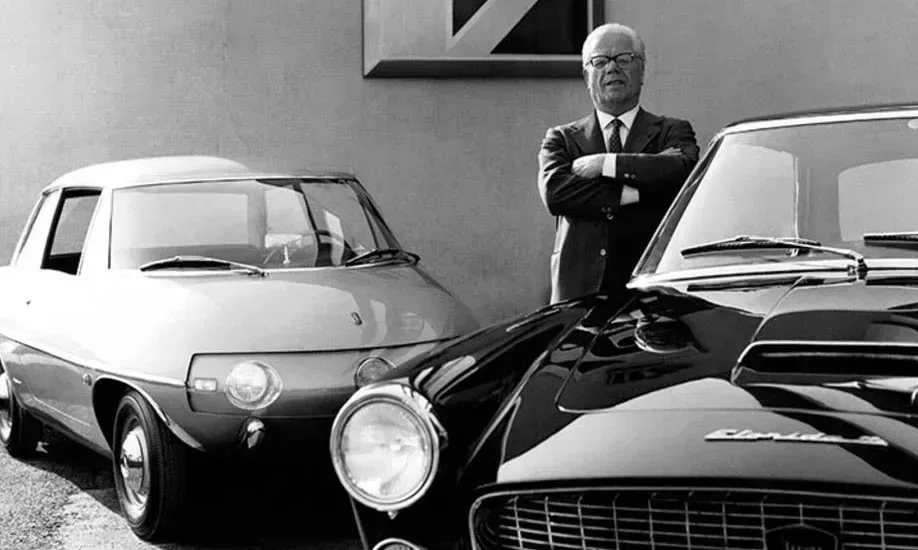
Pininfarina cars have long been the epitome of Italian design and automotive excellence, blending sleek, artistic elegance with cutting-edge engineering. For decades, Pininfarina has set the standard for what it means to create a truly iconic car. Founded by Battista “Pinin” Farina, the company began as a small workshop specializing in bespoke bodywork for discerning clients. Over time, Pininfarina evolved into a global leader, offering complete vehicle designs that combined form, function, and forward-thinking innovation. The hallmark of Pininfarina cars is their unmistakable style, which balances beauty with aerodynamic efficiency. Pininfarina’s early work set the stage for a legacy of designing and engineering some of the world’s most recognized cars. The company’s first major breakthrough came with the Cisitalia 202 in 1947, a car that was so groundbreaking it became the first automobile ever displayed at the Museum of Modern Art in New York. This marked the beginning of Pininfarina’s journey to shaping the future of automotive design. As the company grew, it formed lasting partnerships with some of the most prestigious names in the automotive industry. Pininfarina worked with Ferrari, Fiat, Alfa Romeo, Lancia, Peugeot, and many more, consistently producing models that became legends in their own right. The transition from handcrafted bodywork to full vehicle production was marked by the creation of timeless classics such as the Alfa Romeo Spider Duetto, Ferrari 365 Daytona, and Lancia Flaminia. These cars were not just designed; they were engineered to perfection, blending luxury, performance, and beauty in a way that few others could match. In the 1960s and 1970s, Pininfarina expanded its expertise, embracing technological advancements in aerodynamics. The company built Italy’s first full-scale wind tunnel, which enabled the creation of even more aerodynamic and performance-oriented designs. This technology was integral to the development of the Ferrari 308 GTB, Fiat 130 Coupé, and Lancia Montecarlo, among others. Through this dedication to innovation, Pininfarina continued to elevate the industry, influencing not only the design of vehicles but also how cars performed on the road. By the 1980s and 1990s, Pininfarina had established itself as a leader in both automotive design and engineering. The company’s collaborations with high-performance brands like Ferrari, Peugeot, and Alfa Romeo resulted in vehicles that became synonymous with luxury and speed. Iconic models like the Ferrari F40, Ferrari 288 GTO, and Fiat Coupé showcased Pininfarina’s ability to blend power with style. Meanwhile, the company’s commitment to forward-thinking design was evident in concept cars like the Ferrari Modulo and Maserati Birdcage 75th, which pushed the boundaries of what was possible in automotive design. Even into the 21st century, Pininfarina continued to deliver world-class vehicles, including the Ferrari Enzo, the Hyundai Matrix, and the Mitsubishi Pajero Pinin. These cars, alongside others such as the Ferrari 458 Italia and Maserati GranTurismo, are a testament to Pininfarina’s enduring legacy in the automotive world. The company’s commitment to perfection and its dedication to marrying cutting-edge technology with elegant design have kept it at the forefront of the industry. Pininfarina’s journey is not just about creating cars; it’s about defining an era of automotive design. From custom coachwork to full-scale vehicle production, the Pininfarina cars created over the years have earned a place in the hearts of automotive enthusiasts and collectors worldwide. Each model tells a story of innovation, craftsmanship, and timeless beauty. The legacy of Pininfarina is one of passion, precision, and an unwavering commitment to excellence in every car they create.
On this page, you can find a comprehensive list of all the cars designed and built by Pininfarina, from the early classics to modern masterpieces. These vehicles reflect the creativity, expertise, and dedication that have made Pininfarina one of the most renowned names in automotive design.
KEY MOMENTS
Timeline
-
Birth of Battista Farina
Turin, Italy
-
Foundation of Società Anonima Carrozzeria Pinin Farina
Turin, Italy
-
Pinin Farina creates the Cisitalia 202, a post-war design landmark
Turin, Italy
-
The Ferrari–Pinin Farina partnership begins
Tortona, Italy
-
Giulietta Spider production marks Pinin Farina’s definitive industrial-scale transition
Turin, Italy
-
Boano begins series production of Ferrari 250 GT bodies for Pinin Farina
Grugliasco, Italy
-
Pininfarina transfers production to Grugliasco
Grugliasco / Turin, Italy
-
Battista Pininfarina hands company leadership to Sergio Pininfarina and Renzo Carli
Turin, Italy
-
Pininfarina inaugurates the Centro Studi e Ricerche
Grugliasco, Italy
-
Death of Battista Farina
Lausanne, Switzerland
-
Pininfarina inaugurates its full-scale Wind Tunnel
Grugliasco, Italy
-
Pininfarina is reorganized as a financial holding company
Turin, Italy
-
Pininfarina creates Pininfarina Studi e Ricerche S.p.A.
Cambiano, Italy
-
Pininfarina opens the San Giorgio Canavese production plant
San Giorgio Canavese, Italy
-
Pininfarina is listed on the Italian Stock Exchange
Milan, Italy
-
Pininfarina Extra is created to expand beyond transport design
Turin, Italy
-
Pininfarina acquires the Bairo Canavese plant
Bairo Canavese, Italy
-
Pininfarina inaugurates the Cambiano Engineering Centre
Cambiano, Italy
-
Pininfarina ends regular series-car production
Cambiano / Turin, Italy
-
Pininfarina enters the Mahindra Group
Cambiano / Turin, Italy
-
PF Holdings announces a total voluntary tender offer for Pininfarina
Cambiano / Milan, Italy
PEOPLE & DESIGN
Designers
Adriano Rabbone
Pinin Farina designer credited with a 1952 aerodynamic berlinetta study and an early Bentley proposal; also linked to Fiat 1400 and Lancia projects.
Explore record ↗
Aldo Brovarone
Aldo Brovarone was an Italian automotive stylist associated with Pininfarina, contributing to the Turin firm's post-war tradition of refined sports cars and experimental design.
Explore record ↗Battista Farina
Italian coachbuilder and design director (1893–1966) who founded Carrozzeria Pinin Farina in Turin in 1930 and guided its early aerodynamic and industrial development.
Explore record ↗Carlo Bonzanigo
Carlo Bonzanigo is a Swiss-Italian automotive designer and former Pininfarina and Citroën design executive who subsequently founded independent design studios.
Explore record ↗Chris Bangle
Chris Bangle (born 1956) is an American automotive designer who designed the Fiat Coupé exterior and led BMW Group design from 1992 to 2009.
Explore record ↗Davide Arcangeli
Davide Arcangeli (1970–2000) was an Italian automotive designer whose work included the Honda Argento Vivo, Peugeot 406 Coupé and BMW 5 Series E60.
Explore record ↗View all 48 designers
Adriano Rabbone
Pinin Farina designer credited with a 1952 aerodynamic berlinetta study and an early Bentley proposal; also linked to Fiat 1400 and Lancia projects.
Explore record ↗Aldo Brovarone
Aldo Brovarone was an Italian automotive stylist associated with Pininfarina, contributing to the Turin firm's post-war tradition of refined sports cars and experimental design.
Explore record ↗Battista Farina
Italian coachbuilder and design director (1893–1966) who founded Carrozzeria Pinin Farina in Turin in 1930 and guided its early aerodynamic and industrial development.
Explore record ↗Carlo Bonzanigo
Carlo Bonzanigo is a Swiss-Italian automotive designer and former Pininfarina and Citroën design executive who subsequently founded independent design studios.
Explore record ↗Chris Bangle
Chris Bangle (born 1956) is an American automotive designer who designed the Fiat Coupé exterior and led BMW Group design from 1992 to 2009.
Explore record ↗Davide Arcangeli
Davide Arcangeli (1970–2000) was an Italian automotive designer whose work included the Honda Argento Vivo, Peugeot 406 Coupé and BMW 5 Series E60.
Explore record ↗Davide Loris Amantea
Davide Loris Amantea is an Italian automotive designer and Pininfarina Chief Creative Officer, appointed in August 2026 after leading Automobili Pininfarina design.
Explore record ↗Diego Ottina
Diego Ottina (born 1941) is an Italian designer who joined Pininfarina in 1970 after working with Giovanni Michelotti.
Explore record ↗Dimitri Vicedomini
Dimitri Vicedomini is an Italian automotive designer and Pininfarina Head of Exterior Design, with previous experience directing Brilliance styling.
Explore record ↗Emanuele Nicosia
Emanuele Nicosia (1953–2016) was an Italian automotive designer whose work included Ghia's Ford Pockar and projects at Pininfarina and Beestudio.
Explore record ↗Enrico Fumia
Enrico Fumia is an Italian automotive designer associated with Pininfarina, the Alfa Romeo 164 and 916 GTV/Spider, Ferrari F90 and Lancia.
Explore record ↗Fabio Filippini
Fabio Filippini is an Italian automotive designer and former Pininfarina Design Director, associated with Renault, Cambiano, Sergio and H2 Speed.
Explore record ↗
Fabrizio Giugiaro
Fabrizio Giugiaro is an Italian automotive and industrial designer, former Italdesign styling director and co-founder of GFG Style.
Explore record ↗Fedele Bianco
Fedele Bianco was an Italian automotive stylist active in Turin, with documented work at Ghia and Pinin Farina during the 1940s.
Explore record ↗Felix Kilbertus
Austrian-born automotive designer and former Pininfarina Chief Creative Officer, with senior exterior-design roles at BMW/Pininfarina, Fiat and Rolls-Royce.
Explore record ↗Filippo Sapino
Filippo Sapino (born 1940) is an Italian designer who worked at Ghia and Pininfarina and directed Ford-era Ghia design operations until 2001.
Explore record ↗Franco Martinengo
Franco Martinengo is an Italian automotive designer, design director and painter associated with Turin.
Explore record ↗Frank Stephenson
Frank Stephenson is an automotive designer whose career includes BMW MINI, Fiat Group and McLaren, followed by independent work with Frank Stephenson Design.
Explore record ↗Giovanni Savonuzzi
Giovanni Savonuzzi was an Italian engineer and automotive designer associated with Cisitalia and Ghia, contributing to influential aerodynamic prototypes and bespoke sports cars.
Explore record ↗Giuseppe Randazzo
Giuseppe Randazzo was an Italian automotive designer whose career included work at Pininfarina.
Explore record ↗Goran Popović
Goran Popovic is an automotive designer and design-development executive whose career includes work at Pininfarina and Granstudio.
Explore record ↗Jason Castriota
Jason Castriota is an American automotive designer and design strategist.
Explore record ↗Leonardo Fioravanti
Leonardo Fioravanti is an Italian automotive designer renowned for his work at Pininfarina, where he contributed to the styling of landmark Ferrari road cars.
Explore record ↗Lorenzo Ramaciotti
Lorenzo Ramaciotti is an Italian mechanical engineer and automotive design executive.
Explore record ↗Lowie Vermeersch
Lowie Vermeersch is a Belgian automotive designer and design director.
Explore record ↗Luca Borgogno
Luca Borgogno worked within Pininfarina\'s automotive design organisation on concept and production-car programmes. As chief designer at Pininfarina, he contributed to the Battista electric hypercar, combining the company\'s established Italian styling language with a new electric-vehicle platform.
Explore record ↗
Mario Revelli di Beaumont
Mario Revelli di Beaumont was an Italian automotive designer, active from the interwar period to the postwar era. He collaborated with Stabilimenti Farina, Ghia, Viotti and Bertone, and worked on projects for Fiat and Simca.
Explore record ↗Maurizio Corbi
Maurizio Corbi joined Pininfarina in 1989 after working at Aviointeriors and Bertone. He contributed to Ferrari programmes including the F355, F50, 550 Maranello and California, working within Pininfarina's design teams. Alongside automotive styling, he developed a practice in hyperrealist car illustration and taught automotive design.
Explore record ↗Michael Mauer
Michael Mauer worked at Mercedes-Benz, Smart and Saab before becoming head of Porsche Design in 2004. He oversaw the styling of successive generations of the Porsche 911, Panamera and 918 Spyder, combining sports-car design with wider Volkswagen Group responsibilities.
Explore record ↗Murat Günak
Murat Gunak is a Turkish automotive designer who became Peugeot head of design in 1994 and later led Mercedes-Benz passenger-car design and Volkswagen Group design. His career encompasses the Mercedes-Benz SLK and Peugeot 206, followed by work on electric-vehicle projects and design leadership at Togg.
Explore record ↗Paolo Martin
Paolo Martin worked with Giovanni Michelotti before joining Bertone and Pininfarina. At Pininfarina he developed the Ferrari 512 S Modulo and Fiat 130 Coupe, and also worked on the Rolls-Royce Camargue. He later became styling director at Ghia.
Explore record ↗Pierangelo Andreani
Pierangelo Andreani began at Fiat's styling centre in 1970 before joining Pininfarina in 1972, where he contributed to the Ferrari Mondial 8. He later designed for De Tomaso's Maserati, Moto Guzzi and Benelli businesses, including the Maserati Biturbo. He founded Andreani Design in 1981, extending his work into motorcycles and yachts.
Explore record ↗Pietro Camardella
Pietro Camardella is an Italian automotive designer known for his work at Pininfarina, including his contribution to the Ferrari F40.
Explore record ↗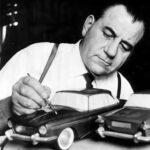
Pietro Frua
Pietro Frua was an Italian automotive designer and coachbuilder who established his own Turin-based company and became known for elegant, individually styled bodies for European manufacturers.
Explore record ↗Pio Manzù
Pio Manzu \(1939-1969\), trained at the Ulm School of Design, developed the Autonova concepts before joining Fiat as a consultant. His projects included the 1968 City Taxi and the original design of the Fiat 127, launched after his death in 1971.
Explore record ↗Simon Cox
Simon Cox designed the Cadillac Cien at General Motors' Advanced Design Studio in England. Unveiled at the 2002 Detroit motor show for Cadillac's centenary, the mid-engined concept combined angular bodywork with a prototype V12 developed by Cosworth and GM Powertrain, illustrating the studio's exploration of an American supercar.
Explore record ↗Tom Tjaarda
Tom Tjaarda \(1934–2017\) was an American-born designer who built his career in Turin. At Pininfarina he designed the Ferrari 330 GT 2+2 and Fiat 124 Spider\; his later work at Ghia included the De Tomaso Pantera. He also created the Chevrolet Corvette Rondine concept.
Explore record ↗Vehicles at a glance
- Related vehicles
- 727
- Concepts
- 106
- Prototypes
- 51
- One-offs
- 175
- Limited series
- 275
- Fuoriserie
- 29
- Series production
- 81
- Design proposals
- 9
Recorded vehicle awards
- Best of Show
- 7
- Class wins
- 12
- Class placings
- 2
- Public choice
- 2
- Special prizes
- 1
- Awards
- 6
CONTINUE EXPLORING
Related vehicles

FROM THE JOURNAL
Related Articles
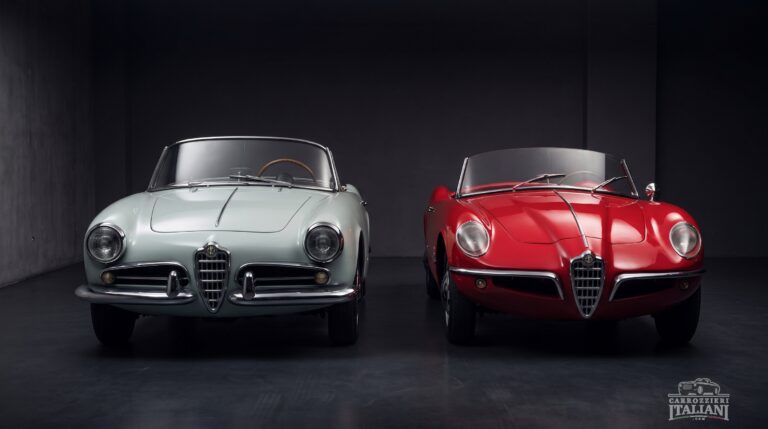
Alfa Romeo Giulietta Spider: The Bertone–Pininfarina Contest That Changed an Italian Icon
Before the familiar Pininfarina roadster, Alfa Romeo tested two very different ideas for its American future. The surviving prototypes tell a more complicated story than a simple victory and defeat.
Read story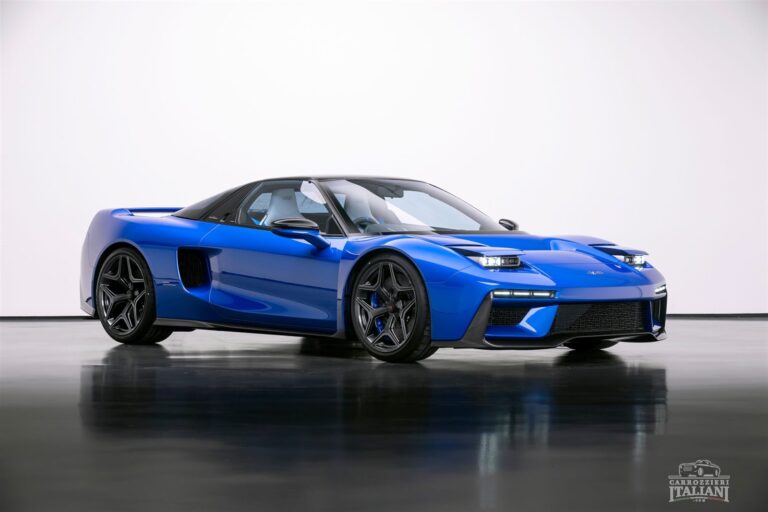
JAS Tensei Designed by Pininfarina: The Honda NSX Reborn
Unveiled on 8 October 2026, the JAS Tensei brings together the motorsport expertise of JAS Motorsport and the design heritage of Pininfarina, transforming the original Honda NSX into an exclusive, carbon-fibre-bodied supercar.…
Read story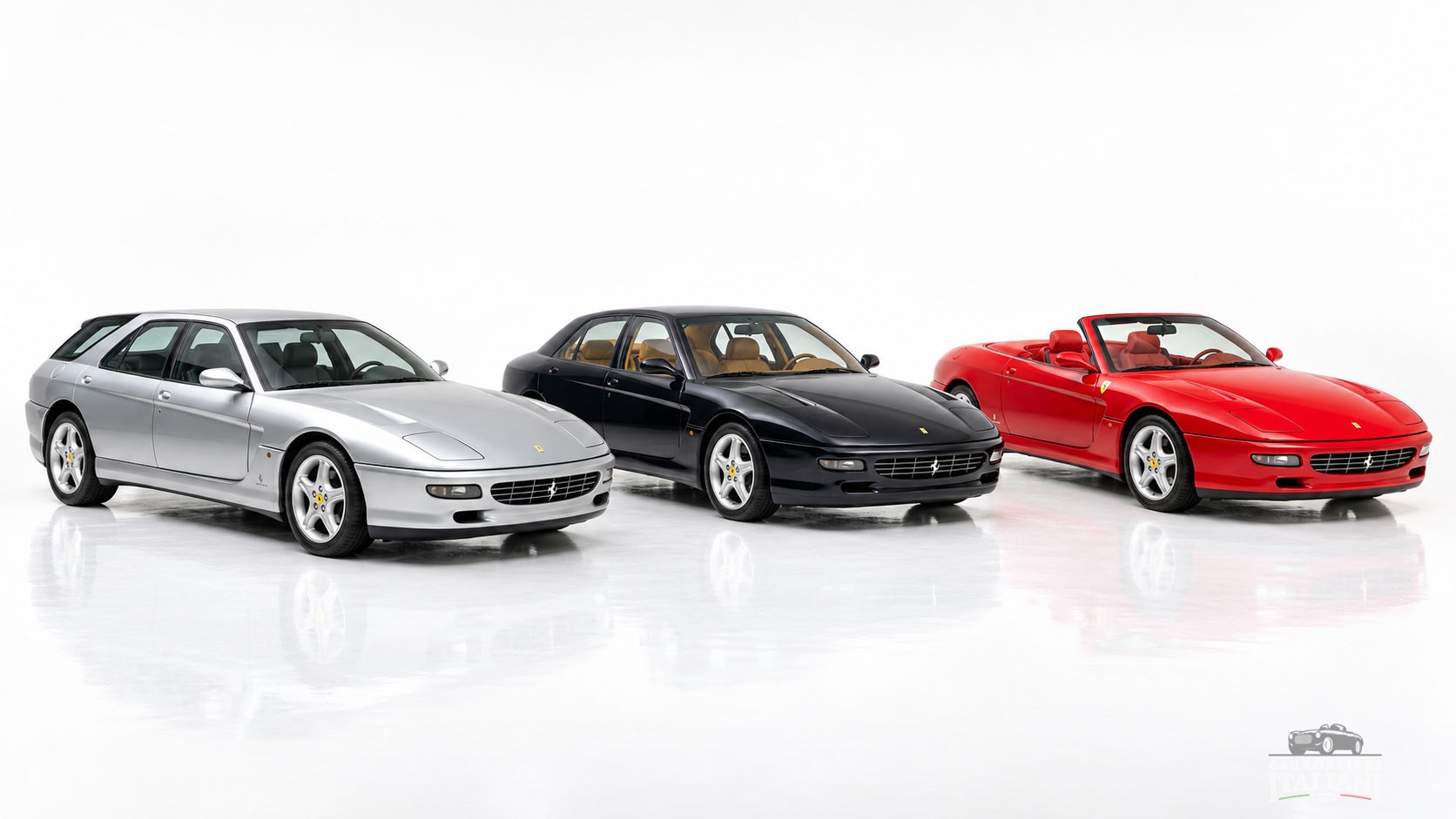
Ferrari 456 GT Venice: The Brunei Special Programme at Pininfarina
Estate, Saloon and Spider variants, Paolo Garella’s engineering role and the chassis currently documented by Carrozzieri-Italiani The Ferrari 456 GT was conceived as a modern return to Ferrari’s front-engined V12 2+2 tradition.…
Read story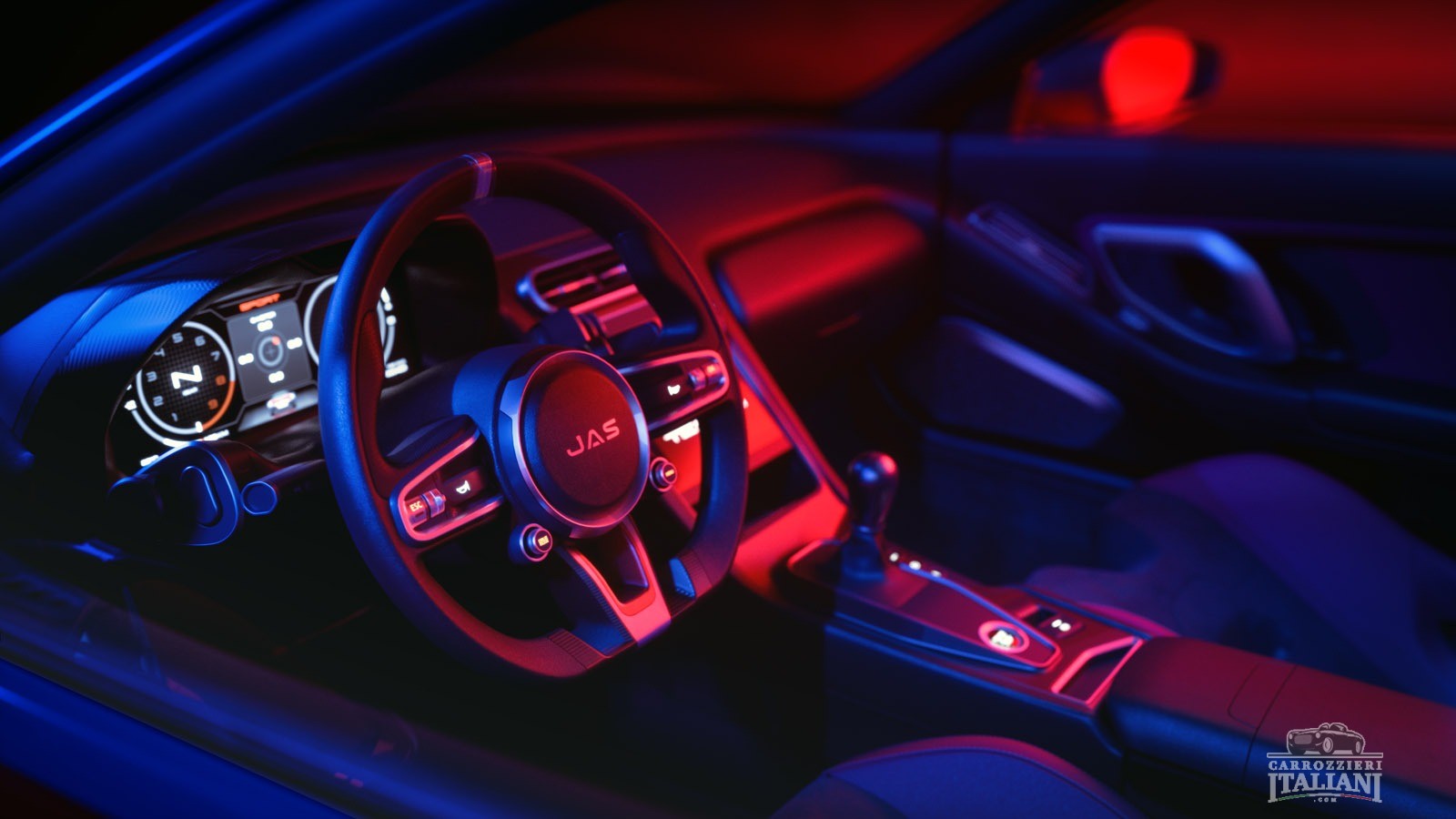
JAS Tensei by Pininfarina Reveals Its Final Design and Driver-Focused Interior
JAS Tensei by Pininfarina reveals its final carbon-fibre design and new cockpit ahead of its debut at the 2026 Paris Motor Show.
Read story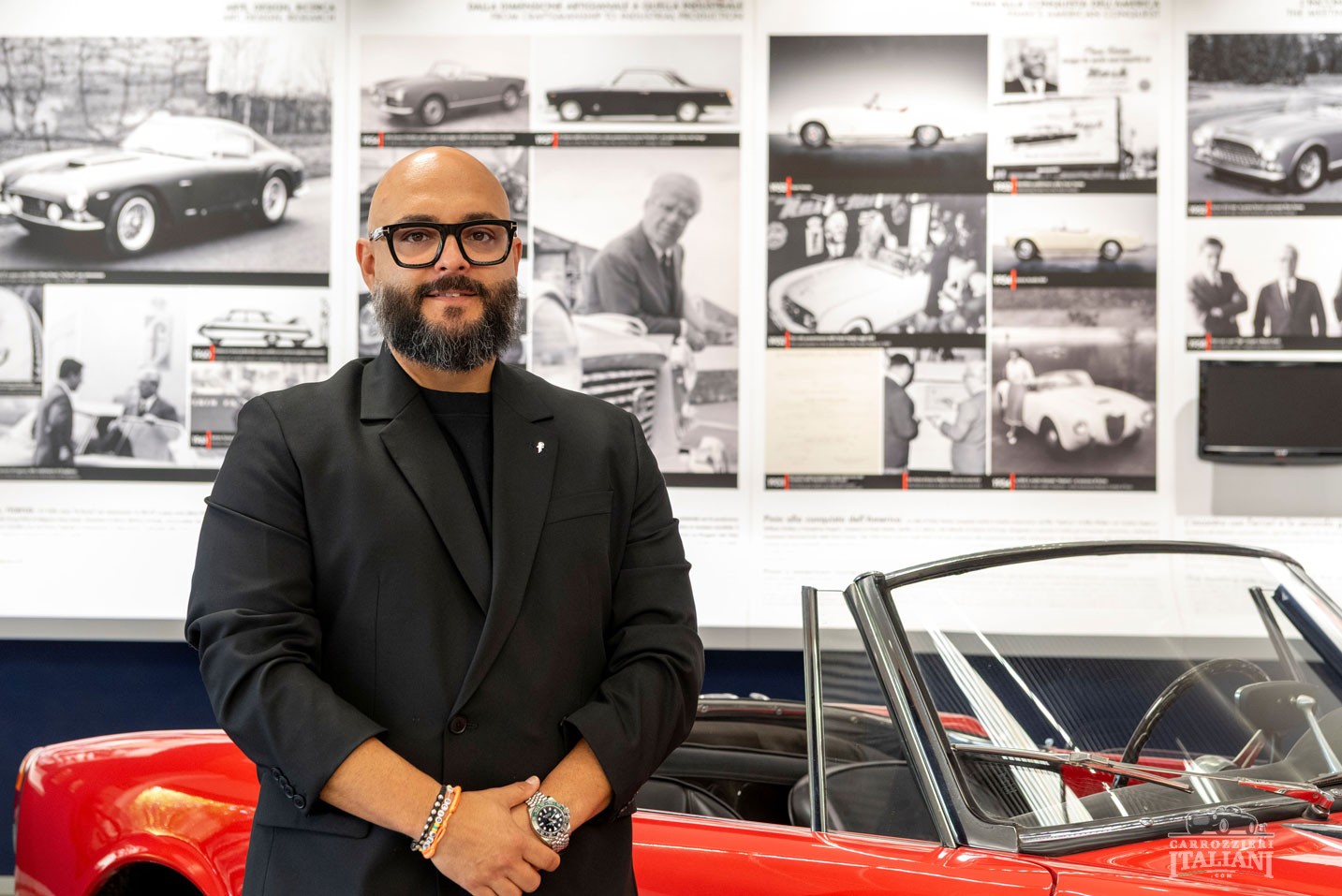
Davide Loris Amantea Named Chief Creative Officer of Pininfarina
Pininfarina names Davide Loris Amantea Chief Creative Officer, expanding his role to lead the company’s creative vision and Mobility Design activities.
Read story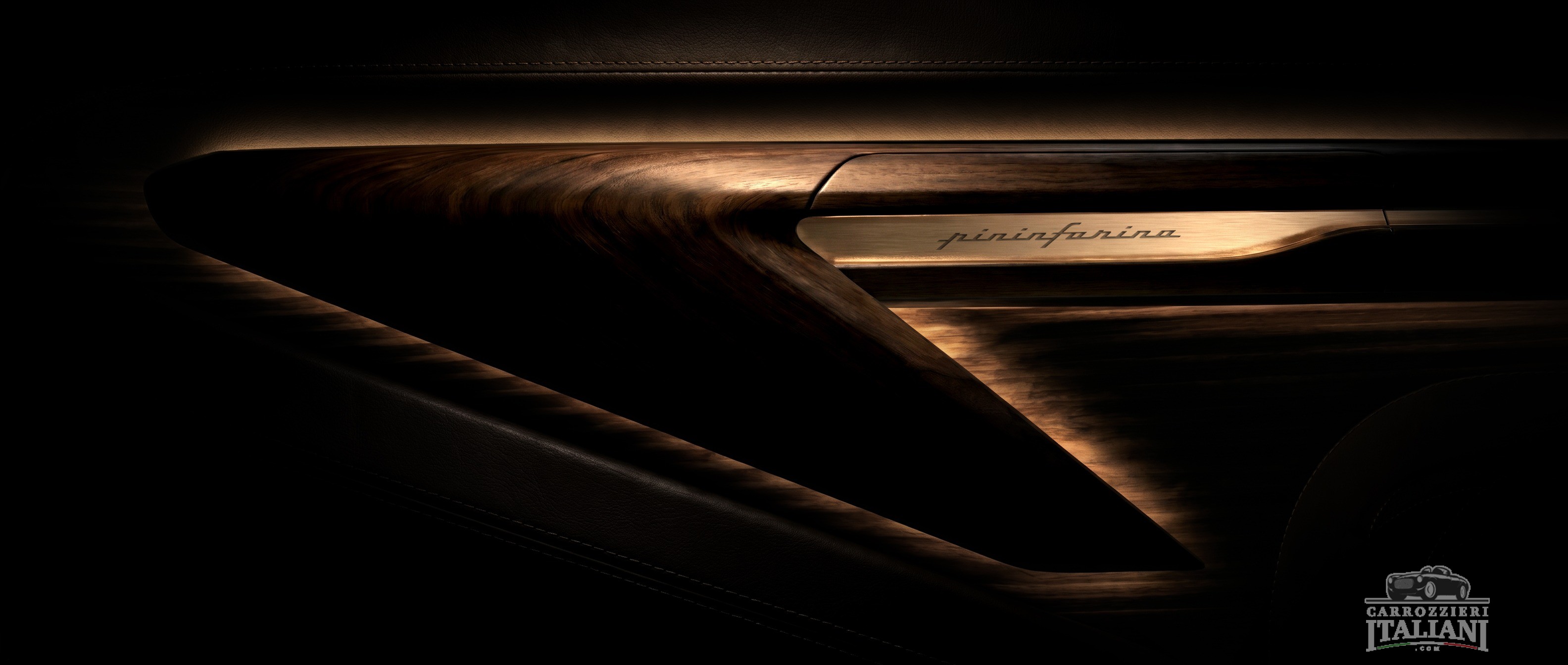
Pininfarina to Design the Interiors of Exclua’s Bespoke Luxury Vehicles
Pininfarina partners with Exclua to design bespoke interiors for luxury vans, combining executive comfort, privacy and extensive personalisation.
Read story
THE CONVERSATION
Comments 0