
Aldo Brovarone
AT A GLANCE
- Born
- 1926-06-24
- Birthplace
- Vigliano Biellese
- Died
- 2020-10-12
- Nationality
- Italian
- Occupation
- Automotive designer
- Active from
- 1950
- Studio
- Pininfarina
- Based in
- Turin, Italy
THE STORY
Overview
Aldo Brovarone (24 June 1926 – 12 October 2020) was an Italian automobile designer whose work linked the last years of Cisitalia with the post-war development of Pinin Farina and, later, independent projects in Turin. His career encompassed hand-built gran turismo bodies, experimental show cars and production models. Because many of these vehicles emerged from collaborative styling departments, individual authorship must be distinguished from studio responsibility and the work of the coachbuilder that physically manufactured the body.
From Biella to Argentina and Cisitalia
Born in Vigliano Biellese, Brovarone grew up in a region associated with the textile industry. His education and early working life were disrupted by the Second World War. In Argentina he found an opportunity to develop his drawing skills commercially and became involved with Piero Dusio’s Autoar venture, preparing illustrations and working on automobile styling. Dusio brought him back to Italy in 1953 to join Cisitalia. That brief period included design proposals associated with the Ford-powered 808XF programme and the compact 33 DF Voloradente. The coachwork, mechanical basis and individual designers of the different 808XF prototypes must not be conflated: the Vignale-bodied coupé and the Ghia prototype are distinct objects, and a blanket Brovarone attribution to all surviving Cisitalias is not justified.
The Pinin Farina years
Following Cisitalia’s financial collapse, Dusio introduced Brovarone to Battista Farina. He entered the Turin styling organisation in 1954, working alongside experienced colleagues including Francesco Salomone and Franco Martinengo, and subsequently rose to senior responsibility within its design office. An early, specifically documented achievement was the original design of the four-car Maserati A6GCS/53 Pinin Farina Berlinetta programme: an AISA historical monograph reproduces a drawing attributed directly to him. The attribution concerns the original closed-body design, not every later rebody or chassis history associated with these cars.
Ferrari grand tourers and the Dino
Brovarone developed a distinctive approach to proportion, surface continuity and aerodynamic restraint in Ferrari projects. His design authorship is documented for the Ferrari 400 Superamerica Coupé Aerodinamico family and the Ferrari 500 Superfast; those credits should not automatically extend to unrelated cabriolets or bespoke specials bearing similar names. The Dino Berlinetta Speciale of 1965 was a central element in the development of the later Dino 206 GT and 246 GT/GTS. The concept and production cars were separate phases, and the production programme also involved other designers and Scaglietti’s body-manufacturing work.
Alfa Romeo, Peugeot and Lancia
His experimental work on the Alfa Romeo Superflow proposals contributed to a design lineage that anticipated elements of the later Alfa Romeo Spider, commonly known as the Duetto. Brovarone himself distinguished his early proposal from the subsequent stages that brought the production model to market, so the Spider should not be assigned to him as its sole designer. Other Pininfarina projects included the Peugeot 504 saloon, which must be distinguished from the 504 Coupé and Cabriolet. A particularly clear manufacturer-supported attribution is the 1976 Lancia Gamma Coupé: Stellantis Heritage explicitly identifies Brovarone as the author of its exterior design. Its interior was developed by Piero Stroppa. This credit applies to the coupé and does not by itself establish personal authorship of the Gamma saloon or each later experimental derivative.
Design leadership and the Ferrari F40
As a senior figure at Pininfarina, Brovarone participated in projects that required supervision as well as drawing. The Ferrari F40 is an important example: recollections by those involved describe Pietro Camardella’s principal styling execution, Brovarone’s supervisory and design contributions and Leonardo Fioravanti’s management and design direction, alongside Ferrari’s engineering work under Nicola Materazzi. The resulting car should not be reduced to a single unqualified individual designer credit.
Stola, Studiotorino and the later years
After leaving Pininfarina in the late 1980s, Brovarone continued to draw and advise on projects associated with the Stola family. The Fiat Dedica, developed from the Fiat Barchetta and shown in 1996, and the 1998 Abarth Monotipo belong to this later chapter. His work also extended to the RUF RK Spyder and its coupé counterpart for Studiotorino, where the design, mechanical development and construction involved different partners. Brovarone continued to work by hand rather than abandoning the traditional drawing practice. He died in Turin on 12 October 2020; his design legacy is also preserved through family-held material and specialist historical research.
THE NETWORK
Shared vehicle credits


KEY MOMENTS
Timeline
-
Birth of Aldo Brovarone
Vigliano Biellese, Italy
-
Career begins
-
Death of Aldo Brovarone
Turin, Italy
AWARDS & RECOGNITION
Palmarès
Vehicle awards
- Best of Show
- 4
- Car of the Year
- 1
- Class wins
- 7
- Public choice
- 1
- Special prizes
- 2
15 vehicle award records
Class Winner
Ferrari Dino 206 GTClass Winner - Class D
Ferrari 365 P Berlinetta SpecialeChassis 8971
Concorso d'Eleganza Villa d'Este 2022
Class D
Ferrari People's Choice Award
Ferrari 365 P Berlinetta SpecialeChassis 8971
Overall Outstanding Ferrari Granturismo
Ferrari 365 P Berlinetta SpecialeChassis 8971
Palm Beach Cavallino Classic Concorso d'Eleganza 2022
Granturismo
Class Winner
Ferrari Dino 246 GTClass Winner
Ferrari 365 P Berlinetta SpecialeSpecial Prize
Ferrari 410 4.9 Super fastClass Winner
Ferrari 410 4.9 Super fastSpecial Prize
Ferrari 375 America Coupé SpecialeClass Winner
Ferrari 375 America Coupé SpecialeEurope Car of The Year
Peugeot 504Best of Show — chassis 2809 SA
Ferrari 400 SuperamericaConcorso Internazionale d'Eleganza per Autovetture – Rimini 1961
Best of Show
Lancia Aurelia PF200 VenturaClass Winner
Maserati A6GCS BerlinettaBest of Show
Maserati A6GCS Berlinetta
CONTINUE EXPLORING
Related vehicles





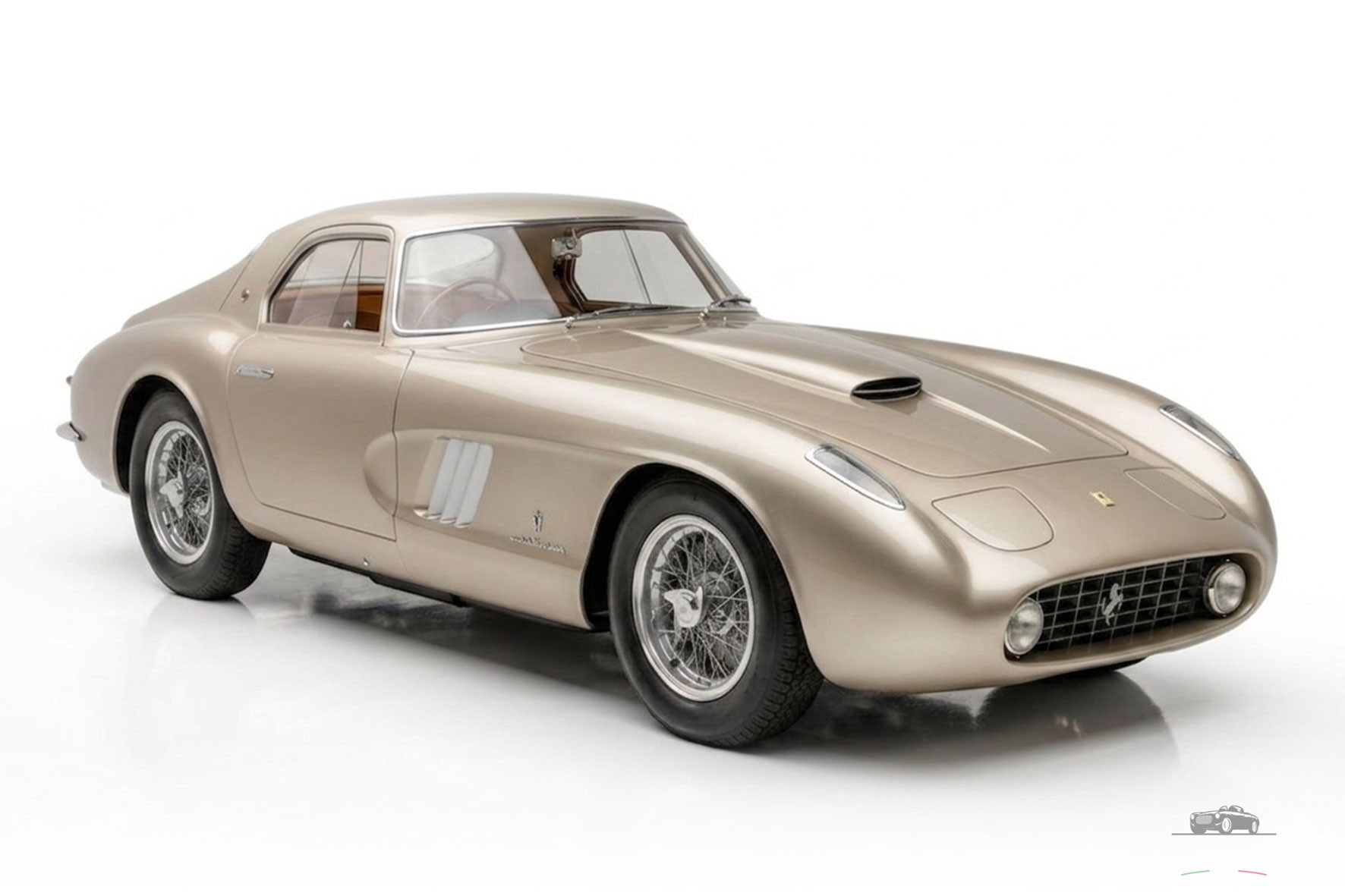
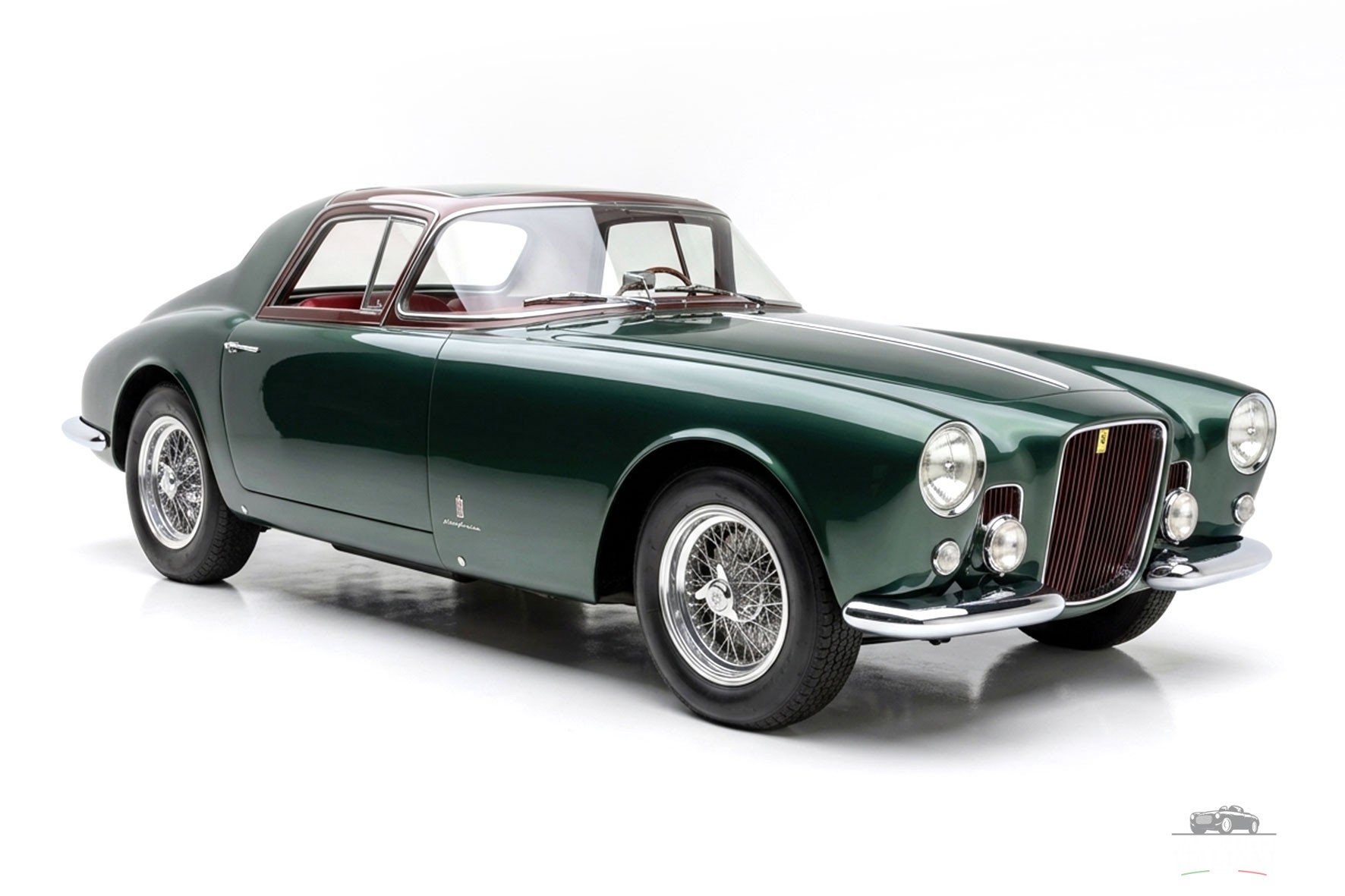
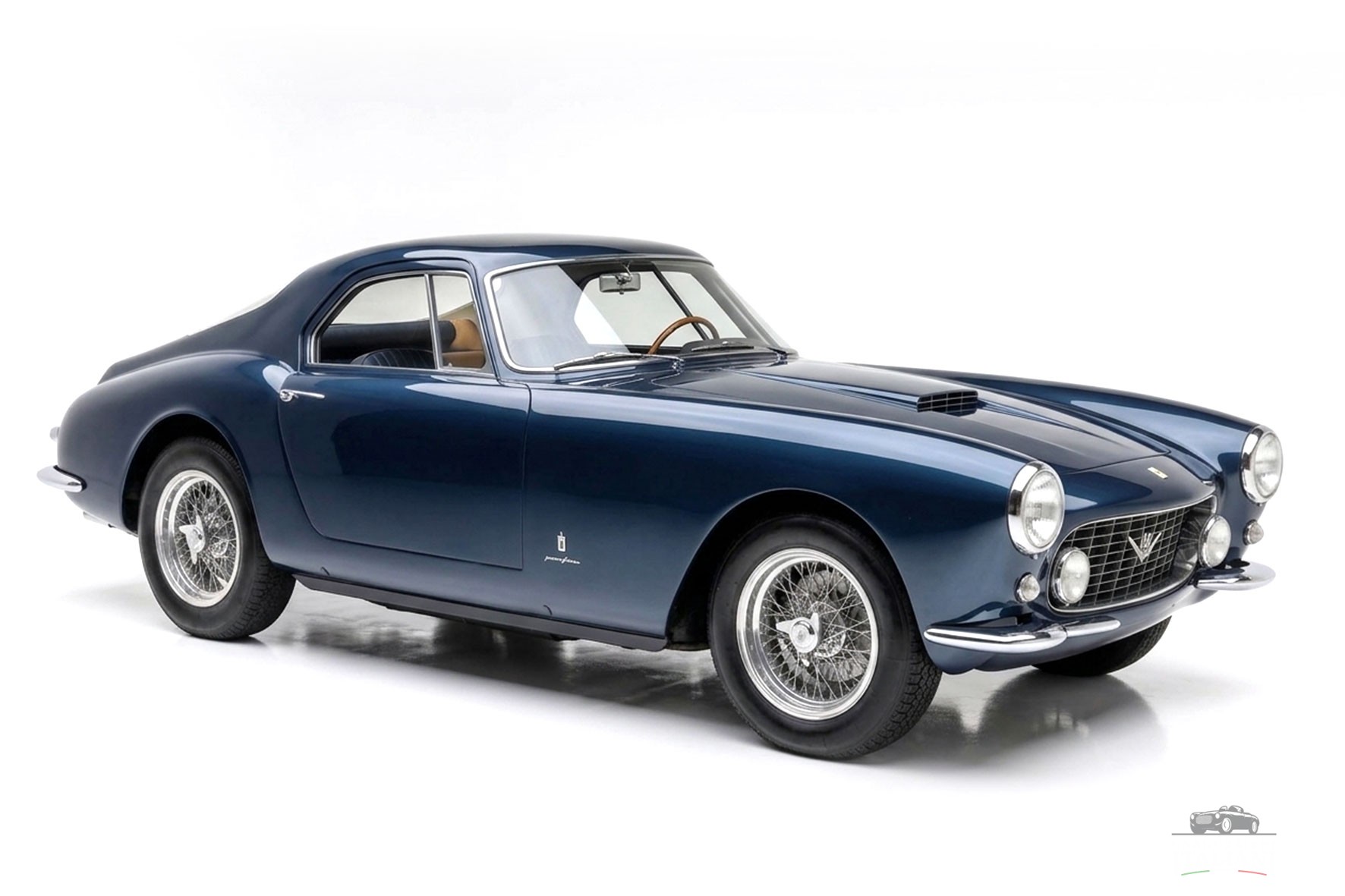
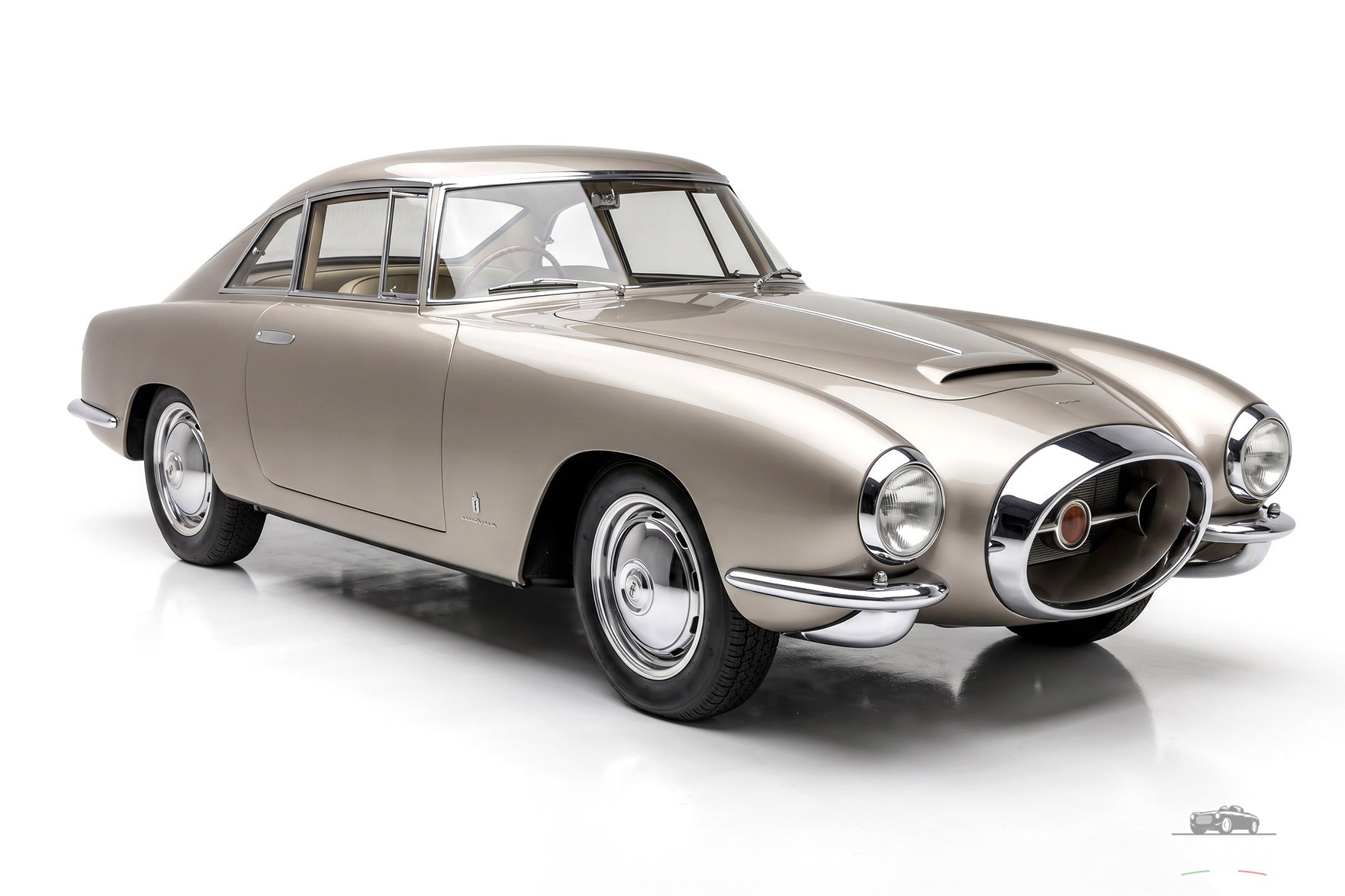
CONTINUE READING
Related articles
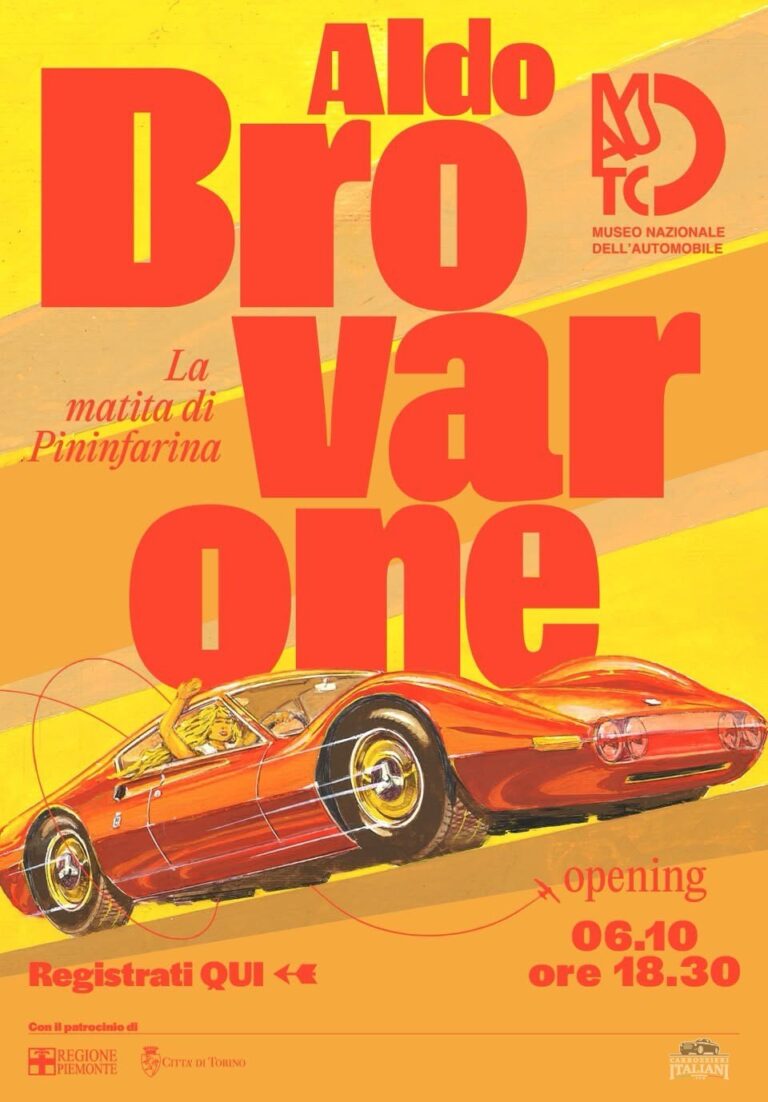
MAUTO to Celebrate Aldo Brovarone with New Exhibition in Turin
The Museo Nazionale dell’Automobile in Turin will open a new exhibition dedicated to Aldo Brovarone, one of the most distinctive figures in post-war Italian automotive design.
Read story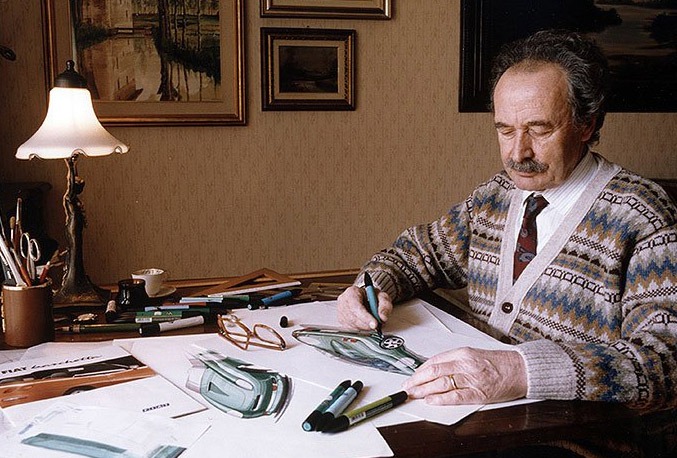
Aldo Brovarone: The Quiet Master of Elegance
Aldo Brovarone, the humble stylist behind Pininfarina’s greatest icons, from the Ferrari Dino to the Peugeot 504 and Lancia Gamma.
Read story
THE CONVERSATION
Comments 0