
Ghia
AT A GLANCE
- Founded
- 1916
- Historical city
- Turin
- Country
- Italy
AWARDS & RECOGNITION
Palmarès
Vehicle awards
- Best of Show
- 10
- Class wins
- 42
- Public choice
- 2
- Special prizes
- 10
- Awards
- 2
66 vehicle award records
Class Winner
Ferrari 212 Inter GhiaClass Winner
De Tomaso MangustaSpecial Prize
Fiat 8V SupersonicClass Winner
Chrysler Styling SpecialChassis C51834214
Amelia Island Concours d Elegance 2026
Best in Show
Chrysler Styling SpecialBest of Show Gran Turismo
Ferrari 375 MM Coupé SpecialeClass Winner
Dual-Ghia ConvertibleClass Winner
Moretti 750 Gran SportClass Winner
Chrysler Styling SpecialChassis C51834214
Virgil Exner Early
Class Winner - M-1 Ferrari Early
Ferrari 375 MM Coupé SpecialeChassis 0476AM
M-1 Ferrari Early
Special Prize
Fiat 8V SupersonicSpecial Prize
Jaguar XK120 SupersonicClass Winner
Lancia Aprilia SupergioielloBest of Show
Chrysler GS-1 GhiaSpecial Prize
Alfa Romeo 6C 2500 SS Supergioiello2019 Pebble Beach
Most Elegant Closed Car
Alfa Romeo 6C 2500 SS SupergioielloChassis 0064251
Class Winner
Alfa Romeo 6C 2500 SS SupergioielloChassis 0064251
Award by Public Referendum
Fiat 8V SupersonicClass Winner
Abarth 1100 SportClass Winner
Alfa Romeo 6C 2500 Sport GhiaBest in Show del pubblico
De Tomaso 7X MontellaOverall Class Winner — Show Cars
De Tomaso 7X MontellaShow Cars
Originality and Restoration — Show Cars
De Tomaso 7X MontellaShow Cars
Class Winner
Fiat 8V SupersonicBest Restoration
De Tomaso 7X MontellaClass Winner
De Tomaso 7X MontellaClass Winner
Alfa Romeo 6C 2500 SS SupergioielloBest of Show
Chrysler GS-1 GhiaClass Winner
Fiat 1100 E SupergioielloXII Concorso Internazionale Eleganza Autovetture – Coppa Campione d'Italia 1955
Class Winner
Alfa Romeo 1900C Sprint SupergioielloClass Winner
Jaguar XK120 SupersonicBest of Show
Jaguar XK120 SupersonicSpecial Prize
Fiat 1400 B JuniorClass Winner
Rolls-Royce Silver Dawn GhiaBest of Show
Rolls-Royce Silver Dawn GhiaClass XII — Lancia Aurelia Ghia (chassis to verify)
Lancia Aurelia B52 GhiaV Concorso Internazionale di Eleganza – Pincio 1951
XII C — Group II, closed special coachwork up to 2000 cc
Special Prize
Fiat 1400 Supergioiello2° Concorso Internazionale di Eleganza per Autovetture – Lido di Venezia 1950
Class Winner
Lancia Aprilia Spider Basso2° Concorso Internazionale di Eleganza per Autovetture – Lido di Venezia 1950
Class Winner
Alfa Romeo 6C 2500 SS SupergioielloSpecial Prize
Fiat 1400 SupergioielloClass Winner
Fiat 1500 SupergioielloClass Winner
Fiat 1100 E GioielloClass Winner
Fiat 1100E SupergioielloClass Winner
Lancia Aprilia Spider BassoClass Winner
Alfa Romeo 6C 2500 Sport Berlina GhiaCoppa d'Oro — Jury top prize (Ghia saloon identity to verify)
Alfa Romeo 6C 2500 Sport Berlina GhiaConcorso d'Eleganza Villa d'Este 1949
Jury overall prize
Class Winner
Alfa Romeo 6C 2500 SS Cabriolet GhiaClass Winner
Fiat 1500 SupergioielloClass Winner
Alfa Romeo 6C 2500 Sport Berlina GhiaSpecial Prize
Alfa Romeo 6C 2500 SS Cabriolet GhiaClass Winner
Fiat 1500 Cabriolet Gran SportClass Winner
Lancia Aprilia Gran Sport GhiaClass Winner
Fiat 1500 Cabriolet Gran SportClass Winner
Fiat 1500 Coupé Sport GhiaSpecial Prize
Fiat 1500 Cabriolet Gran SportClass Winner
Fiat 1500 Coupé Sport GhiaBest of Show
Fiat 1500 Coupé Sport GhiaClass Winner
Fiat 1500 Cabriolet Gran SportBest of Show
Fiat 1500 Cabriolet Gran SportClass Winner
Fiat 1500 Berlinetta Aerodinamica GhiaClass Winner
Fiat 6C 1500 Coupé GhiaClass Winner
Lancia Augusta GS Spider GhiaClass Winner
Fiat 508 S Balilla Coppa d’OroIV Concorso Internazionale per Automobili – Coppa d'Oro Villa d'Este 1932
Class Winner
Fiat 508 Balilla Coupé-Spider SportIV Concorso Internazionale per Automobili – Coppa d'Oro Villa d'Este 1932
Class Winner
Itala 65 GhiaConcorso Internazionale d'Eleganza per Automobili – Coppa d'Oro Villa d'Este 1929
Best of Show
Lancia Lambda Cabriolet Ghia
THE STORY
Overview
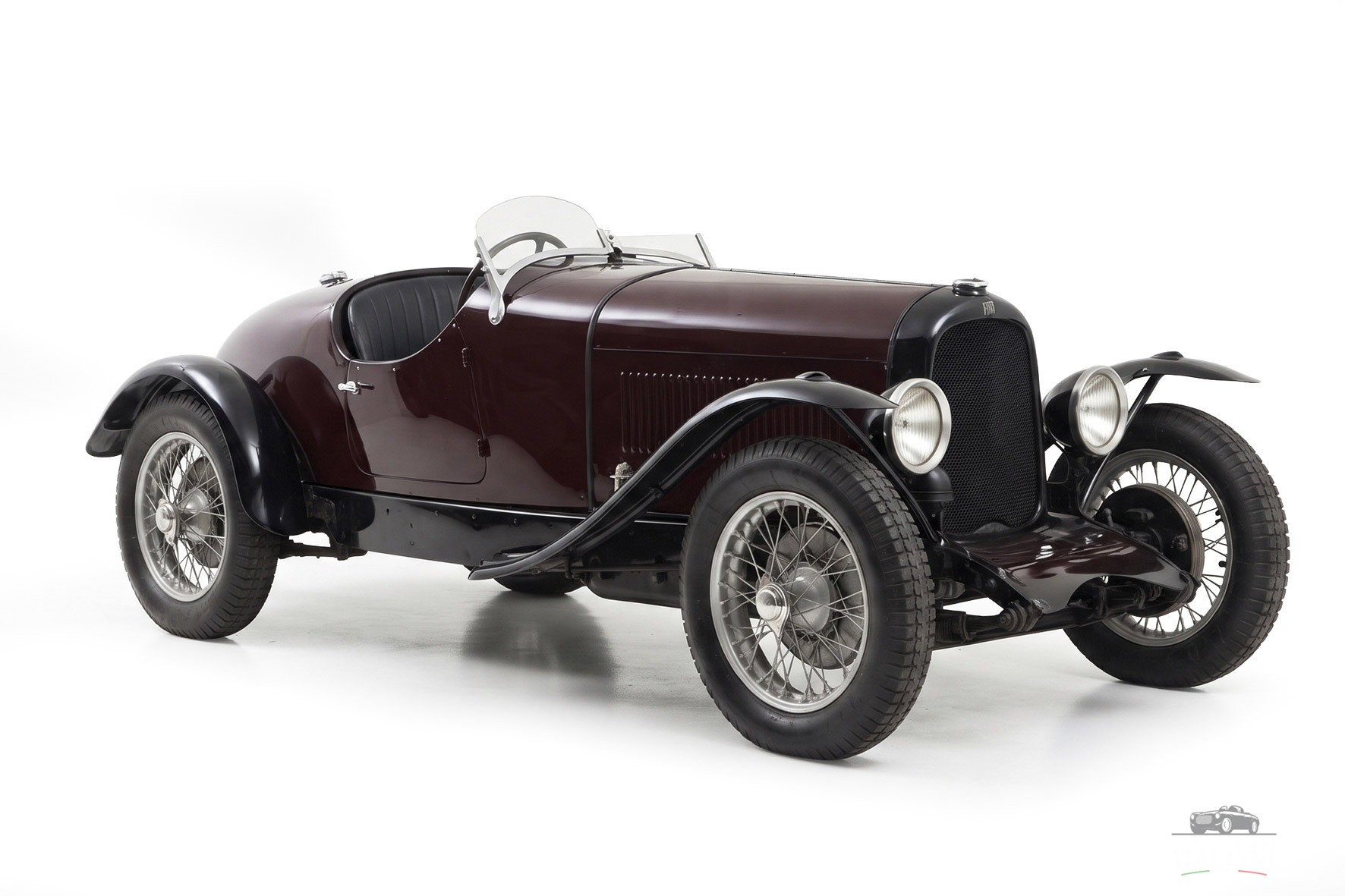
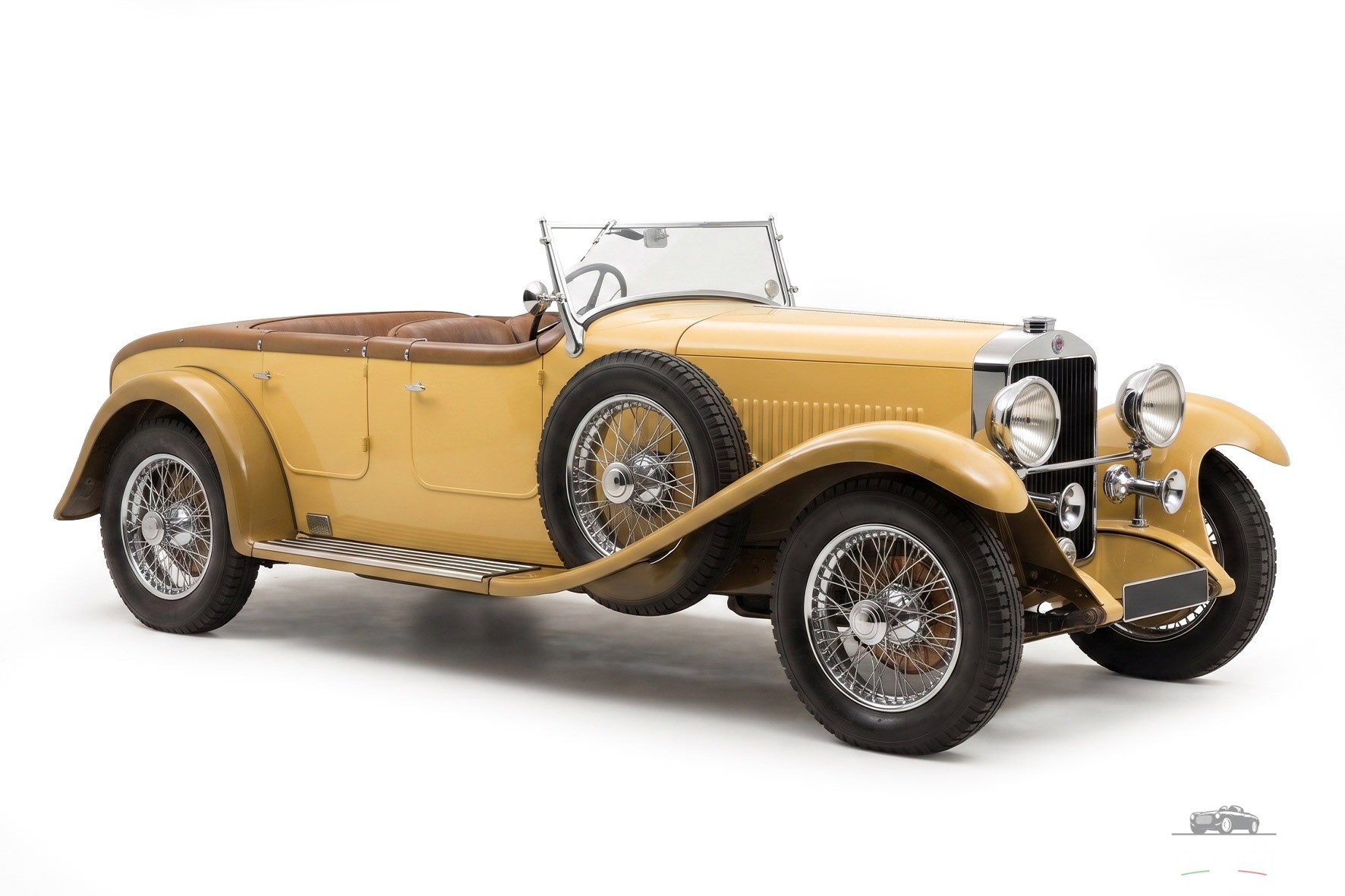
Carrozzeria Ghia cars represent some of the most influential and elegant automotive designs ever created. Founded in 1916, Ghia began by producing lightweight aluminum bodies for Italian marques like the Alfa Romeo 6C 1500 andFiat 508 Balilla. These early Ghia cars, crafted in limited numbers, gained recognition for their performance in prestigious races like the Mille Miglia.
During World War II, the Ghia factory was destroyed in 1943. Giacinto Ghia oversaw the reconstruction but passed away in 1944. Under new leadership by Felice Mario Boano and Giorgio Alberti, Ghia expanded its influence by collaborating with Italian and international automakers. This era marked the creation of numerous exclusive Ghia cars, including custom-built prototypes and small series production models.
From 1950 to 1956, Ghia contributed to Ferrari’s bodywork designs. However, its partnerships with American giants like Ford and Chrysler propelled Ghia to global fame. The collaboration with Chrysler and designer Virgil Exner produced many unique models, including the Crown Imperial and the iconic Lincoln Futura, which later became the Batmobile. Another significant design, the ultra-luxury Norseman, was tragically lost during the sinking of the Andrea Doria before its public debut.
Ghia also established joint ventures, such as Ghia-Aigle in Switzerland (1948) and Dual-Ghia in the United States (1956). Under Luigi Segre’s leadership in the 1950s, Ghia designed the legendary Volkswagen Karmann Ghia, a coupe and cabriolet built on the Beetle platform and assembled by Karmann in Germany. Other standout models from this era include the Renault Caravelle, Renault Floride, Volvo P1800, and Fiat 1500 GT.
After Segre’s death in 1963, Ghia changed ownership several times before being acquired by Alejandro de Tomaso. This period saw the creation of the iconic De Tomaso Pantera. Economic challenges led to the company’s sale to Ford in 1973, which marked the end of its coachbuilding operations. Ghia became Ford’s design center, contributing concepts like the Ghia Saetta, which inspired the Ford StreetKa.
Between 1973 and 2010, Ford used the Ghia name to represent its most luxurious trims. For example, the Ghia trim for the Fiesta was a staple in the British market for over 30 years. In 2010, Ford retired the Ghia name, replacing it with the Titanium trim.
Over the decades, nearly 400 Ghia cars have been designed and built, each showcasing timeless innovation and style. For a deeper dive into the history of all Ghia cars, explore our comprehensive article covering the legacy of this legendary design house.
KEY MOMENTS
Timeline
-
Birth of Giacinto Ghia
Turin, Italy
-
Foundation of Ghia
Turin, Italy
-
Ghia’s Turin factory is destroyed by wartime bombing
Turin, Italy
-
Mario Felice Boano and Giorgio Alberti take over Ghia
Turin, Italy
-
Death of Giacinto Ghia
Turin, Italy
-
Luigi Segre takes leadership of Ghia
Turin, Italy
-
Ghia relocates to Via Agostino da Montefeltro
Turin, Italy
-
Rowan and De Tomaso acquire control of Ghia
Turin, Italy
-
Carrozzeria Vignale is sold to Ghia
Grugliasco / Turin, Italy
-
Ford takes control of Ghia
Turin, Italy
PEOPLE & DESIGN
Designers
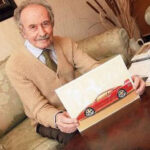
Aldo Brovarone
Aldo Brovarone was an Italian automotive stylist associated with Pininfarina, contributing to the Turin firm's post-war tradition of refined sports cars and experimental design.
Explore record ↗Billie Brownlie
American automotive designer and Chrysler Imperial styling manager credited with the 1956 Norseman concept built by Ghia in Turin.
Explore record ↗Dave Scott
Dave Scott was an American Plymouth studio designer credited with the 1956 Plainsman concept wagon, built by Ghia under Chrysler's styling programme.
Explore record ↗Elwood Engel
Elwood Engel was an American automotive designer associated with the 1961 Lincoln Continental and the Chrysler Turbine Car styled under his direction.
Explore record ↗Emanuele Nicosia
Emanuele Nicosia (1953–2016) was an Italian automotive designer whose work included Ghia's Ford Pockar and projects at Pininfarina and Beestudio.
Explore record ↗Ercole Spada
Ercole Spada (1937–2025) was an Italian automotive designer associated with Zagato, BMW and I.DE.A Institute and co-founder of Spadaconcept.
Explore record ↗View all 30 designers
Aldo Brovarone
Aldo Brovarone was an Italian automotive stylist associated with Pininfarina, contributing to the Turin firm's post-war tradition of refined sports cars and experimental design.
Explore record ↗Billie Brownlie
American automotive designer and Chrysler Imperial styling manager credited with the 1956 Norseman concept built by Ghia in Turin.
Explore record ↗Dave Scott
Dave Scott was an American Plymouth studio designer credited with the 1956 Plainsman concept wagon, built by Ghia under Chrysler's styling programme.
Explore record ↗Elwood Engel
Elwood Engel was an American automotive designer associated with the 1961 Lincoln Continental and the Chrysler Turbine Car styled under his direction.
Explore record ↗Emanuele Nicosia
Emanuele Nicosia (1953–2016) was an Italian automotive designer whose work included Ghia's Ford Pockar and projects at Pininfarina and Beestudio.
Explore record ↗Ercole Spada
Ercole Spada (1937–2025) was an Italian automotive designer associated with Zagato, BMW and I.DE.A Institute and co-founder of Spadaconcept.
Explore record ↗Fedele Bianco
Fedele Bianco was an Italian automotive stylist active in Turin, with documented work at Ghia and Pinin Farina during the 1940s.
Explore record ↗Filippo Sapino
Filippo Sapino (born 1940) is an Italian designer who worked at Ghia and Pininfarina and directed Ford-era Ghia design operations until 2001.
Explore record ↗Franco Maina
Franco Maina is an Italian automotive designer and artist associated with Savigliano.
Explore record ↗Gary Braddock
Gary Braddock was an automotive designer whose professional career included Ford and the Ghia styling organisation.
Explore record ↗Gian Paolo Boano
Gian Paolo Boano is an automotive designer and design executive associated with Carrozzeria Boano and Fiat Centro Stile. His design career is distinct from Mario Felice Boano’s management role.
Explore record ↗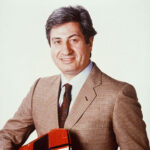
Giorgetto Giugiaro
Giorgetto Giugiaro is an Italian automotive and industrial designer whose career includes Italdesign and GFG Style, with a lasting influence on production-car and concept-car design.
Explore record ↗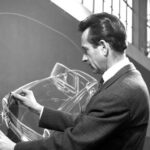
Giovanni Michelotti
Giovanni Michelotti was a prolific Italian automotive designer whose independent Turin studio produced coachwork and production-car designs for Vignale, Triumph, BMW and numerous other manufacturers.
Explore record ↗Giovanni Savonuzzi
Giovanni Savonuzzi was an Italian engineer and automotive designer associated with Cisitalia and Ghia, contributing to influential aerodynamic prototypes and bespoke sports cars.
Explore record ↗Marc Newson
Marc Newson is an Australian industrial designer who created the Ford 021C concept, unveiled at the 1999 Tokyo Motor Show and built by Ghia in Turin. With its minimal forms, pillarless cabin and drawer-like boot, the car translated his furniture and product-design approach into an unconventional urban vehicle.
Explore record ↗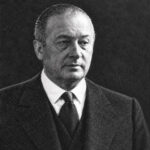
Mario Revelli di Beaumont
Mario Revelli di Beaumont was an Italian automotive designer, active from the interwar period to the postwar era. He collaborated with Stabilimenti Farina, Ghia, Viotti and Bertone, and worked on projects for Fiat and Simca.
Explore record ↗Moray Callum
Moray Callum is a Scottish automotive designer and the younger brother of Ian Callum. After working with Chrysler and Ghia, he joined Mazda, where he led design in Japan, before moving to Ford. As Ford global design vice-president, he oversaw the design organisation responsible for cars, trucks and SUVs.
Explore record ↗Paolo Martin
Paolo Martin worked with Giovanni Michelotti before joining Bertone and Pininfarina. At Pininfarina he developed the Ferrari 512 S Modulo and Fiat 130 Coupe, and also worked on the Rolls-Royce Camargue. He later became styling director at Ghia.
Explore record ↗Patrick Le Quément
Patrick Le Quément is a French automobile designer who led Renault design and redefined the brand visual identity.
Explore record ↗Paul Breuer
Paul Breuer is a Belgian designer who joined OSI in Turin in 1966 and subsequently worked at Fiat and Ford's Ghia studio. At Open Design he collaborated on projects for Mitsubishi, Saab, SEAT and De Tomaso. Becoming independent in 1985, he expanded into boats, trains, caravans and industrial vehicles.
Explore record ↗Peter Brock
Peter Brock joined General Motors styling as a young designer and drew the proposal selected for the Corvette Sting Ray racer, developed by a team under Bill Mitchell. He subsequently designed the aerodynamic Shelby Cobra Daytona Coupe and established Brock Racing Enterprises, combining automotive design with motorsport engineering and racing.
Explore record ↗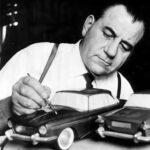
Pietro Frua
Pietro Frua was an Italian automotive designer and coachbuilder who established his own Turin-based company and became known for elegant, individually styled bodies for European manufacturers.
Explore record ↗Sergio Sartorelli
Sergio Sartorelli was an Italian automotive designer and engineer associated with Ghia, OSI and Fiat Centro Stile, contributing to Italian car styling from the 1950s onward.
Explore record ↗Taru Lahti
Taru Lahti is an American designer who created the Ford Ghia Focus roadster concept, shown in 1992. After studying automotive design at the College for Creative Studies, he worked in Ford's Detroit and Ghia studios. His later independent practice extended to sculpture, furniture and experimental fabrication.
Explore record ↗Tom Tjaarda
Tom Tjaarda \(1934–2017\) was an American-born designer who built his career in Turin. At Pininfarina he designed the Ferrari 330 GT 2+2 and Fiat 124 Spider\; his later work at Ghia included the De Tomaso Pantera. He also created the Chevrolet Corvette Rondine concept.
Explore record ↗Vehicles at a glance
- Related vehicles
- 390
- Concepts
- 116
- Prototypes
- 47
- One-offs
- 85
- Limited series
- 114
- Fuoriserie
- 10
- Series production
- 7
- Show cars
- 2
- Design proposals
- 7
Recorded vehicle awards
- Best of Show
- 1
- Class wins
- 6
- Public choice
- 1
- Special prizes
- 1
- Awards
- 2
CONTINUE EXPLORING

THE CONVERSATION
Comments 0