
Dave Scott
AT A GLANCE
- Nationality
- American
- Occupation
- Automotive designer
- Active from
- 1950s
- Studio
- Chrysler / Plymouth Studio
- Based in
- United States
THE STORY
Overview
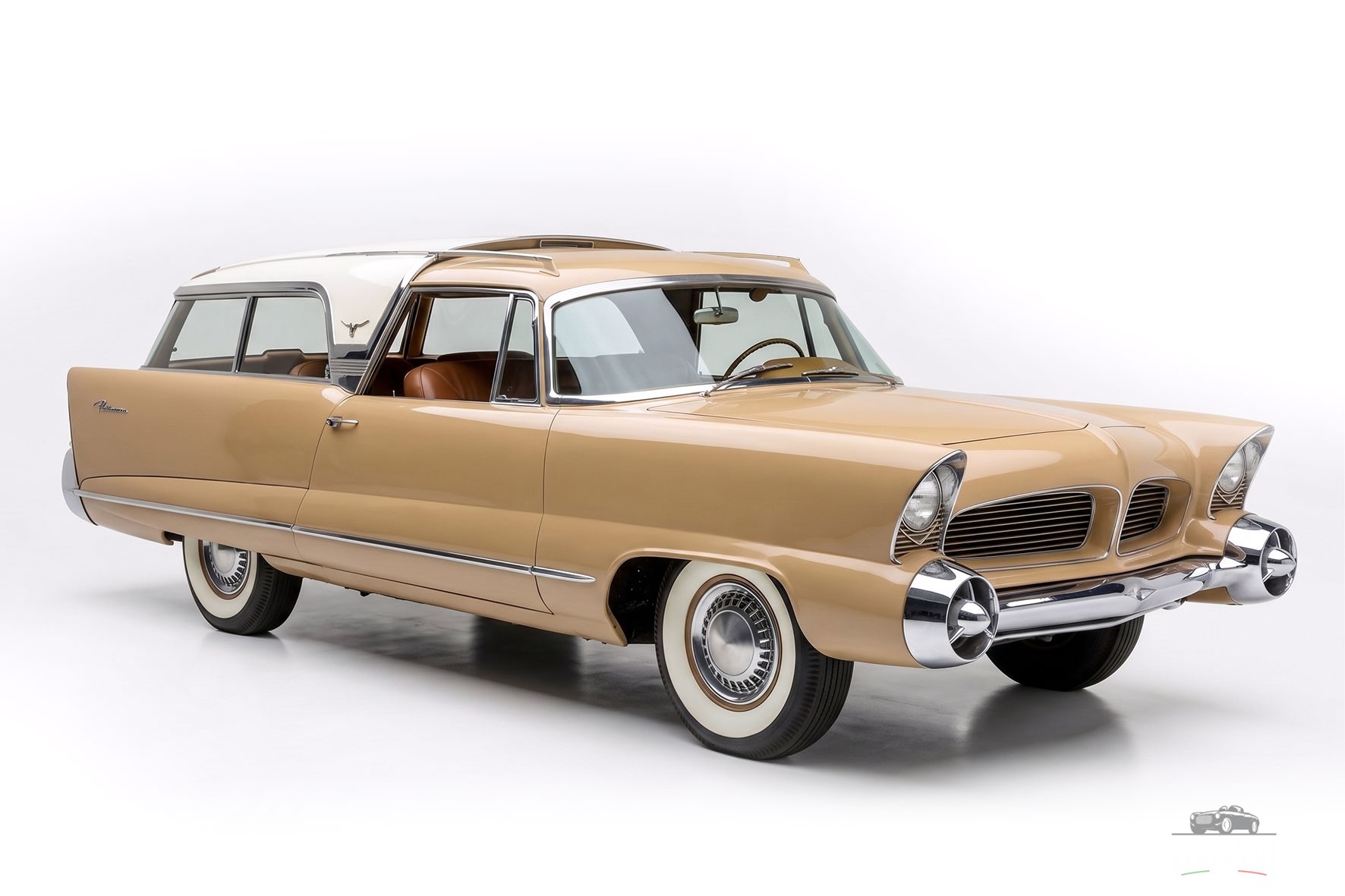
Dave Scott was an American automotive stylist active in the 1950s, documented as a designer in the Plymouth studio of Chrysler Corporation during Virgil Exner’s leadership of the company’s styling programme. Scott is principally associated with the 1956 Plymouth Plainsman, a two-door experimental station wagon designed in Detroit and constructed by Carrozzeria Ghia in Turin. Published historical accounts distinguish Scott’s project-level contribution from Exner’s corporate direction of styling and from Ghia’s responsibility for building the coachwork.
Chrysler and the Plymouth styling studio
Scott worked in the American automobile industry’s studio-based design system, in which brand styling groups developed proposals under the direction of senior executives. At Chrysler in the middle of the 1950s, Exner oversaw the broader design strategy associated with the Forward Look. Plymouth, Dodge, DeSoto and Chrysler maintained distinct identities, while selected experimental cars were developed to evaluate proportions, body types and features outside the normal production process. Scott’s documented contribution belongs to the Plymouth studio within this organisation. A retrospective published in 2010 also reports that he previously worked as a designer at Ford, although the precise dates and projects of that employment have not been independently established.
The Plymouth Plainsman commission
The Plainsman programme began as a proposal for a coupe de ville or town-car-style body. Historical design accounts attribute its initial conception to Scott and record that Exner suggested transforming it into a station wagon, reflecting the growing commercial importance of family wagons in the United States. The first sketches are reported to date from February 1954. The resultant design retained an experimental character while addressing practical transport requirements, combining an unusual two-door profile with multiple seating rows and extensive cargo accommodation. The car was intended as a functioning concept rather than a static display model.
Scott’s design incorporated a long, stepped roofline, a broad central pillar, stylised front and rear treatments, and a Western-themed presentation. The Plainsman’s exterior was finished in bronze and light-coloured roof surfaces, while its decorative motifs and interior materials referred to imagery associated with the American West. These details were part of a coordinated design programme rather than simply ornamental additions. The car’s distinctive proportions also provided space for a rear-facing third seat and an electrically operated rear window, features that contemporary and later accounts connect with Chrysler’s subsequent station-wagon development.
Execution by Carrozzeria Ghia
Carrozzeria Ghia of Turin was entrusted with translating the American styling proposal into a complete, running vehicle. Construction is reported to have begun in October 1954, and the finished Plainsman arrived in Detroit in December 1955. The coachbuilder’s work included fabrication, assembly and the resolution of practical problems encountered when the design was transformed into a full-size automobile. Accounts of the arrival describe the need for heavier suspension components because of the prototype’s substantial weight. Scott’s role as stylist should therefore remain distinct from Ghia’s work as body constructor and from the mechanical engineering performed for the project.
Public presentation in 1956
The completed Plainsman was introduced at the 1956 Chicago Auto Show as an experimental station wagon associated with Chrysler’s Plymouth division. It used a Plymouth-based chassis, carried seating for up to eight occupants and integrated features intended to demonstrate new possibilities for family transport. The concealed spare wheel, rear-facing seat and powered tailgate window were among the functional ideas described in period presentations and subsequent historical accounts. The vehicle was a single show car, not evidence of a production run or of a separately manufactured range of Scott-designed Plymouth wagons.
Authorship and historical attribution
Attribution of the Plainsman has varied in subsequent historical writing. Some auction and coachbuilding descriptions credit Virgil Exner as its designer, using the name of Chrysler’s senior stylist to represent the company’s design programme. Other histories specifically identify Dave Scott as the Plymouth studio stylist responsible for the car, while treating Exner as the supervising figure who proposed its change of body type. The different descriptions are not necessarily evidence of two unrelated designs: they reflect the distinction between individual studio work and executive design direction. Scott’s individual credit is supported by specialist histories and the legacy Plymouth Plainsman record, but the exact distribution of every styling decision has not been established from surviving original design drawings.
Survival and documentary record
The Plainsman survived its show-car use and later spent time outside the United States, including Cuba and Australia. It was modified during its subsequent life and eventually returned to the United States. Its history is recorded in auction catalogues, which identify the individual car by number 9999760. These records help establish the identity and continued existence of Scott’s documented project, but its later owners, engine changes and auction transactions are part of the vehicle’s provenance rather than Scott’s personal biography.
At present, the Plainsman is the securely identifiable vehicle at the centre of Scott’s published design record. Reliable public documentation sufficient to establish his birth and death dates or a complete list of other credited designs has not been located. No additional model attribution should be inferred solely from his employment within the Chrysler or Ford styling organisations.
THE NETWORK
Shared vehicle credits

CONTINUE EXPLORING

THE CONVERSATION
Comments 0