
Canta
AT A GLANCE
- Founded
- 1949
- Historical city
- Turin
- Country
- Italy
AWARDS & RECOGNITION
Palmarès
Vehicle awards
- Class wins
- 2
2 vehicle award records
THE STORY
Overview
Carrozzeria Canta was an Italian coachbuilding company established in Turin in 1949 by Sebastiano Canta. It produced special bodies and modified production cars, principally using Fiat mechanical components, and also worked on Lancia-based projects. The firm belonged to the network of small Turin workshops that supplied individual customers and short-run models during the post-war expansion of Italian automobile manufacturing.
Foundation and workshops
The company initially worked at Via Menabrea 22 in Turin. Contemporary and specialist records subsequently place Carrozzeria Canta S.p.A. at Via Bassano 11. The move reflected the growth of its coachbuilding and vehicle-conversion activities. Earlier Carrozzieri Italiani material gives 1946 as the foundation year, but the historical chronology and company research support 1949; a contemporary incorporation document has not yet been identified. Sebastiano Canta is identified as the founder, while the subsequent management and ownership succession is incompletely documented.
Fiat 1100 and the first special bodies
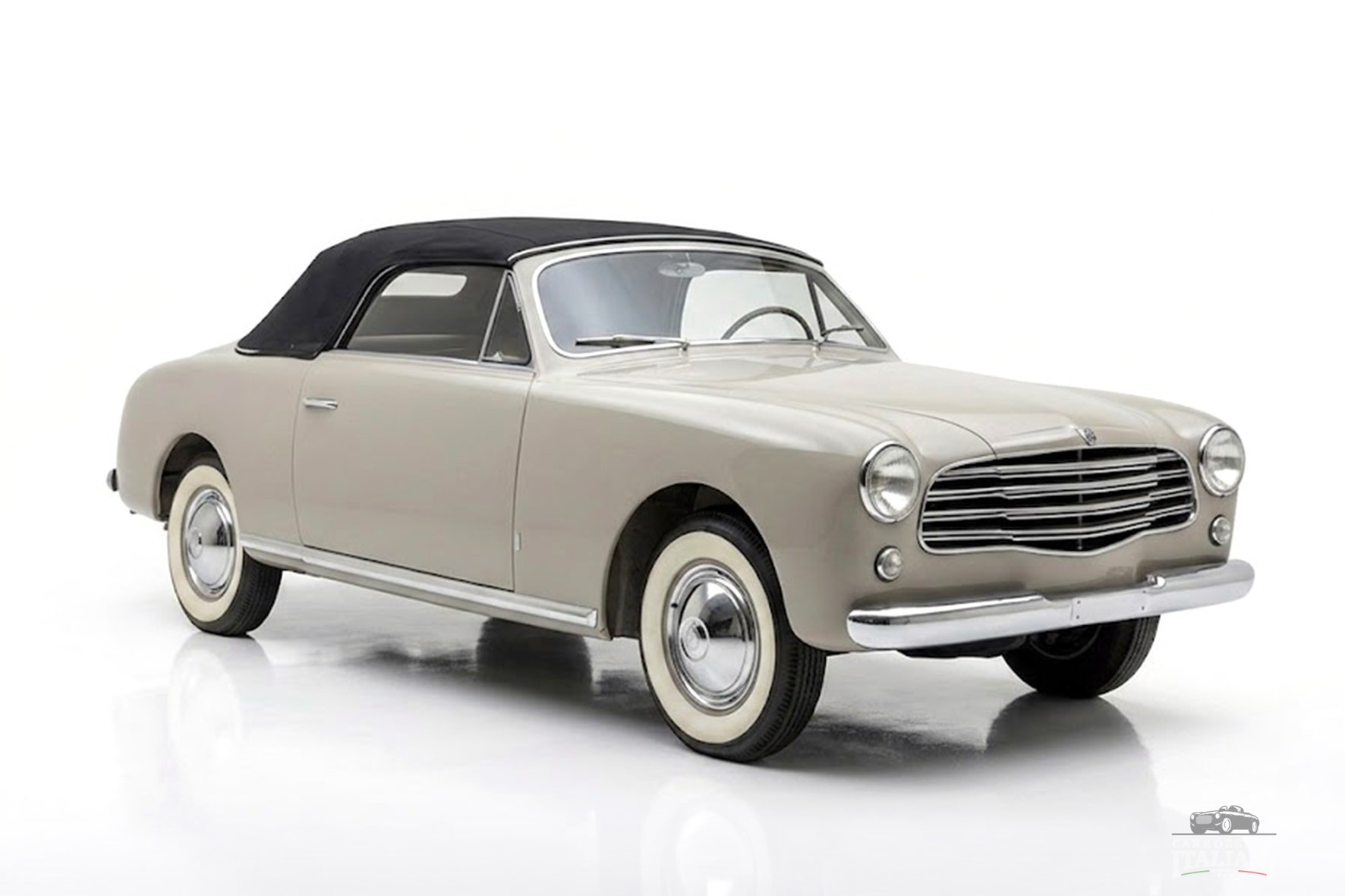
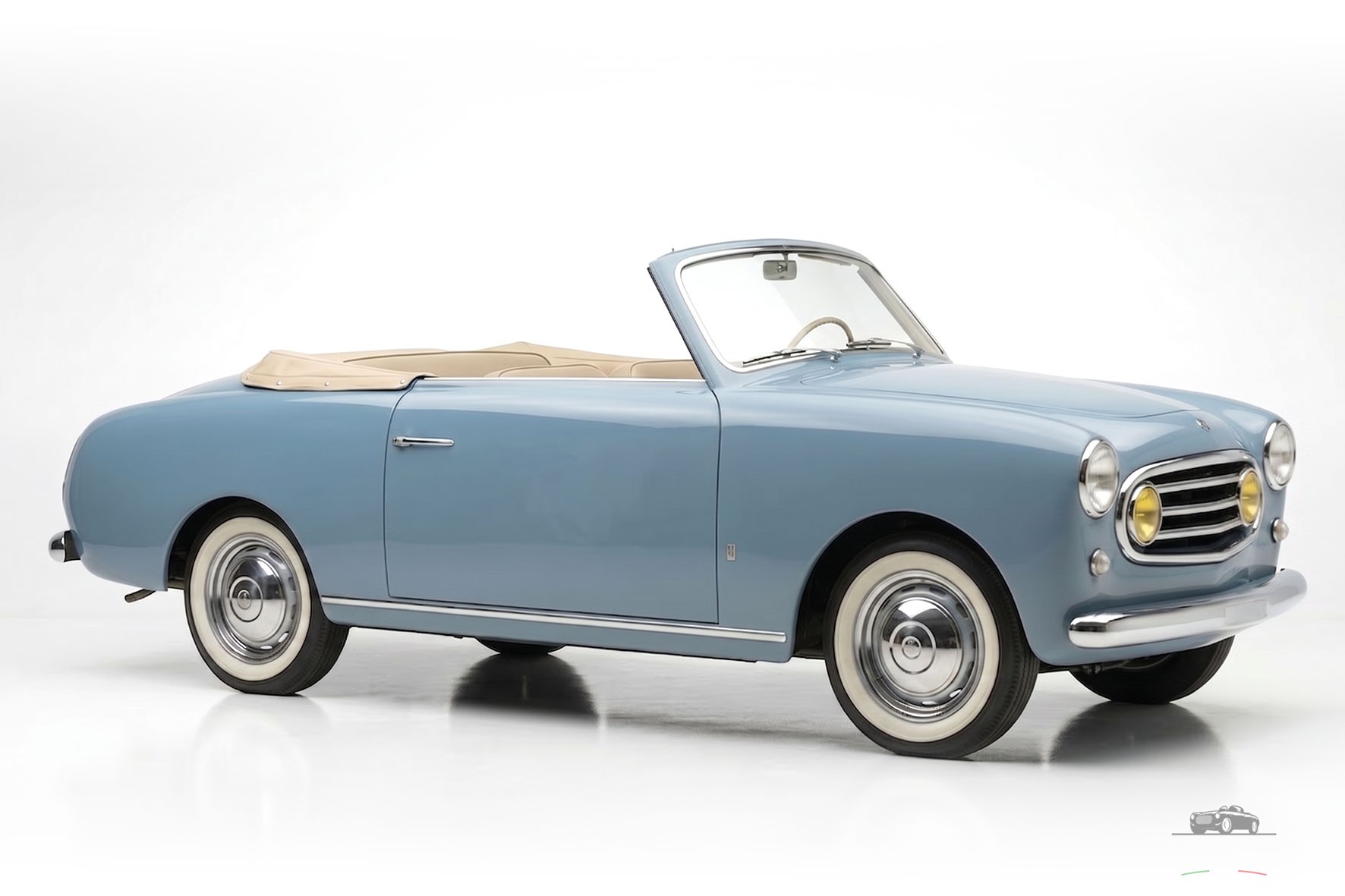
Canta’s first known projects included coupés and open bodies on the Fiat 1100 E. The Fiat 1100 Viareggio is associated with the 1949 Concorso d’Eleganza at Viareggio; the separately catalogued Fiat 1100 Cabriolet Viareggio should not be treated as the same body or automatically inherit its awards. Canta later developed special versions of the Fiat 1100/103, including the Fiat 1100/103 Coupé. A period illustration of a five-seat Fiat Nuova 1100 body identifies the company’s early Turin address.
The coachbuilder collaborated on certain projects with designer Giovanni Michelotti. The early Fiat 1100 TV Coupé and revised Fiat 1100 TV Coupé belong to a developing series of special designs rather than to two unrelated programmes. The early treatment drew comparisons with contemporary American Studebaker styling; the later version received a different front-end arrangement. A separate Fiat 1100 TV Trasformabile is documented for 1954, but its individual design attribution is not established with the same certainty.
Fiat 1400 and 1900 programmes
In the early 1950s Canta expanded its range to the Fiat 1400. Its Fiat 1400 Coupé is documented from 1951, with Michelotti associated with the design in historical accounts. The evolution of this group included a Fiat 1900 Coupé and a distinct Fiat 1900 Cabriolet in 1953. Their individual construction totals and exact chassis records remain unconfirmed. These cars illustrate the firm’s practice of applying specially designed coachwork to several related Fiat mechanical platforms without necessarily establishing a large-scale series.
Fiat 600 and small-car developments
Canta produced several different treatments of the Fiat 600, and their names must not be used interchangeably. The Giovanni Michelotti archive records four-door Fiat 600 Berlina projects in 1955, 1958 and 1960, alongside a two-plus-two coupé of 1956. The 1955 four-door Berlina and 1956 Berlinetta represent different body configurations. The 1958 four-door project is separately recorded, while the 1960 design is documented in the Michelotti archive but has not yet been securely matched to an individual vehicle entry.
In parallel, the Fiat 600 Finizione offered treatments of the standard body rather than an entirely new coachbuilt structure. The Economica, Standard and Lusso versions combined different finishes, exterior details and interior fittings. This distinction between a full body conversion and a trim or finishing programme is important when classifying Canta’s output. Reported production quantities for individual Fiat 600 variants differ between accounts and should not be treated as confirmed company totals.
Fiat 500 and other commissions
The Fiat 500 Coupé shown at the 1957 Turin Motor Show was a one-off special, distinct from the production-model modifications later offered by the firm. In 1959 Canta also developed a Fiat 500 N Berlina elaboration featuring changes to colour and decorative trim. These two projects should not be combined or assigned an unverified common designer.
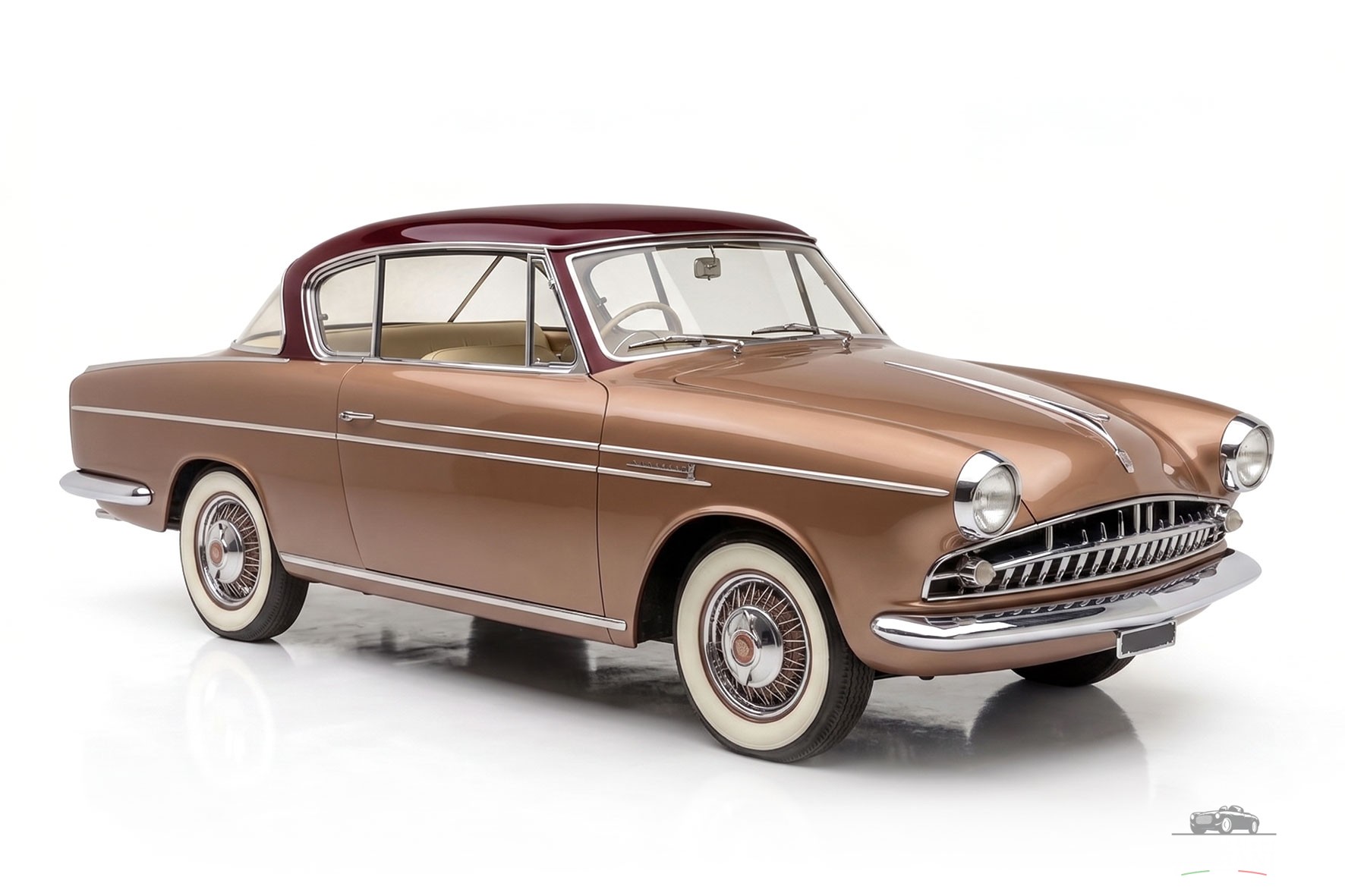
Beyond Fiat, the company’s portfolio included the Lancia Aurelia B52 Coupé, recorded as a special body of 1952 without a securely established exact chassis number, and a Lancia Appia Berlina elaboration documented around 1959. An individual Fiat/Cisitalia 36 DF Voloradente is also associated with Canta coachwork; its separate chassis history must be considered on the specific vehicle record rather than generalized to the firm.
Commercial vehicles and later activity
By the beginning of the 1960s the company increasingly undertook conversions of existing bodywork, including light commercial vehicles, advertising vehicles and hearses. A Fiat 600 M Vetrina advertising-body project is documented in material dated 1962. Accounts differ on when Canta finally ceased trading: dates between 1962 and approximately 1965 have been reported, and the available chronology does not establish a precise legal dissolution date. Its documented work therefore spans the post-war special-body market and the later period of specialized vehicle conversions.
KEY MOMENTS
Timeline
-
Foundation of Canta
Turin, Italy
-
Canta builds the Fiat 600 Vetrina in its commercial-vehicle phase
Turin, Italy
PEOPLE & DESIGN
Designers
Aldo Brovarone
Aldo Brovarone was an Italian automotive stylist associated with Pininfarina, contributing to the Turin firm's post-war tradition of refined sports cars and experimental design.
Explore record ↗
Giovanni Michelotti
Giovanni Michelotti was a prolific Italian automotive designer whose independent Turin studio produced coachwork and production-car designs for Vignale, Triumph, BMW and numerous other manufacturers.
Explore record ↗Vehicles at a glance
- Related vehicles
- 22
- Prototypes
- 1
- One-offs
- 2
- Limited series
- 11
- Fuoriserie
- 2
CONTINUE EXPLORING


THE CONVERSATION
Comments 0