
Fabio Filippini
AT A GLANCE
- Born
- 1963
- Birthplace
- Ghislarengo
- Nationality
- Italian
- Occupation
- Automotive designer and design strategist
- Active from
- 1985
- Studio
- Open Design / Renault Design / Pininfarina / Accaeffe
- Based in
- Turin / Paris / Tokyo
THE STORY
Overview
Fabio Filippini (born in Ghislarengo, Piedmont, in 1963) is an Italian automotive designer and design executive whose career has included Open Design, Design Club International, the Volkswagen Group, Renault and Pininfarina. He directed interior and advanced-design programmes for Renault before becoming Pininfarina’s Design Director and Chief Creative Officer in April 2011. Since 2018 he has worked independently in Japan through Accaeffe Creative Consulting. His work encompasses production-car development, experimental vehicles, transportation design and design strategy; participation in a design programme does not necessarily establish sole authorship of every component.
Education and first commissions
Filippini studied transportation design in Turin in 1983, attending the institution now known as IAAD, and subsequently pursued architecture and industrial design studies at the Politecnico di Milano, graduating in 1989. His professional career began in 1985 at Open Design in Turin, an independent consultancy established by Aldo Sessano. Assignments involved automotive and commercial-vehicle clients, including Mitsubishi, SEAT and Scania. The work provided experience in projects commissioned by manufacturers rather than undertaken under Filippini’s own name. Credits to the consultancy should be distinguished from identifiable individual design proposals.
In 1989 Filippini moved to Japan to work with Design Club International in Hakone. His assignments there concerned design studies for Japanese and European vehicle companies. He returned to Europe in 1993 to join Renault Design Industriel, then directed by Patrick Le Quément. This sequence connects his early independent-studio work with the design-management positions that characterised his later career.
Renault advanced design and the Initiale concept
At Renault he initially worked on advanced-design research. His documented contributions include the interior of the Renault Initiale Paris concept, presented in 1995. This project belongs to the experimental programme of the 1990s and should not be confused with later Renault vehicles or trim lines using the name Initiale Paris. Filippini subsequently worked in Renault’s interior design organisation and in the company’s growing technical and styling facilities at Guyancourt.
In 1997 he moved to the Volkswagen Group’s Design Center Europe at Sitges, Spain, where he served as an interior-design supervisor. One assignment involved a proposal for the second-generation Audi A8 interior. The subsequent production development was undertaken by the manufacturer’s design team, so an advanced interior study does not equate to sole authorship of the production A8.
Return to Renault and production programmes
Filippini rejoined Renault Design in 2000. He established and directed the Renault Design Paris satellite studio from 2002, managing a team working on advanced proposals for the Renault range. Programmes associated with his direction included work relating to the Laguna, Kangoo and the subsequent Mégane family. In 2006 he returned to the Technocentre to direct design for the M1 range, which encompassed the Mégane III and Scénic III projects. These vehicles were developed by multidisciplinary manufacturer teams; the managerial responsibility documented for Filippini is not interchangeable with individual exterior or interior styling credits for every model.
In 2008 Renault appointed him Vice-President of Interior Design. The position covered interior strategy for the Renault Group and its brands, including projects developed during the transition to the design direction of Laurens van den Acker. Filippini also held responsibilities linking Renault and Nissan design policy and operations in the Renault Design Latin America studio at São Paulo. Later Renault and Dacia models whose interior programmes fell within this period should be attributed at the documented level of management or specific project contribution, not treated as individually designed by Filippini merely because they were developed during his tenure.
Pininfarina design leadership
Pininfarina announced Filippini’s appointment as Design Director and Chief Creative Officer with effect from 1 April 2011, succeeding Lowie Vermeersch. He reported to chief executive Silvio Pietro Angori. His work concerned the coordination of Pininfarina’s design activities as well as participation in particular projects. The distinction is significant because the atelier’s concept vehicles were created by teams whose members had separate exterior, interior, modelling and engineering responsibilities.
The Pininfarina Cambiano, presented at the Geneva Motor Show in 2012, was one of the earliest major programmes under his direction. The four-seat electric-range-extender concept used asymmetric door access, with a single door on the driver’s side and two on the passenger side, and an interior exploring recycled wood, alternative trim materials and integrated interfaces. Contemporary accounts explicitly associate the exterior design with Filippini, whereas Giuseppe Randazzo is separately credited for interior design in the contemporary project documentation. The Cambiano’s technical architecture and the contributions of suppliers must be documented as distinct from its personal styling credits.
The Cambiano received the Interior Design of the Year award in the concept-vehicle category at the Automotive Interiors Expo in June 2012; Filippini accepted the award as Pininfarina’s Design Director. The award belongs to the vehicle and its design programme, rather than being automatically a personal competition victory. In 2014 the Cambiano also received an honourable mention in the Compasso d’Oro ADI awards. Its awards and event appearances should remain linked to the concept vehicle’s own record.
The Pininfarina Sergio and limited road cars
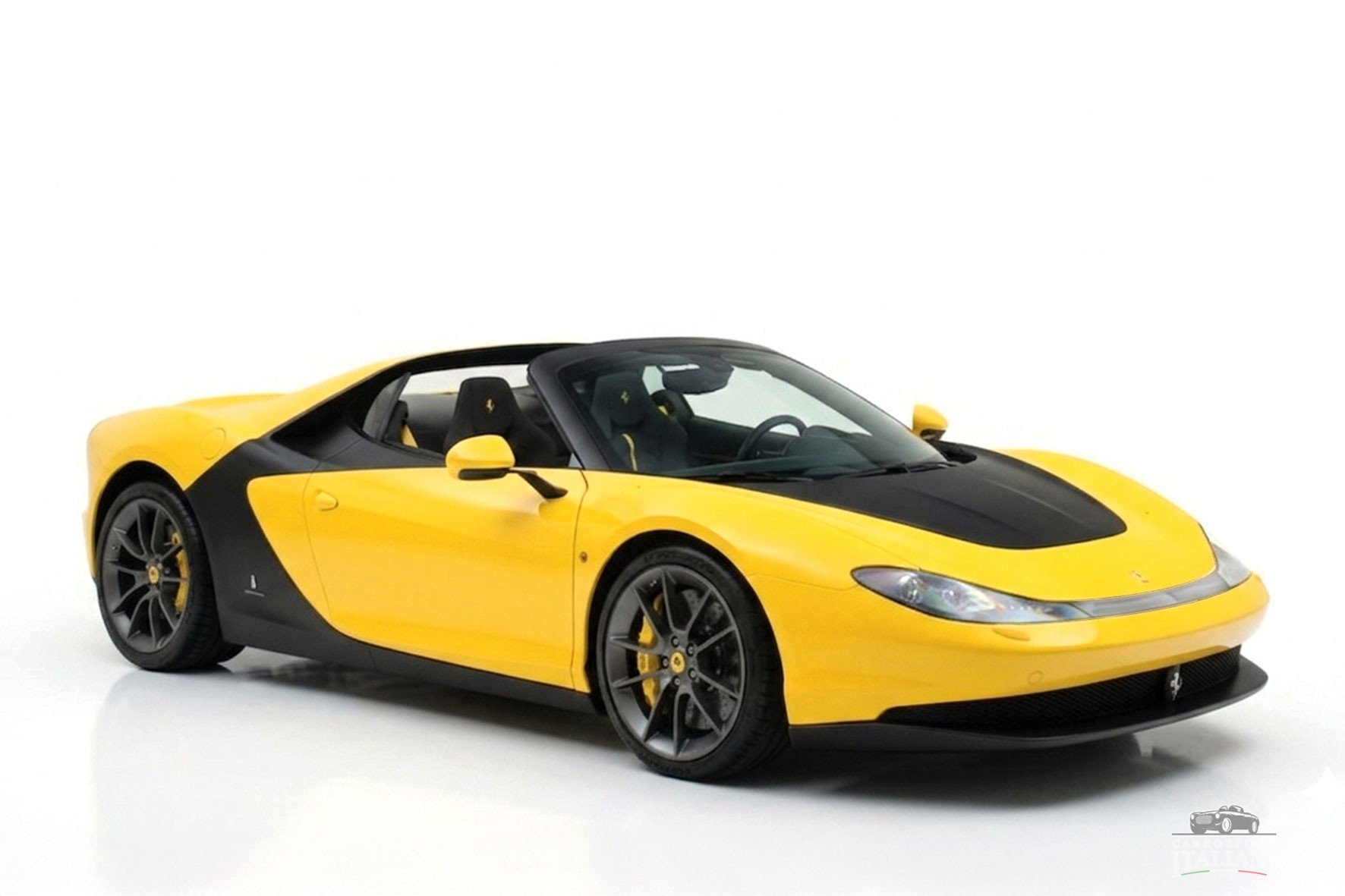
The Pininfarina Sergio concept was unveiled in 2013 as a tribute to Sergio Pininfarina. Its open two-seat body was developed around Ferrari 458 Spider mechanical components. Design accounts identify Filippini alongside Luca Borgogno in the concept’s creation; the attribution is collaborative rather than exclusive. The concept is a separate physical and historical entity from the Ferrari Sergio road-car series subsequently commissioned in six examples. The later road cars adapted the design to production and customer requirements. A programme-level design attribution cannot determine the precise history or configuration of each individual chassis.
Pininfarina’s partnership with BMW produced the Gran Lusso Coupé concept presented at the 2013 Concorso d’Eleganza Villa d’Este. The project combined Pininfarina design work with BMW’s manufacturer identity and engineering requirements, under Filippini’s creative leadership. His responsibility for the programme should be distinguished from the work of the wider Pininfarina and BMW teams. Pininfarina also undertook non-car transportation projects during this period, including the Eurostar e320 train and the Zetor tractor design programme.
Hydrogen and other experimental projects
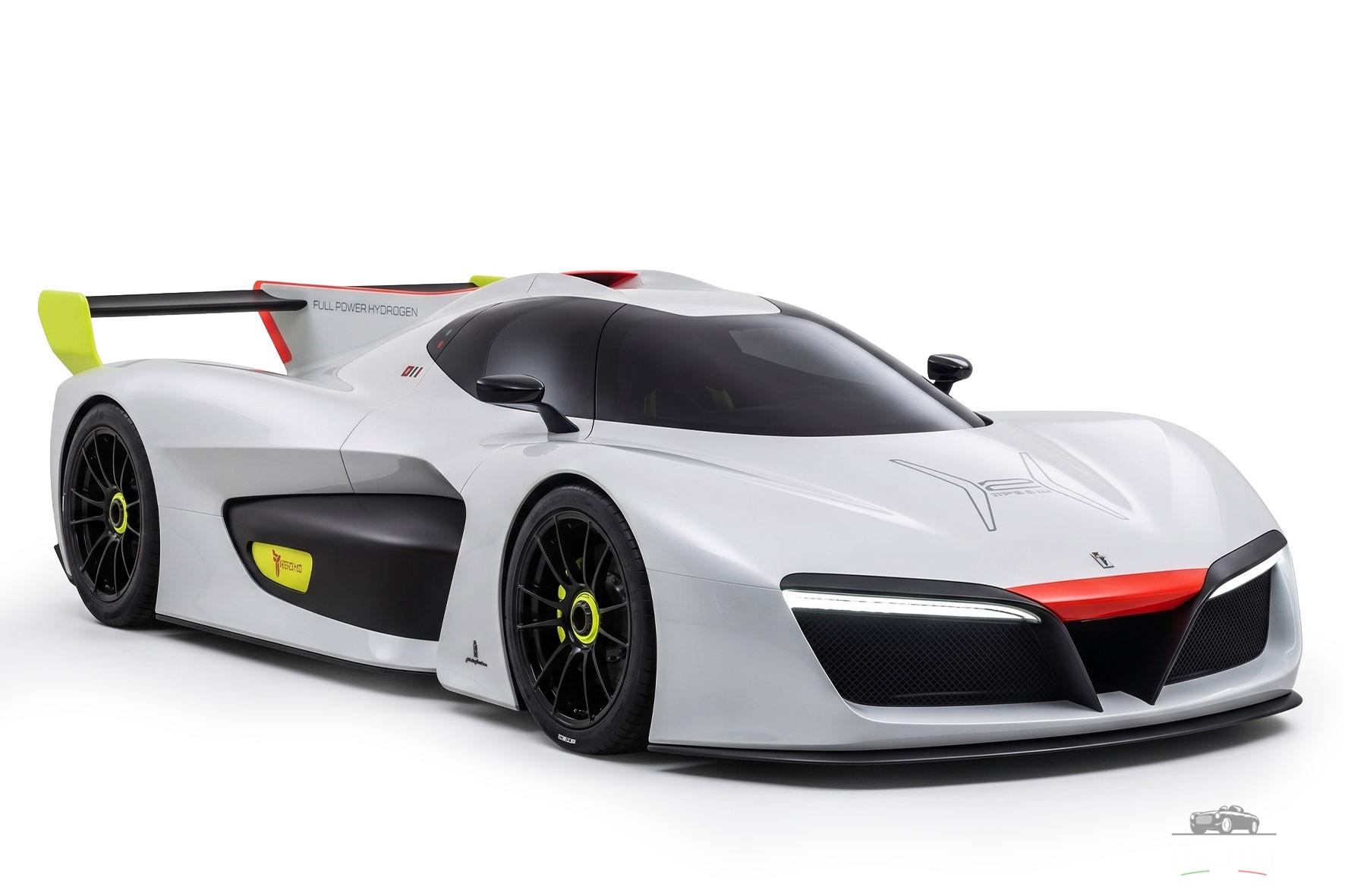
The Pininfarina H2 Speed, first shown as a concept in 2016, developed the visual identity of a hydrogen-electric track-car project in collaboration with GreenGT. Pininfarina was responsible for styling, GreenGT for the hydrogen propulsion system, and ADESS for the carbon-fibre chassis used in the later development. The partners’ separate industrial roles must not be collapsed into a sole-designer or sole-manufacturer credit. A programme for twelve customer track cars was announced at Geneva in 2018; that number describes a production intention, not independently verified completed production.
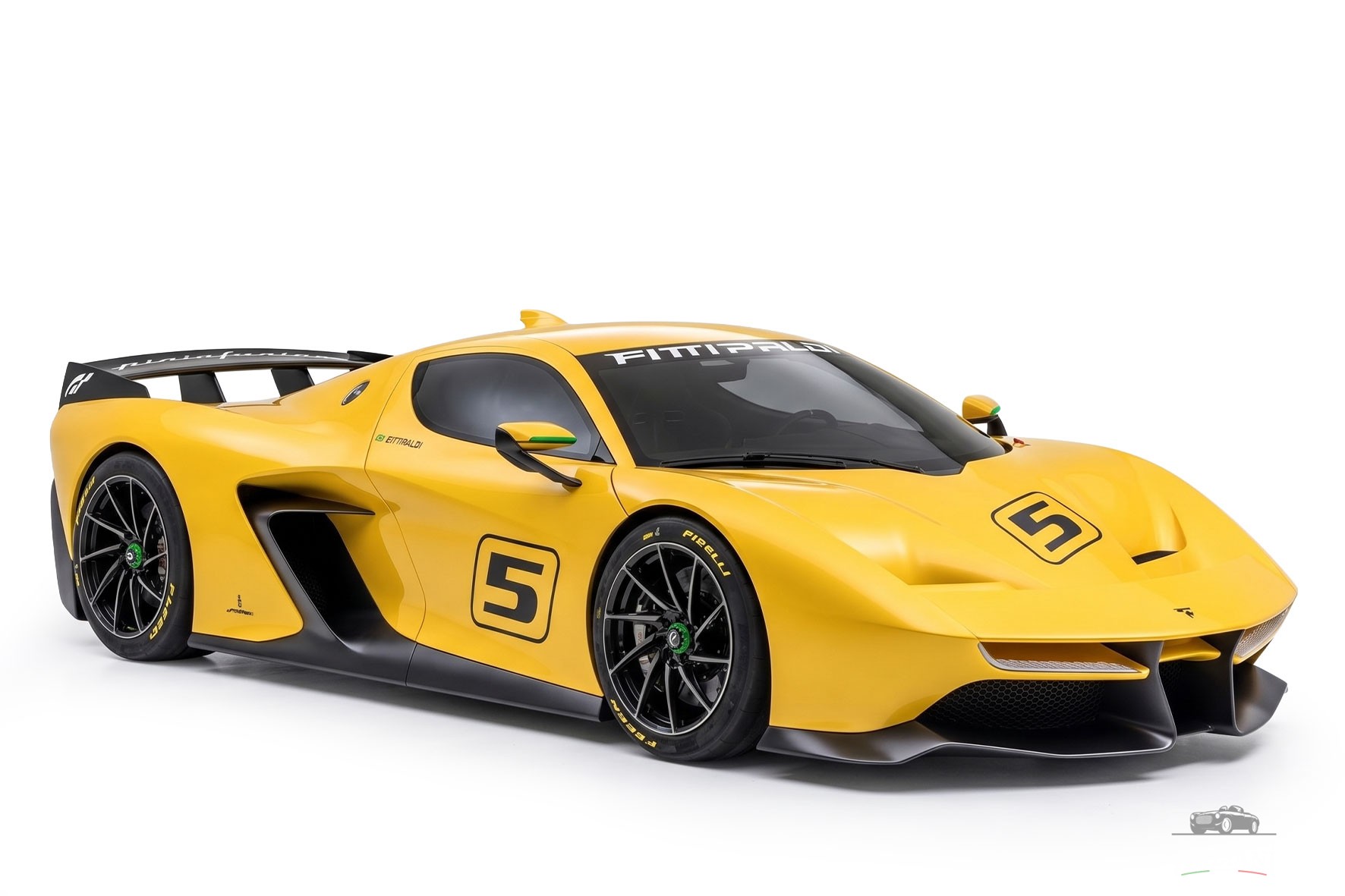
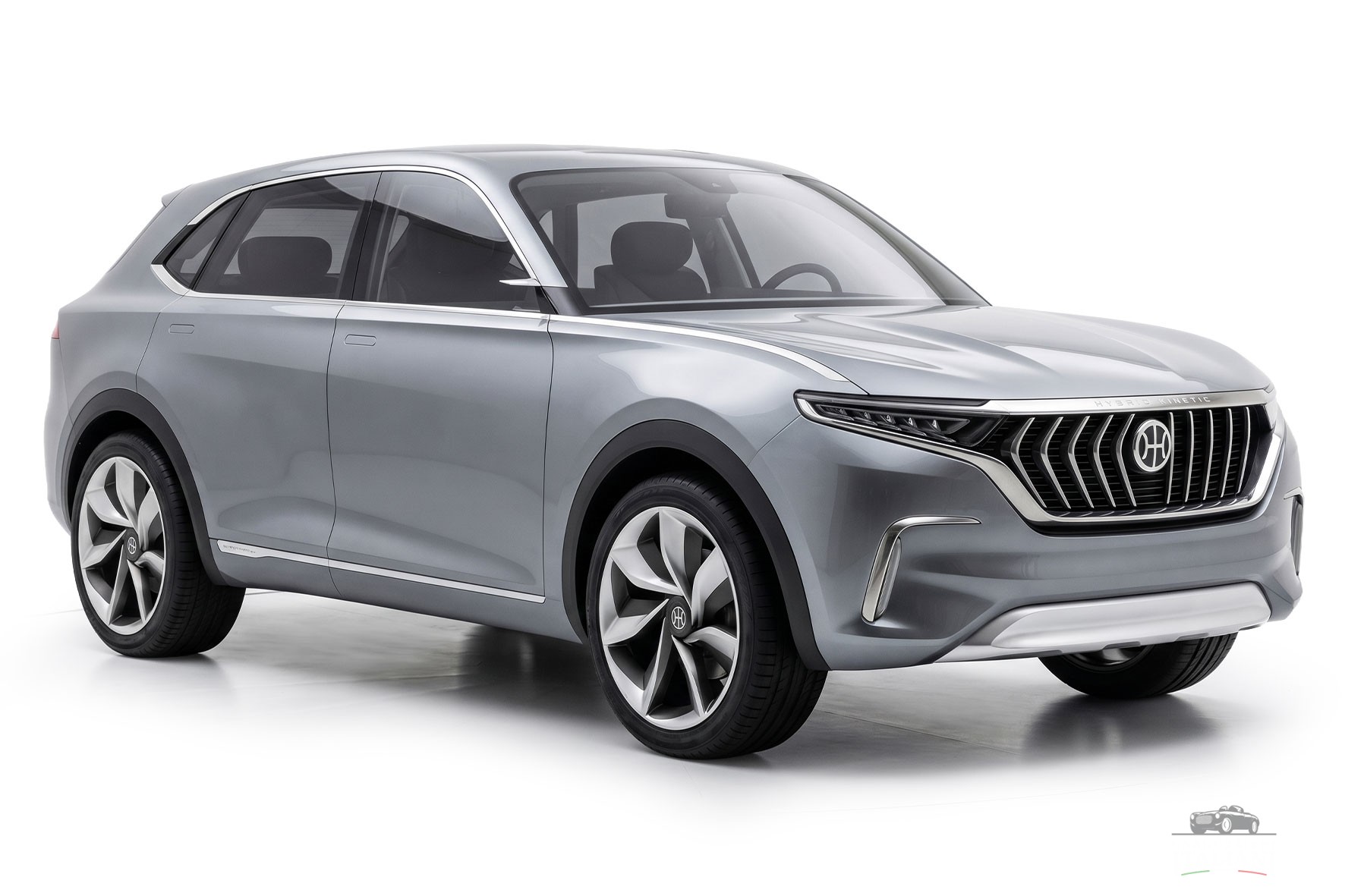
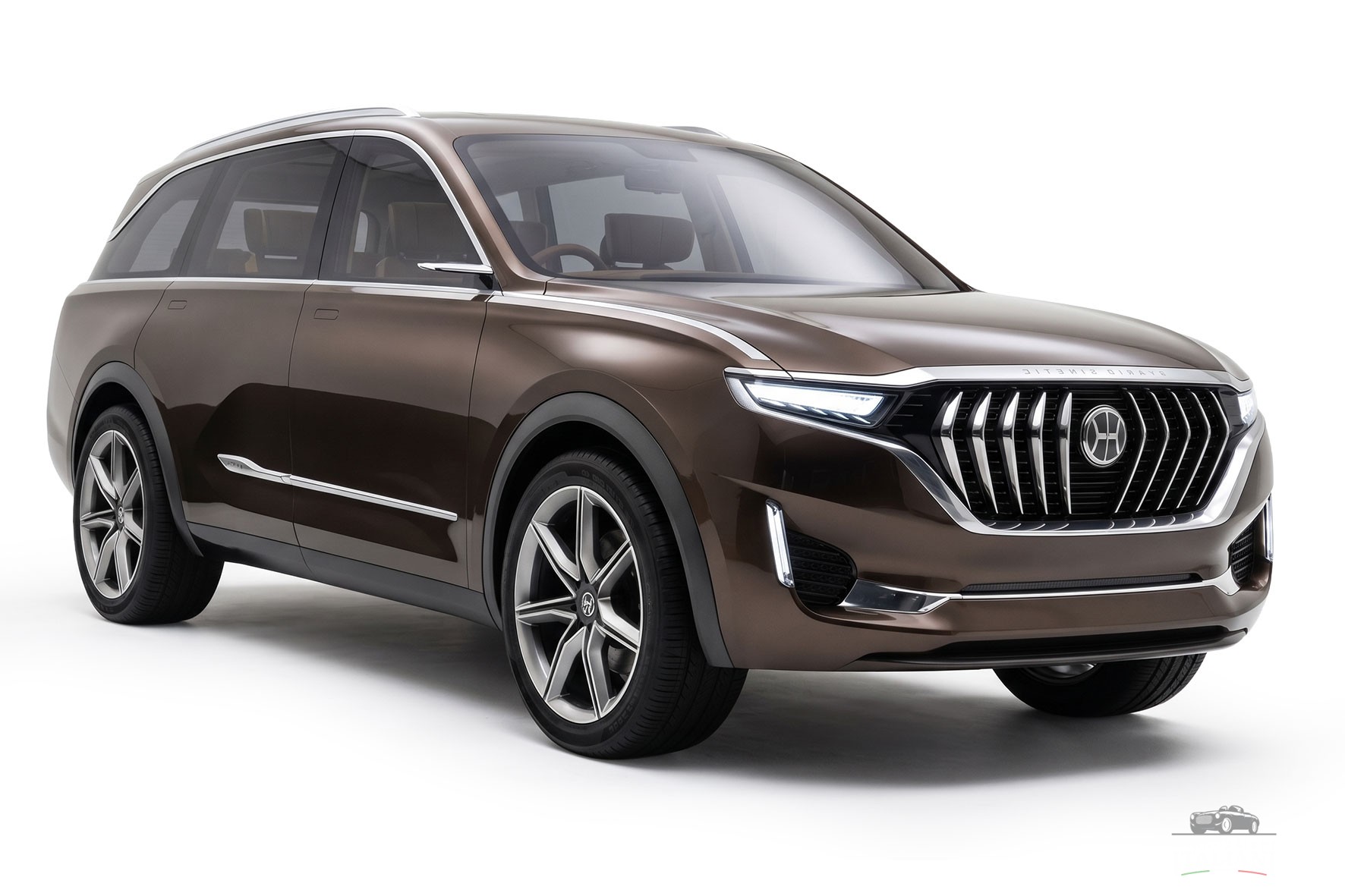
Other projects presented while Filippini directed the Pininfarina design team included the Fittipaldi EF7 Vision Gran Turismo, the Hybrid Kinetic H600 saloon concept, and the K550 and K750 SUV studies. These projects were developed for different commercial partners and under Pininfarina’s organisation. The involvement of Filippini as design director supports a leadership attribution but does not establish that he personally drew all exterior and interior components. Production plans for concept programmes must not be converted into manufacturing totals without further documentation.
Independent consultancy and later projects
Filippini left Pininfarina’s design leadership in 2017 and established Accaeffe Creative Consulting in Tokyo in 2018. In April 2019 he co-founded Trilab Design Associates, extending his work in design strategy and international consultancy. He also wrote Curve: 15 Lessons on Car Design, published in 2021, drawing on his experiences in professional automotive design. His independent activities include lecturing and participation as a judge in international concours d’elegance; such judging appointments are distinct from personal or vehicle awards.
In 2023 Filippini collaborated with Fabrizio Buonamassa Stigliani, BVLGARI’s Product Creation Executive Director, on the BVLGARI Aluminium Vision Gran Turismo. The project was presented in connection with the Gran Turismo World Series finals and subsequently introduced as a digital concept for Gran Turismo 7. Its authorship is documented as a collaboration between the two designers, not an exclusive Filippini commission. The concept’s virtual context must also be distinguished from production automobiles and physical concept-car chassis.
Professional recognition and attribution
Filippini’s professional career links manufacturer-based interior design, the management of Pininfarina’s specialist coachbuilding and concept-car activity, and independent design consultancy. IAAD’s alumni record identifies the major projects carried out under his leadership and records his co-founding role at Trilab. An institutional biographical account also reports his appointment as a Cavaliere dell’Ordine della Stella d’Italia in 2024; the underlying decree and formal appointment record require matching before a structured personal honour is created. For the historical database, project leadership, direct exterior design, interior design, joint authorship, engineering, and coachbuilding are separate credit categories. No individual automotive chassis or sales history is inferred from his professional association with a model.
THE NETWORK
Shared vehicle credits

KEY MOMENTS
Timeline
-
Birth of Fabio Filippini
Ghislarengo, Italy
-
Career begins
-
Fabio Filippini becomes Pininfarina Design Director
Italy
AWARDS & RECOGNITION
Palmarès
Vehicle awards
- Design awards
- 1
- Awards
- 1
2 vehicle award records
Best Concept
Green GT H2 SpeedCompasso d'Oro
Pininfarina Cambiano2014 Compasso d'Oro
CONTINUE EXPLORING




THE CONVERSATION
Comments 0