Giovanni Michelotti
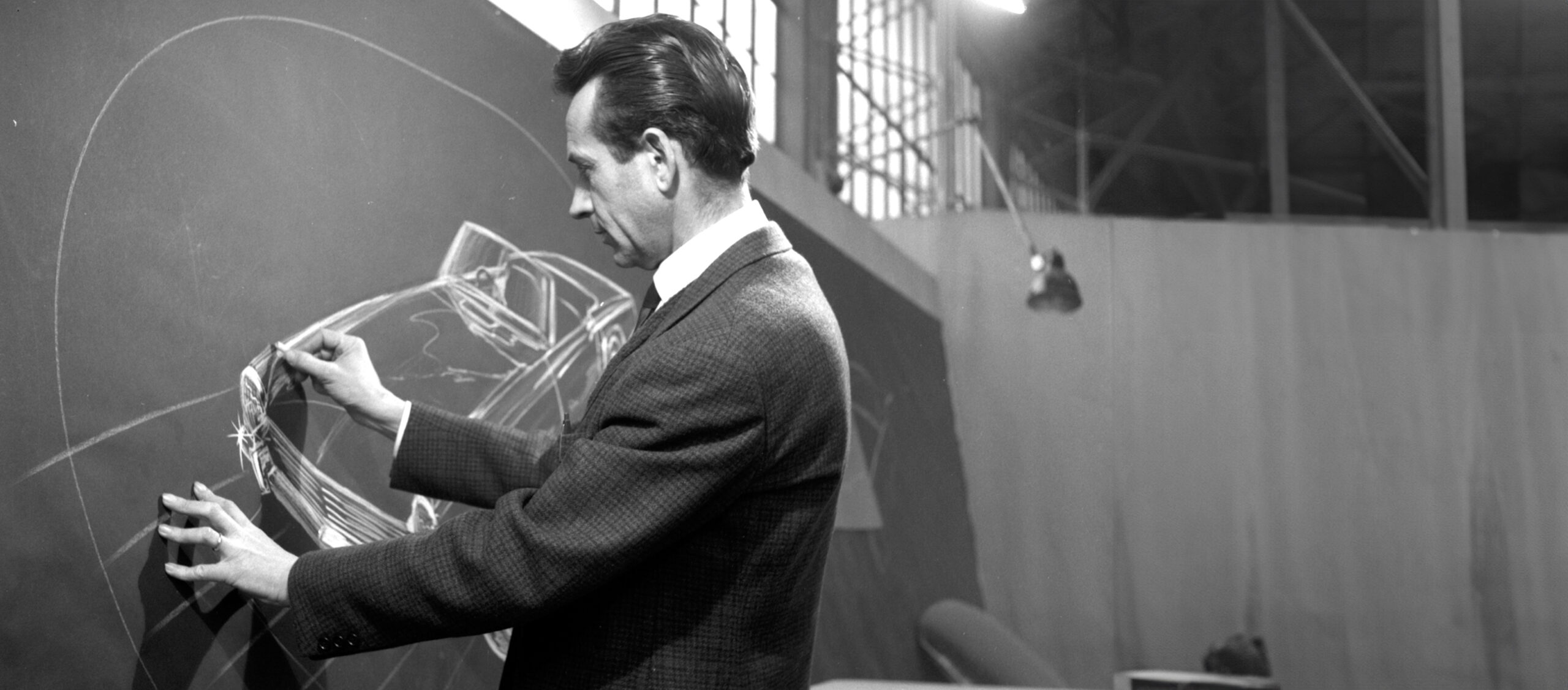
Giovanni Michelotti was a prolific Italian automotive designer whose independent Turin studio produced coachwork and production-car designs for Vignale, Triumph, BMW and numerous other manufacturers.
Explore record ↗
1962
THE VEHICLE AT A GLANCE
THE PEOPLE BEHIND THE CAR
Giovanni Michelotti was a prolific Italian automotive designer whose independent Turin studio produced coachwork and production-car designs for Vignale, Triumph, BMW and numerous other manufacturers.
Explore record ↗Founded in Turin by Giovanni Michelotti, Studio Michelotti developed original automotive styling, full-scale models and prototypes for international manufacturers and specialist coachbuilders.
Explore record ↗01 / THE STORY
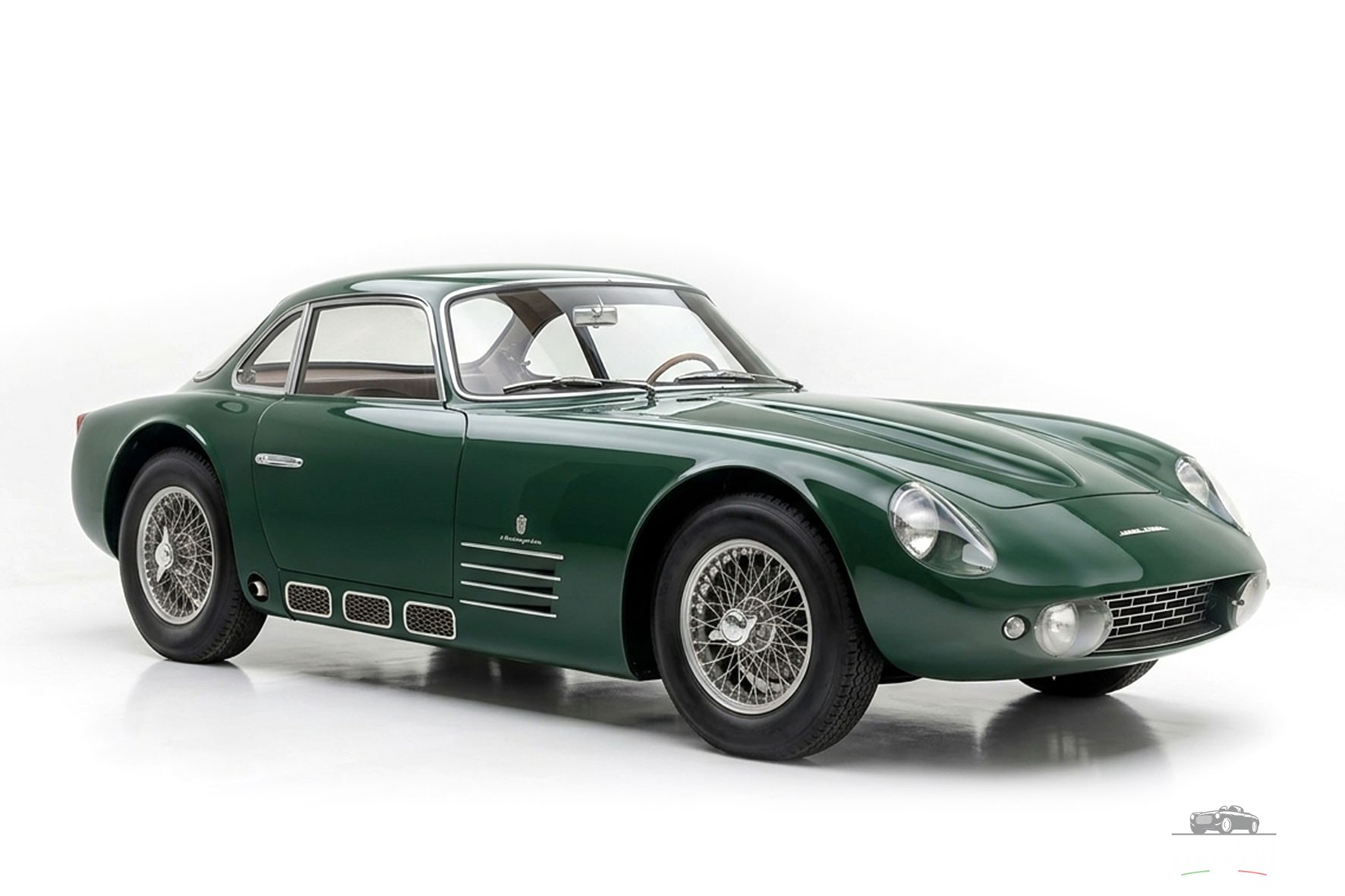
The Triumph Conrero Le Mans was a one-off British–Italian sports-racing coupé developed for Standard-Triumph’s proposed return to the 24 Hours of Le Mans. The project was conceived in 1961, with the sole car completed in 1962. Giovanni Michelotti designed its body, while the Turin specialist Virgilio Conrero undertook the chassis construction and mechanical preparation. Despite being built and tested, the car never competed at Le Mans. It was distinct from the earlier TR3S and TRS works racers and from the separately bodied Triumph TR3 Speciale.
Standard-Triumph had raced the TR3S and TRS at Le Mans with its experimental twin-cam four-cylinder engine, known as Sabrina. The company examined a further generation of competition cars using Italian design and engineering expertise. The Studio Michelotti project appears in the Archivio Storico Michelotti’s own-account list as the Triumph TR3 Le Mans Conrero. A historical monograph published by AISA also identifies a Triumph Le Mans body designed by Michelotti in 1961 for Conrero.
The initial proposal envisaged several cars, generally described as a four-car programme, but only one was built. The sports-racing coupé used a purpose-built tubular steel spaceframe rather than an ordinary production TR3 chassis. Michelotti’s low, enclosed coachwork emphasized a long bonnet, aerodynamic proportions and a compact cockpit. Conrero, already known for modifying Alfa Romeo and other racing machinery, was responsible for the mechanical development of the new prototype. Later specialist accounts differ on whether the production of the body panels was carried out by a separate coachbuilder; the precise workshop allocation remains to be documented.
Historian Frédéric Reydellet records the car under commission designation X707 and British registration 3097 VC. These identifiers refer to the surviving prototype in that account, but an independently authenticated factory chassis stamping has not yet been established. The one-off’s delivery in 1962 must also be distinguished from the 1961 design date and the intended racing programme.
The Conrero was fitted with a development of Triumph’s approximately two-litre Sabrina twin-overhead-camshaft inline-four. Specialist accounts describe two twin-choke Weber carburettors and an engine prepared for endurance racing. Published power figures are not uniform: one detailed account estimates about 150–155 hp in the delivered specification and envisages a higher output with alternative racing camshafts, while other histories quote approximately 165 bhp. None of these figures should be treated as an independently verified dynamometer result for the surviving car.
Road testing in England demonstrated the car’s performance potential. An account based on Reydellet’s research gives a speed of about 230 km/h, while several later retellings describe almost 150 mph, or roughly 240 km/h, on the M1 motorway. The differing numbers are retained as reported test claims rather than a single certified maximum speed. The tubular structure, low coupé body and purpose-built powertrain distinguish this prototype from a modified production Triumph.
Financial difficulties at Standard-Triumph, changes surrounding the Leyland takeover and the closure of the competition department ended the project before a Le Mans entry could be made. The Conrero was therefore not a classified participant at the French endurance race, and its proposed racing role should not be mistaken for an actual result or award.
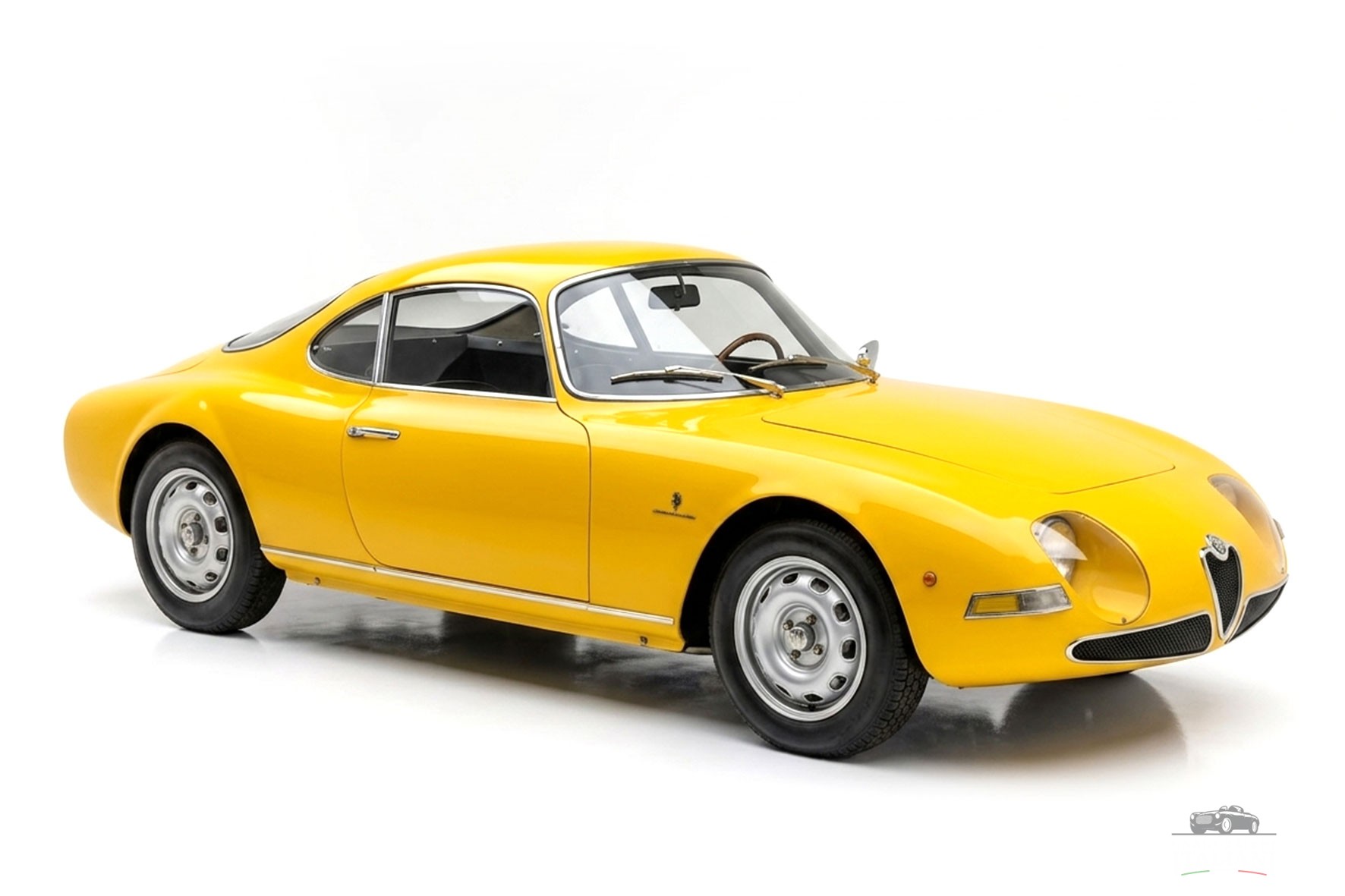
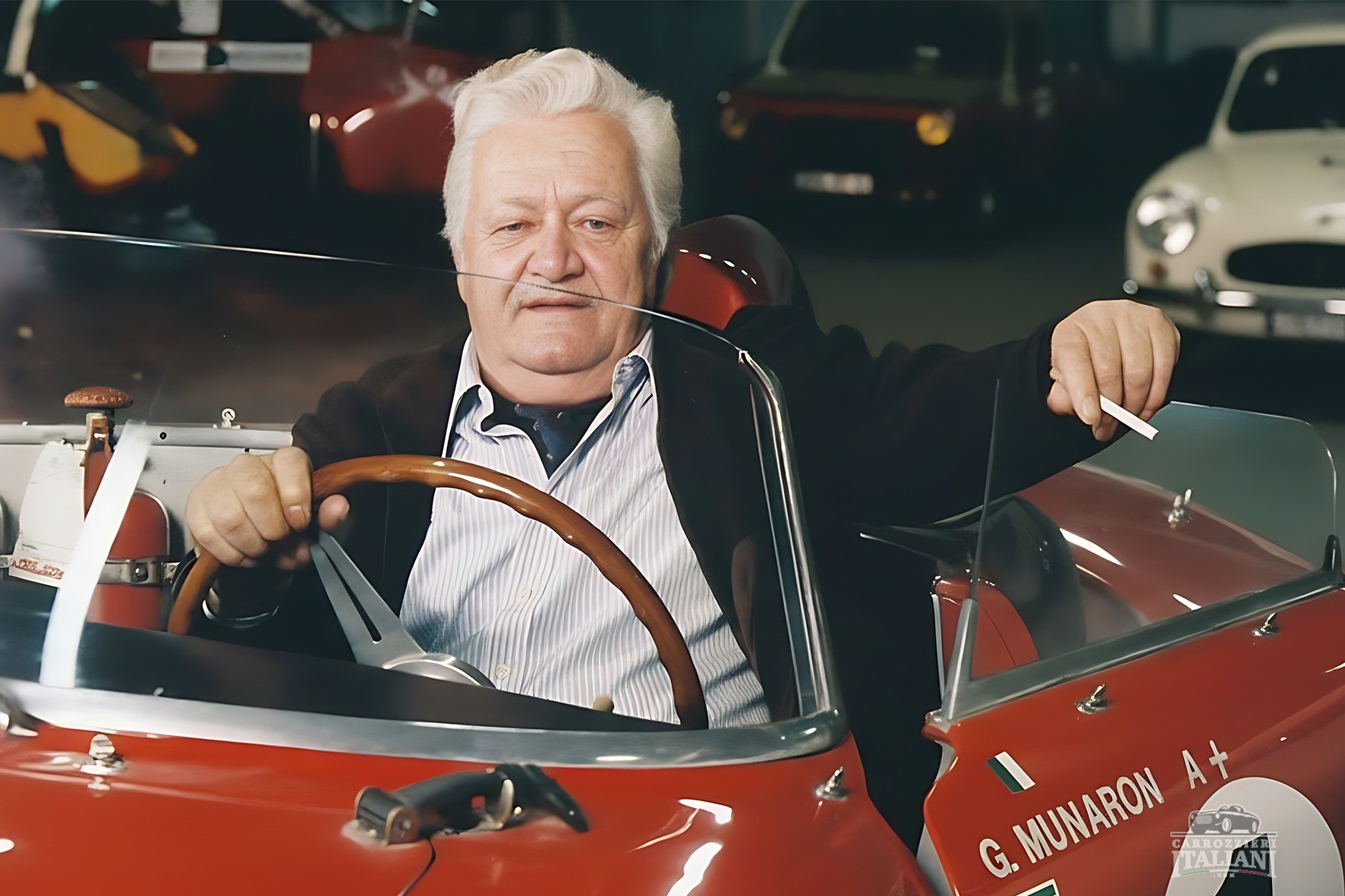
The single car survived. Specialist histories describe an initial green finish, later appearance in red, transfer to the United States with other Triumph competition cars and an eventual return to Britain. These reports document an outline of its later history, although its individual ownership sequence and the precise dates of repainting and restoration still need stronger primary records. A reported appearance at Brooklands in 2010 and accounts of activity around Sebring in 1963 require distinction between exhibition, practice and formal competition. The Conrero is also part of the wider relationship between Michelotti and the tuner, which produced the Alfa Romeo Giulietta Goccia; the two cars are separate designs and must not share chassis or competition records. A broader account of the engineering collaboration appears in the history of Virgilio Conrero.
02 / TECHNICAL IDENTITY
03 / DESIGN, BODY & SUPPLIERS
Coachbuilder / Design studio
Founded in Turin by Giovanni Michelotti, Studio Michelotti developed original automotive styling, full-scale models and prototypes for international manufacturers and specialist coachbuilders.
Explore record ↗Designer
Giovanni Michelotti was a prolific Italian automotive designer whose independent Turin studio produced coachwork and production-car designs for Vignale, Triumph, BMW and numerous other manufacturers.
Explore record ↗07 / GALLERY
CONTINUE EXPLORING
CONTINUE READING
Who was Virgilio Conrero? The self-taught Italian magician who whispered to engines and built one of motorsport’s greatest tuning legacies.
Read storyIn the intricate tapestry of automotive design, few names resonate as harmoniously as Giovanni Michelotti.
Read story
THE CONVERSATION
Comments 0