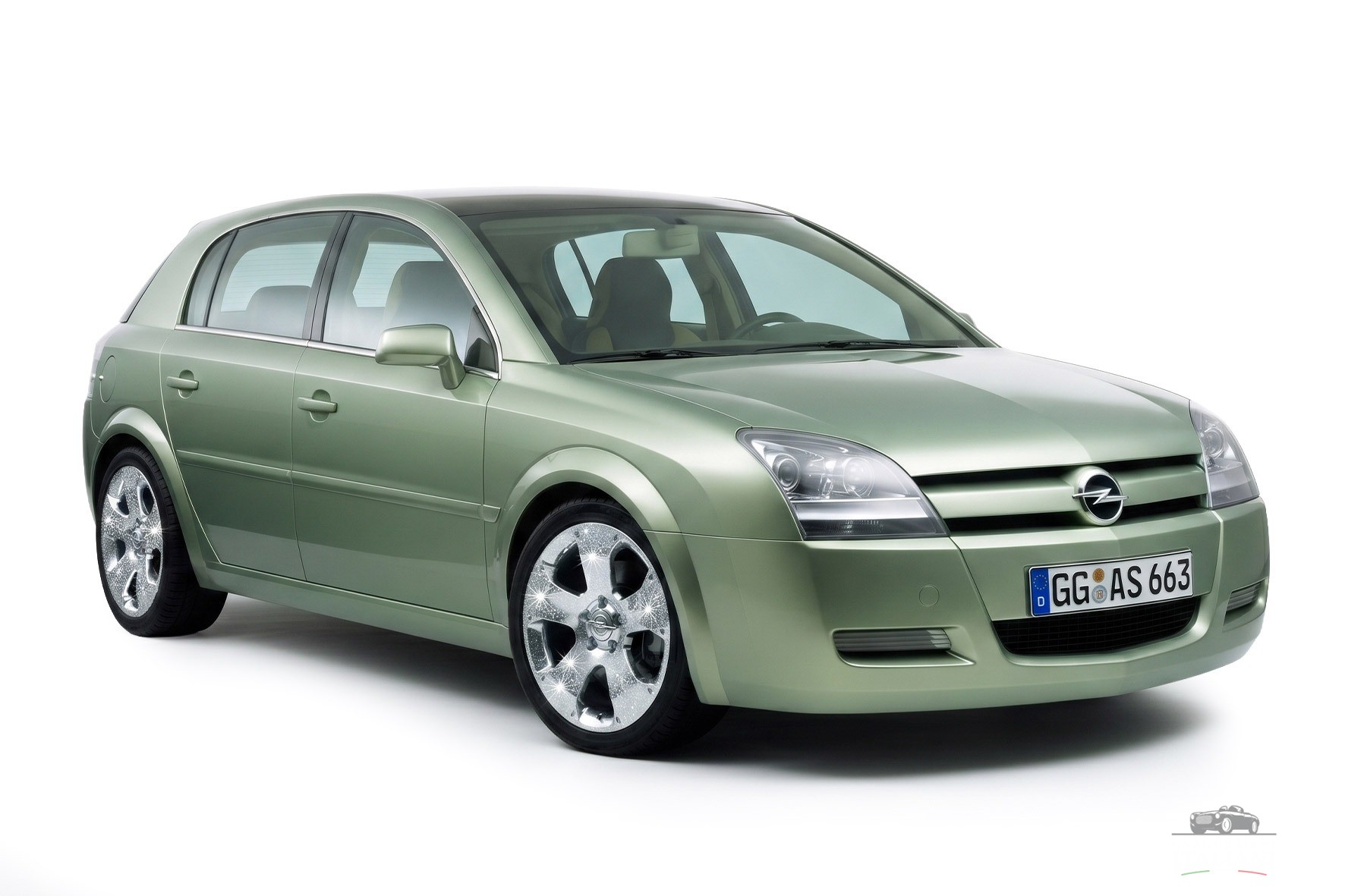
The Opel Signum 2 concept car, unveiled at the 2001 IAA in Frankfurt, represented a bold step forward in Opel’s vision for dynamic styling and innovative interiors. As a successor to an earlier prototype, the Signum 2 maintained many of the original concept’s striking features while introducing new elements that showcased the brand’s commitment to modern design and practicality. One of the most eye-catching aspects of the Opel Signum 2 was its sleek, coupe-like profile. The designers made a deliberate choice to eliminate the second roof pillar above the beltline, creating a flowing silhouette that resembled a coupe, especially when the four frameless side windows were fully lowered. According to Hans Seer, then director of Design at Opel, this detail was key in emphasizing the vehicle’s dynamic character. The Signum 2’s aesthetic appeal was further enhanced by its long wheelbase of 2,830 mm and short rear overhang, giving the car a sense of motion even when stationary. The wide wheel arches and robust 19-inch wide-base tires added to its athletic stance. Another distinctive feature was the projecting third roof pillar and broad flanks, both characteristic elements of Opel’s design language at the time. The sense of spaciousness inside the Opel Signum 2 was amplified by its fully glazed panoramic roof, which extended from the windshield backward, allowing natural light to flood the interior. This, combined with the large glazed tailgate, created an open and airy cabin environment. Inside, the concept car offered seating for four, each in what Opel described as “business class” comfort. The high-quality materials and thoughtful design details aimed to elevate the passenger experience, blending luxury with practicality. Built by Bertone in Italy, the Signum 2 was a fine example of Italian craftsmanship combined with German engineering. Its sleek lines and innovative use of glass not only gave it a modern and luxurious feel but also differentiated it from conventional sedans. Following its positive reception, the Opel Signum 2 concept evolved into the production model known simply as the Opel Signum, which entered the market in 2002. While the production version retained some of the concept’s core design elements, it was adapted to meet the demands of everyday use. Nonetheless, the Signum 2 remains an important concept in Opel’s history, reflecting a period of experimentation and creative ambition within the brand.


THE CONVERSATION
Comments 0