
Boneschi
AT A GLANCE
- Founded
- 1919
- Historical city
- Cambiago / Milan area
- Country
- Italy
AWARDS & RECOGNITION
Palmarès
Vehicle awards
- Best of Show
- 1
- Class wins
- 6
- Class placings
- 2
- Special prizes
- 2
11 vehicle award records
2nd in class
Isotta Fraschini 8C Monterosa Cabriolet3rd in class
Fiat 1100 CabriolimousineClass Winner
Fiat 1400 Super Cabriolet Boneschi2° Concorso Internazionale di Eleganza per Autovetture – Lido di Venezia 1950
Best of Show
Fiat 1400 Super Cabriolet Boneschi2° Concorso Internazionale di Eleganza per Autovetture – Lido di Venezia 1950
Special Prize
Alfa Romeo 6C 2500 SS Cabriolet Boneschi2° Concorso Internazionale di Eleganza per Autovetture – Lido di Venezia 1950
Class Winner
Fiat 1400 Super Cabriolet BoneschiClass Winner
Alfa Romeo 6C 2500 SS Cabriolet BoneschiClass Winner
Alfa Romeo 6C 2500 SS Cabriolet BoneschiClass Winner
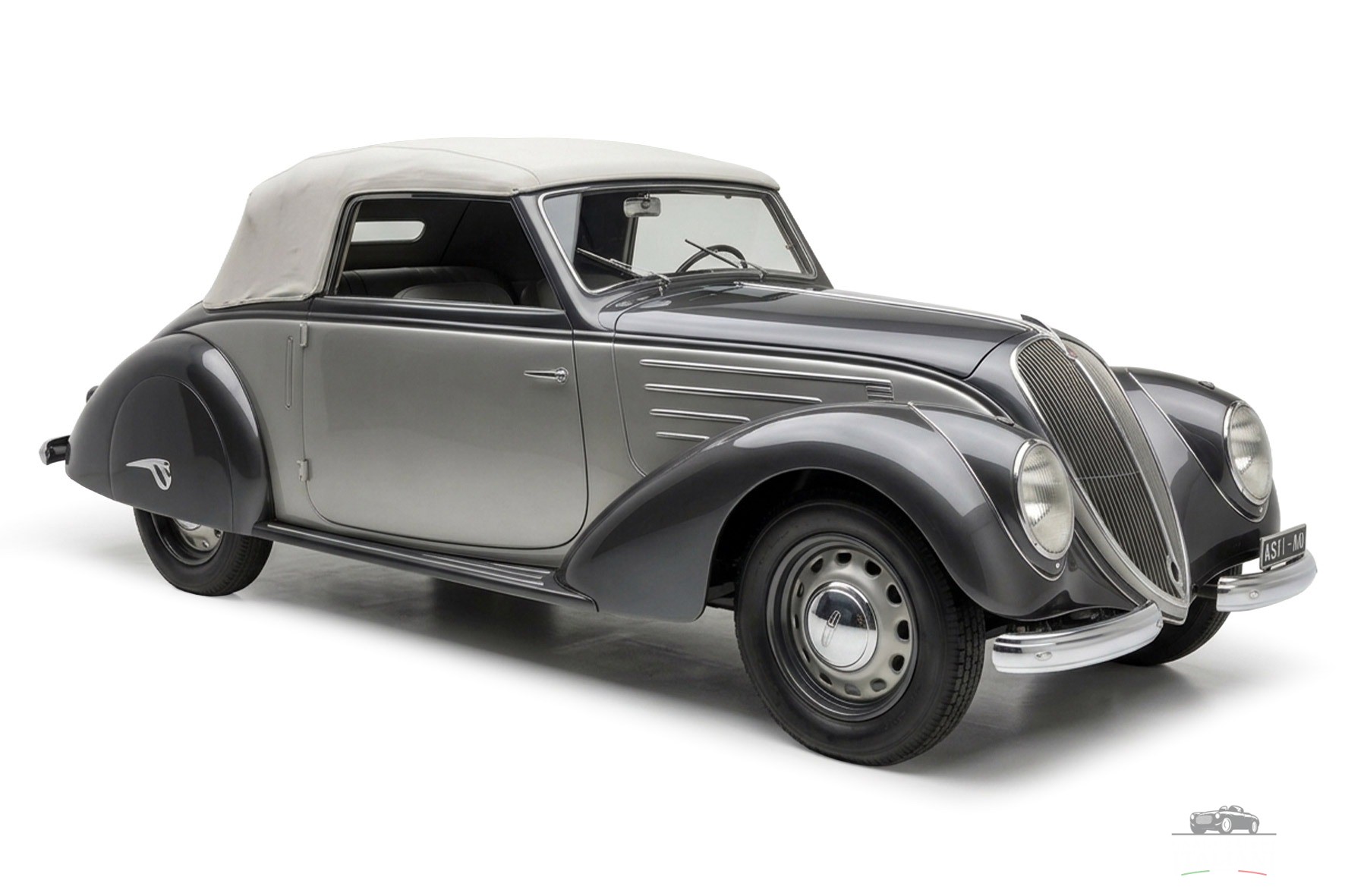
Lancia Aprilia BoneschiClass Winner
Lancia Aprilia BoneschiSpecial Prize
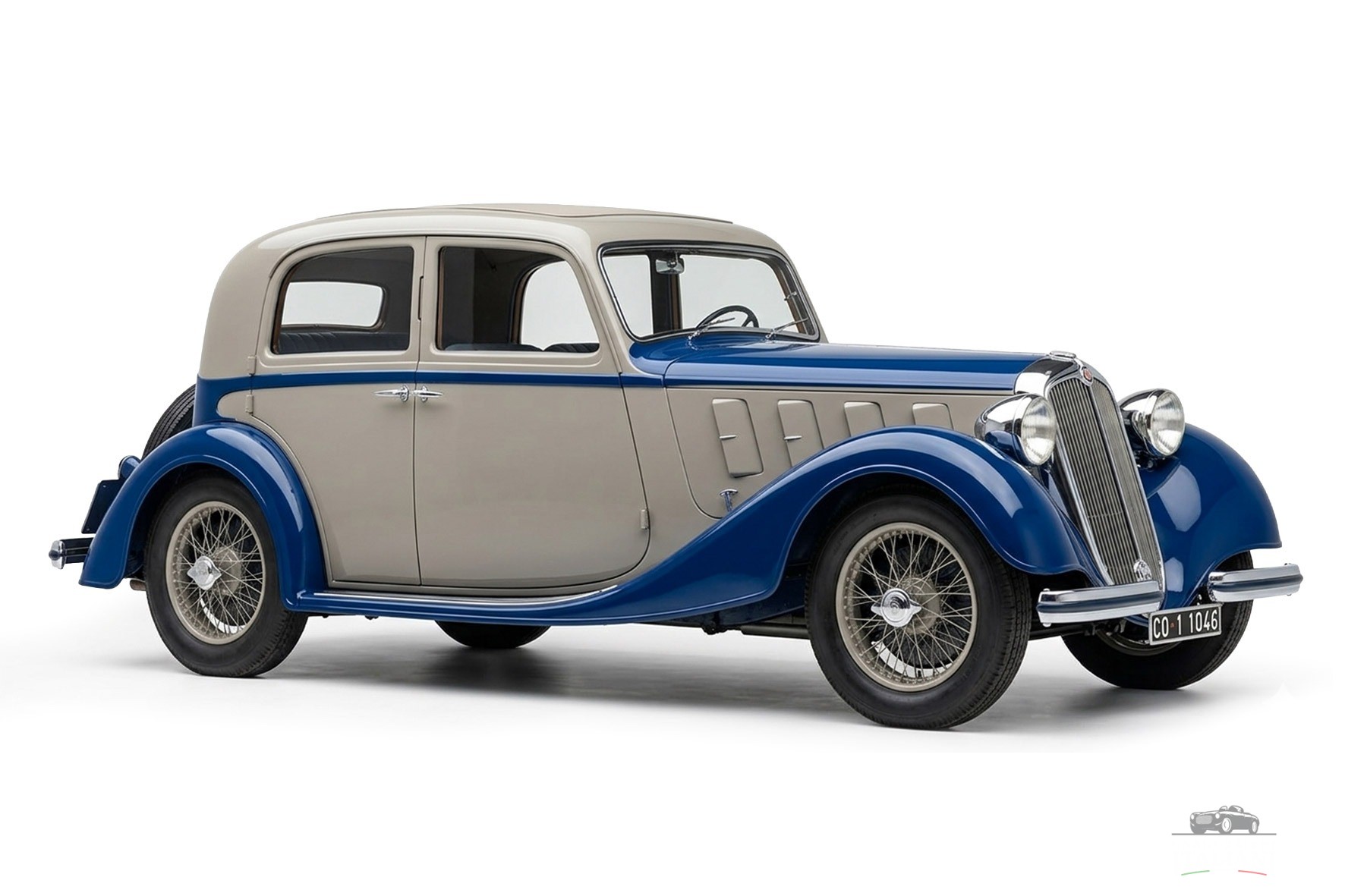
Lancia Augusta Boneschi
THE STORY
Overview
Carrozzeria Boneschi was an Italian coachbuilding enterprise founded in 1919 by Giovanni Boneschi at Cambiago, near Milan. Its work developed from bespoke passenger-car bodies to commercial, ambulance and industrial vehicle conversions. The historical coachbuilder subsequently became associated with the Savio industrial group; the disappearance of its original factories did not in itself mean that the Boneschi business or name ceased to be used.
Origins and Lancia coachwork
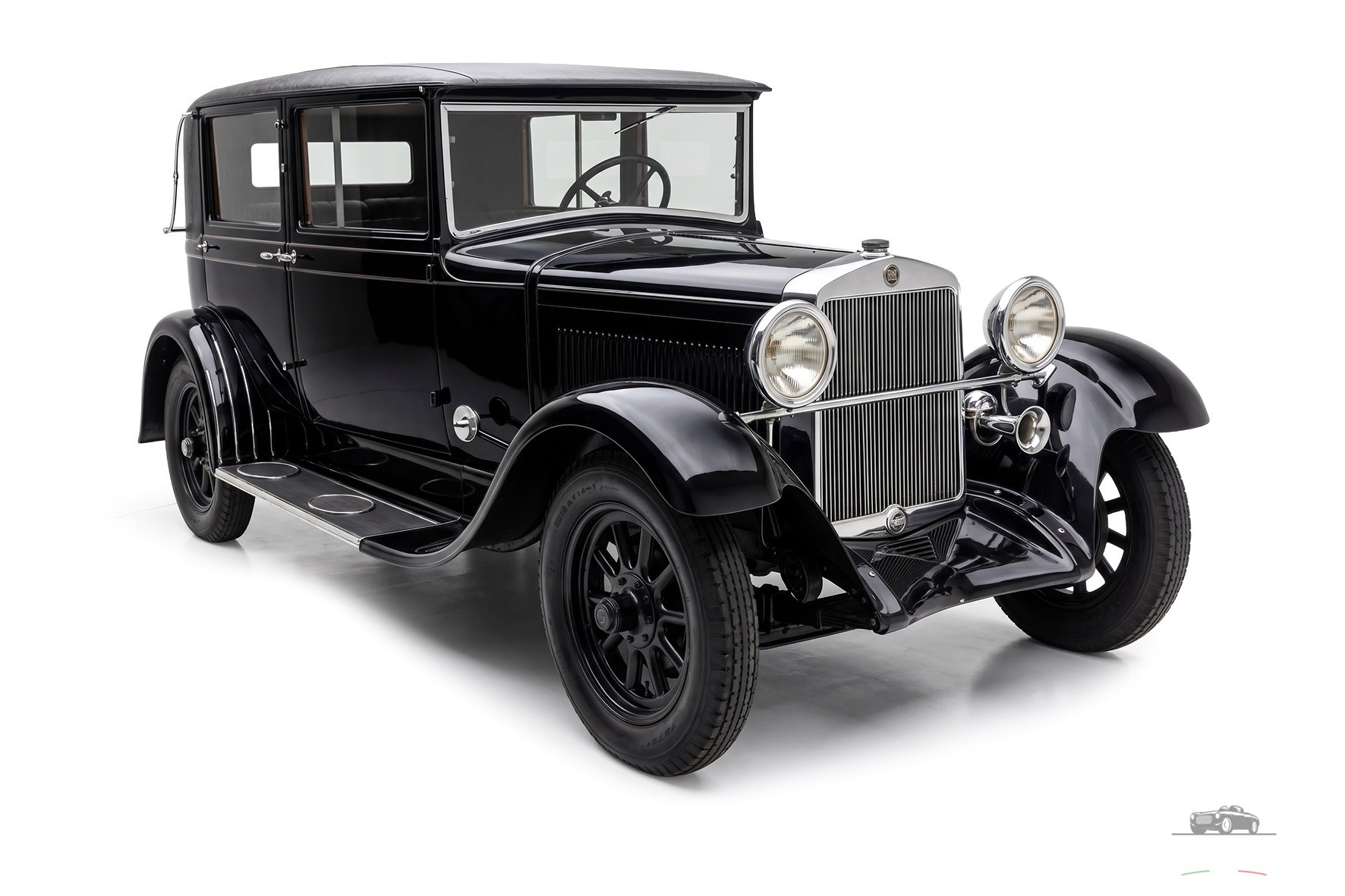
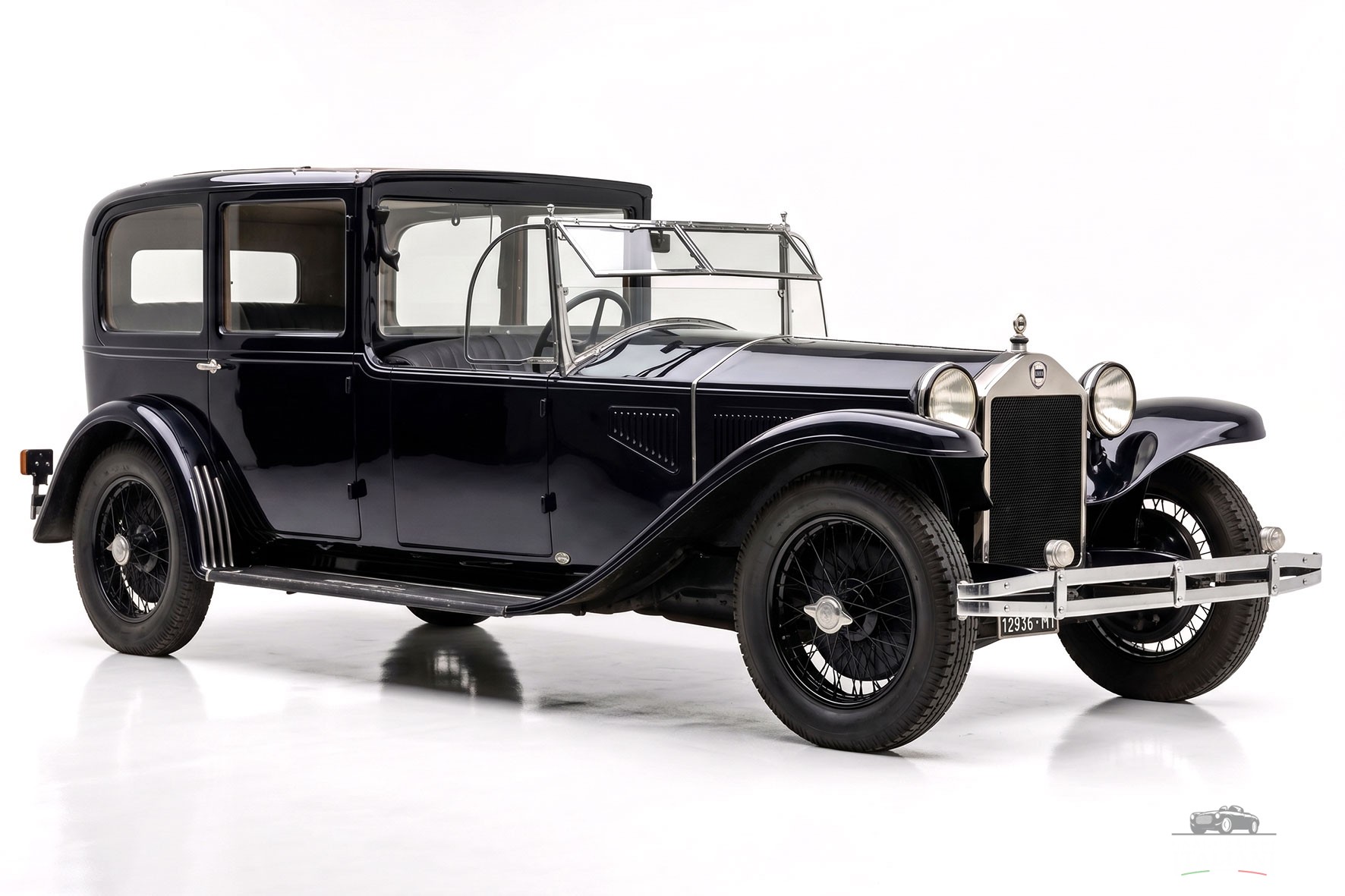
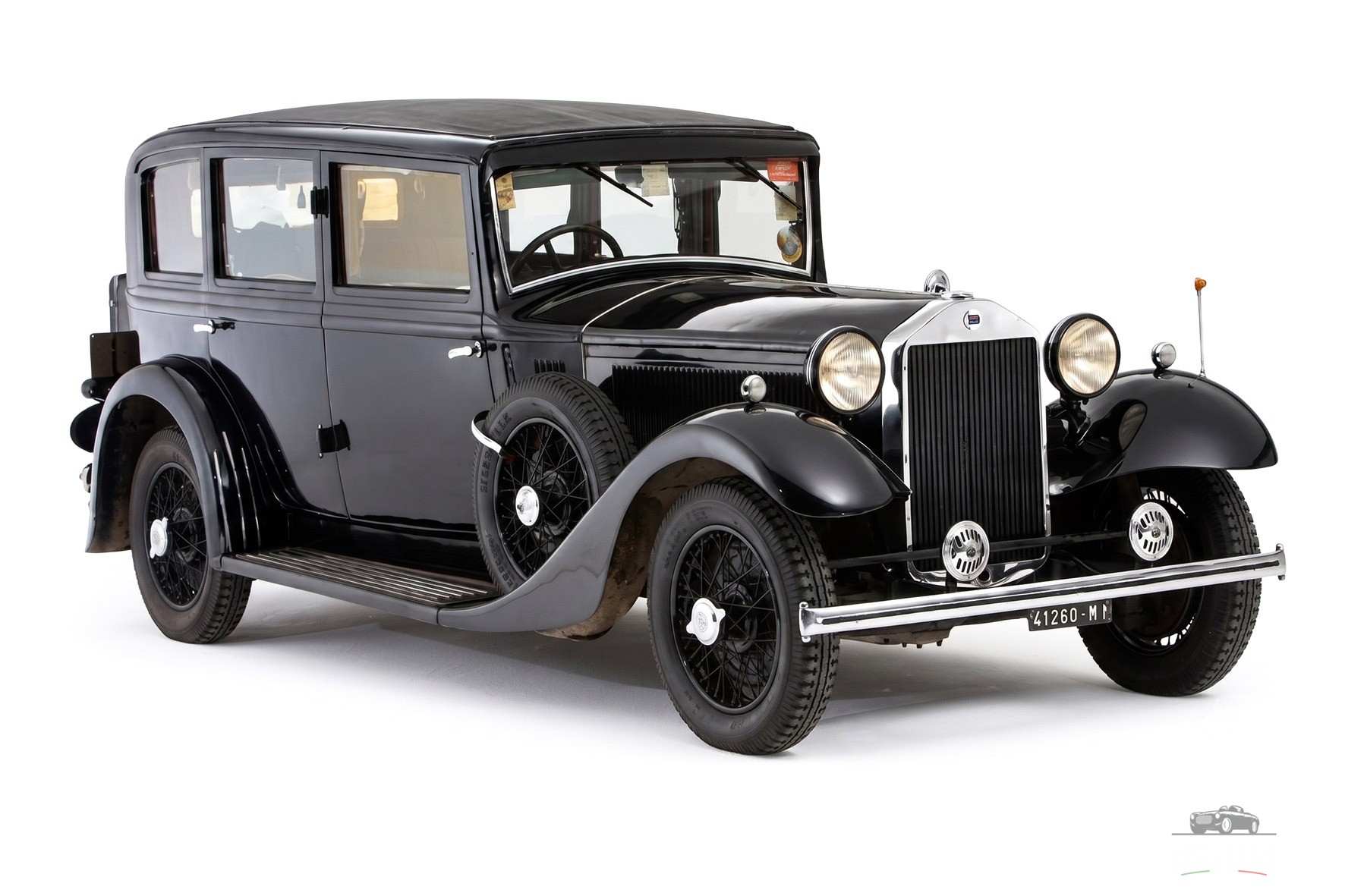
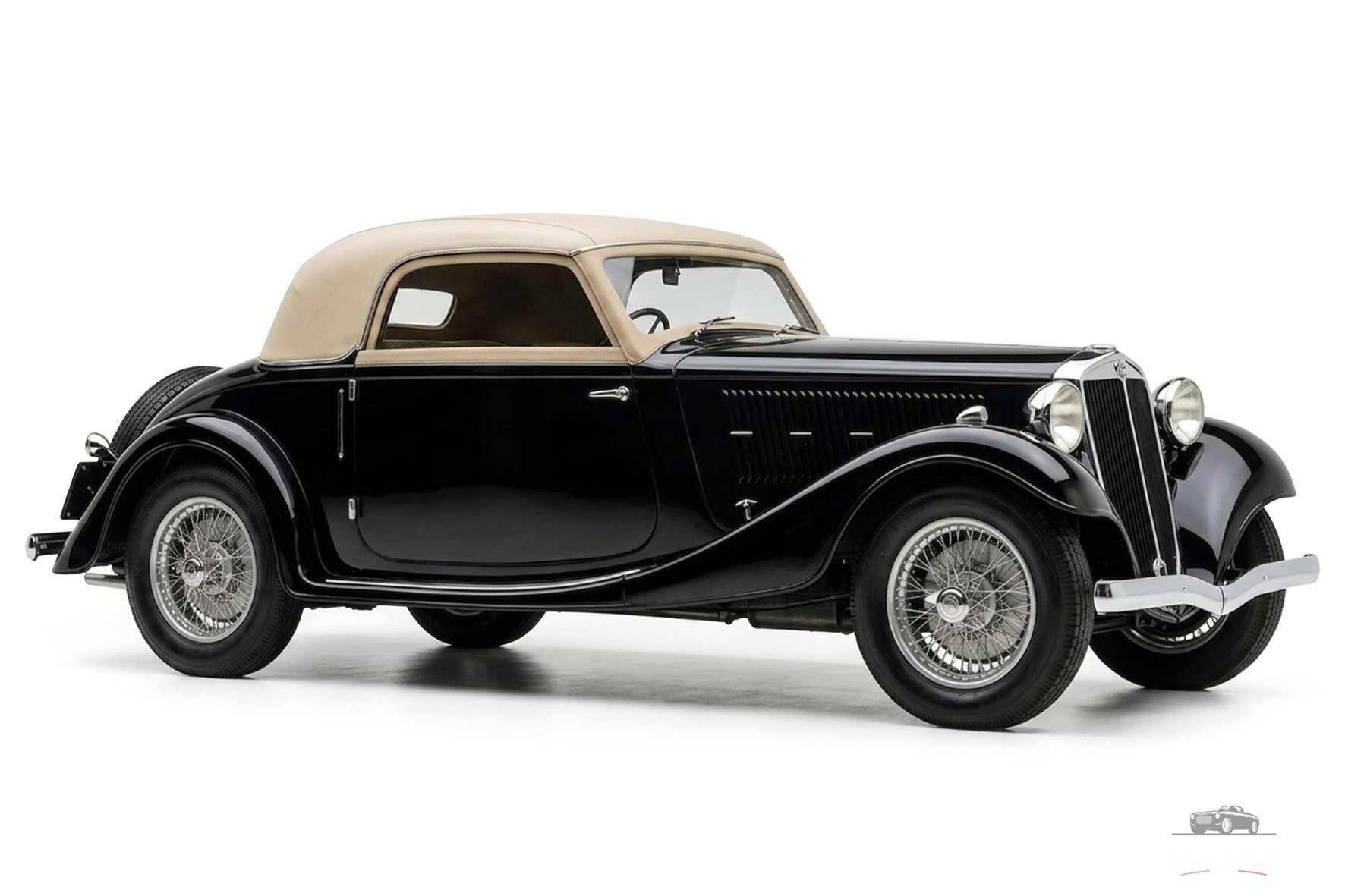
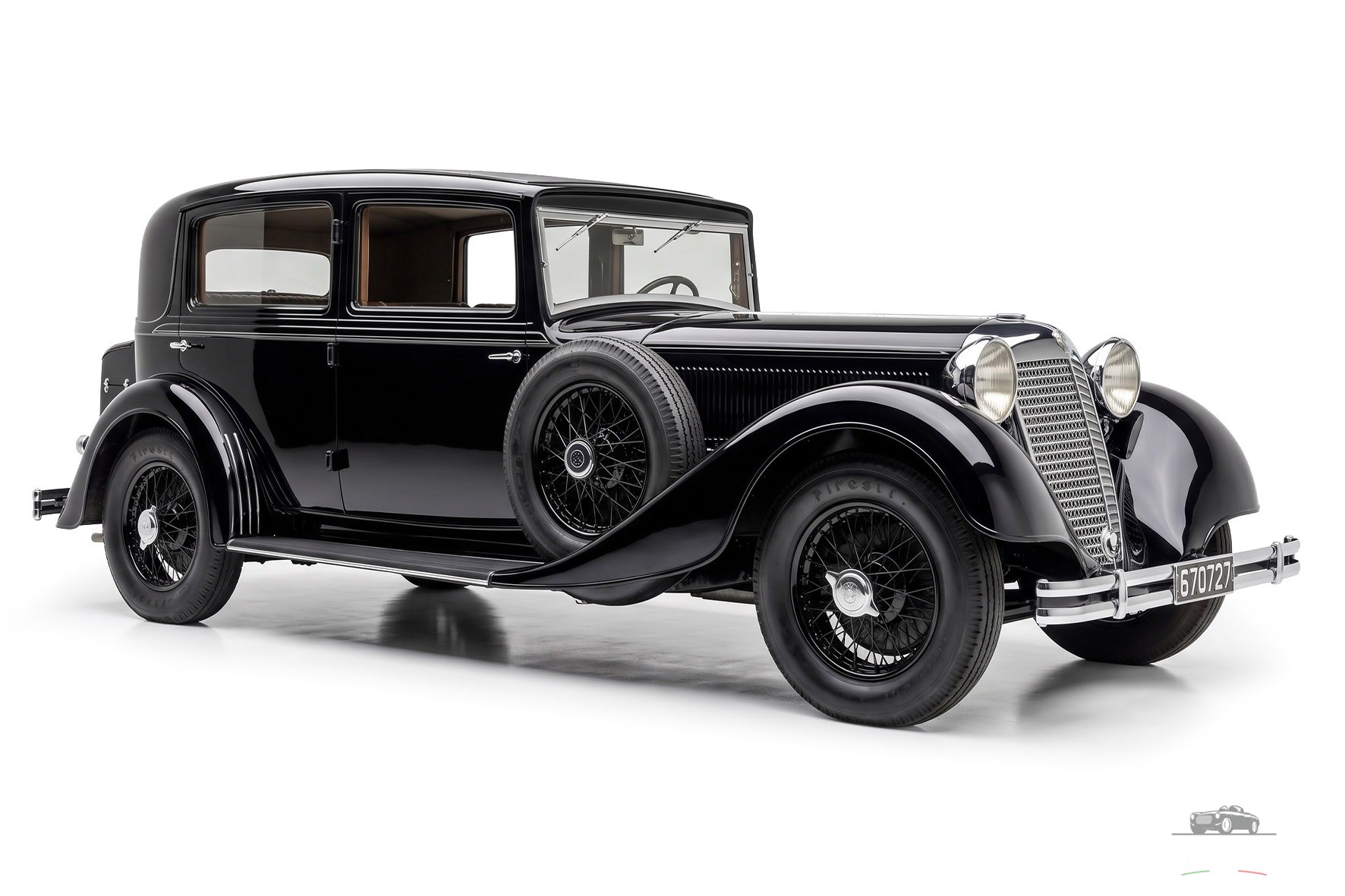
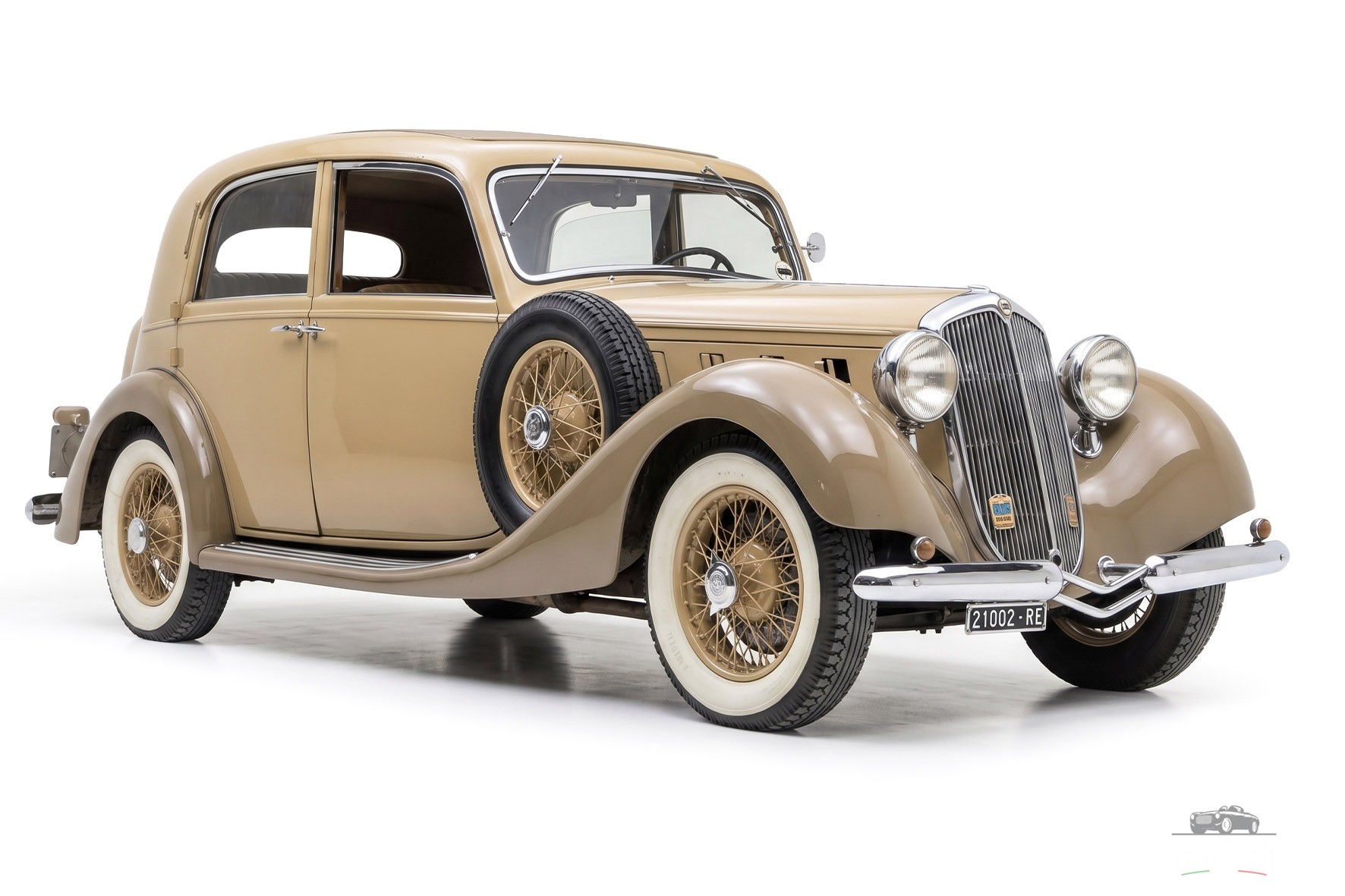
Giovanni Boneschi’s workshop initially produced individual bodies for prestigious chassis in a market still accustomed to customers commissioning coachwork separately from mechanical manufacturers. The appearance of the Lancia Lambda in 1922 opened a more sustained line of business. Enrico Minetti, a Lancia representative in the Milan area, encouraged the supply of more individualized Lambda bodies to his customers. The workshop’s early Lancia work included enclosed and open configurations; a fixed-roof body for the Lambda was described historically as a ballon. Contemporary and later accounts also associate Boneschi with the Dilambda, Astura and Aprilia. These programme names do not establish a single body style or production quantity for every chassis.
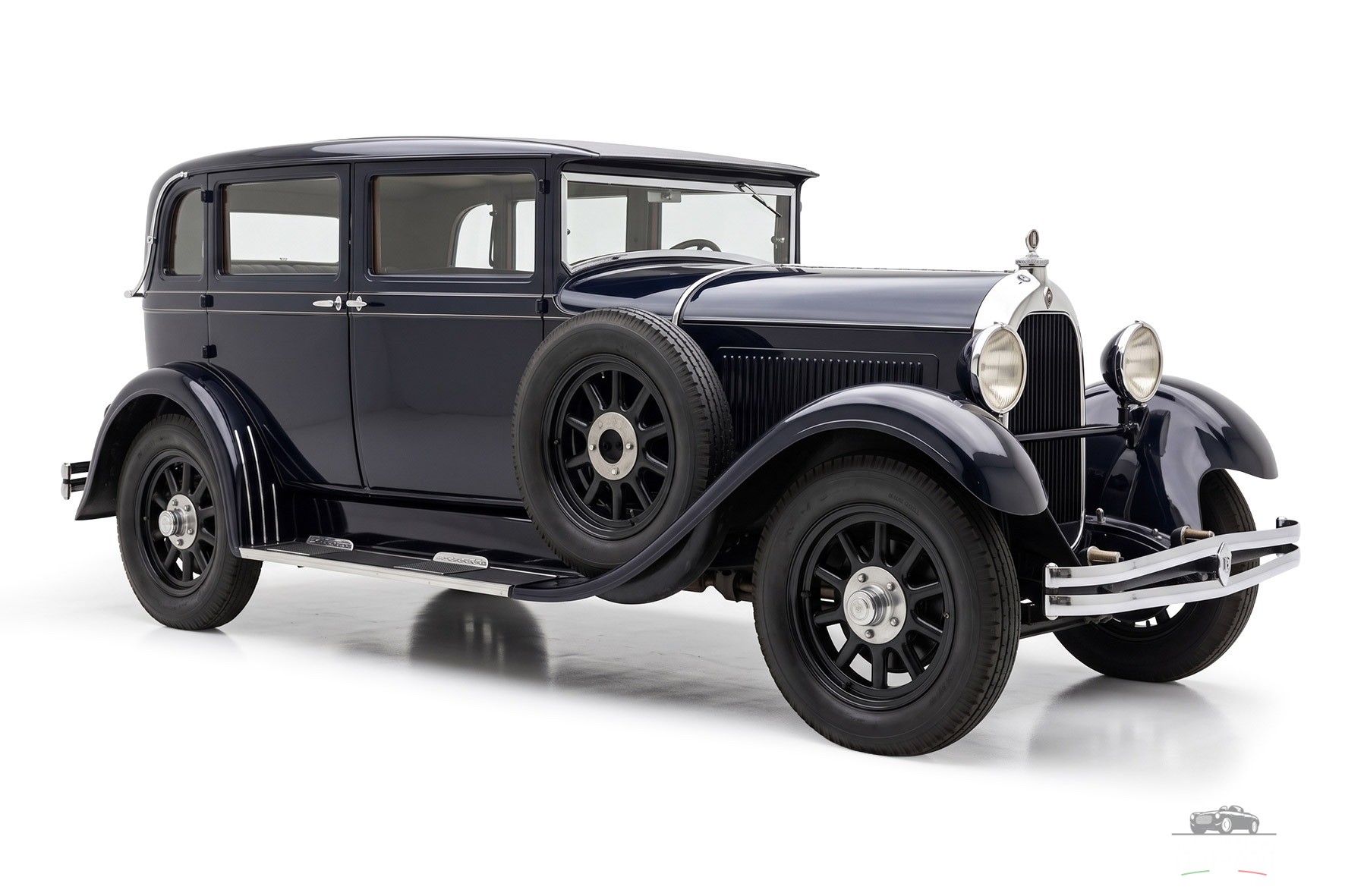
A historical account records the creation of Società Anonima Boneschi in 1923 as an organizational development beyond the original workshop. This date is not interchangeable with the 1919 foundation date, and the precise registration details remain subject to confirmation from commercial records. Boneschi also undertook bodies for Citroën Italiana in the mid-1920s. Lancia continued to be an important source of chassis and commissions during the interwar decades.
Pre-war and post-war bespoke vehicles
During the 1930s the firm built and finished several Lancia Astura and Aprilia variants and extended its coachbuilding activity to Alfa Romeo. Wartime bombing and industrial disruption interrupted production. Following the Second World War, Boneschi resumed work on prestige cars, including Alfa Romeo 6C 2500 commissions and bodies intended for official or representative use. The archive’s separate Alfa Romeo 6C 2500 entries include distinct chassis, body styles and histories; references to ministerial or presidential variants must be assessed against the exact individual vehicle rather than treated as one model.
In the early 1950s Boneschi produced bodies for Fiat as well as special Alfa Romeo 1900 projects, including the Gazzella and Astral. The Fiat 1400 Super Cabriolet Boneschi appears in the archive’s award records for the 1950 Lido di Venezia concours. Such competition results attach to the documented entrant and award classification, not automatically to all cars by the same coachbuilder. Boneschi also undertook work on Lancia Aurelia variants and continued to supply individual conversions during the period when Italian manufacturers increasingly offered complete production bodies.
Rodolfo Bonetto and Linea Tesa
Collaboration with industrial designer Rodolfo Bonetto began around 1958. His approach, later described as Linea Tesa, used taut geometric surfaces and sharply defined intersections in contrast to the prevailing rounded shapes. Boneschi supplied the body-construction and presentation setting for several designs. The distinction between Bonetto as designer and Boneschi as coachbuilder should be retained in each vehicle’s attribution.
The projects included the Fiat 1500 Spider of 1960, the Lancia Flaminia Amalfi of 1961, the OSCA 1600 GT Swift, the Maserati 3500 GT Tight presented in 1962 and the Alfa Romeo 2600 Cabriolet Studionove of 1963. Later proposals included Fiat 2300-based specials and the Fiat 850 Daino. These designs form a related stylistic group, but the sources do not justify assigning Bonetto to every Boneschi vehicle or assuming that announced concepts entered series production.
Industrial bodies and specialist commissions
As the market for privately commissioned passenger-car bodies contracted, the company increasingly produced commercial and special-purpose vehicles, including ambulance, utility and protected-vehicle conversions. Its industrial activities involved Fiat, OM and later Iveco chassis and expanded beyond passenger cars into public-service and railway-related work. The company also provided specialist coachwork outside conventional road vehicles: RM Sotheby’s historical documentation of the Timossi-Ferrari Arno XI racing hydroplane attributes later revisions to its engine fairing and rear stabilising fin to Boneschi during Nando Dell’Orto’s ownership. This is an individually documented marine project, not evidence of a general Boneschi boat-production line.
Savio group and later activity
Boneschi became part of the Savio industrial grouping in 1995 according to the company’s recorded history. The historical Cambiago production facilities were disposed of in the 2000s, with 2006 often cited as the end of operations at the original plants. This must not be represented as a verified date of legal dissolution. Subsequent official company material identifies Boneschi S.r.l. in Genoa, with management and design functions there and prototype and series work in Cavenago di Brianza. It describes continued vehicle conversion, ambulance production, specialist mechanical structures and railway-sector components, using an external industrial supplier network when required.
The company reports that its recent industrial clients have included healthcare bodies, civil and military services and government organizations, with defence-related work described from 2013. These are later activities of the continuing Boneschi business rather than evidence that the original 1919 company retained the same facilities, shareholders or legal form throughout its history. The distinction between the historical coachbuilding workshop, the Savio-era industrial operation and the present business remains important when identifying provenance and corporate ownership.
KEY MOMENTS
Timeline
-
Foundation of Boneschi
Cambiago / Milan area, Italy
-
Boneschi becomes part of the Savio group
Cambiago / Turin, Italy
-
Boneschi obtains EN 1789 ambulance-production certification
Italy, Italy
-
Boneschi ceases to operate its own production plants
Cambiago, Italy
PEOPLE & DESIGN
Designers
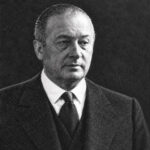
Mario Revelli di Beaumont
Mario Revelli di Beaumont was an Italian automotive designer, active from the interwar period to the postwar era. He collaborated with Stabilimenti Farina, Ghia, Viotti and Bertone, and worked on projects for Fiat and Simca.
Explore record ↗Vehicles at a glance
- Related vehicles
- 96
- Concepts
- 4
- Prototypes
- 4
- One-offs
- 43
- Limited series
- 26
- Fuoriserie
- 19
Recorded vehicle awards
- Class placings
- 2
CONTINUE EXPLORING
Related vehicles

FROM THE JOURNAL
Related Articles
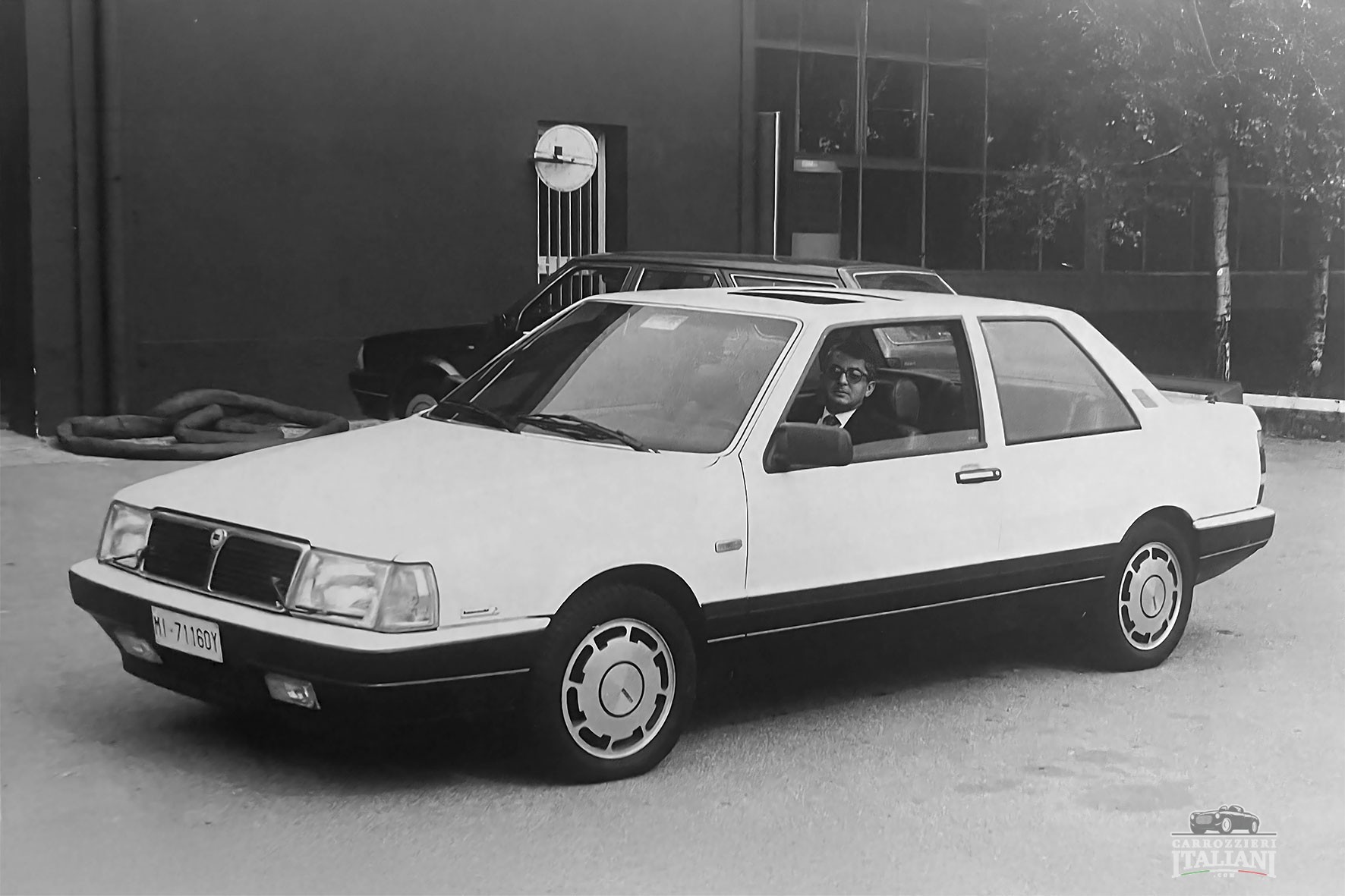
The Unbuilt Thema Coupé: Boneschi’s Gazzella
A one-off Lancia Thema Coupé takes shape in 1980s Italy as Boneschi’s Gazella—an elegant question in metal that would find its answer years later in the Lancia Kappa Coupé.
Read story
Carrozzeria Boneschi: The History
Carrozzeria Boneschi, an iconic Milanese coachbuilder, has played a significant role in shaping the history of Italian automotive design and innovation. Founded in the early 20th century, the company became renowned for…
Read story
The ‘Linea Tesa’ design by Carrozzeria Boneschi
At the turn of the 60s, Carrozzeria Boneschi, together with the designer Rodolfo Bonetto, gave life to a stylistic movement called "Linea Tesa". As the name suggests, this design style features knife…
Read story
Boneschi logo evolution
Carrozzeria Boneschi was established in Milano by Giovanni Boneschi in 1919. Since that day in, Carrozzeria Boneschi has remained an outstanding exponent of the Italian Style on the international coachbuilding scene.
Read story
THE CONVERSATION
Comments 0