
Brianza
AT A GLANCE
- Founded
- 1932
- Closed
- 1938
- Historical city
- Milan
- Country
- Italy
AWARDS & RECOGNITION
Palmarès
Vehicle awards
- Race wins
- 1
1 vehicle award record
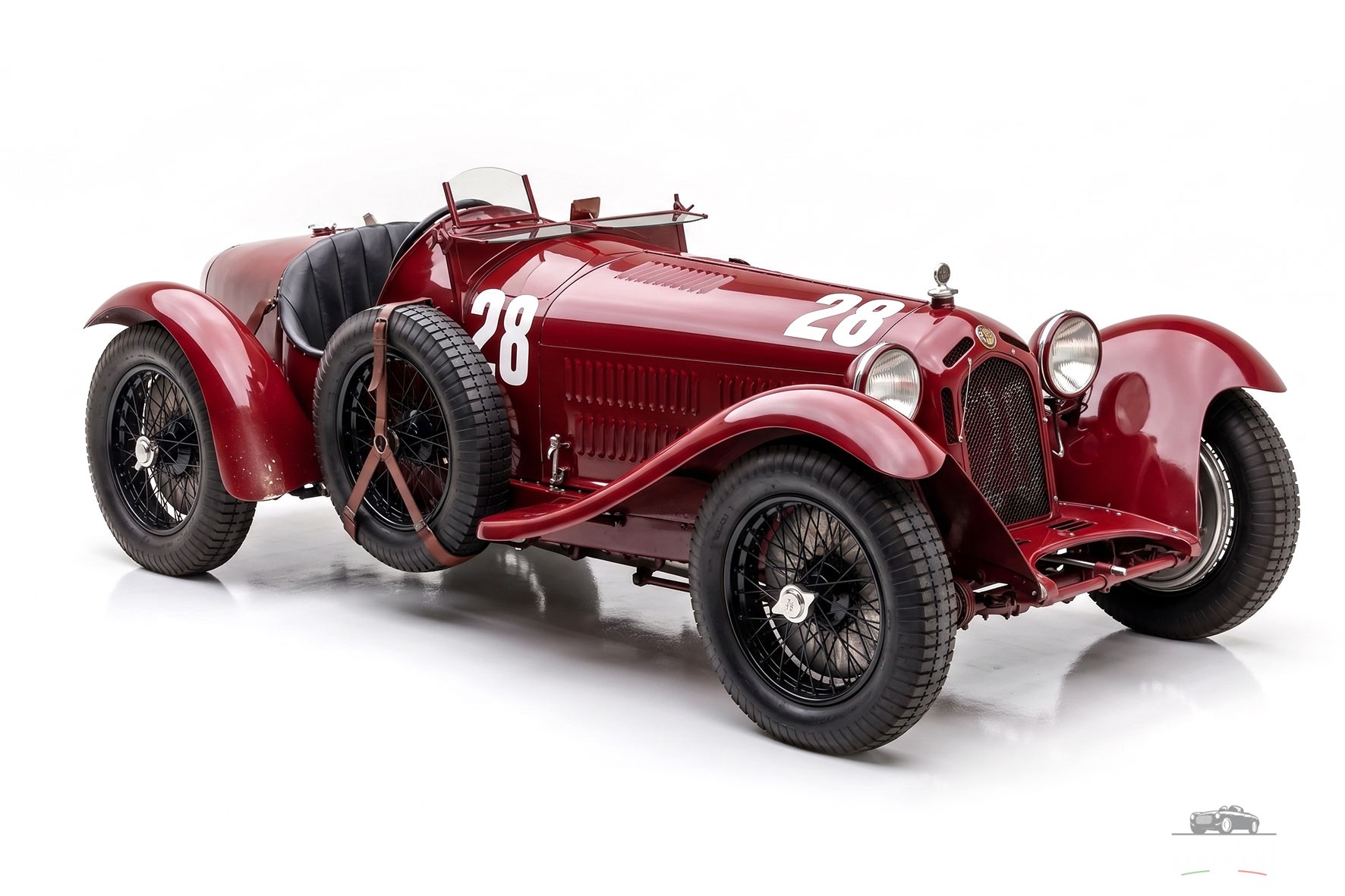
Mille Miglia Winner
Alfa Romeo 8C 2300 Monza Brianza
THE STORY
Overview
Carrozzeria Brianza was an Italian coachbuilding company active in Milan from 1932 to 1938. It was established following the liquidation of the earlier Società Anonima Ugo Zagato and operated from the former Zagato workshops at Viale Brianza 10. Its output included sporting coachwork and special bodies for Alfa Romeo, Maserati, Fiat, Lancia and Isotta Fraschini chassis, followed by an increasing emphasis on commercial vehicles in the latter part of the decade.
Foundation and ownership
The company’s formation was connected to the financial difficulties experienced by the Zagato business during the economic downturn of the early 1930s. In 1932 the principal shareholders of the earlier company, Cesare Francia, Aurelio Moro and Baroness Ruby Nalderl, placed it in liquidation and acquired the workshop and workforce for a new undertaking named Carrozzeria Brianza. The name referred to the Milanese road on which the factory stood. The new organization was a distinct corporate entity rather than simply a change of trading name for Ugo Zagato’s later companies.
Brianza inherited premises with an established tradition of lightweight coachwork. Historical accounts record the firm at Viale Brianza 10 from its foundation. A historical chronology published during Zagato’s centenary identifies Carrozzeria Brianza at that address on 18 January 1932 and again in 1935 and 1937; these dated entries document the use of the company name but do not, by themselves, establish the exact date of legal incorporation.
Relationship with Ugo Zagato
Ugo Zagato was offered a minority shareholding in the new concern in connection with the proposed role of technical director. He withdrew soon after its formation and, with new financial backing involving Vittorio Ascari, acquired the former Carrozzeria Dux undertaking. The resulting Anonima Carrozzeria Ugo Zagato & C. operated from Via Marco Ulpio Traiano 38, close to Alfa Romeo’s Portello works. It should not be confused with Brianza, which continued at the former Viale Brianza site.
Following the closure of that subsequent Zagato venture in 1934, Ugo Zagato returned briefly to Brianza as a consultant. He later established another coachbuilding activity with financial support from Teresa Johnson. The overlap in personnel, manufacturing techniques and design approach helps explain why some Brianza bodies have been described as Zagato-like, but historical attribution still depends upon the particular chassis and bodywork rather than visual resemblance alone.
Passenger-car coachwork
Brianza produced open sporting bodies and other special coachwork during the 1930s. Its work on Alfa Romeo chassis included the 6C 1750 Gran Sport, including the documented fifth-series car numbered 6C*10814395, and 8C 2300 Monza competition bodies. The relationship between an individual Monza and its racing history must be established by its chassis number; the Brianza attribution of a vehicle does not automatically establish that it was the winner of a particular Mille Miglia edition.
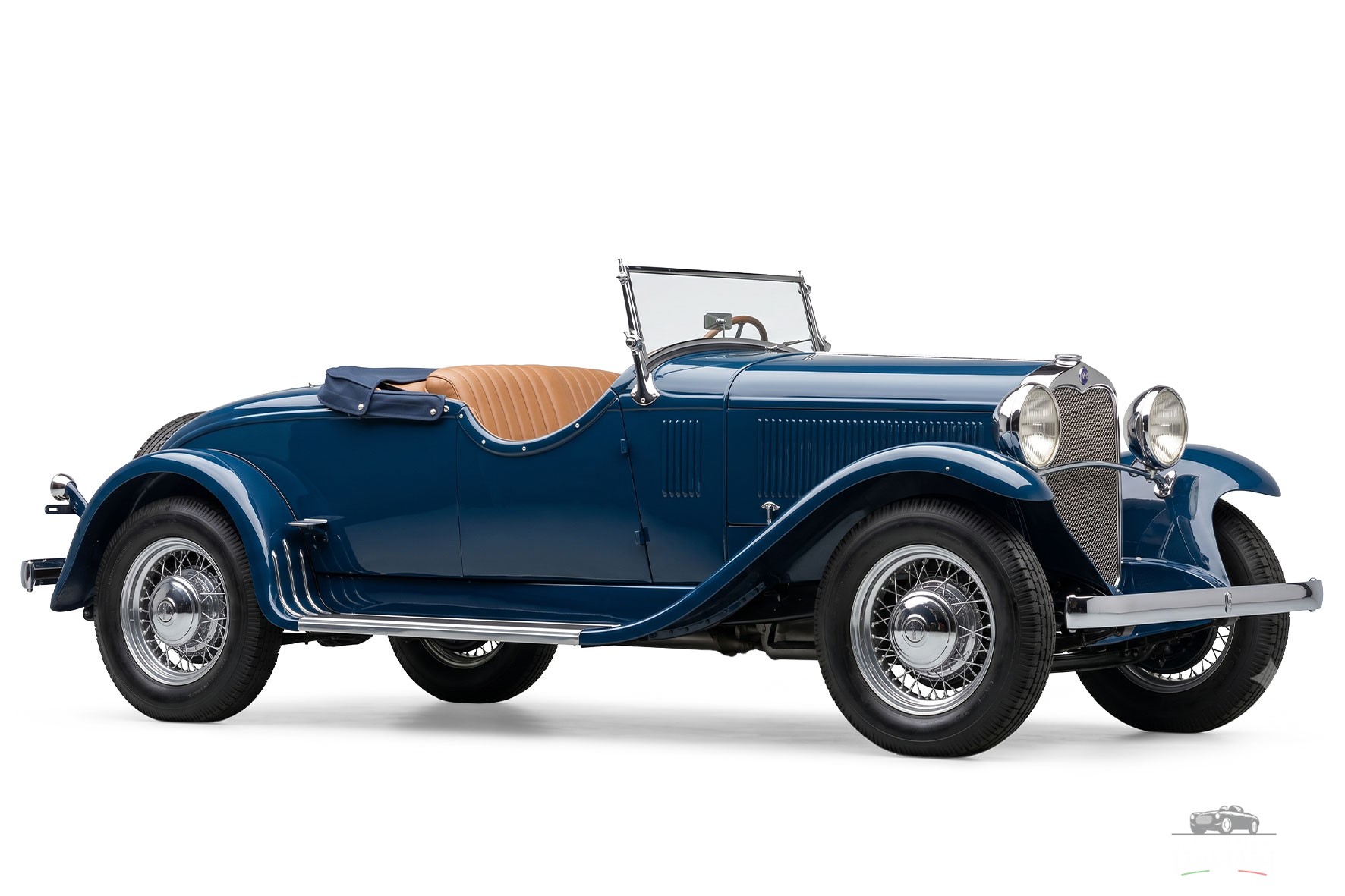
The company also constructed the two-seat roadster body for Maserati 4CS 1100 chassis 1114. This car was displayed at the 1932 Milan motor show and subsequently underwent substantial mechanical and body changes during its competition career. Its later single-seat configuration is therefore distinct from the original Brianza coachwork.
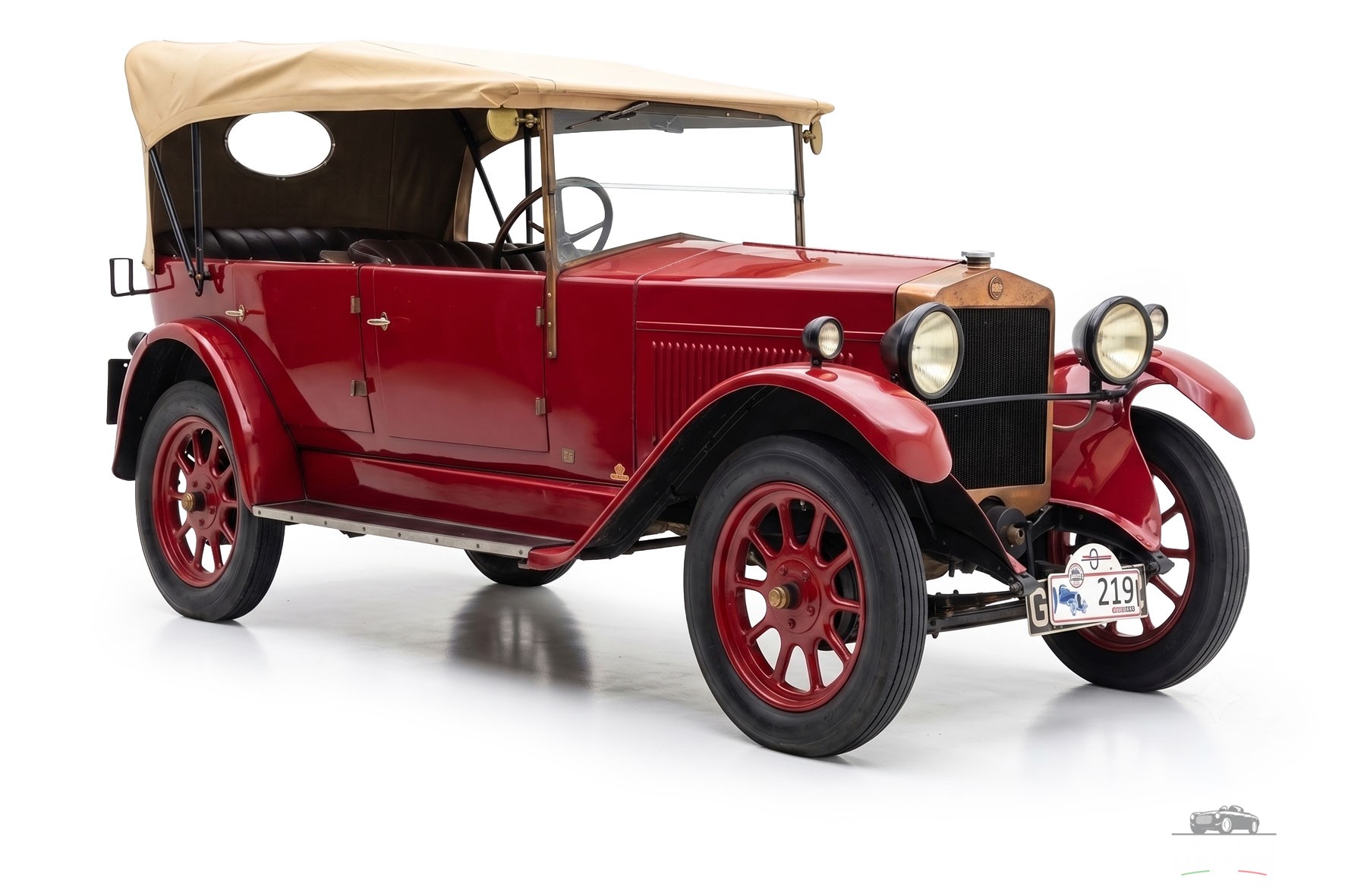
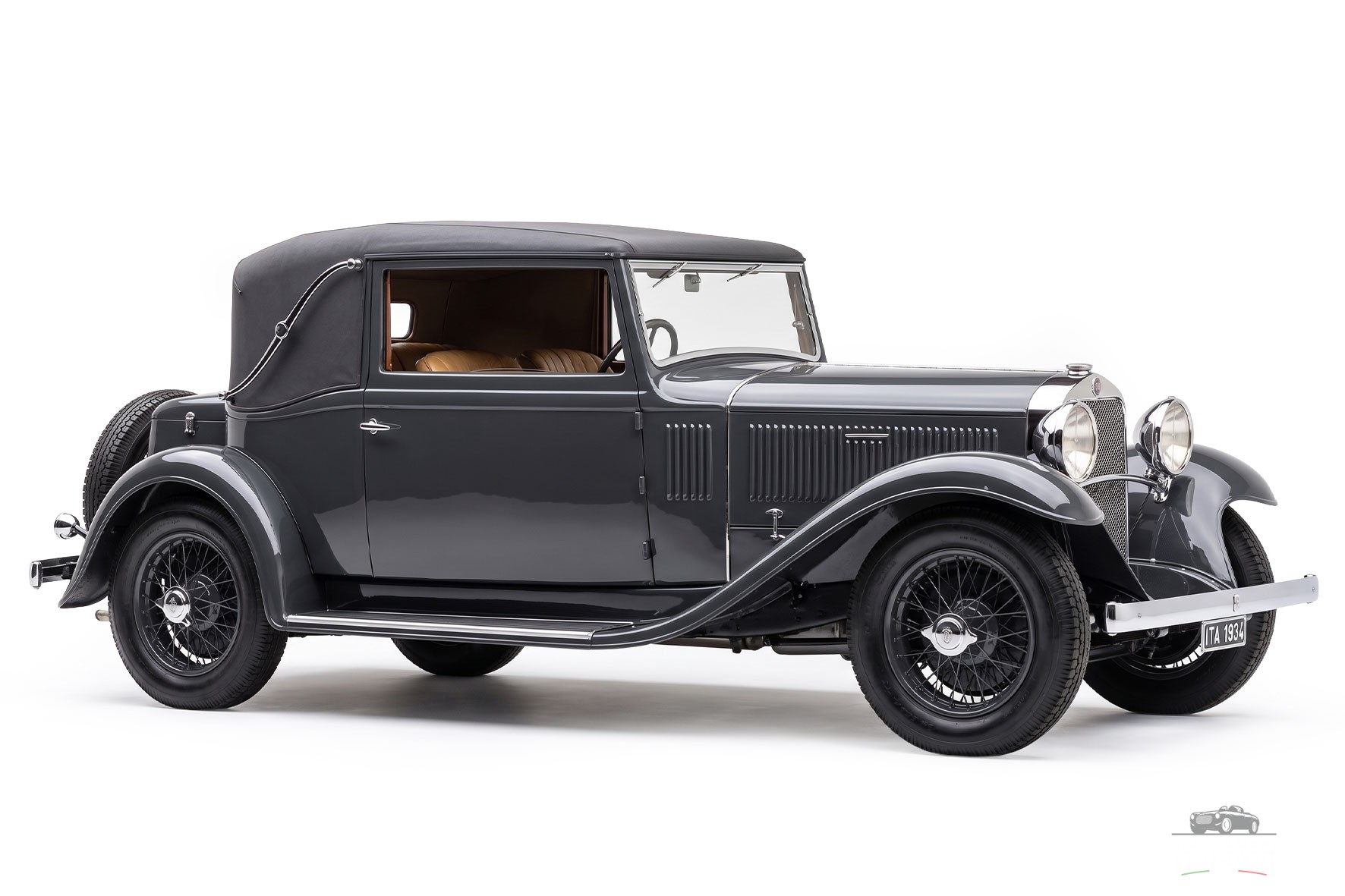
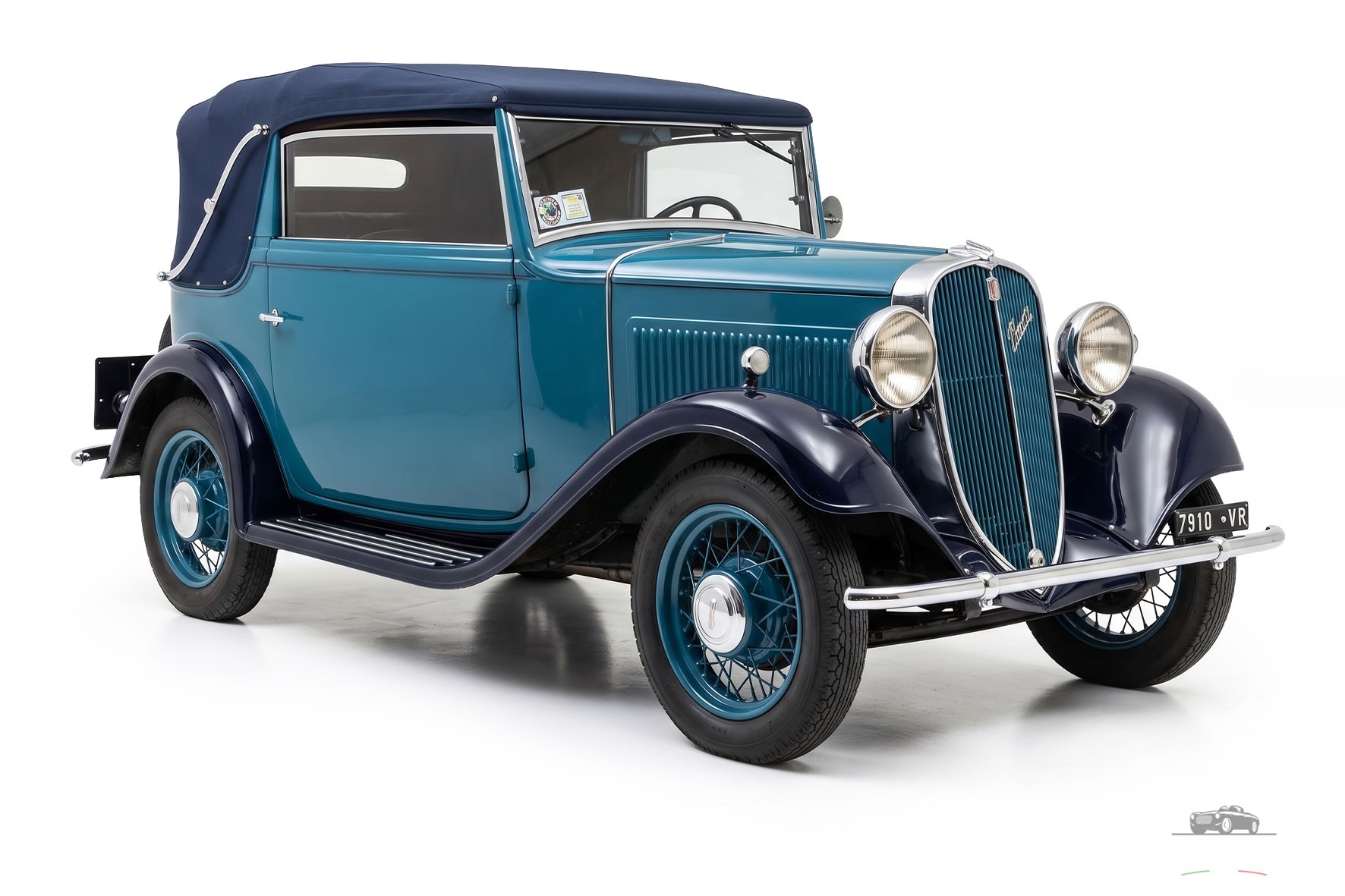
Fiat-based examples include coachwork on the 508 Balilla. A Brianza Coupé Royal appears in an Italian museum collection and regional design documentation, although those accounts differ over whether the example should be dated 1932 or 1933. The archive also records the Lancia Artena Spider and a separately catalogued Artena Faux Cabriolet. Their shared bodywork attribution does not demonstrate that they used the same chassis.
Period and specialist accounts further describe Isotta Fraschini-bodied commissions, including formal and more streamlined designs. Exact production totals for Brianza’s passenger-car bodies have not been securely established. Some archival listings also attribute a Fiat 509 A dated 1926–27 to Brianza; because these dates precede the documented foundation of the firm, the coachwork date and attribution require separate confirmation and must not be treated as evidence of Brianza’s pre-1932 existence.
Exhibitions and industrial activity
Carrozzeria Brianza made an early public appearance at the Milan motor show in 1932. The firm’s sporting roadsters and formal coachwork represented a continuation of the Milanese custom-body tradition while operating under separate ownership from the contemporaneous Zagato businesses. Reports of further displays in the following years include Isotta Fraschini and other Italian chassis, although exhibition dates and individual vehicles must be matched against original catalogues before being assigned definitive participation records.
During the later 1930s the workshop increasingly undertook industrial and commercial-vehicle bodywork. Brianza ceased trading in 1938. The commission to construct truck cabs for Isotta Fraschini subsequently passed to Ugo Zagato’s business, but the transfer of that manufacturing work does not, in itself, establish a merger or legal succession between the two companies.
Historical identification
Brianza’s history forms a distinct chapter in the industrial development of Italian coachbuilding between the Zagato company’s restructuring and the renewed independent activity of Ugo Zagato. Its documented vehicles and workshop history should be classified under Carrozzeria Brianza where supported by contemporary or chassis-specific evidence. Individual bodies, competition results, restorations and later rebodies require separate documentation, particularly where the visual style resembles earlier or later Zagato designs.
KEY MOMENTS
Timeline
-
Foundation of Brianza
Milan, Italy
-
Carrozzeria Brianza closes
Milan, Italy
Vehicles at a glance
- Related vehicles
- 7
- One-offs
- 1
- Limited series
- 4
- Fuoriserie
- 2
CONTINUE EXPLORING



THE CONVERSATION
Comments 0