
Caprera
AT A GLANCE
- Historical city
- Turin
- Country
- Italy
THE STORY
Overview
Carrozzeria Caprera was a Turin coachbuilding and vehicle-finishing company active by the late 1950s. The workshop assembled and painted vehicle bodies for other companies before introducing Fiat-based models under its own name in 1959. Its work extended to small-series body conversions, light commercial vehicles, custom interior trim and exhibition prototypes. The precise year of foundation, names of the founders and legal dissolution date have not been established from an independently verified company register.
Origins and workshop activity
Caprera took its name from Via Caprera in Turin. A contemporary company advertisement identifies Carrozzeria Caprera S.r.l. at Via Caprera 47, with the telephone number 39.31.00. A separate period brochure for the Fiat 850 programme identifies a bodywork division at Corso IV Novembre 189, Tetti Neirotti, Rivoli. These documents establish two historical address references but do not by themselves establish their exact opening and closing dates or prove whether both facilities operated concurrently.
Before developing proprietary vehicle designs, the company specialised in assembling unfinished body shells and industrial painting. Historical accounts describe a mechanised paint line and contract operations carried out for larger firms, but do not identify individual customers or the number of bodies processed. The 1952 foundation date printed on the legacy coachbuilder page remains uncorroborated and is not treated as a verified incorporation date.
The Fiat 600 Capri and Amalfi
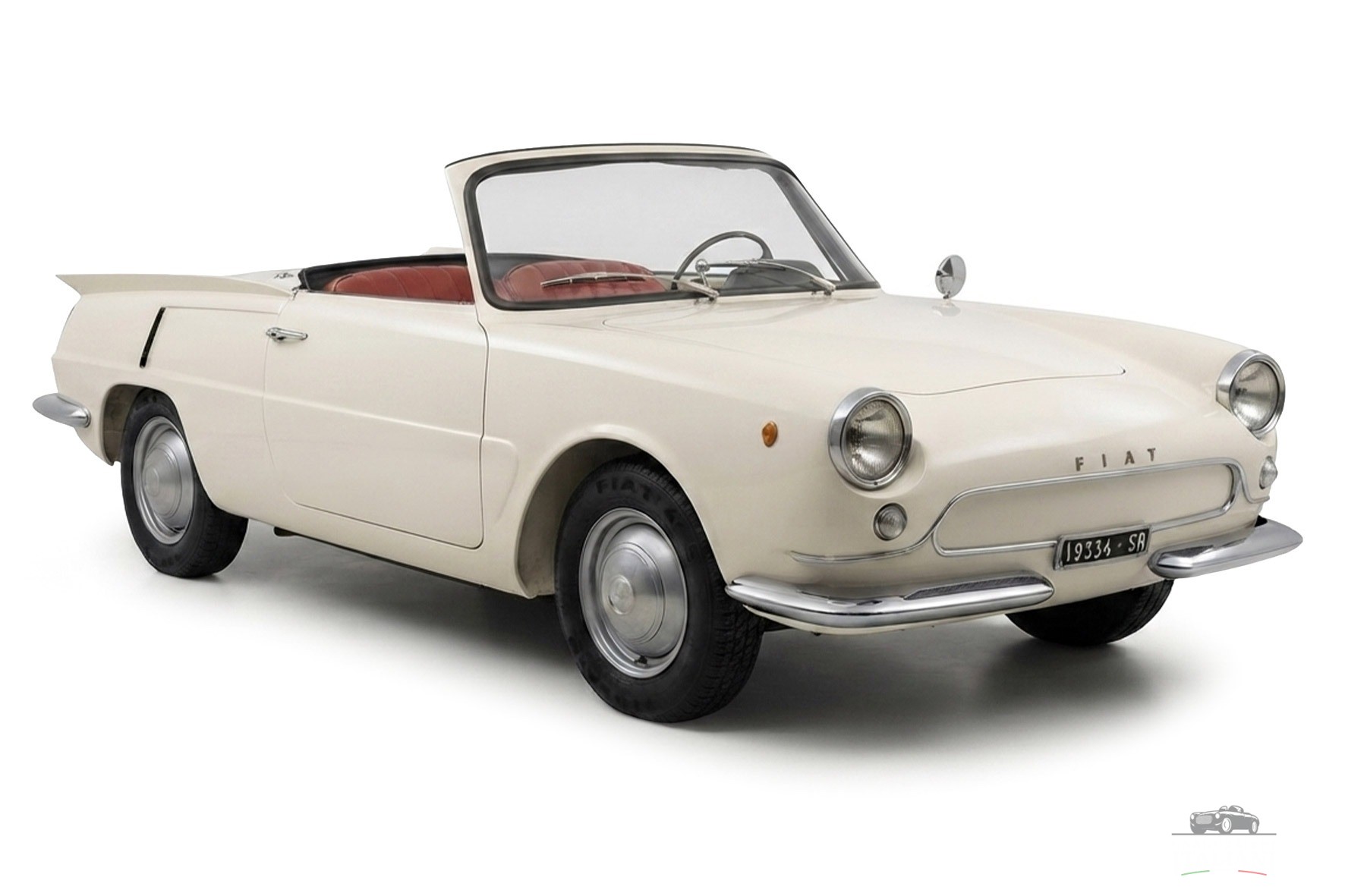
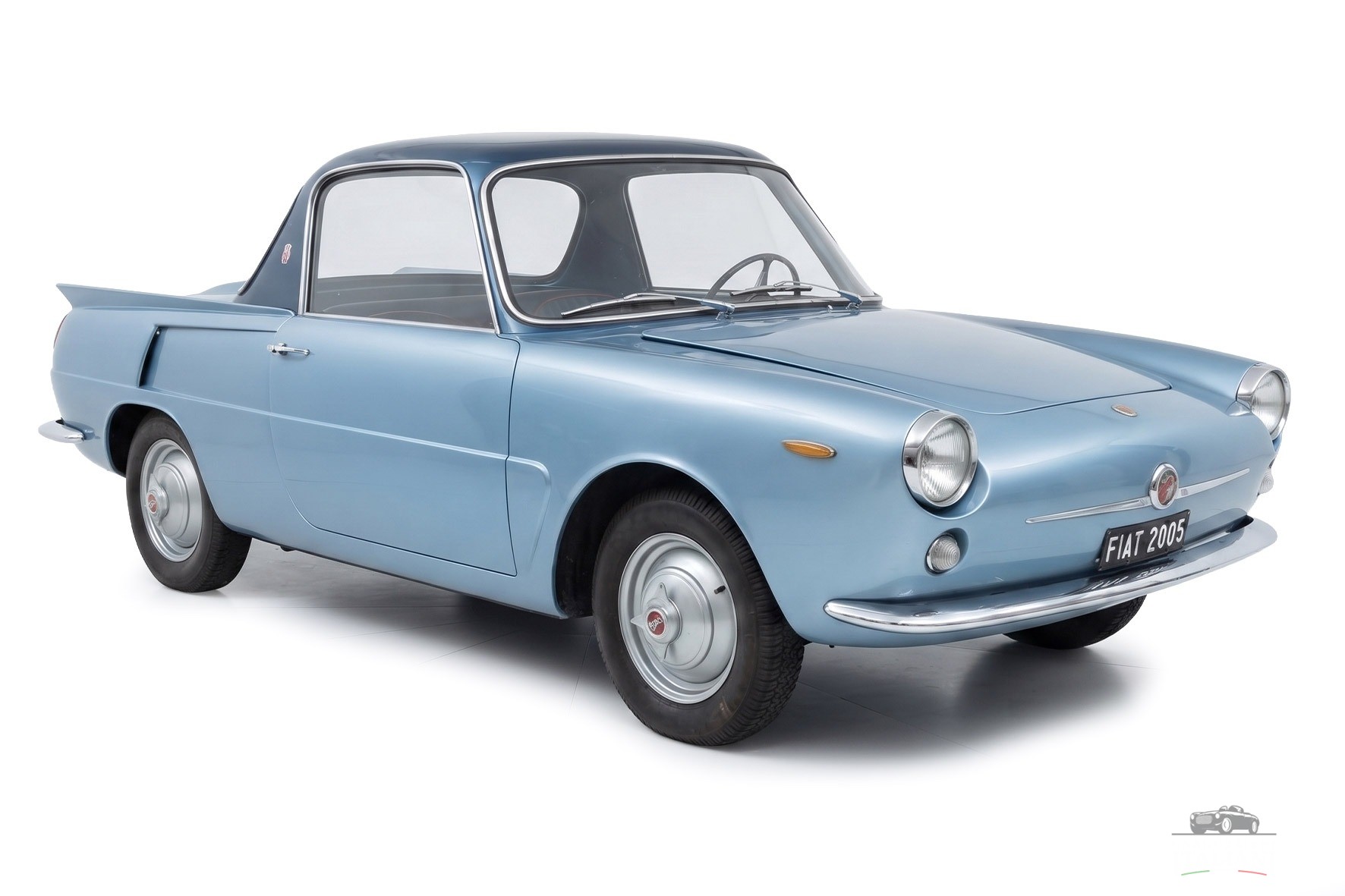
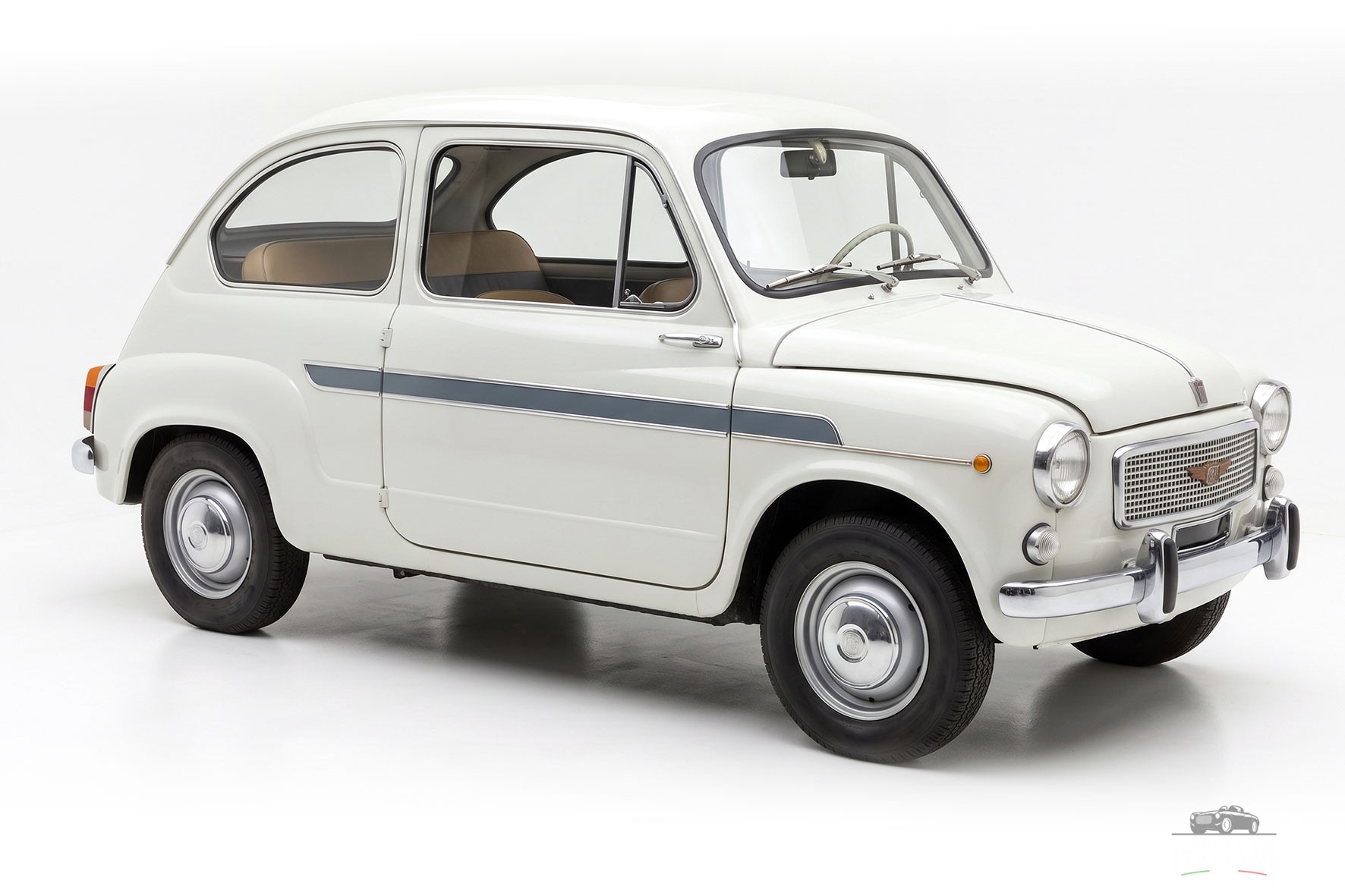
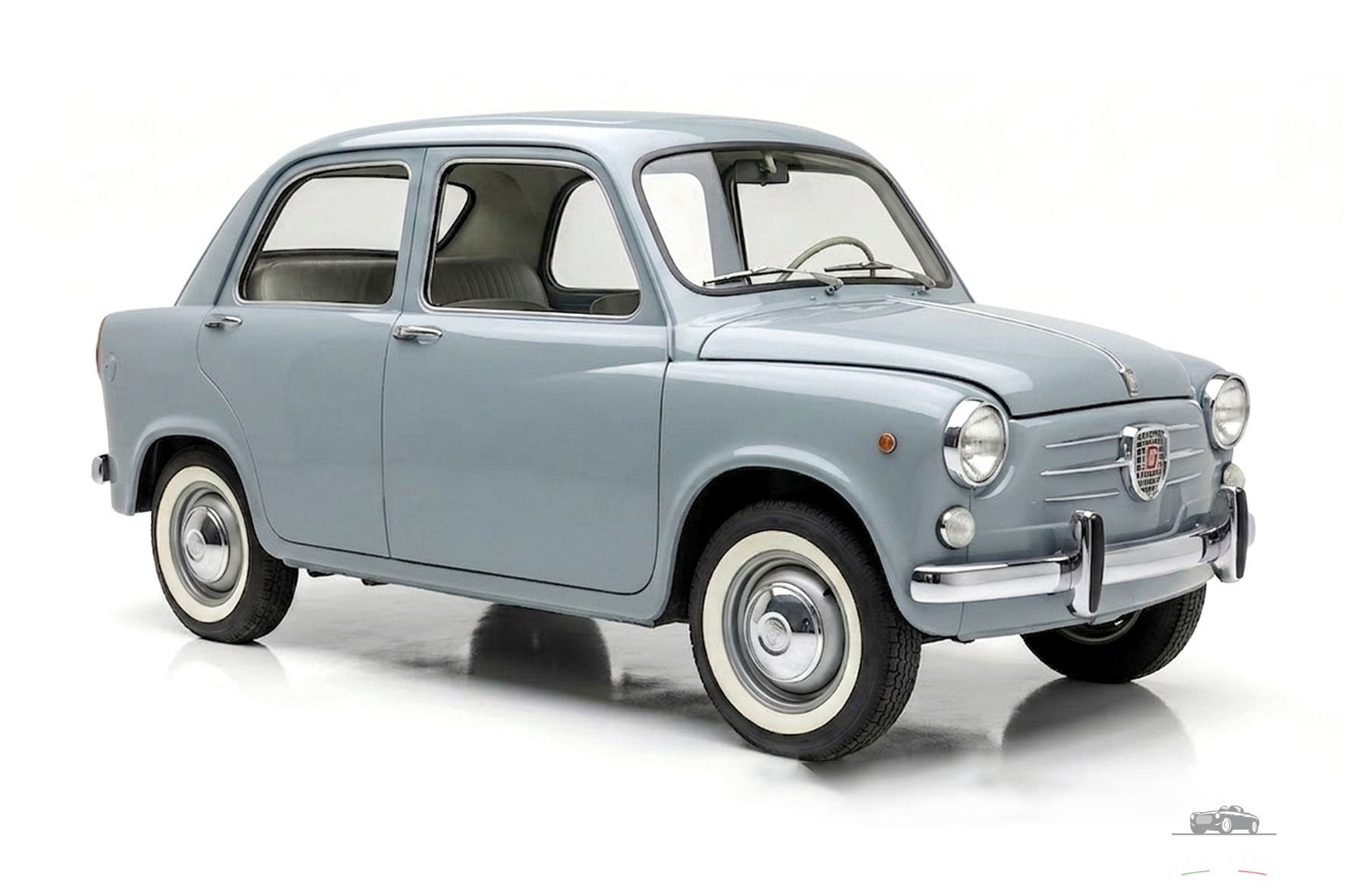
In 1959 Caprera introduced two independently developed vehicles on Fiat 600 mechanical foundations: the open Fiat 600 Spider Capri and the closed Fiat 600 Amalfi. The Capri’s introduction in 1959 must be distinguished from subsequent versions and later offers of cars based on Fiat 600 D components. Contemporary illustrations and specialist historical documentation support a limited commercial programme, but no complete factory production ledger has been identified. Claims about precise numbers built or the individual chassis of photographed examples therefore remain unresolved.
The departure from subcontract bodywork into its own Fiat-based cars did not produce a sustained volume of sales. Caprera subsequently concentrated on vehicle conversions and finishing work rather than maintaining a separate large-scale passenger-car production line.
Commercial vehicles and adapted Fiats
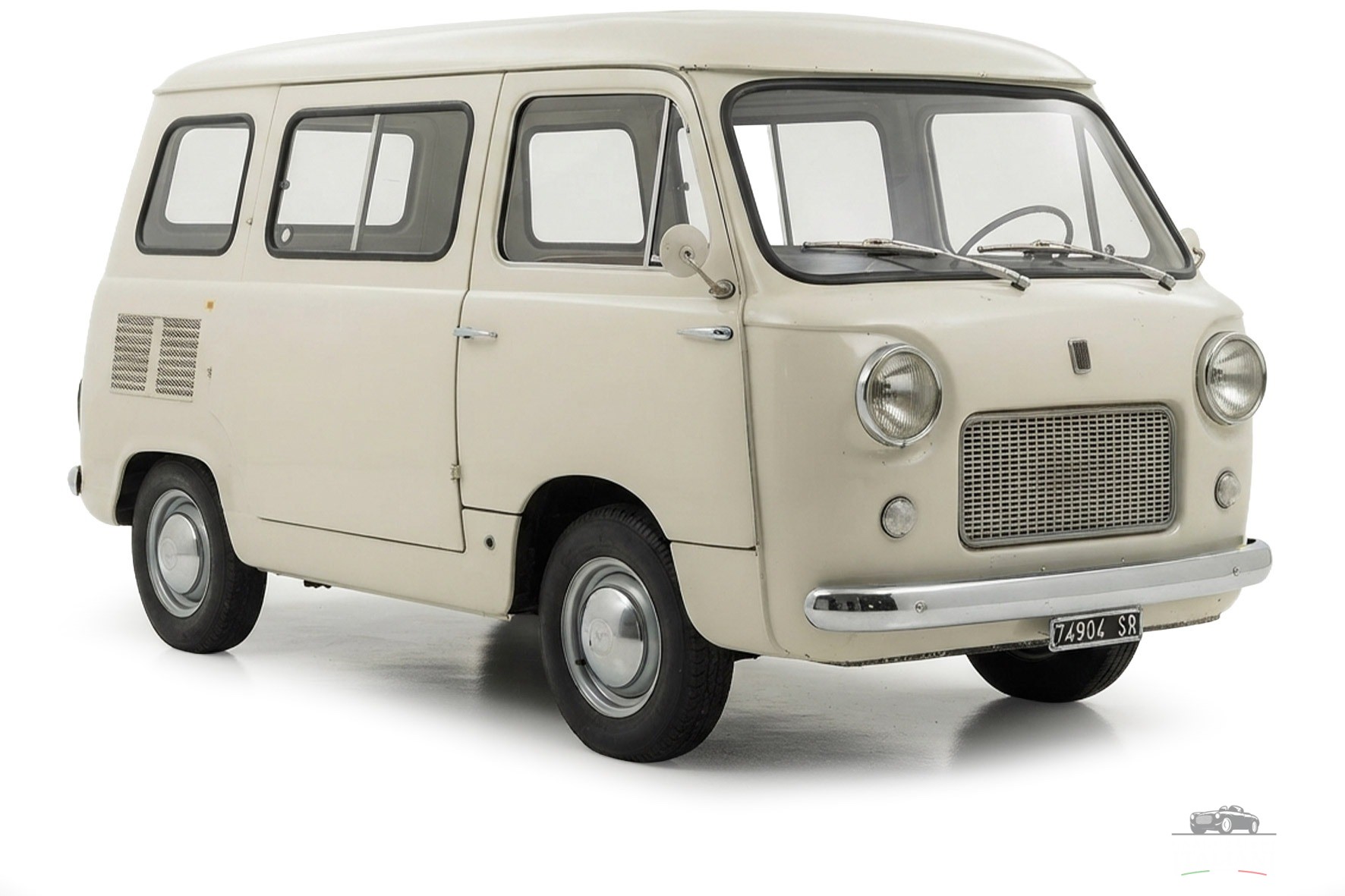
The company’s commercial programme included van, minibus and high-roof adaptations on the Fiat 600 T platform, represented in the archive by the Fiat 600 T Furgone Caprera and Fiat 600 T Tetto Rialzato. These vehicles belong to a different branch of the company’s work from the Capri and Amalfi passenger cars. The workshop also offered improved upholstery, decorative trim, special paint finishes and distinctive badges for existing production vehicles.
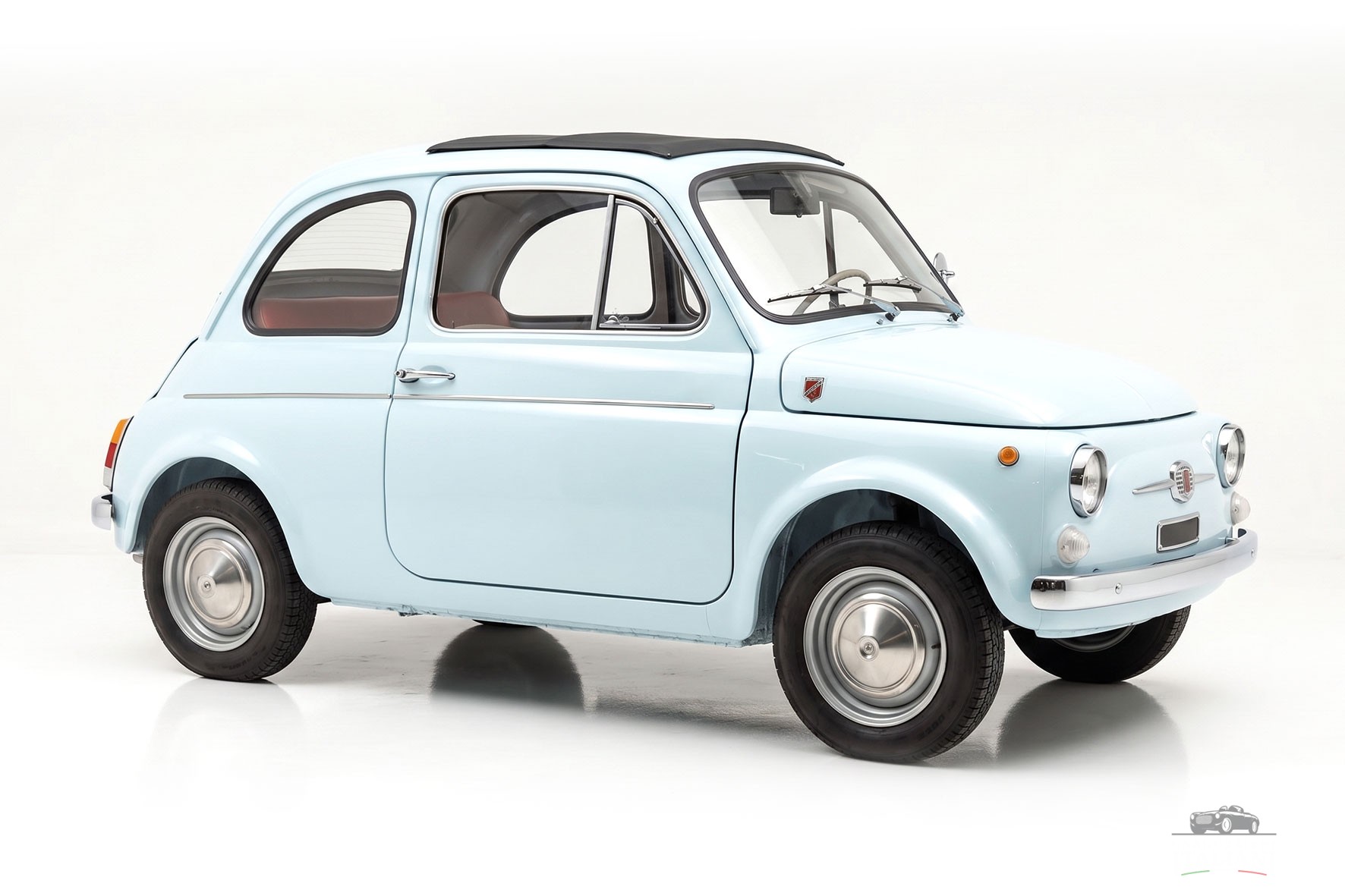
Such treatments could leave the manufacturer’s original bodyshell substantially unchanged. The Fiat 500 Caprera exemplifies this distinction: a documented Fiat 500 L was given Caprera-identifying trim and badges rather than an entirely new outer body. The Fiat 850 Caprera Berlina similarly illustrates modifications to a standard saloon, including ornamental details and a sliding roof that the firm also offered as an aftermarket installation.
Fiat 850 special bodies
Caprera produced several interpretations of the Fiat 850 following the model’s appearance in 1964. The Fiat 850 Belvedere was a station-wagon or giardinetta conversion with extended rear roofwork and a large rear opening. The car is associated with the 1964 Turin motor-show period; some later descriptions cite 1965, and this dating discrepancy requires comparison with the contemporary show catalogue. Historical publicity established that the conversion was offered to customers, but the number of completed examples is not known.
The Fiat 850 Coupé Caprera was another distinct body programme. Period advertising documented an offered price of 1,150,000 lire in January 1966 for a Caprera Berlinetta; this figure describes an advertised new-car price, not a verified sale. One known Caprera-bodied 850 later wore Moretti badges, which cannot by themselves establish Moretti as its original body designer or coachbuilder. The archive also retains a separate Fiat 850 Coupé Caprera family record, which must not be merged into the identified Berlinetta without chassis-level evidence.
The 1969 Lem and Ragno programme
For the 1969 Turin Motor Show Caprera developed an exceptionally low two-seat coupé on Fiat 500 F mechanical foundations, commonly identified as the Fiat 500 Ragno. The vehicle used a resin body over a tubular frame and incorporated retractable headlamps. A surviving Caprera brochure distinguishes the basic Lem specification from the more fully equipped Ragno-S, including changes in seating and safety equipment. The brochure records proposed prices of 820,000 and 850,000 Italian lire respectively; these are period offer prices, not evidence of completed customer sales.
Historical research describes two surviving or documented examples of the coupé with minor differences, correcting its earlier treatment as a definitively unique car. It is not yet clear which example appeared at the 1969 exhibition. The 595 cm³ specification printed for the Ragno-S must not be transferred indiscriminately to other Caprera vehicles or to the base Lem version. No sustained series-production programme has been confirmed.
Later activity and historical record
Caprera’s documented range extends into the beginning of the 1970s, including specialised Fiat conversions. Its precise date of closure remains unknown. The surviving catalogue contains a variety of Fiat and at least one Alfa Romeo attribution, but several entries are supported only at model or body-design level. The number of examples produced, individual chassis identities, ownership histories, designers and suppliers require corroboration before being asserted as company-wide facts.
Caprera illustrates the diversity of Turin coachbuilding after the Second World War: contract body finishing, commercial-vehicle adaptation, personalised production cars and independently styled exhibition models were all carried out under the same name. Its historical identity must be kept separate from any unverified attribution on a particular chassis.
KEY MOMENTS
Timeline
-
Caprera launches its first own cars, Capri and Amalfi
Turin, Italy
-
Caprera shifts toward Fiat 600 T commercial vehicles and upgraded series-car trim
Turin, Italy
Vehicles at a glance
- Related vehicles
- 18
- Prototypes
- 1
- One-offs
- 1
- Limited series
- 4
- Fuoriserie
- 11
CONTINUE EXPLORING


THE CONVERSATION
Comments 0