
Colli
AT A GLANCE
- Founded
- 1931
- Closed
- 1973
- Historical city
- Milan
- Country
- Italy
AWARDS & RECOGNITION
Palmarès
Vehicle awards
- Class wins
- 1
1 vehicle award record
THE STORY
Overview
Carrozzeria Colli was a Milanese coachbuilding company established by Giuseppe Colli in the early 1930s and subsequently operated by his sons Mario, Beniamino, Tarcisio and Candido. Its work encompassed lightweight aluminium sports bodies, competition cars, experimental aircraft-related structures and conversions for Alfa Romeo and other manufacturers. The foundation year is reported as 1931 in several registers and as 1932 in a detailed account published in 1992; the date of formal incorporation has not been independently established. The historical workshop operated in Milan, with a period industrial directory identifying an address at Viale Certosa 181.
Foundation and family management
Giuseppe Colli had worked in the Milanese coachbuilding trade, including a period associated with Carrozzeria Touring. His experience in working sheet aluminium informed the company’s emphasis on light and rigid bodies. Following his death in 1936, the four sons continued the family enterprise, dividing practical and managerial responsibilities. The identities of their individual design contributions to particular automobiles cannot routinely be inferred from their ownership of the business.
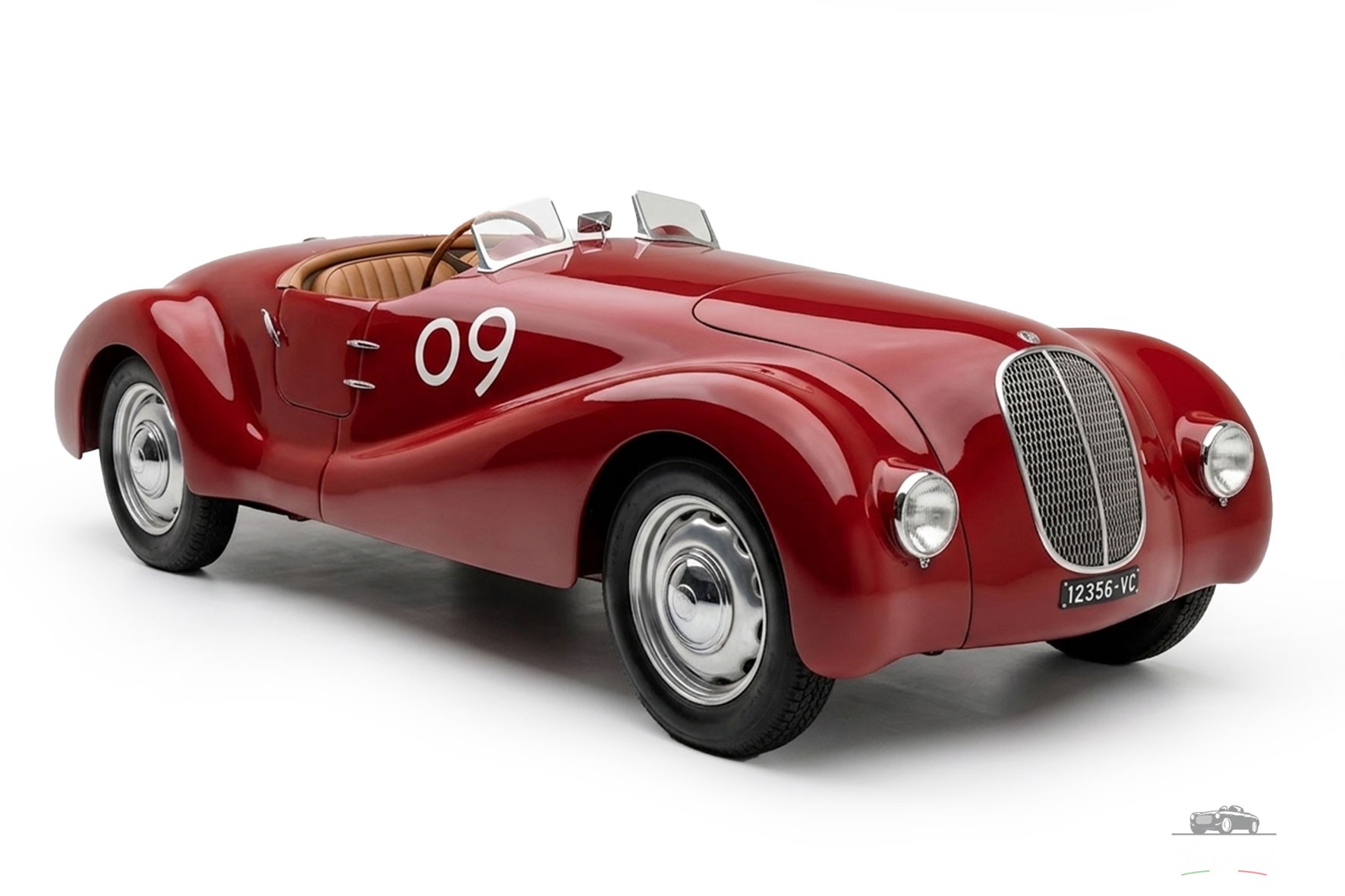
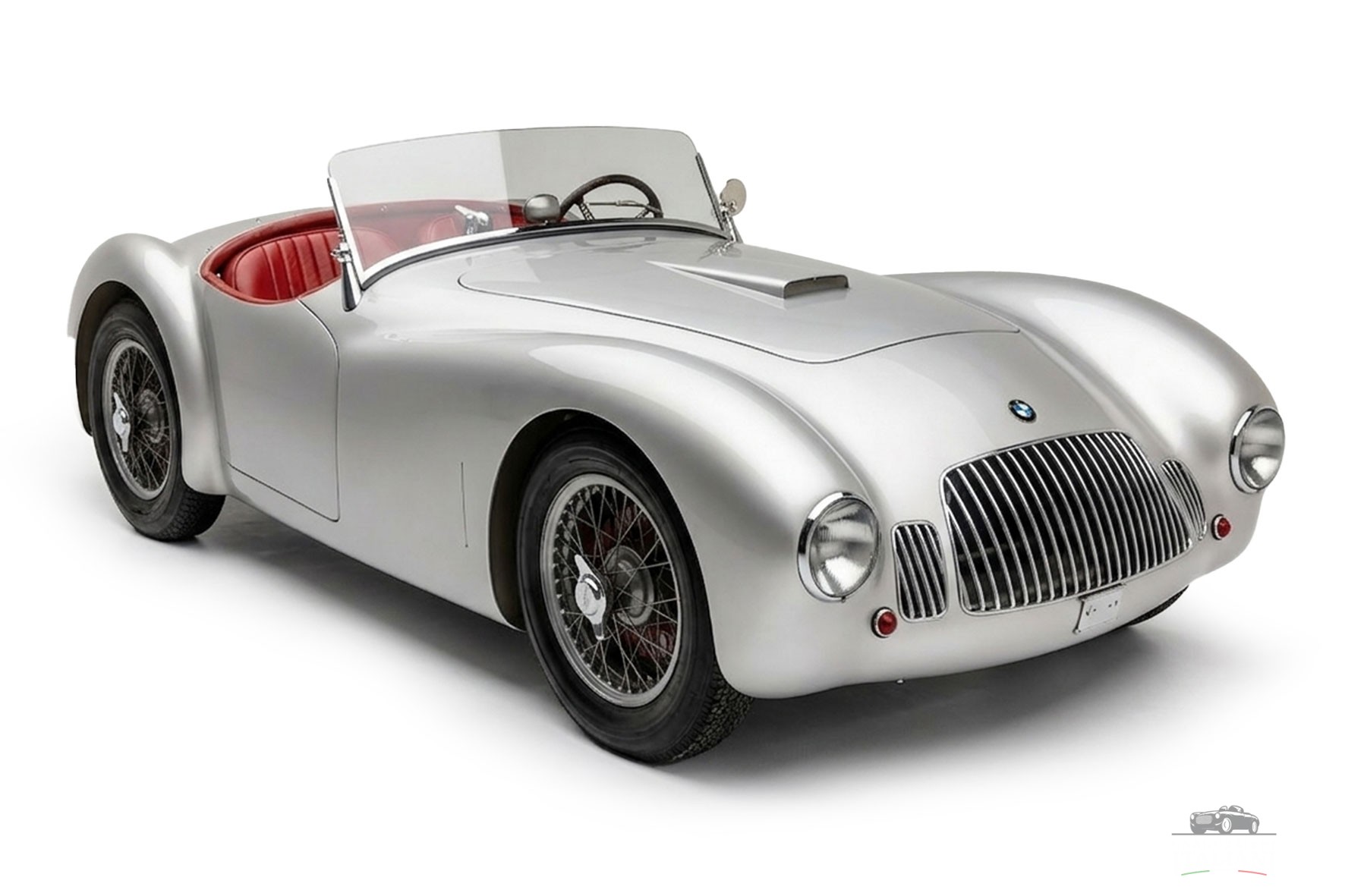
Before the Second World War the workshop created individual and small-series sports bodies for Fiat, Lancia and Alfa Romeo mechanical bases, as well as special tubular frames. Its catalogue included light, relatively compact open competition bodies and more conventional closed coachwork. Among documented early associations are the Lancia Astura Mille Miglia and Fiat-based sports cars. These are distinct vehicles rather than instances of a single standardized Colli body design.
Aluminium construction and wartime aeronautics
Colli’s manufacturing expertise centred on hand-shaped aluminium panels, lightweight frameworks and the demands of sports-car construction. During the Second World War its staff worked on components for military aircraft, including structural and sheet-metal assemblies. This activity was industrial fabrication, not evidence that Colli was itself an aircraft manufacturer. The materials and processes acquired during the wartime period later informed the workshop’s experimental vehicles.
Aerauto and the post-war return to cars
In 1946 Colli constructed the Aerauto PL 2C, an experimental road-and-air vehicle with folding wings that was presented to the press. Aeronautical accounts identify engineer Luigi Pellarini with the project, whereas a retrospective Italian coachbuilding history gives the surname Pellegrini; the attribution requires examination of contemporary project documentation. The PL 2C remained a prototype. A later, three-seat Aer 1 configuration was tested in 1948, but did not enter serial production. The 1946 presentation and 1948 test programme must not be combined into a single date or vehicle identity.
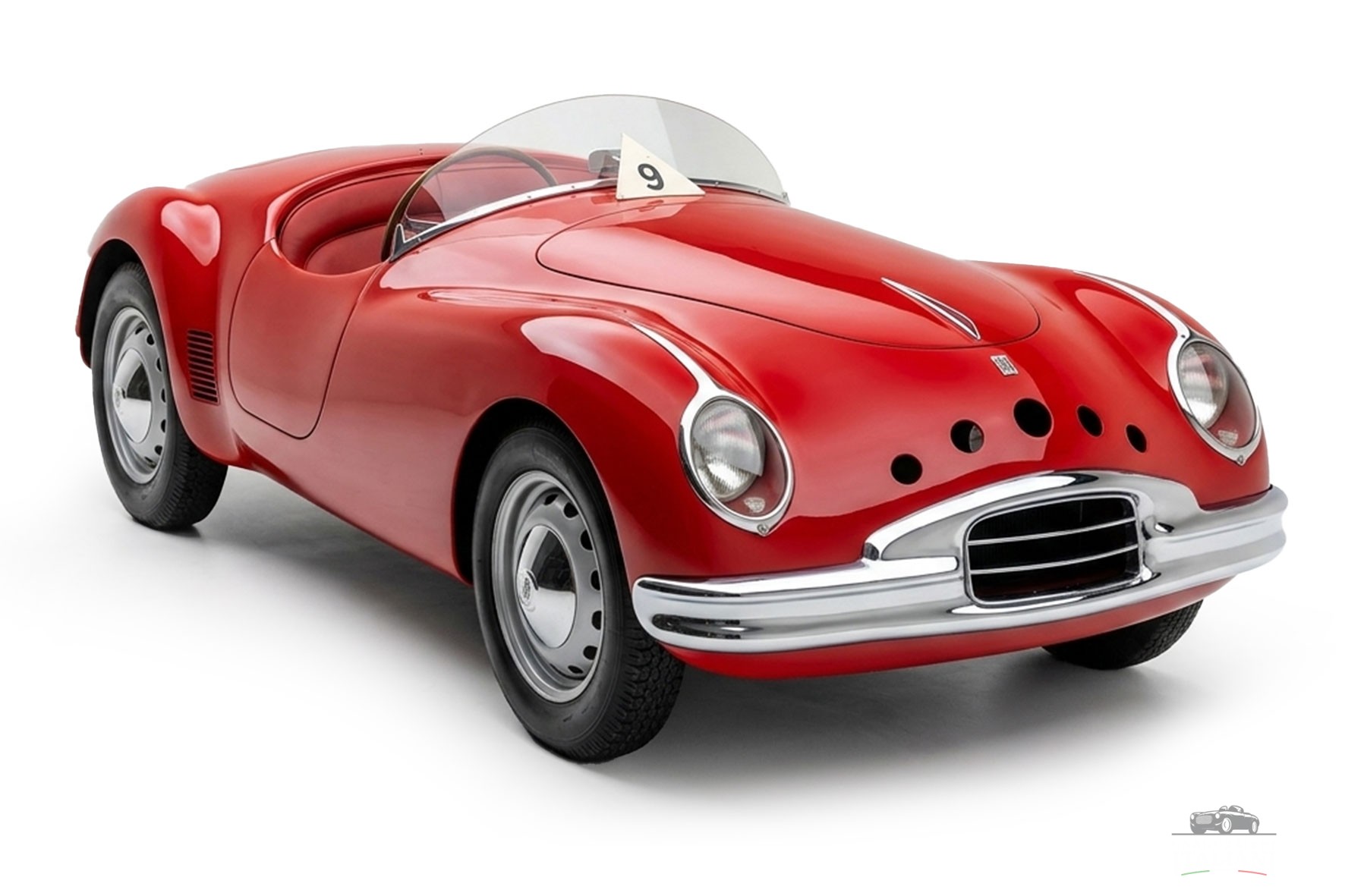
Colli resumed special automobile coachwork in the late 1940s. The 1949 Fiat 500 Spider Sport preserved by Museo Nicolis is a Fiat-derived roadster with a lightweight body built by Colli, identified by the museum as probably a one-off. The workshop also produced Fiat 1100-based sports bodies, including the Fiat 1100 Cabriolet, and worked on other Lancia and Fiat chassis. The museum’s surviving Spider Sport must be kept distinct from other Fiat 500 barchettas and the car displayed at Villa d’Este in 1947, unless a documented chassis or photographic connection is established.
Exhibitions and specialist construction
A contemporary-history account describes the public reception of a Fiat 500 sports-bodied car shown at the 1947 Villa d’Este concours, but does not establish a specific official class victory. The same account attributes concours results in Cannes and Nice in 1949 and Venice in 1950 to Fiat 1100 bodies by Colli. Until the exact cars, classes and contemporary result lists are reconciled, those retrospective notices should not be equated with verified individual vehicle awards.
Colli also collaborated with specialists in tubular chassis. A 1951 Alfa Romeo 6C 2500 SS-based coupé is described with a Gilco frame, with the related design commission attributed in historical accounts to Guido Cattaneo for Cabi. A Fiat 1100 S-based Extraleggera with Gilco frame was also presented at Turin around this period. These examples illustrate body construction and specialist chassis supply as separate roles; neither creates a general attribution of all Colli vehicles to Gilco.
Alfa Romeo racing programme
The relationship with Alfa Romeo expanded in the early 1950s and included work for its competition and experimental departments. Colli constructed bodies for the Alfa Romeo 6C 3000 CM Berlinetta and 6C 3000 CM Spider. Alfa Romeo’s own historical account dates the programme to 1953, records Juan Manuel Fangio’s second place at the Mille Miglia in a coupé, and identifies his victory at the Gran Premio Supercortemaggiore in Merano in the Spider. Giuseppe Busso’s documented engineering contribution concerned the engine, not an individually established design credit for the coachwork.
Colli was also involved in Alfa Romeo’s aerodynamically unconventional Disco Volante-related developments, including narrower-bodied experimental derivatives. The Alfa Romeo 6C 2500 SS Coupé and the Alfa Romeo 1900 Primavera demonstrate other applications of its coachbuilding capacity. Cars sharing an Alfa Romeo model designation can differ significantly in chassis, period, purpose and body specification; Colli’s separate original and later-body versions must be catalogued individually.
Production derivatives and estate conversions
Alongside competition work, Colli prepared special bodies and adaptations for Alfa Romeo passenger cars, including extended-wheelbase 1900 derivatives and utility or service applications. Particularly significant were the Alfa Romeo Giulietta Promiscua and the Alfa Romeo Giulia Promiscua, practical estate or giardinetta conversions undertaken outside Alfa Romeo’s standard saloon production. In the Giulia conversion, the original saloon structure was largely retained to the central body area, while the roof and rear panels were redesigned to provide a load compartment.
Such conversions were supplied in restricted numbers for specialist customers, including service fleets, police use and dealer-assistance operations. They were not a factory-standard Giulietta or Giulia estate produced on the regular Alfa Romeo assembly line. Records describing these models identify Colli as the coachbuilding organisation; they do not establish an individual body designer. The company is also associated in secondary literature with bodywork for the 1955 Arzani–Volpini Formula One project, but the precise scope of that commission requires better period documentation.
Final years and legacy
As manufacturers increasingly internalised experimental body construction and the economics of specialist fabrication changed, Colli’s volume of independent coachbuilding work declined. A detailed retrospective history dates the end of activity to 1972, whereas Museo Nicolis and other historical summaries give 1973. These dates may reflect different definitions of workshop closure and corporate cessation, and should remain distinct until company records can resolve them. No later continuation of the original firm is established by the name alone.
Carrozzeria Colli is represented today by surviving racing bodies, small-series derivatives, museum collections, contemporary photographs and original coachbuilder badges. Its significance lies particularly in the continuity between aluminium craft construction, competition engineering, aeronautical experimentation and limited-production passenger-car conversions across the 1930s to early 1970s.
KEY MOMENTS
Timeline
-
Foundation of Colli
Milan, Italy
-
Death of Giuseppe Colli
-
Colli completes the Aer 1 aero-automotive prototype
Milan, Italy
-
Carrozzeria Colli closes
Milan, Italy
Vehicles at a glance
- Related vehicles
- 34
- Prototypes
- 1
- One-offs
- 11
- Limited series
- 7
- Fuoriserie
- 15
CONTINUE EXPLORING
Related vehicles






THE CONVERSATION
Comments 0