
Dux
AT A GLANCE
- Founded
- 1928
- Closed
- 1931
- Historical city
- Milan
- Country
- Italy
THE STORY
Overview
Carrozzeria Dux
Carrozzeria Dux (S.A. Carrozzeria Dux) was a Milanese coachbuilding enterprise active at the end of the 1920s and the beginning of the 1930s. It produced special bodies for automobile chassis supplied by established manufacturers rather than building its own complete car. The company is closely connected with Vittorio Ascari, previously involved with Carrozzeria Falco and Touring, and with the later industrial history of Ugo Zagato. Contemporary photographs and specialist coachbuilding collections document Dux-bodied Alfa Romeo and Citroën automobiles. Its precise legal dates and subsequent transfer of assets have been reported differently in historical accounts.
Origins and management
Vittorio Ascari, brother of the racing driver Antonio Ascari, was associated with the coachbuilding business that became Carrozzeria Touring in Milan in 1926. After leaving Touring, he became involved with Carrozzeria Dux. The legacy history names Sandro Volpi as company president, while specialist historical testimony identifies Ascari in a technical leadership role; the respective shareholdings and legal appointments remain insufficiently documented. The legacy archive dates the enterprise to 1928, as does the Coachbuild directory, but specialist historian Paolo Giusti gives a founding date of 1929. These dates should not be treated as independently established registration dates without the relevant corporate documents.
Milano and the workshop
The premises associated with Dux stood at Via Marco Ulpio Traiano 38, Milan, opposite Alfa Romeo’s Portello works. The location is documented in Alessandro Sannia’s biography of Ugo Zagato, published by the Dizionario Biografico degli Italiani. It placed the enterprise in the industrial area where independent coachbuilders worked with manufacturers’ chassis and equipment. The specific occupation dates of the workshop under Dux, and the distinction between registered company address and productive premises, require archival confirmation.
Coachwork on Alfa Romeo chassis
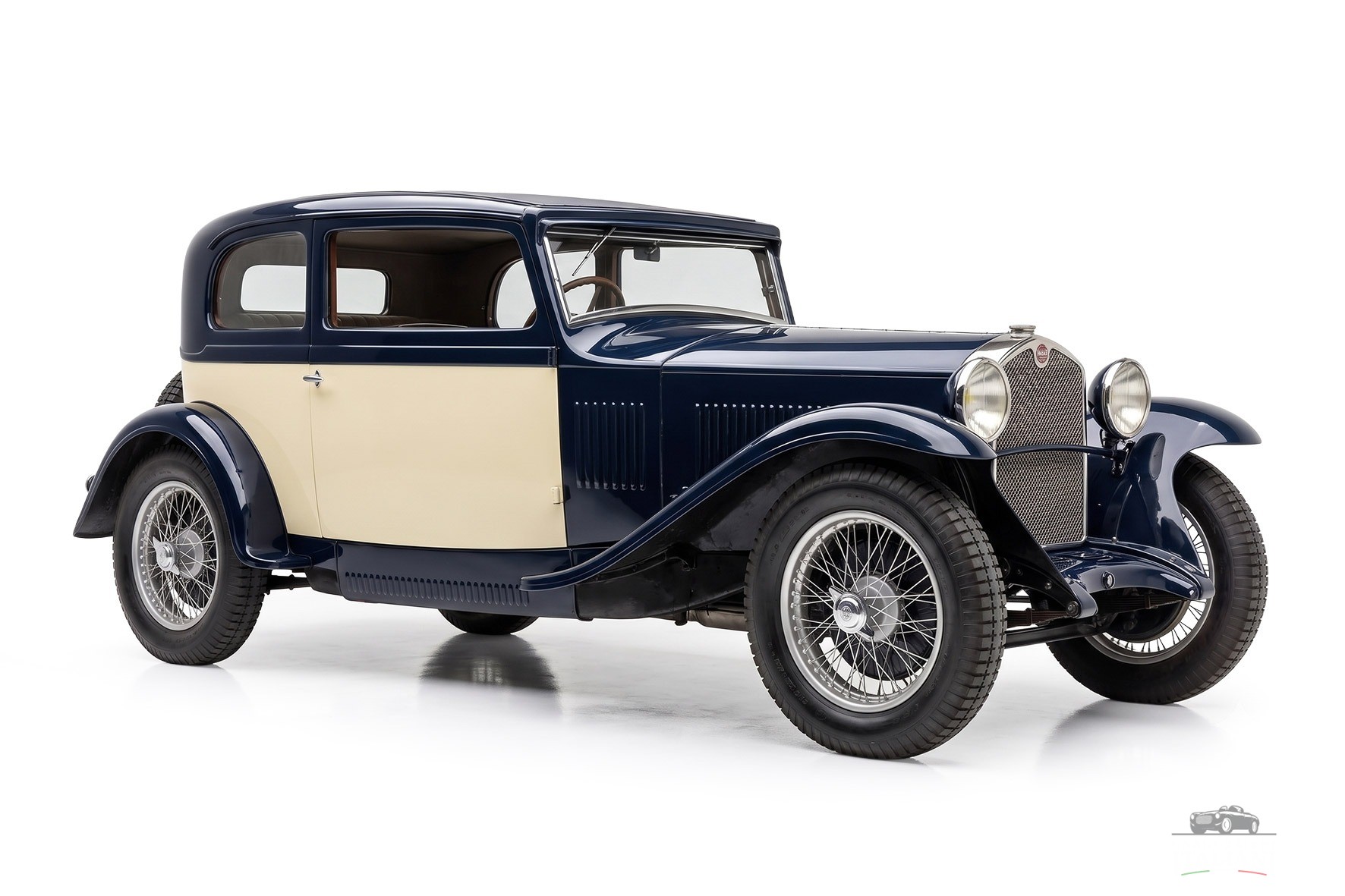
Dux produced closed coachwork for Alfa Romeo chassis in the 6C family. Its surviving photographic record includes an Alfa Romeo 6C 1750 Super Sport two-door saloon, retained in the CI 2.0 catalogue as a Dux-bodied 1930 car. Specialist photographic references also identify four-seat and six- or seven-seat Dux saloons on Alfa Romeo 6C 1750 chassis in connection with the 1930 Milan Motor Show. Those captions do not yet establish exact chassis numbers or demonstrate that all photographed bodies were separate surviving automobiles. Reported semi-rigid or Weymann-associated constructions require verification of their precise technical specification and patents before attribution to individual cars.
Citroën and other projects
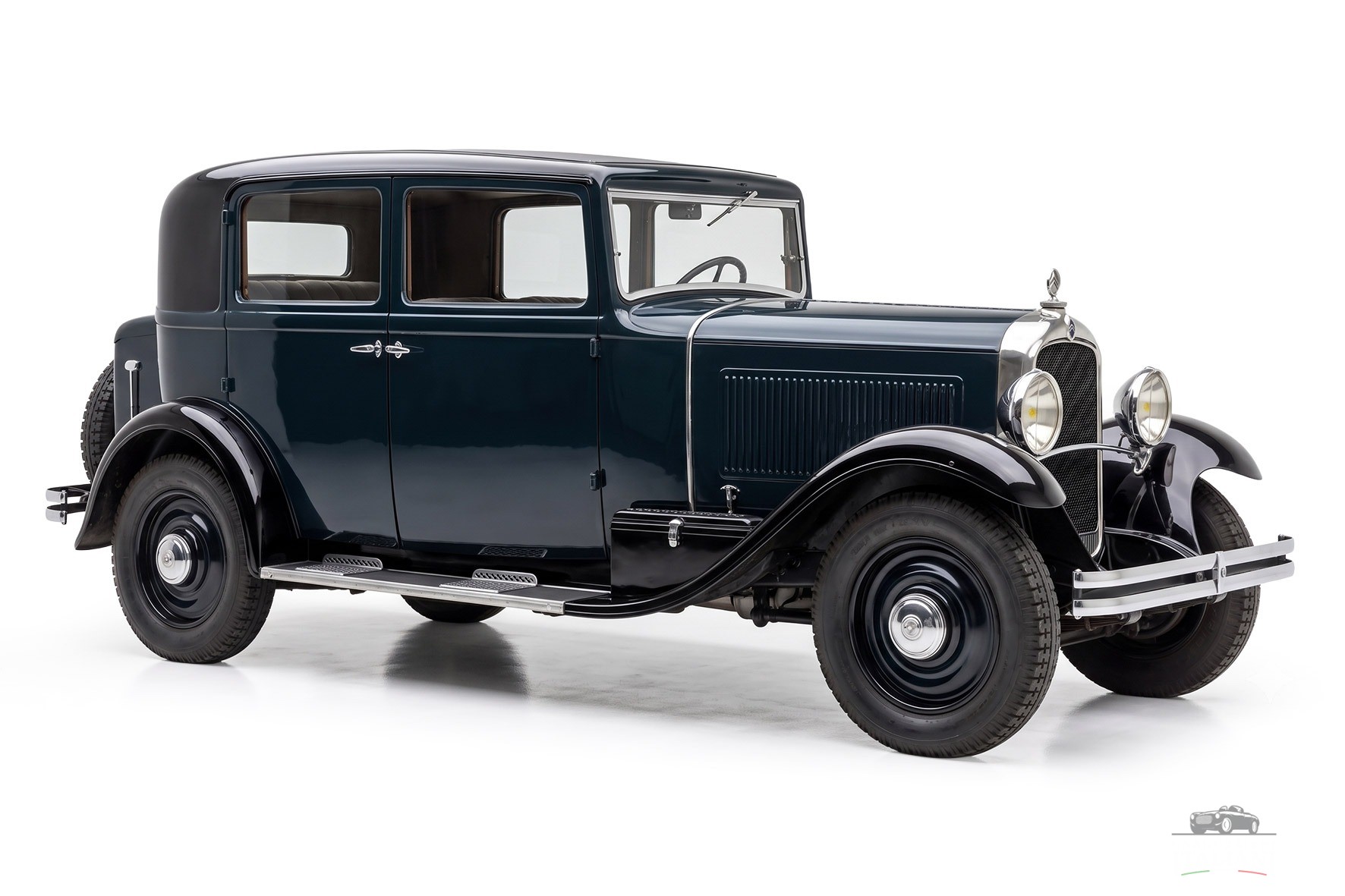
The legacy catalogue also records a Citroën C6 with Dux coachwork, dated 1930. Additional specialist photographic collections contain period attributions involving Fiat 514, Lancia Lambda, OM and Reo chassis. These remain useful research leads, not a basis for assigning a Dux body to an unidentified vehicle or adding production quantities. The earlier legacy history also mentions Bugatti chassis, but its exact body and chassis identity have not been independently established. A Reo-bodied car has been reported in connection with a class prize at an early Concorso d’Eleganza Villa d’Este; without an identified year, class and period result, the award remains unverified and is not recorded here as a confirmed win.
Industrial succession and Zagato
The company’s final years require particular care. Legacy material says that Dux was absorbed by Carrozzeria Touring in 1931, and some specialist summaries place an absorption around 1930. By contrast, Alessandro Sannia’s 2020 biographical entry for Ugo Zagato states that, following the 1932 liquidation of the earlier Zagato company, Ugo Zagato and investors acquired Carrozzeria Dux from Vittorio Ascari and established Anonima Carrozzeria Ugo Zagato & C. in the same Via Marco Ulpio Traiano premises. This is a documented succession of premises and enterprise activity; it does not by itself prove that all earlier Dux corporate assets, names or obligations passed to one successor. The existing 1931 closure and acquisition fields therefore need a distinct legal-history review rather than an unsupported definitive replacement.
Historical identification
Dux must be distinguished from the later ‘Duxia’ name used for certain Alfa Romeo 6C 2500 Touring cabriolets of 1939. The shared word does not make those Touring bodies products of Carrozzeria Dux. The company is best identified through its Milanese operations, the Ascari connection and individual period photographs attributed to the Dux workshop. Serial numbers, exact production totals, private owners and auction sales should be attached only when independently matched to a particular automobile.
KEY MOMENTS
Timeline
-
Foundation of Dux
Milan, Italy
-
Touring absorbs Carrozzeria Dux
Milan, Italy
Vehicles at a glance
- Related vehicles
- 2
- Limited series
- 1
- Fuoriserie
- 1
CONTINUE EXPLORING

THE CONVERSATION
Comments 0