
Fontana
AT A GLANCE
- Founded
- 1871
- Historical city
- Bassano del Grappa
- Country
- Italy
THE STORY
Overview
Carrozzeria Paolo Fontana was an Italian coachbuilding business based in Padua, Veneto, descended from a family workshop established for horse-drawn carriages in the nineteenth century. Known at different stages as Carrozzeria per Automobili A. Fontana and Carrozzeria Fontana, the firm built and modified specialist car bodies, notably racing coachwork for the Ferrari cars of the Marzotto brothers in the early 1950s. Its work also included lightweight removable hardtops for open sports cars and, in its later years, specialist body construction and restoration.
Origins and family succession
The Padua business traces its beginnings to 1858, when Antonio Fontana established a carriage-building workshop. After his death in 1872, the workshop passed to his sons Pietro and Francesco; Francesco subsequently left the enterprise. Pietro directed its transition toward motor vehicles, but died comparatively young. Management passed through his widow to their son Antonio, under whom the business adopted the name Carrozzeria per Automobili A. Fontana. This succession is distinct from the history of Baldassarre Fontana’s coachbuilding firm at Bassano del Grappa.
After the Second World War the Padua workshop was directed by Paolo and Pietro Fontana, members of the succeeding family generation; Pietro is also referred to as Piero in some accounts. Paolo became closely associated with the firm’s motor-racing commissions. The exact legal dates of its changes of trading name and ownership have not been independently established from company registration records.
Ferrari commissions and the Marzotto family
The workshop developed its best-documented competition work through the patronage of the Marzotto family, especially the racing brothers Giannino and Vittorio. Their programme brought the Fontana craftsmen into contact with Ferrari chassis already in use and required repeated changes of body configuration, weight distribution and aerodynamic treatment. These were individual construction and rebody commissions, not serially manufactured Ferrari models.
Franco Reggiani, whose experience included aeronautical engineering and sculpture, collaborated on the distinctive designs. Reggiani’s styling contribution should be separated from the construction of the metal coachwork at Fontana and from Ferrari’s original chassis and drivetrain engineering. Some contemporary and later accounts differ over when particular engines and body configurations were installed; a model designation alone is therefore insufficient to establish an exact chassis identity.
Ferrari 166 Inter and 166 MM bodies
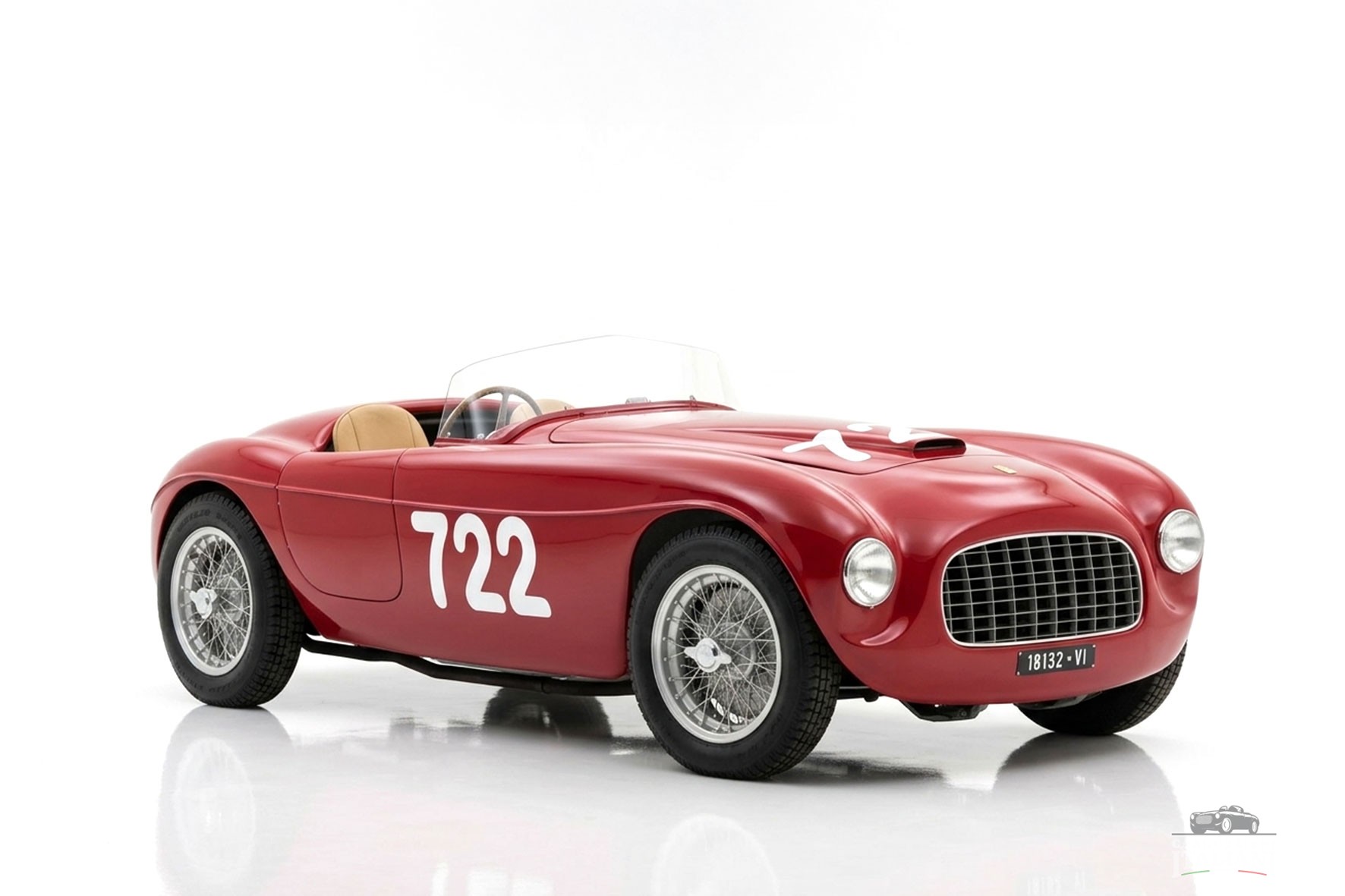
The Ferrari 166 Inter, chassis 012I, had previously carried an Ansaloni Spyder Corsa body. Fontana subsequently provided different bodywork for the Marzotto racing programme. The surviving record is represented in the Ferrari 166 Inter Spider Corsa Fontana entry, but its several historical body configurations must not be treated as separate original chassis.
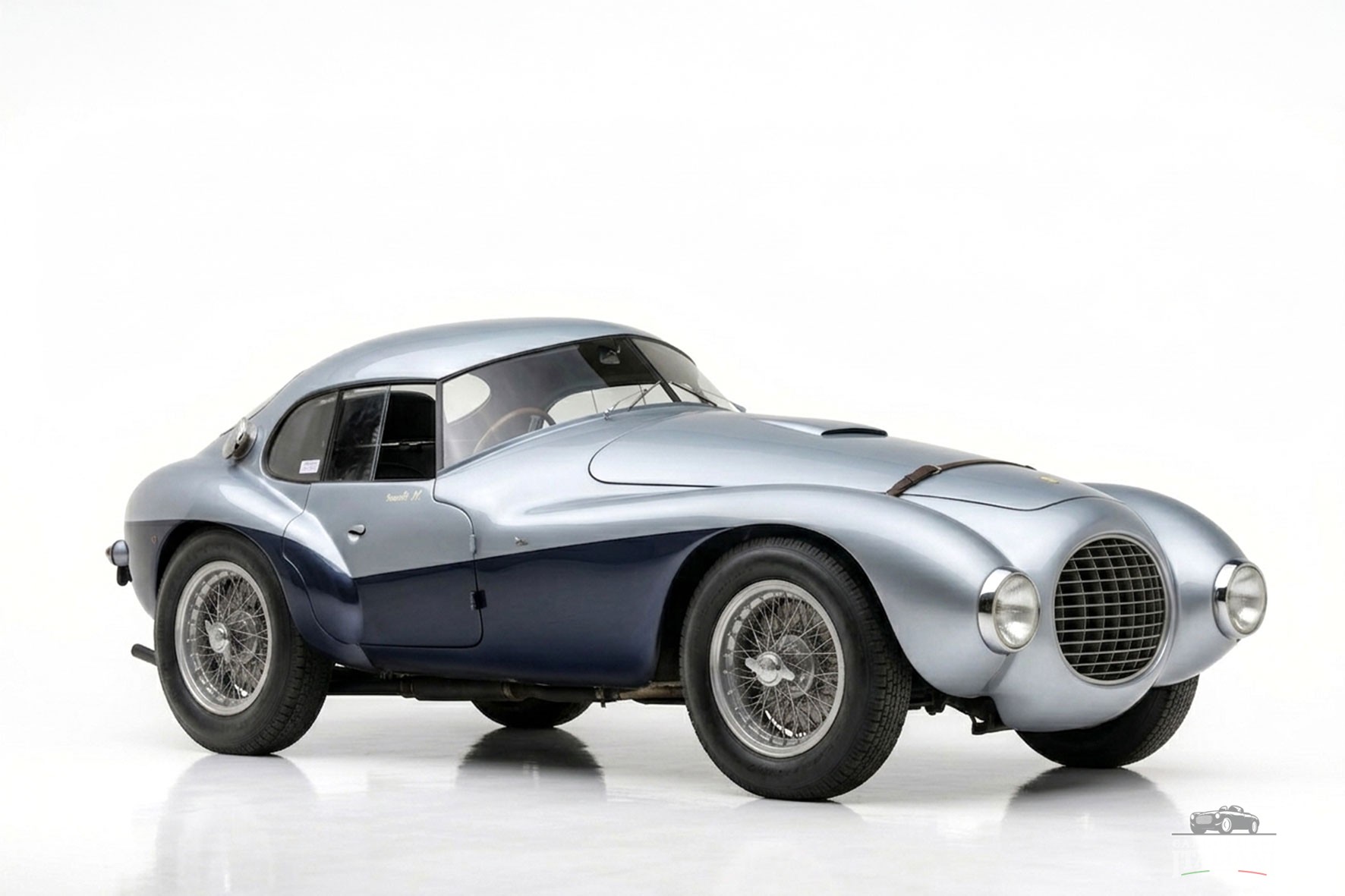
The firm’s best-known work is the streamlined Ferrari 166 MM/212 Export “Uovo”, chassis 024MB. The Ferrari was initially completed in 1950 with Touring barchetta coachwork and was later rebodied to a design associated with Reggiani and Giannino Marzotto. The new lightweight metal body, with its prominent oval front opening, rounded roof and unusually integrated tail, was conceived for competition. The car raced in 1951, and Marzotto and Marco Crosara won the Coppa della Toscana that June. Its subsequent 212-related designation reflects mechanical evolution of the same chassis, not a separate Fontana-built Ferrari.
Ferrari 212 Export and subsequent body changes
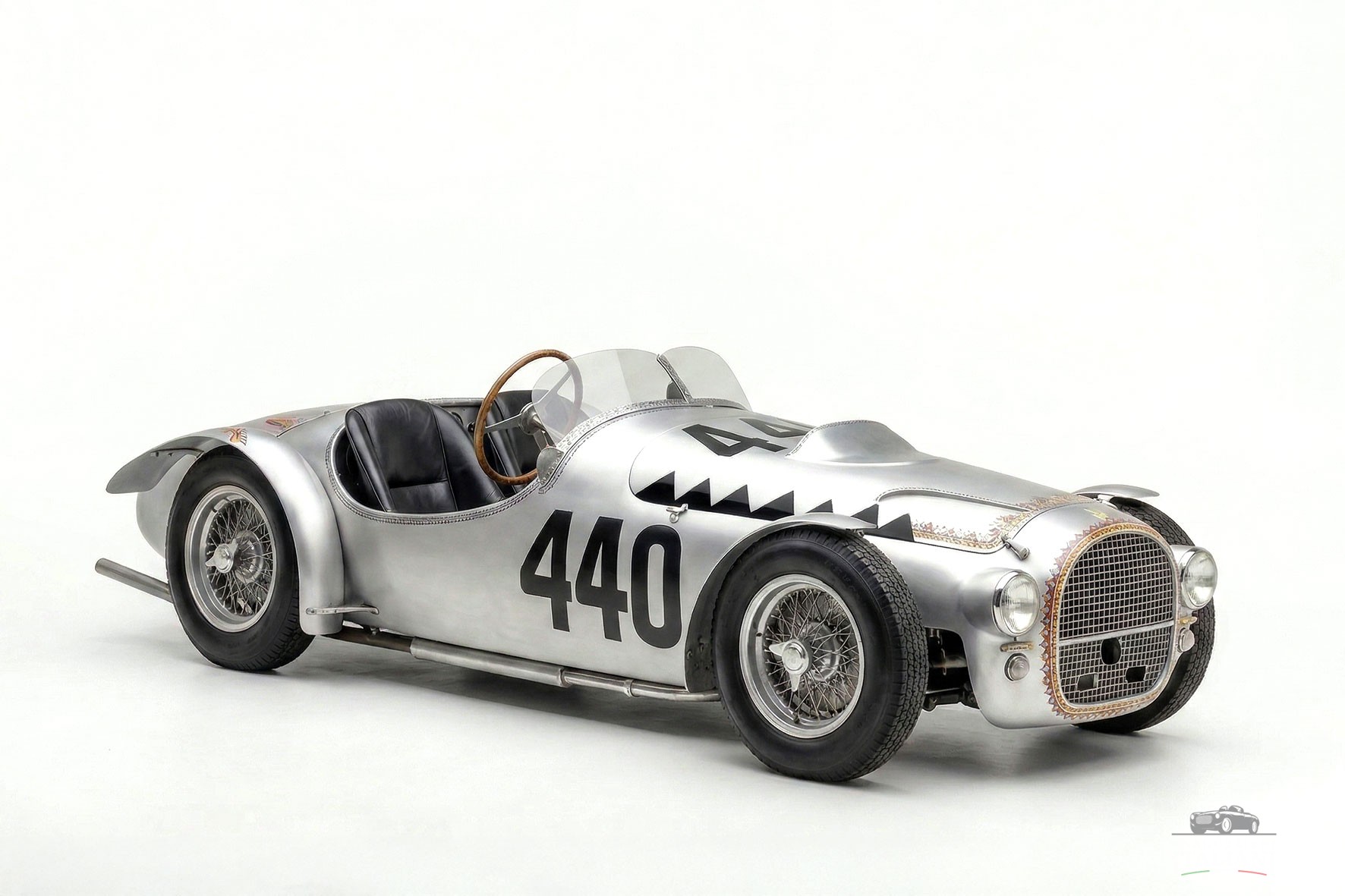
Fontana also worked repeatedly on the Ferrari 212 Export chassis 0086E. Its early experimental open coachwork became known as the “Carretto Siciliano”. The car later passed through another body configuration associated with Vignale before Fontana produced an estate-like Giardinetta or shooting-brake form and subsequent open bodies. The site’s Ferrari 212 Export Fontana entry relates to this programme. These references describe phases of one chassis; their production and provenance must not be counted separately.
Other Ferrari coachwork associated with the Padua firm includes work on the 275 S/340 America chassis 0030MT, whose later body history includes another coachbuilder. An archived Ferrari 166 Coupé Fontana listing also exists, but its precise chassis identity and relationship to other Fontana-bodied 166 variants require separate validation. The styling, material and commission particulars of one car cannot be transferred to another without exact identification.
Removable hardtops and road-car work
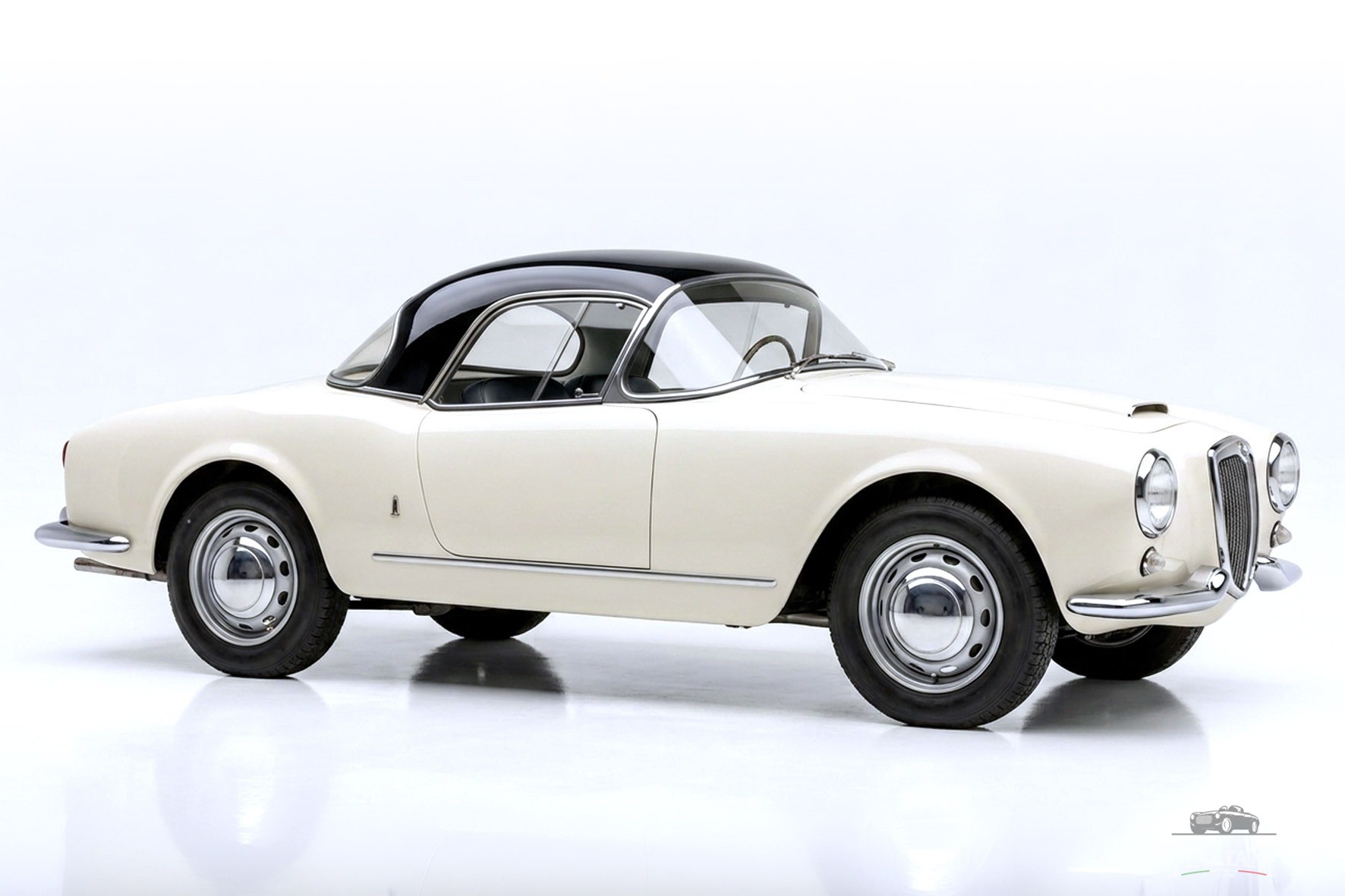
After the principal Marzotto racing commissions, Fontana manufactured removable lightweight hardtops for open production cars. A notably documented example is the small aluminium roof for the Lancia Aurelia B24 Spider, developed in 1955. Its appearance differed from hardtops made by other coachbuilders for the same Lancia model. Other specialist hardtop applications included Fiat sports cars. An individual Aurelia fitted today with a reproduction roof should not be catalogued automatically as an original Fontana-bodied car.
Later activity and Stutz Royale
The Fontana business continued beyond its early-1950s Ferrari period, concentrating progressively on specialist body construction, repairs and classic-car restoration. The designer Paolo Martin identified Carrozzeria Fontana as the workshop responsible for constructing the Stutz Royale ceremonial limousine, a project developed from 1976 on an extended Cadillac basis. Martin’s design authorship is distinct from the coachbuilder’s execution. The available account does not, by itself, establish an exact factory address or uninterrupted legal continuity for every phase of the Fontana enterprise. Specialist histories place the eventual end of the family’s coachbuilding activity in the 1980s, rather than documenting an exact closure date.
Identification and historical attribution
Carrozzeria Paolo Fontana of Padua must not be confused with Carrozzeria Baldassarre Fontana of Bassano del Grappa, established in 1871 and merged with Pietroboni in 1929, or with unrelated later businesses using the Fontana name. The Bassano chronology, its Weymann licence and its merger belong to that separate enterprise. Likewise, named Ferrari body variants, individual chassis histories, original coachwork and later restorations require independent attribution. The Padua firm’s documented history includes multiple generations, several trading names and specialist bodywork extending substantially beyond its best-known “Uovo”.
KEY MOMENTS
Timeline
-
Foundation of Fontana
Bassano del Grappa, Italy
-
The Fontana sons continue the coachbuilding business after Baldassarre’s death
Bassano del Grappa, Italy
-
Fontana obtains a regional Weymann body license
Bassano del Grappa, Italy
-
Carrozzeria Fontana merges with Pietroboni
Italy
PEOPLE & DESIGN
Designers
Paolo Martin
Paolo Martin worked with Giovanni Michelotti before joining Bertone and Pininfarina. At Pininfarina he developed the Ferrari 512 S Modulo and Fiat 130 Coupe, and also worked on the Rolls-Royce Camargue. He later became styling director at Ghia.
Explore record ↗Vehicles at a glance
- Related vehicles
- 7
- One-offs
- 4
- Limited series
- 2
- Fuoriserie
- 1
CONTINUE EXPLORING



THE CONVERSATION
Comments 0