
Frua
AT A GLANCE
- Founded
- 1944
- Closed
- 1983
- Historical city
- Turin
- Country
- Italy
AWARDS & RECOGNITION
Palmarès
Vehicle awards
- Best of Show
- 1
- Class wins
- 17
- Class placings
- 1
- Public choice
- 1
- Special prizes
- 5
- Awards
- 2
27 vehicle award records
Special Prize
Maserati MistralClass Winner
Maserati QuattroporteClass Winner
Maserati A6G 2000 Spyder FruaSpecial Prize
Maserati A6GCS 53 Spyder FruaClass Winner
Momo MirageBest in Class — Carrozzeria Italiana / 1960s
Maserati 5000 GT FruaChassis AM103.100
Class win — attribution under review
Monteverdi 2000 GTIClass Winner
Fiat 1100C Spider FruaPrix Spécial du Jury — Voitures de la Famille Aga Khan
Maserati 5000 GT FruaChassis AM103.060
Chantilly Arts & Élégance Richard Mille 2015
Voitures de la Famille Aga Khan
Best of Show
Maserati Mexico FruaChassis 112.1.103
Class Winner
Maserati A6G 54 Berlinetta FruaMost Thrilling Design
Maserati 5000 GT FruaChassis AM103.064
Class Winner
Maserati 5000 GT FruaChassis AM103.064
Schloss Bensberg Classics Concours d'Elégance 2013
Frua class
Class Winner
Maserati A6GCS 53 Spyder FruaCoppa d Oro Villa d Este
Maserati A6GCS 53 Spyder FruaClass Winner
Maserati A6G 54 SpyderSpecial Prize
Maserati A6G 2000 Spyder FruaClass Winner — chassis AM103.064
Maserati 5000 GT FruaClass Winner
Maserati A6GCS 53 Spyder FruaSpecial Prize
Maserati 5000 GT FruaClass Winner
Fiat 500 TA Frua Giannini ElaborataClass Winner
Maserati A6G 2000 Spyder FruaGran Premio d'Onore
Maserati A6G 2000 Coupé FruaChassis 2028
Class Winner
Maserati A6G 2000 Coupé FruaChassis 2028
Class Winner
Maserati A6G 2000 Coupé FruaSecond in Class
Maserati 5000 GT FruaChassis AM103.060
Pebble Beach Concours d'Elegance
First Diploma; Silver Plaque
Maserati 5000 GT FruaChassis AM103.064
Concorso d'Eleganza Villa d'Este after four-year restoration
THE STORY
Overview
Frua was a Turin-based coachbuilding enterprise and later automotive design studio established by Pietro Frua in 1944. Its history encompasses the original Carrozzeria Pietro Frua, the company’s incorporation into the Ghia business during the 1950s, and a separately registered Studio Tecnico Pietro Frua from 1959. The Frua name is associated with individually built sports cars, special bodies, prototypes and the styling of series-production automobiles. These activities must be distinguished from the manufacturers of the underlying chassis and from the industrial subcontractors that built later production bodies.
Origins and formation
Pietro Frua (1913–1983) trained as a technical draughtsman at the Fiat vocational school in Turin and joined Stabilimenti Farina in 1928. In September 1935 he became head of its bodywork technical office, a role distinct from ownership or general management of Farina. He subsequently worked for Officine Viberti and as an independent designer during the Second World War. In 1944 he organised a small coachbuilding enterprise in Turin, initially employing about fifteen people; the young Sergio Coggiola was among the staff. The original establishment is recorded at Via Giovanni da Verazzano 18. The documented start of the coachbuilding business in 1944 must be distinguished from Frua’s earlier independent design activity.
Post-war coachbuilding and Maserati
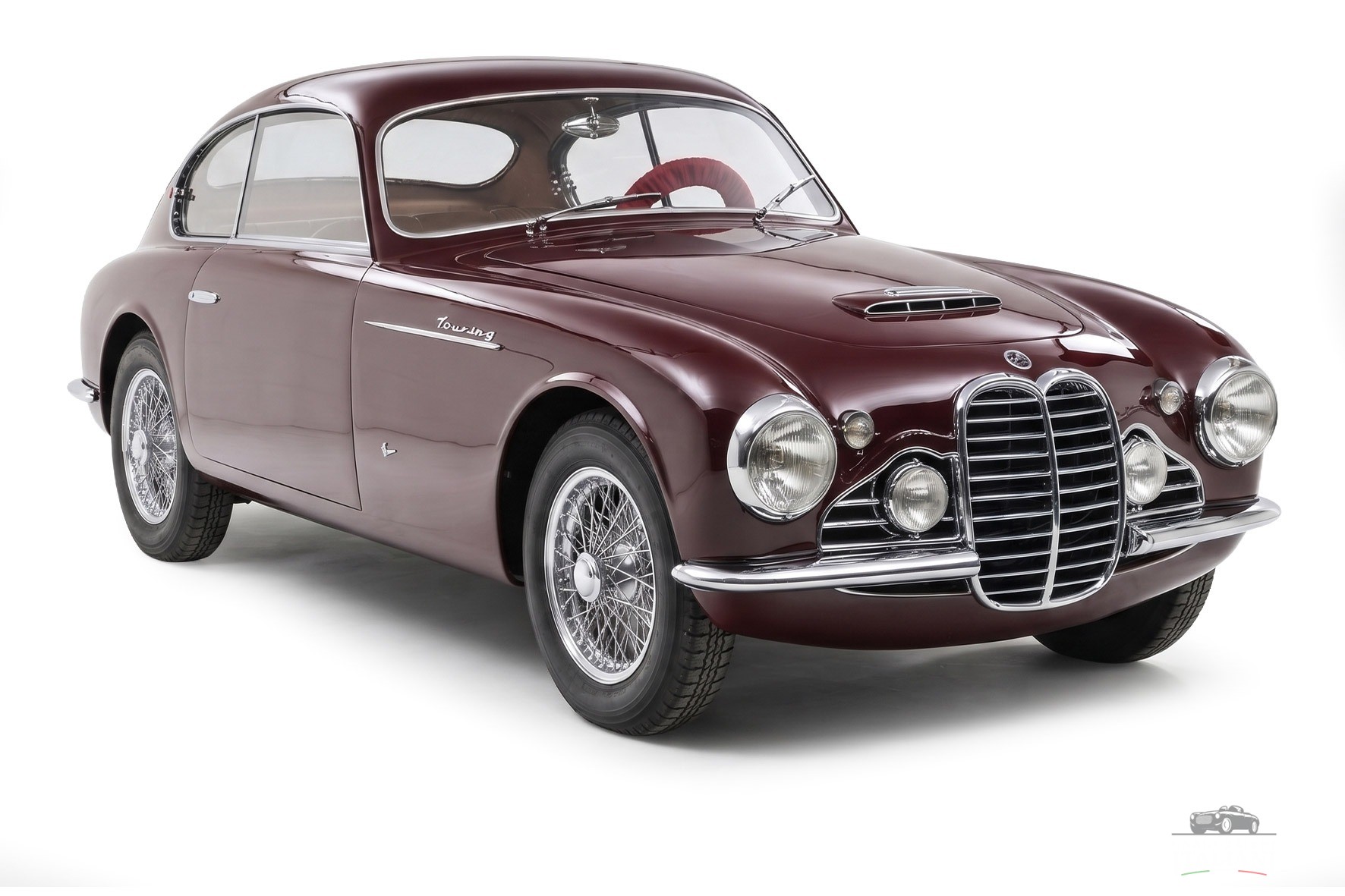
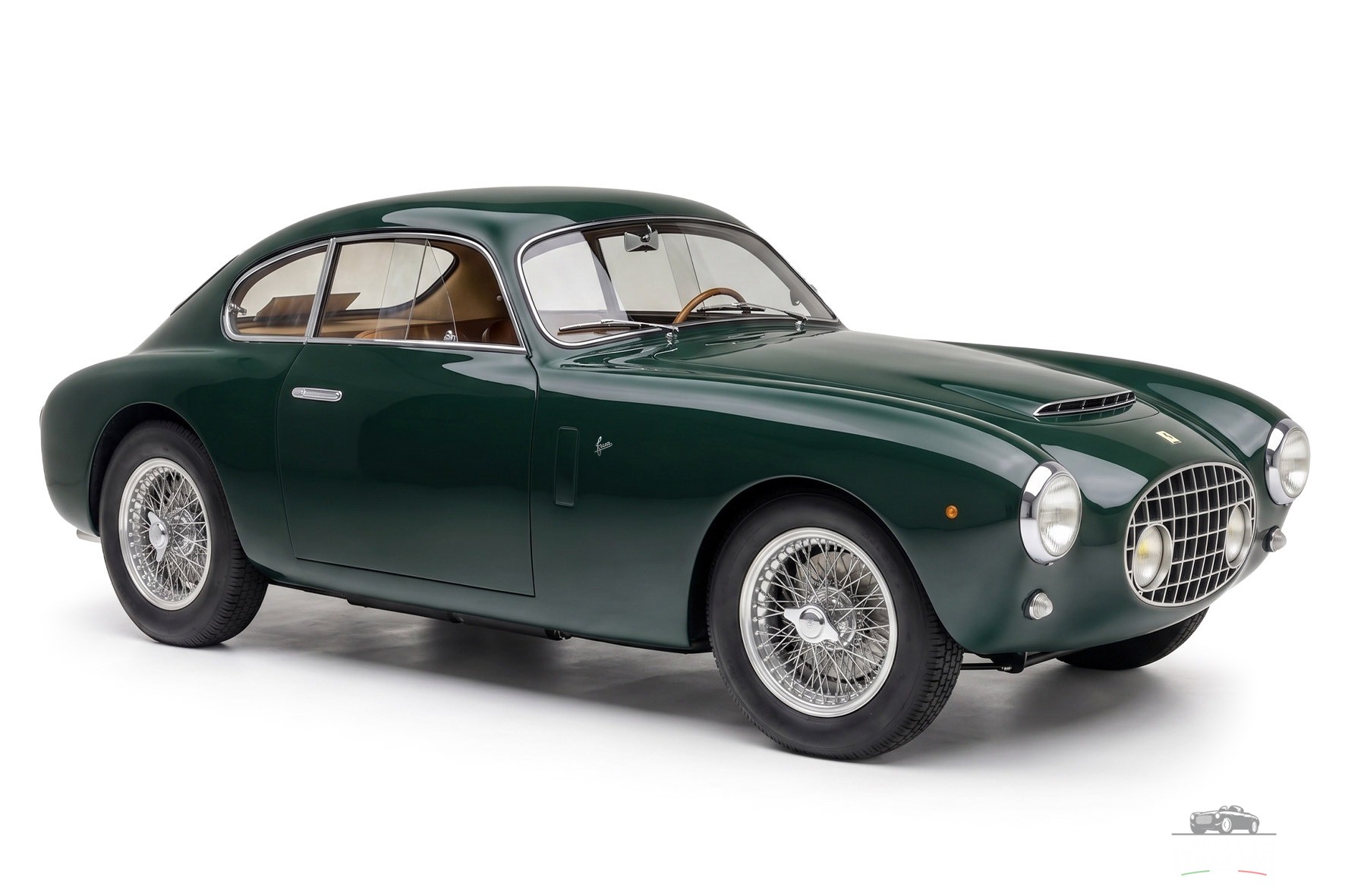
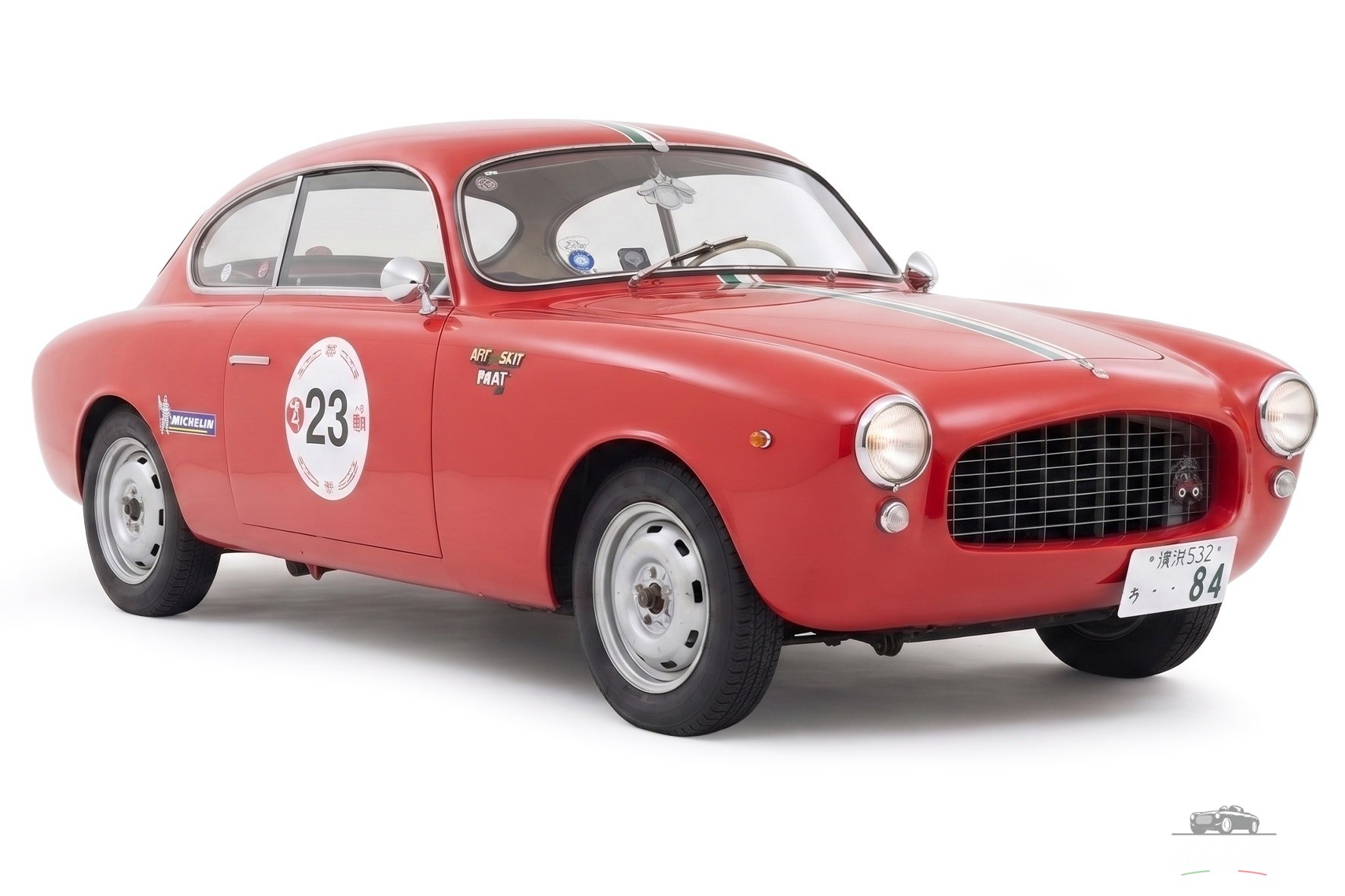
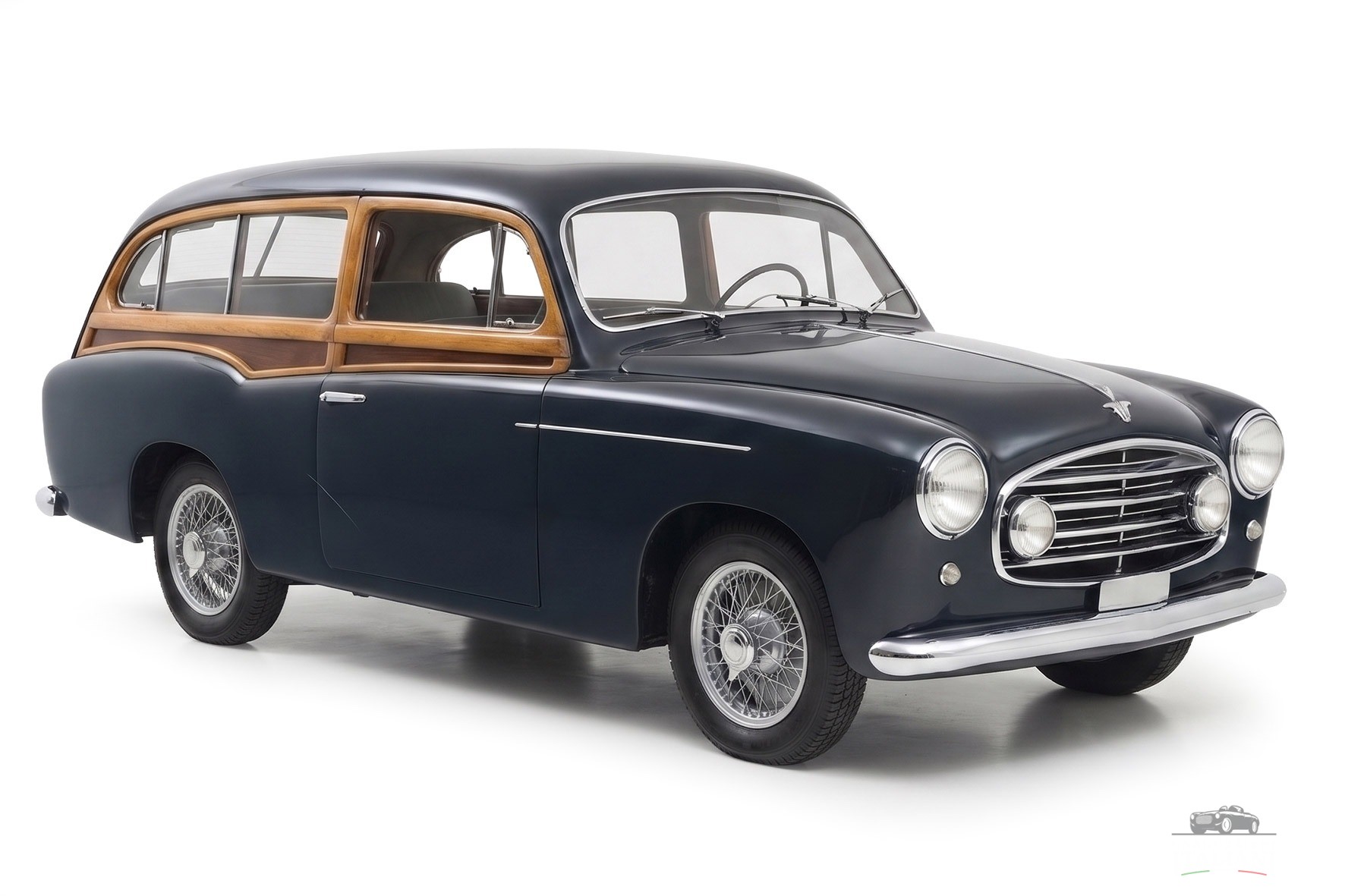
The workshop developed open and closed sports bodies on Italian chassis during the immediate post-war years. Its early programme included the Fiat 1100C Spider and other Fiat-based specials, with individual projects documented separately from any presumed production series. Among its best-known commissions were bodies for Maserati A6 models, including the A6G 2000 Spyder, A6GCS/53 Spyder and the later A6G 2000 Coupé. Model-family counts reported in historical accounts do not establish the identity or output of a particular chassis. Each surviving car and rebody must be reconciled against its own chassis record and original coachwork.
Frua’s workshop also worked on experimental vehicles and special bodies for other manufacturers. The MG MGA Hardtop-Roadster EX205/2 and designs for foreign customers illustrate the breadth of the Turin operation before and around the Ghia transition. The firm appeared at the Turin Motor Show after the war, and by the mid-1950s was combining one-off commissions with production-related work. Manufacturing, design attribution and final assembly were not necessarily performed by the same company.
Ghia acquisition and the Renault programme
In May 1956 the coachbuilding operation moved into larger premises at Via Padre Agostino da Montefeltro 7 in Turin, in the context of the developing relationship with Carrozzeria Ghia and Luigi Segre. The original Carrozzeria Pietro Frua business was sold to Ghia in 1957. Historical trade-register notices distinguish the cessation of the earlier business and the registration of Carrozzeria Pietro Frua S.p.A. on 25 July 1957. That company entered liquidation in April 1958, had the liquidation revoked in January 1959, and was again placed in liquidation in January 1962. These milestones do not describe the uninterrupted existence of a single firm from 1944 to 1983.
Frua’s work for Ghia was closely connected with the development of the Renault Floride. The project became the subject of an authorship and contractual dispute after a related Renault-based car was displayed by the independently operating Swiss Carrosserie Ghia-Aigle at Geneva in March 1958. The production Floride and Caravelle were Renault automobiles whose industrial bodies and assembly involved French suppliers including Chausson and Brissonneau et Lotz. Frua’s design contribution therefore does not mean that the complete production run was coachbuilt in his Turin workshop. His work with Ghia-Aigle and later Carrosserie Italsuisse is similarly distinguished from their own body construction.
Independent studio and Maserati production designs
Studio Tecnico Pietro Frua was independently registered on 11 June 1959. The studio used several Turin addresses, including Via Villa Glori 8, Via Federico Ozanam 10 and Via Massena 11, before its later premises at Via Papa Giovanni XXIII 13 in the Borgo San Pietro district of Moncalieri from 1965. The historical register records subsequent cooperation with other specialist workshops. These dates and locations belong to different corporate and professional phases, rather than a single unchanging factory.
Independent styling assignments included the Maserati 3500 GT Coupé Frua, the 5000 GT specials, the Mistral family and the original Maserati Quattroporte. The Quattroporte Frua is particularly important for separating design from manufacture: Frua developed its form, while series-production bodies were made through other coachbuilding operations, notably Vignale. The Mistral bodies were produced by Maggiora. Maserati’s own technical design, mechanical production and final assembly must not be attributed to Frua merely because he styled the body.
Renault, Glas, BMW and AC commissions
Frua’s independent work extended to substantial European industrial programmes. For Hans Glas, he designed the Glas GT and V8 models; the latter continued in revised BMW Glas form after the BMW takeover of the German manufacturer. Specialist documentation identifies Maggiora and other suppliers as important in body manufacture, so these production totals must not be interpreted as coachwork manufactured directly at Studio Frua. The studio also produced additional proposals on BMW chassis, including the BMW 2800 GTS one-off, which must be considered separately from production BMW models.
For AC Cars, Frua styled the 428 sports grand tourer in open and fixed-head forms. Its Anglo-Italian production arrangements involved AC mechanical construction and Italian coachwork, with Maggiora identified as a body supplier. Frua also worked with Peter Monteverdi on the early High Speed designs, although subsequent production coachwork was assigned to other firms. The allocation of design, body manufacture and final assembly varied by programme and should be recorded individually.
Prototypes and individual commissions
One-off designs remained a central element of Frua’s practice into the 1970s. Documented or catalogued projects include the Studebaker Italia Lark Sedan, Glas Ranch, Maserati Mexico Frua, Audi 100 S Coupé Speciale, Opel Diplomat CD Frua and special bodies on Rolls-Royce and Lamborghini chassis. These names represent distinct commissions, model variants and, in some cases, individual chassis; a general attribution to Frua does not by itself confirm who fabricated every body or the exact serial number of a particular vehicle.
The studio also participated in the construction and finishing of prototypes commissioned by other designers or patrons. The Momo Mirage programme is an example in which physical construction and final detailing must be distinguished from primary authorship of the shape. Such projects illustrate the continuing ability of a small specialist operation to realise complete, roadworthy prototypes while much larger series-production bodies were built by outside contractors.
Final period and historical interpretation
Among the later series-production designs associated with Frua was the Maserati Kyalami of 1976, for which subsequent body manufacture was undertaken outside the Frua studio. Pietro Frua remained active in design and prototype development until his final years and died in Turin on 28 June 1983. The later studio activity ended around this period, but the closure of the later business should not be projected backwards onto the earlier Carrozzeria Pietro Frua S.p.A. Frua’s automotive legacy consequently comprises several organisational phases and a varied portfolio of workshop-built special bodies, designs commissioned by manufacturers and prototypes constructed with other suppliers.
KEY MOMENTS
Timeline
-
Birth of Pietro Frua
Turin, Italy
-
Foundation of Frua
Turin, Italy
-
Carrozzeria Pietro Frua is sold to Ghia
Turin, Italy
-
Pietro Frua registers his independent Studio Tecnico
Turin, Italy
-
Pietro Frua’s company is wound up
Turin, Italy
-
Death of Pietro Frua
Turin, Italy
PEOPLE & DESIGN
Designers
Pelle Petterson
Pelle Petterson, a Swedish industrial designer trained at Pratt Institute, drew the winning proposal for the Volvo P1800 while working at Pietro Frua in Turin in 1957. His authorship was kept out of the public account for years. Petterson later became an accomplished yacht designer and Olympic sailor.
Explore record ↗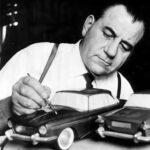
Pietro Frua
Pietro Frua was an Italian automotive designer and coachbuilder who established his own Turin-based company and became known for elegant, individually styled bodies for European manufacturers.
Explore record ↗Vehicles at a glance
- Related vehicles
- 115
- Concepts
- 9
- Prototypes
- 14
- One-offs
- 46
- Limited series
- 41
- Fuoriserie
- 2
- Series production
- 3
Recorded vehicle awards
- Class wins
- 5
- Class placings
- 1
- Special prizes
- 1
- Awards
- 2
CONTINUE EXPLORING



THE CONVERSATION
Comments 0