
Anthony Jannarelly
AT A GLANCE
- Nationality
- French
- Occupation
- Product and automotive designer
- Active from
- 2000s
- Based in
- France / UAE / United Kingdom
THE STORY
Overview
Anthony Jannarelly is a French automotive and product designer whose work bridges highly exclusive supercars, lightweight roadsters and contemporary electric sports cars. His career has included the W Motors Lykan HyperSport and Fenyr SuperSport, the creation of Jannarelly Automotive’s Design-1, and responsibility for the styling of Caterham’s Project V. His approach combines modern engineering and construction with proportions drawn from historic sports cars, while the extent of his individual contribution must be distinguished from the work of manufacturing and engineering partners.
Education and early career
Jannarelly studied mechanical engineering before moving into applied and automotive design. Accounts of his education identify training in Dijon and Lyon and subsequent study in automotive design at Coventry University. He initially worked across product disciplines including jewellery, furniture and architecture, experience which preceded his move into specialist sports-car styling. During his formative automotive period he met Ralph Debbas, whose ambition to establish a Middle Eastern high-performance marque would become W Motors.
W Motors: Lykan and Fenyr
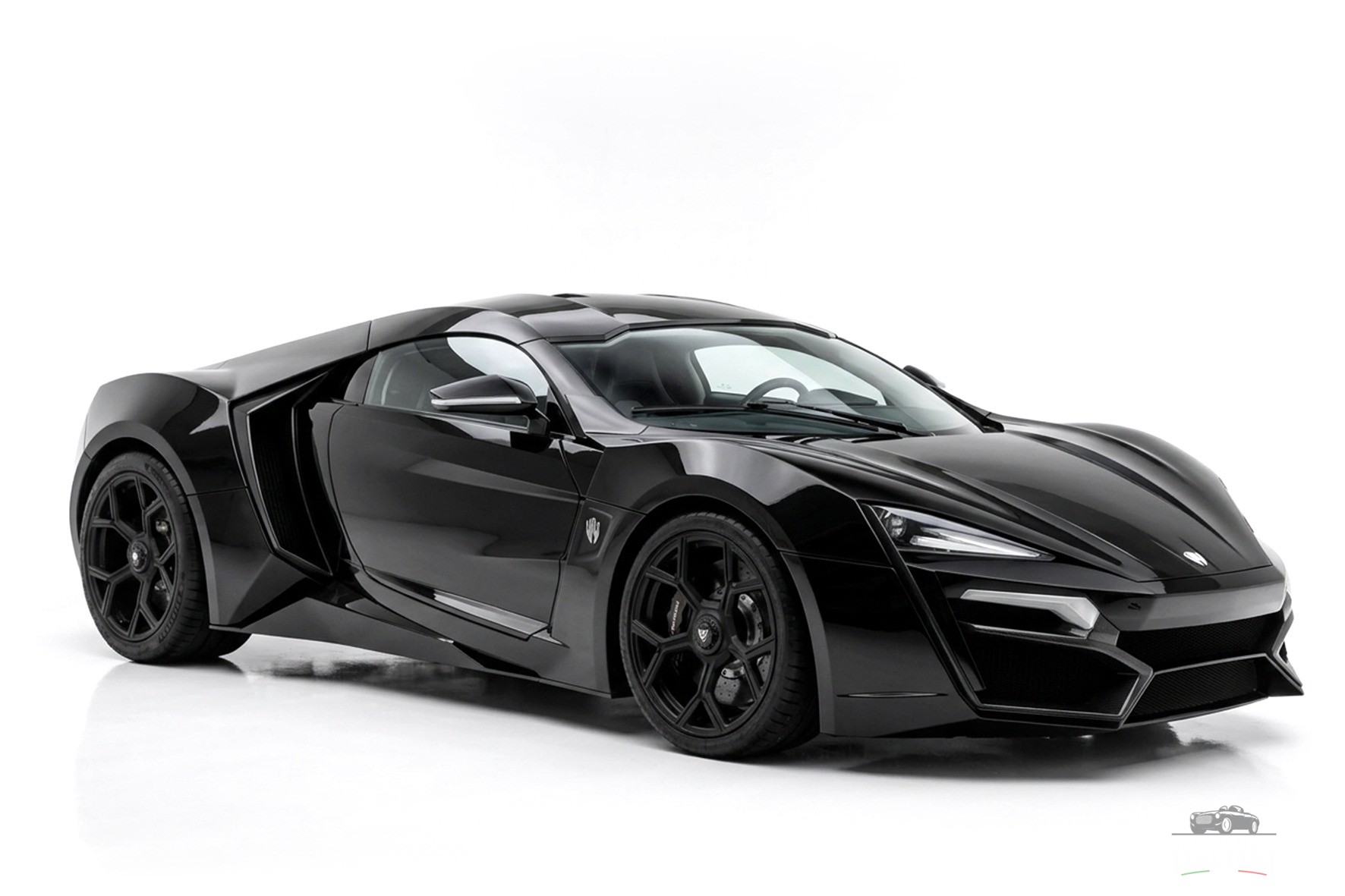
At W Motors, Jannarelly was an important styling contributor to the Lykan HyperSport and later the Fenyr SuperSport. The Lykan became internationally known through its appearance in the film Furious 7, but it was a collaborative industrial programme rather than the product of a single individual: W Motors led the marque and vehicle concept, with specialist partners involved in engineering, prototype construction, technical development and assembly. His design contribution should not be conflated with those production responsibilities or with the design contributions of other named W Motors personnel.
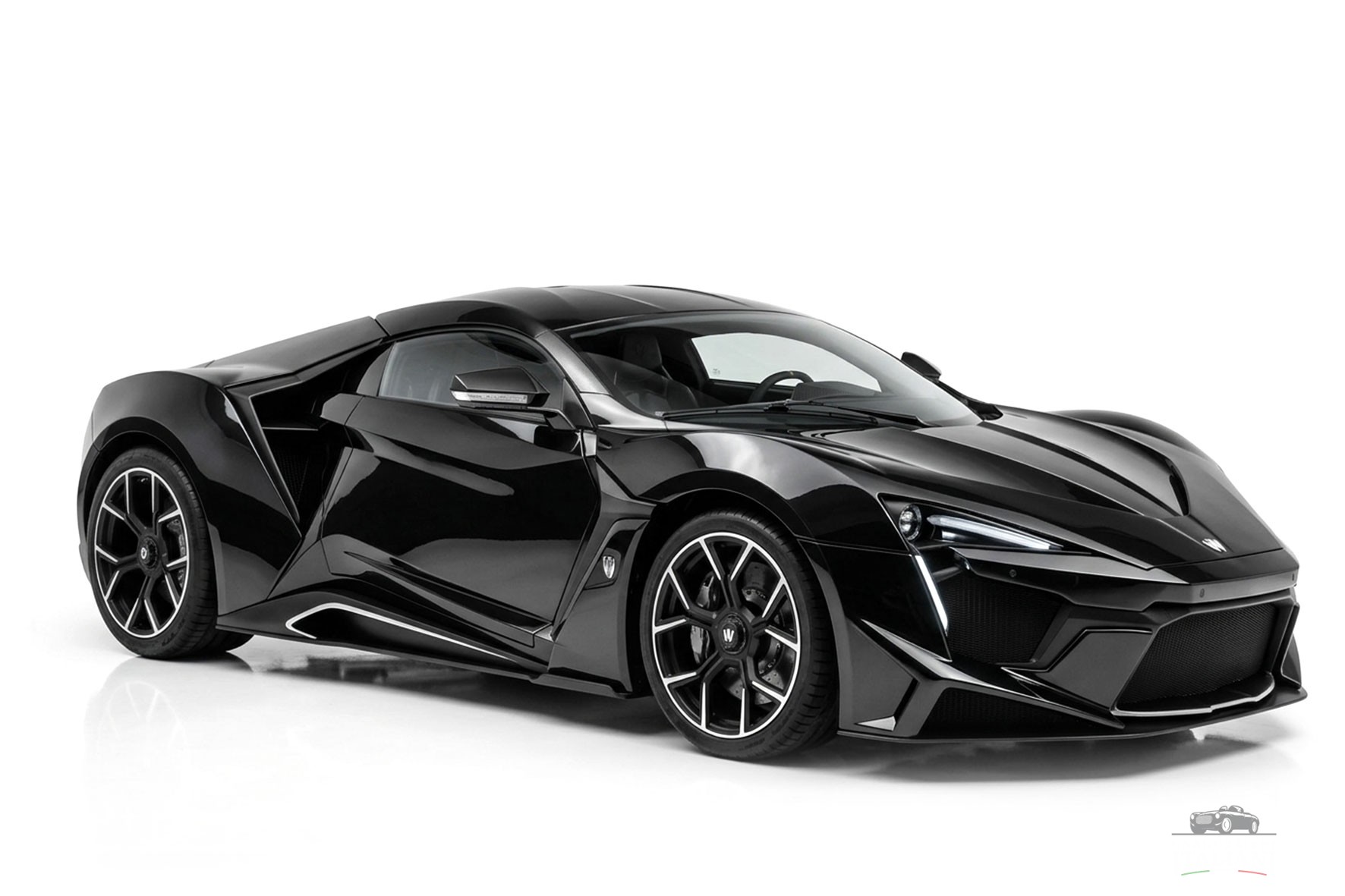
The Fenyr continued his work on angular, high-performance coachwork. Contemporary material and the STUDIOTORINO archive associate Jannarelly and Ralph Debbas with the design programme, while distinguishing design from later engineering and technical advisory work. The Zarooq SandRacer was a further commission: a November 2015 project announcement named Jannarelly in charge of its appearance, with Campos Racing participating in performance engineering and Frédéric Juillot’s workshop involved in construction. These projects established the international studio experience behind his own roadster initiative.
Jannarelly Automotive and Design-1
In 2015 Jannarelly developed the Design-1 as a personal vision of a light and direct sports car, rather than another electronic-intensive hypercar. Working in Dubai with French composite specialist Frédéric Juillot, he helped establish Jannarelly Automotive and develop an open two-seat car whose balanced proportions evoke the sports racers and grand tourers of the 1950s and 1960s. The project paired a tubular chassis, composite bodywork and a mid-mounted Nissan-derived V6 with a deliberately analogue driving experience. Juillot’s composite and manufacturing expertise was a separate contribution from Jannarelly’s exterior design authorship.
The project was announced in late 2015, with several configurations and a removable hardtop offered or proposed over its development. Announced production targets, initial prices and technical specifications changed between early coverage and later presentations, and should not be treated as verified production totals or sale records for individual cars. The Design-1 illustrates Jannarelly’s preference for an expressive but visually restrained personal sports car, and remained a point of reference for his subsequent work.
Caterham and Project V
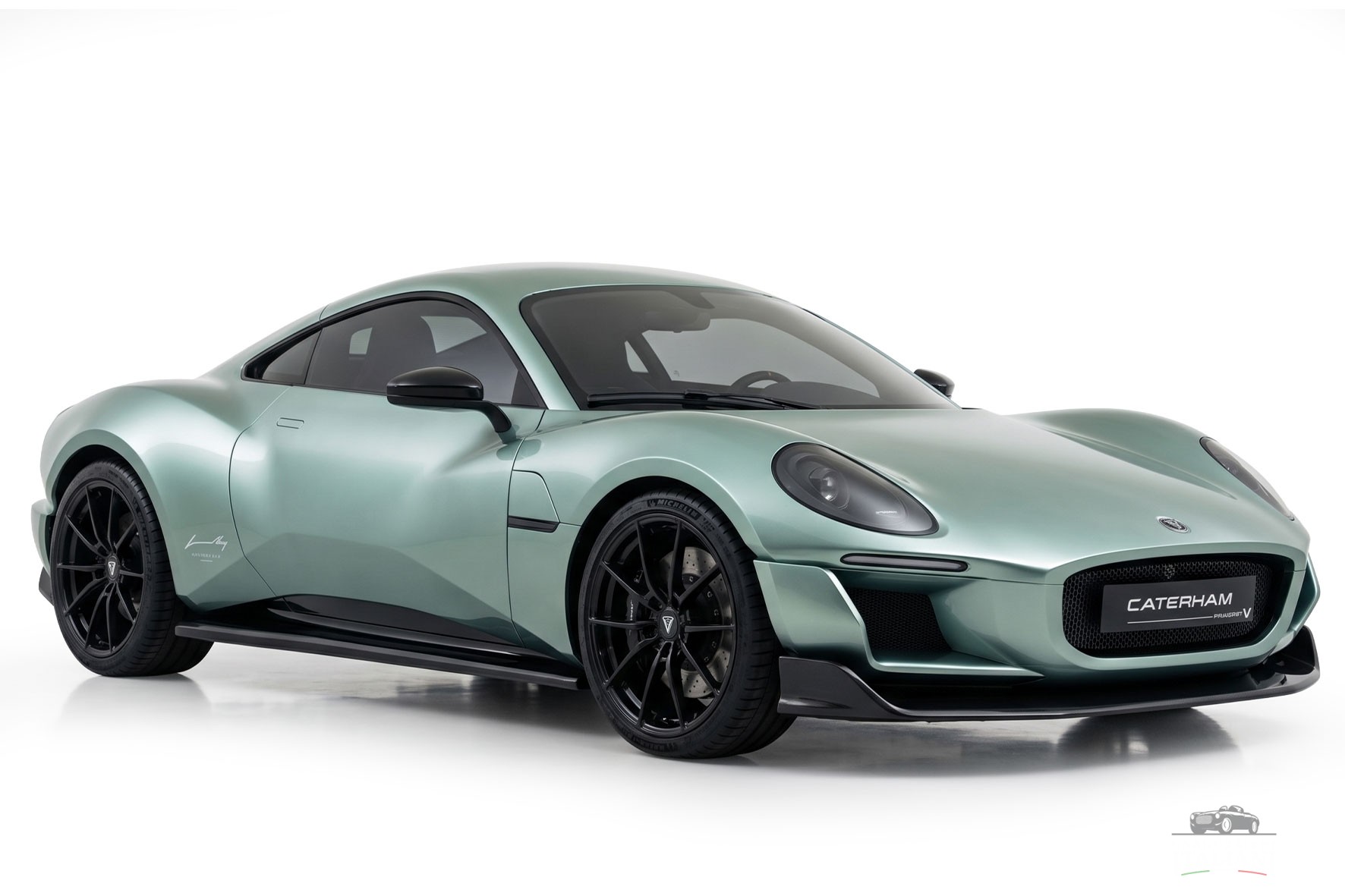
On 3 May 2023 Caterham announced that Jannarelly had joined as Chief Designer on a consultancy basis, with a mandate to shape projects beyond the long-established Seven. The appointment led to the electric Project V coupé, unveiled in July 2023. Both Caterham’s contemporary announcement and Italdesign’s original project documentation explicitly credit Jannarelly with the vehicle’s design, while identifying Italdesign as the company that manufactured the show car in Italy. This division between design authorship and prototype construction is important to the historical record.
Project V translated Caterham’s lightweight, driver-focused philosophy into a compact electric coupé with a new visual vocabulary. The figures issued at the reveal were development targets for the concept, not proof of final production specifications. His involvement in the later prototype-development phase was subsequently confirmed in an interview with Car Design News.
Art Machines and the Ælla-60
Jannarelly announced another personal project in January 2025 under the name Art Machines by Anthony Jannarelly. Its first concept, the Ælla-60, combines a new retro-futurist exterior and interior with mechanical architecture from an earlier performance car. Press reporting has identified the donor as the Ferrari 360 Modena, but early company material described the platform more generally as a 1990s sports car; the donor identification should therefore be distinguished from a chassis-exact record. The Ælla-60 proposal featured a naturally aspirated V8, a manual gearbox and a projected limited series of sixty.
The Italian company Podium Advanced Technologies was named as a prospective engineering and production partner. At the January–February 2025 announcement the planned production run, projected delivery date and advertised price were proposals, not documented completed deliveries or auction sales. The project illustrates Jannarelly’s continued interest in small-volume coachbuilt vehicles, with industrial execution delegated to specialist partners rather than attributed automatically to the stylist.
Design attribution and historical record
The strongest individual project attribution in primary company documentation is Caterham Project V. W Motors’ Lykan and Fenyr are also firmly connected to his career but require a shared-creative-credit description. The Design-1 and Ælla-60 reflect his own initiatives, while composite manufacturing, chassis design, prototype fabrication, engineering and assembly belong to the respective project partners. Reliable publicly documented birth details and a complete, chassis-specific list of examples have not been established; neither should be inferred from the wider model histories.
THE NETWORK
Shared vehicle credits


CONTINUE EXPLORING



THE CONVERSATION
Comments 0