
Antony Lo
AT A GLANCE
- Nationality
- Hong Kong Chinese
- Occupation
- Automotive designer and design executive
- Active from
- 1987
- Studio
- Lotus / Audi / Mercedes-Benz / Saab / General Motors / Renault / Ford / BAIC
- Based in
- Hong Kong / Europe / China
THE STORY
Overview
Antony Lo, also widely credited as Anthony Lo, is a Hong Kong-born automotive designer whose international career spans Lotus, Audi, Mercedes-Benz, Saab, General Motors, Renault, Ford and BAIC. His work ranges from individual concept proposals to the management of international design teams. Individual styling authorship, studio leadership and the construction of prototypes by specialist suppliers are distinct contributions in his career.
Education and early work
Lo studied product design at Hong Kong Polytechnic, graduating in 1985, and continued his automotive design education at the Royal College of Art in London. In 1987 he joined Lotus Cars in Britain, where he worked on the Lotus Carlton programme and the Isuzu 4200R concept. He moved to Audi in Germany in 1990 and contributed to advanced projects including the Avus quattro concept. The published record associates him with these projects without implying that every final production or concept-car detail was his alone.
Mercedes-Benz and the Maybach prototype
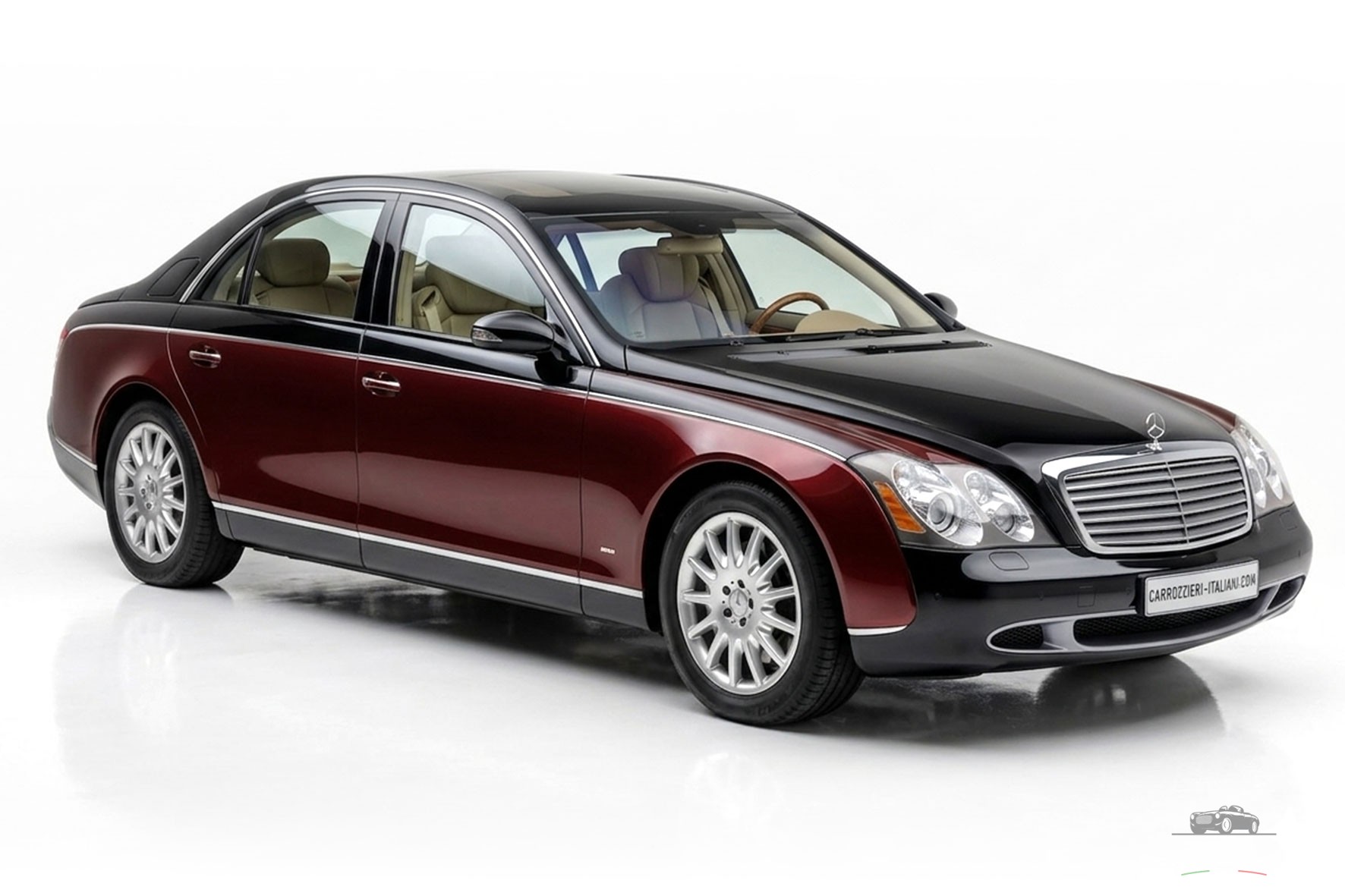
In 1993 Lo joined the Mercedes-Benz advanced design operation in Japan. Its activities included exploratory luxury-car designs, including the F 200 Imagination programme and the revival of Maybach. A particularly well-documented contribution survives in the Stola historical archive: a September 1996 drawing for the proposed Maybach by Antony Lo, made under the supervision of Olivier Boulay, head of the Japanese design office. The Yokohama proposal was selected in a competition against a design from the California studio.
Stola, based in the Turin area, built the full-size luxury prototype for its 1997 presentation, using a specially prepared Mercedes-Benz S-Class chassis. The archival photographs identify Lo among the Mercedes-Benz team visiting the Italian coachbuilder. His role was within the Japanese design group, Boulay directed that studio and Stola executed the physical prototype. This distinction is essential when documenting the Italian construction of the Maybach concept. Lo’s work in Japan also informed other Mercedes-Benz advanced proposals; claims of direct authorship of later production models require project-specific evidence.
Saab and General Motors
Lo subsequently held senior advanced design positions at Saab and General Motors Europe, working across Saab, Opel and Vauxhall programmes. The Saab 9-X and Aero X concepts became prominent examples of the period’s experimental design language. The 2006 Aero X, with its aircraft-inspired form and unusual cockpit access, was developed under his design leadership. These were collaborative studio programmes, and their wider engineering, prototype and production responsibilities should not be assigned to Lo personally without supporting records.
Renault, Ford and BAIC
From 2010 to 2021 Lo served as Renault’s vice-president of exterior design, contributing to the evolution of the Renault and Dacia brand identities and to the strategy known as the Cycle of Life. He worked within Renault’s broader design organization rather than as the exclusive individual author of every model produced during the period. In 2021 he moved to Ford as global chief design officer, overseeing the design direction of Ford and Lincoln. He left that position in May 2024.
In October 2024 BAIC appointed him chief design officer and vice-president of global design. The role extended his work into Chinese automotive design strategy and future vehicle programmes. At Auto Shanghai in April 2025, BAIC presented the ARCFOX 77° concept under Lo’s design leadership. As with his earlier executive roles, the distinction between leading a design organization and personally executing a particular vehicle’s drawings remains important.
Attribution and legacy
Lo’s career connects European and Asian automotive design centres and includes both hands-on concept work and executive responsibility. The 1996 Maybach sketch documented by the Stola archive provides unusually precise evidence of personal authorship, supervisory responsibility and Italian prototype manufacture. For other vehicles, the historical record should retain the attribution level supported by the relevant company, studio or period document rather than automatically treating design-director credit as sole authorship.
THE NETWORK
Shared vehicle credits

CONTINUE EXPLORING

THE CONVERSATION
Comments 0