
Fabrizio Giugiaro
AT A GLANCE
- Born
- 1965-03-07
- Birthplace
- Turin
- Nationality
- Italian
- Occupation
- Automotive and industrial designer
- Active from
- 1986
- Studio
- Italdesign / Giugiaro Design / GFG Style
- Based in
- Turin, Italy
THE STORY
Overview
Fabrizio Giugiaro (born 7 March 1965 in Turin) is an Italian automotive and industrial designer whose career includes design and prototype-development responsibilities at Italdesign Giugiaro and the founding of GFG Style with his father, Giorgetto Giugiaro. He has worked on experimental automobiles, production-car programmes, industrial design and architectural projects. His individual design credits must be distinguished from projects attributed to the Italdesign studio as a whole and from the work of other designers at the manufacturers that commissioned the vehicles.
Education and early experience
Giugiaro attended an art high school and studied at the Faculty of Architecture of the University of Turin. He was exposed to the design, modelling and prototype-building departments of Italdesign while still young. During the second half of the 1980s he participated in experimental projects including the Machimoto (1986) and Aztec (1988). These were studio programmes, and participation in their development does not by itself establish sole authorship of their styling.
He joined Italdesign on a full-time basis in 1991, undertaking responsibility for research vehicles and studying the relationship between design, engineering, vehicle layout and prototype manufacture. His training also included a two-year business-management course with the Turin Industrial Union. Italdesign’s integrated organisation allowed projects to progress from sketches and full-scale models to working experimental vehicles.
The BMW Nazca series
The BMW Nazca M12 of 1991 was Giugiaro’s first independent automotive design project, developed with support from Italdesign’s styling, model and prototype departments. The mid-engined grand-touring concept combined BMW V12 mechanical components with a carbon-fibre load-bearing structure and a distinctive glazed cockpit. The design explored the relationship between racing-car construction and a road-oriented sports GT, rather than representing a production BMW model.
The Nazca C2, presented as a more competition-oriented evolution in 1992, received revised body details and reduced weight. Its later open variant, the Nazca C2 Spider (1993), was a separate development. All three should be treated as distinct prototype configurations rather than as interchangeable examples or chassis identities.
Italdesign leadership and research programmes
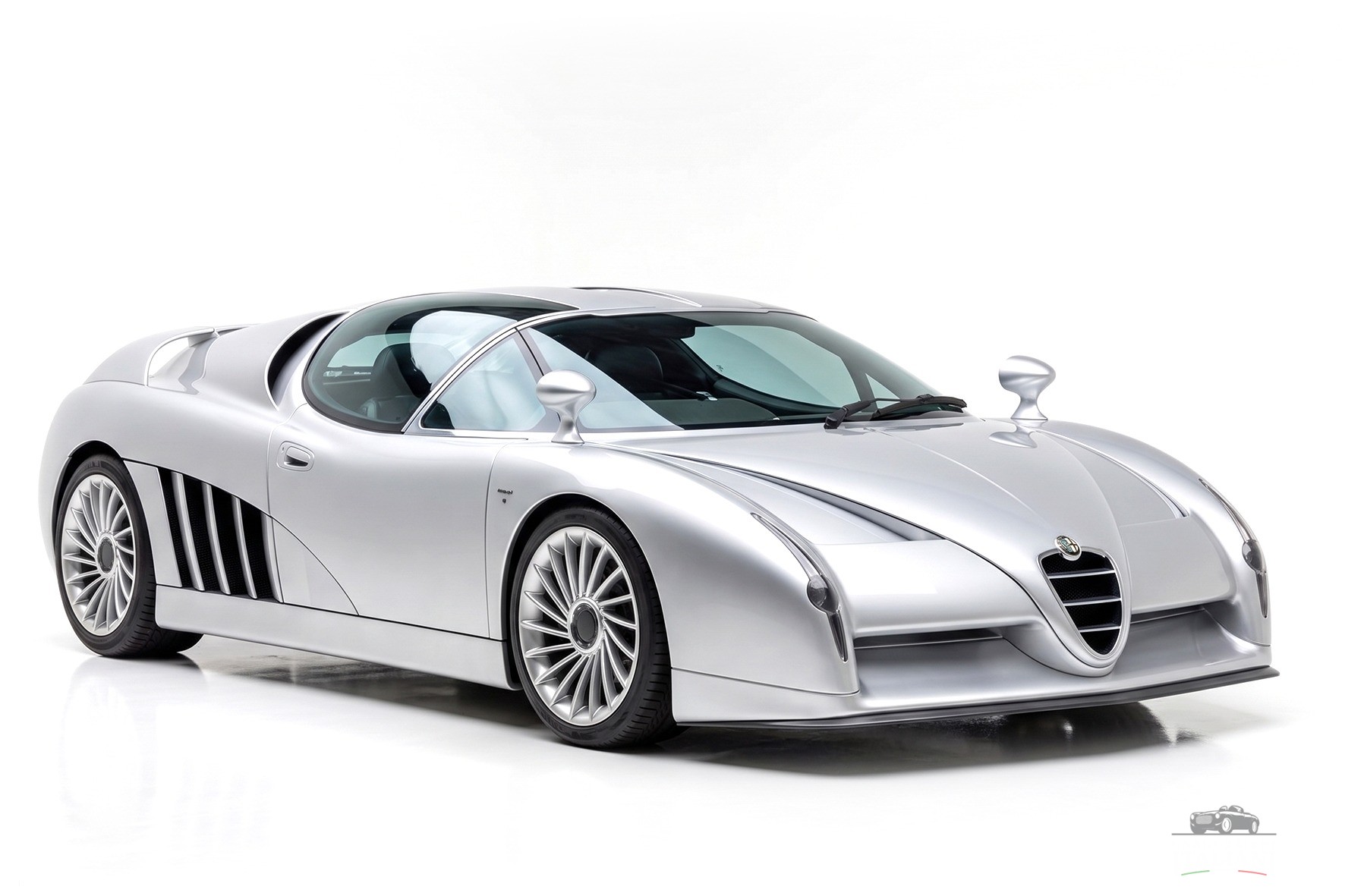
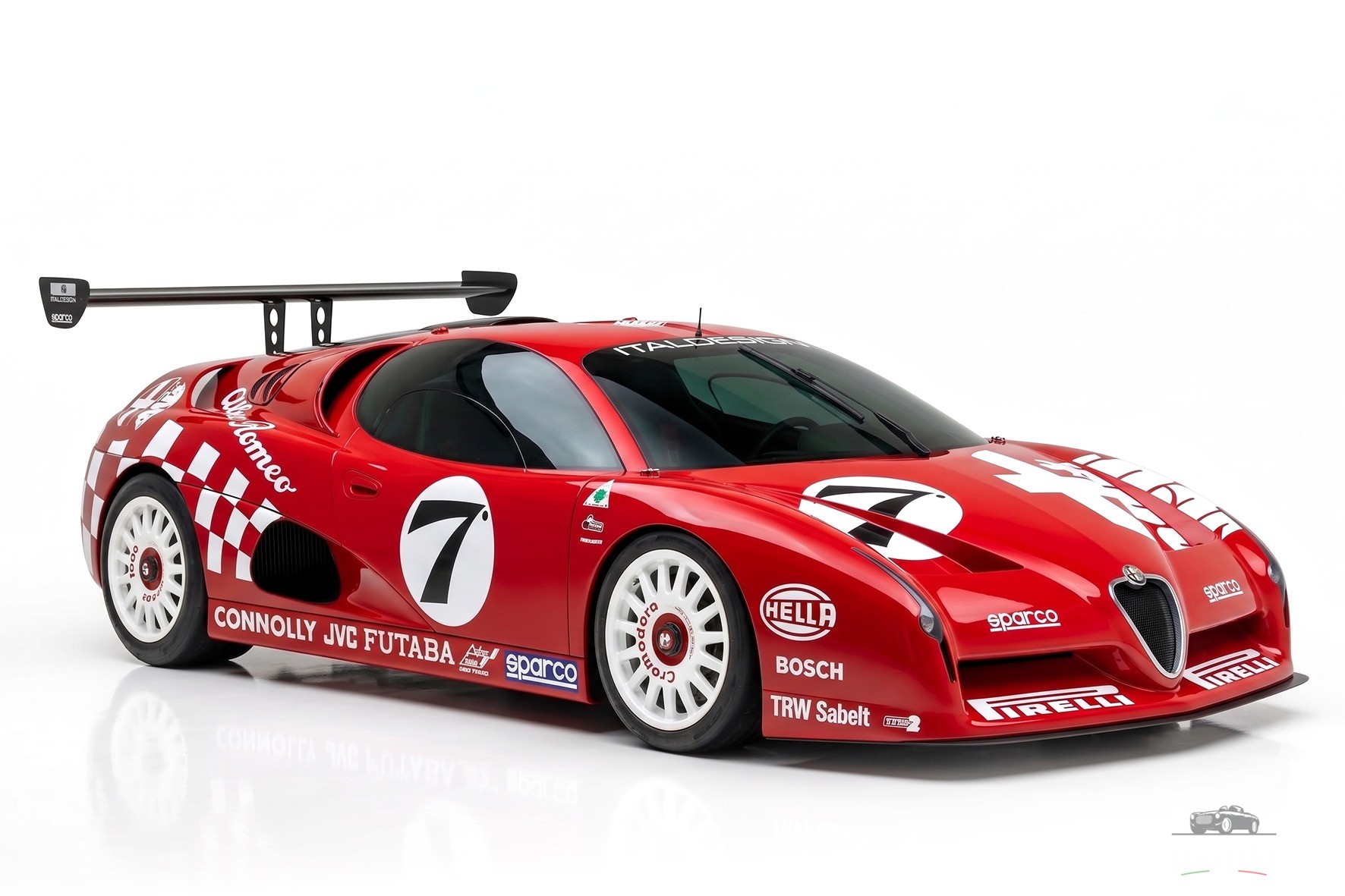
In July 1995 Giugiaro became head of Italdesign’s styling and prototype department. His remit encompassed the work of the styling teams as well as prototype development. During this period he contributed to the Alfa Romeo Scighera and its separate Scighera GT interpretation of 1997. The latter used a more competition-focused body specification; neither should be conflated with a series-production Alfa Romeo.
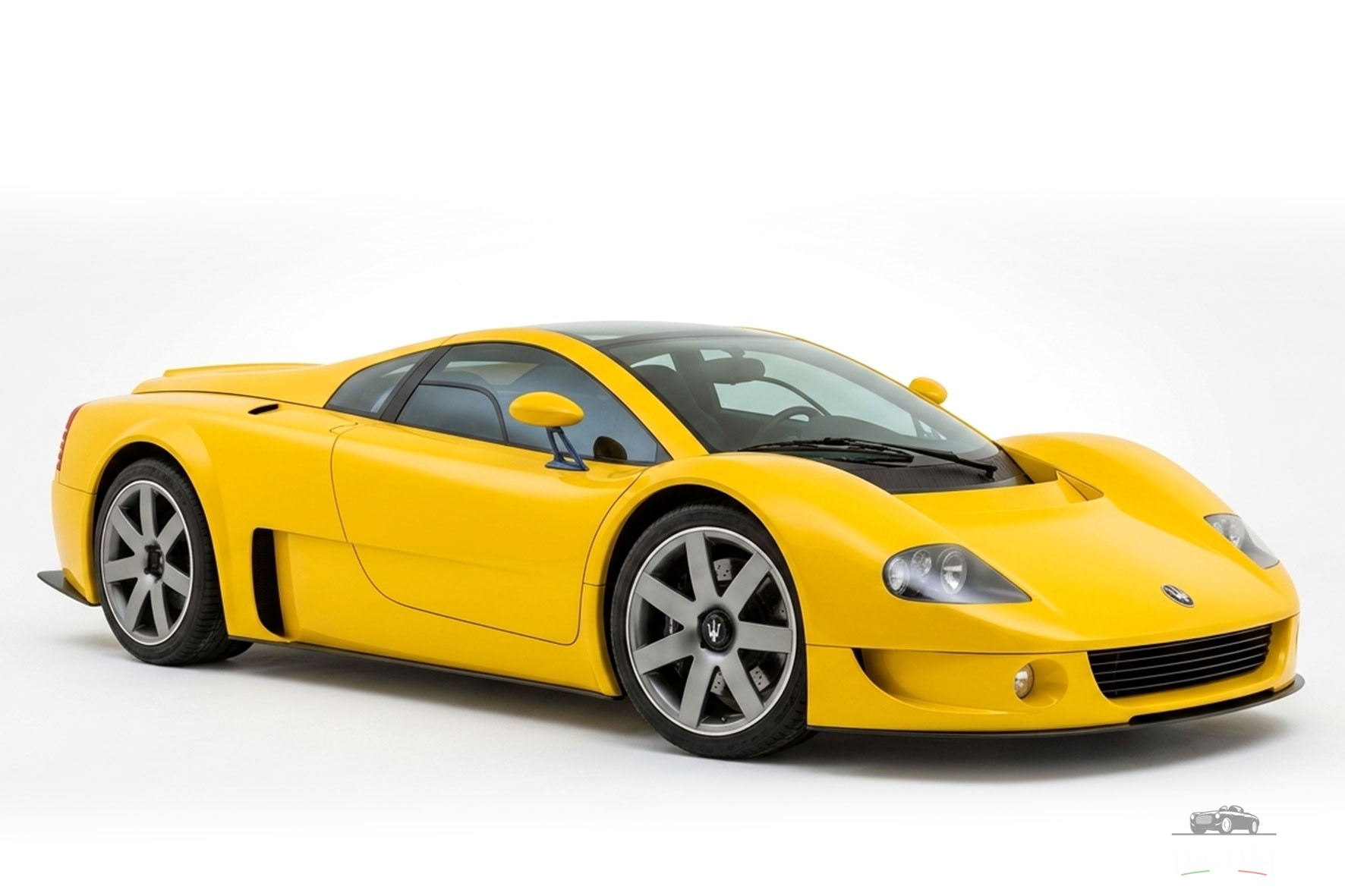
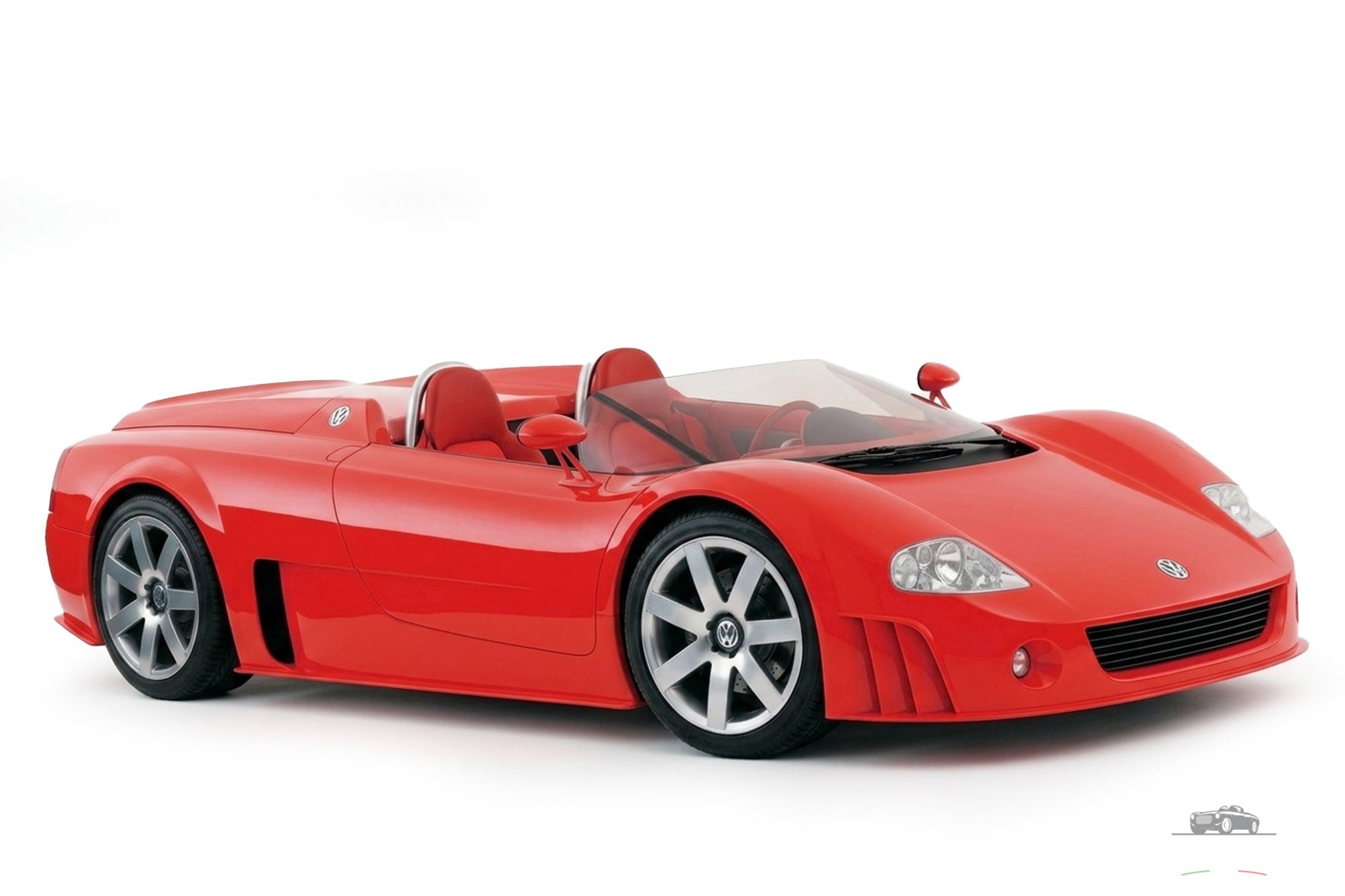
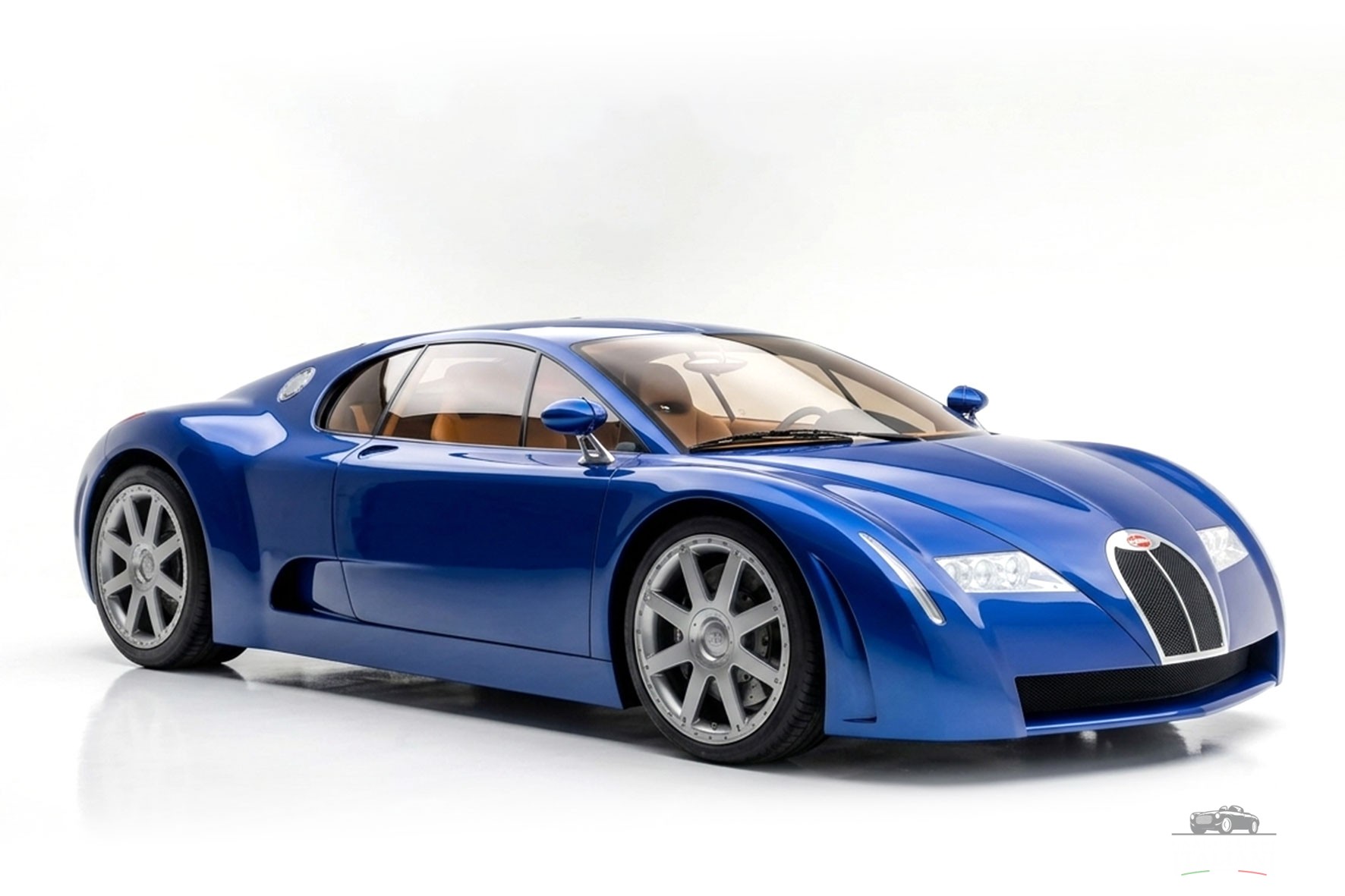
Ferdinand Piëch commissioned Italdesign to investigate a Volkswagen supercar accommodating the company’s W-configuration twelve-cylinder engine. Giugiaro was assigned the design brief that led to the W12 Syncro (1997), W12 Roadster (1998) and W12 Nardò evolution. The final experimental vehicle was used for high-speed endurance testing at Nardò in February 2002. These successive vehicles document a programme developed over several years, not a single unchanging prototype.
Collaboration with manufacturers
Giugiaro was project manager for Italdesign’s initial L140 styling proposal in the programme that became the Lamborghini Gallardo. A contemporary account in Auto&Design describes the proposal supplied to Lamborghini and the subsequent reworking carried out by the manufacturer under Luc Donckerwolke’s design leadership. His role in the Italdesign proposal should not be recorded as sole authorship of the production Gallardo. Similar care is required for corporate Italdesign credits on other commissioned production vehicles.
From 2004 he also managed Giugiaro Design’s non-automotive work. After Volkswagen acquired a majority stake in Italdesign in 2010, he continued in styling leadership for a period and subsequently worked as a design consultant to the Volkswagen Group. This phase ended before the creation of the independent GFG activity and should not be described as continuing management of the former family-owned Italdesign business.
The Giugiaro Quaranta concept of 2008 explored an alternative sports-car architecture in the year of Italdesign’s fortieth anniversary. The 2013 Giugiaro Parcour and Parcour Roadster combined high-performance grand-touring proportions with adjustable ride height and all-terrain capability. Giugiaro is named individually as designer of both Parcour variants in the family studio archive. The related Audi Nanuk is a separate collaborative Audi–Italdesign project and should not be converted into an exclusive individual credit.
GFG Style and later projects
Following the departure from Italdesign, Giorgetto and Fabrizio Giugiaro established GFG Style in 2015. Their subsequent GFG Progetti organisation, formed in 2016, developed automotive and mobility design activities including GFG Style and GFG Rail. Fabrizio Giugiaro is identified as GFG Style’s chief executive and also holds leadership responsibilities at Giugiaro Architettura.
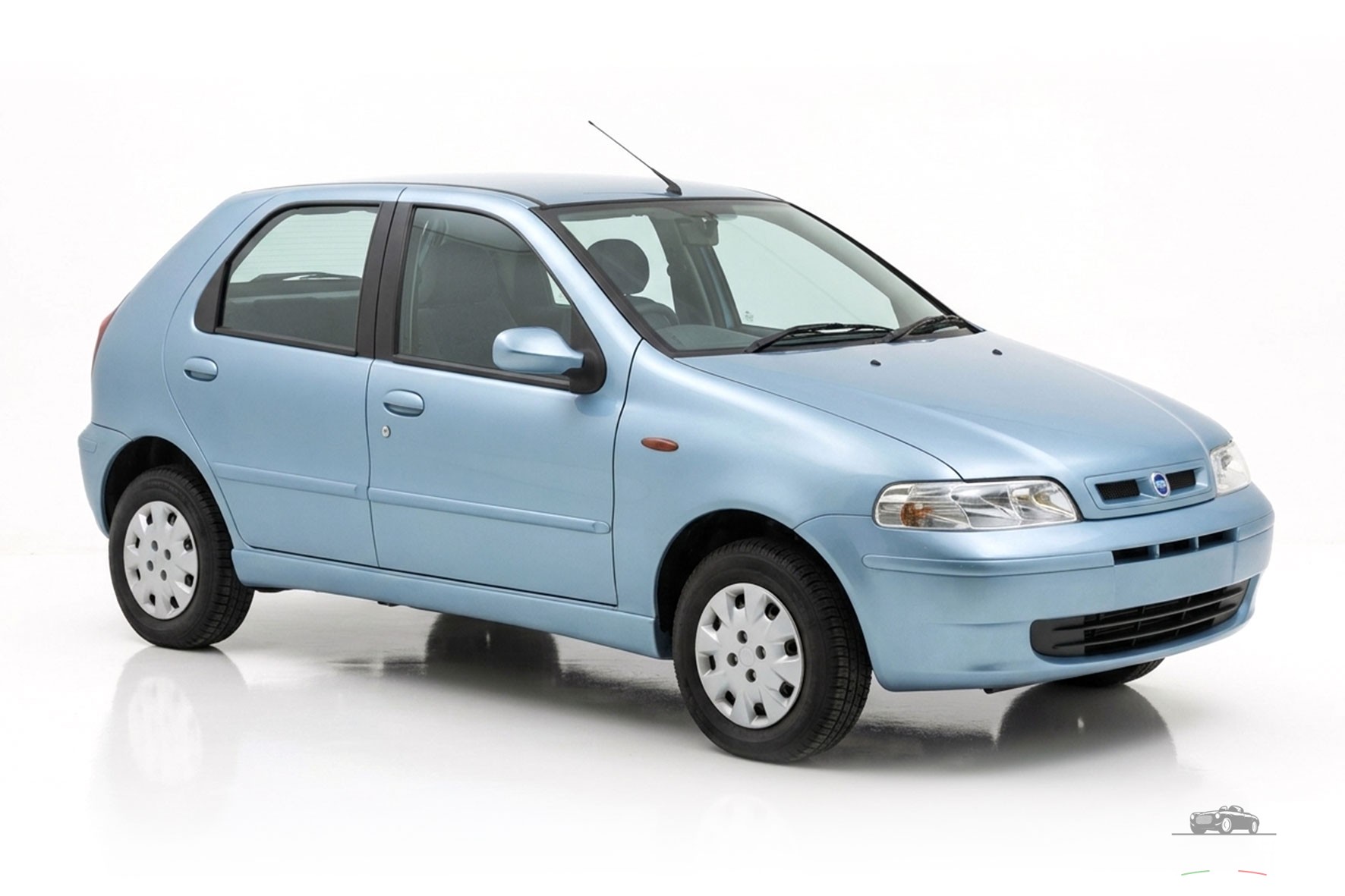
Projects developed with GFG Style include the Sibylla electric saloon, the Kangaroo electric all-terrain sports concept and the Vision 2030 Desert Raid. The Panda Top Less revisits the utilitarian architecture of the earlier Panda through an electric recreational concept, while retaining a distinction between the later interpretation and Giorgetto Giugiaro’s original Panda design.
In 2023 the studio participated in the design of the Bizzarrini Giotto. The Peralta S of 2025, commissioned as a one-off, has a polished-aluminium body and an unusual opening canopy and is explicitly credited to Fabrizio. The Peralta D, unveiled in October 2026, is a separate copper-bodied 2+2 grand tourer. Also in October 2026 he presented the CAVËN Atelier HOMMAGE 26, a reinterpretation of his original late-1990s design work. The proposed 25-car series is a production intention, not evidence of 25 completed vehicles.
Industrial design, architecture and recognition
Giugiaro’s professional work extends to non-automotive industrial design and the architectural activity of Giugiaro Architettura, established in 2003. His architectural roles include the development of projects associated with the 2006 Winter Olympics in Turin and the exterior design of the Juventus Stadium. He received an honorary degree in architecture from the Georgian Technical University in Tbilisi in March 2012. His official biography also records a Compasso d’Oro design recognition in 2014; the precise award category requires reference to the original ADI register when entered into a structured awards table.
Scope of design attribution
The Nazca series, Scighera, Volkswagen W12 programme and Parcour variants provide documented individual project credits. Other vehicles developed under the names Italdesign, Giugiaro or GFG Style require project-specific evidence before being assigned an individual designer relationship. Ownership, studio leadership, industrial design, development engineering and final manufacturer styling are distinct historical roles and should remain separately identified in vehicle records.
THE NETWORK
Shared vehicle credits



KEY MOMENTS
Timeline
-
Birth of Fabrizio Giugiaro
Turin, Italy
-
Career begins
IN THE ARCHIVE
Coachbuilders & design studios

GFG Style
Founded in 2015 by Giorgetto and Fabrizio Giugiaro, GFG Style is a Turin-based design studio creating automotive concepts, bespoke grand tourers and advanced mobility projects.
Explore record ↗AWARDS & RECOGNITION
Palmarès
Vehicle awards
- Best of Show
- 1
- Car of the Year
- 1
- Class wins
- 1
- Special prizes
- 1
- Awards
- 2
6 vehicle award records
Special Prize
Maserati SpyderClass Winner
Volkswagen W12 NardòBest in Show
Peralta SCarrozzieri Italiani Car of the Year
Peralta SBest Concept
Giugiaro Parcour RoadsterBest Concept
Giugiaro Parcour
CONTINUE EXPLORING
Related vehicles

CONTINUE READING
Related articles
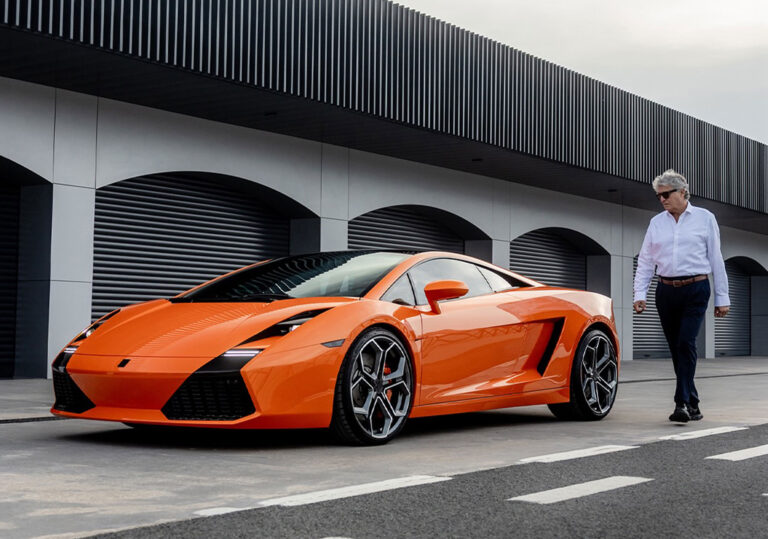
CAVËN Atelier HOMMAGE 26: Fabrizio Giugiaro Reimagines the Lamborghini Gallardo
Unveiled at the 2026 Concours at Wynn Las Vegas, the HOMMAGE 26 brings Fabrizio Giugiaro back to a design he first developed at Italdesign nearly three decades ago. With entirely reworked carbon-fibre…
Read story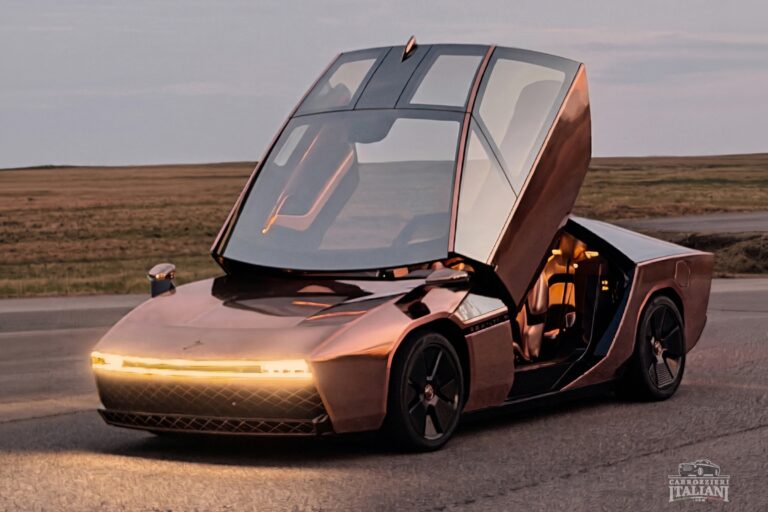
GFG Style Peralta D: Fabrizio Giugiaro’s Copper-Bodied Gran Turismo
GFG Style Peralta D: Fabrizio Giugiaro’s Copper-Bodied Gran Turismo Unveiled in Mexico, the new one-off creation combines hand-hammered copper coachwork, mirrored glass and an unconventional opening system inspired by the De Tomaso…
Read story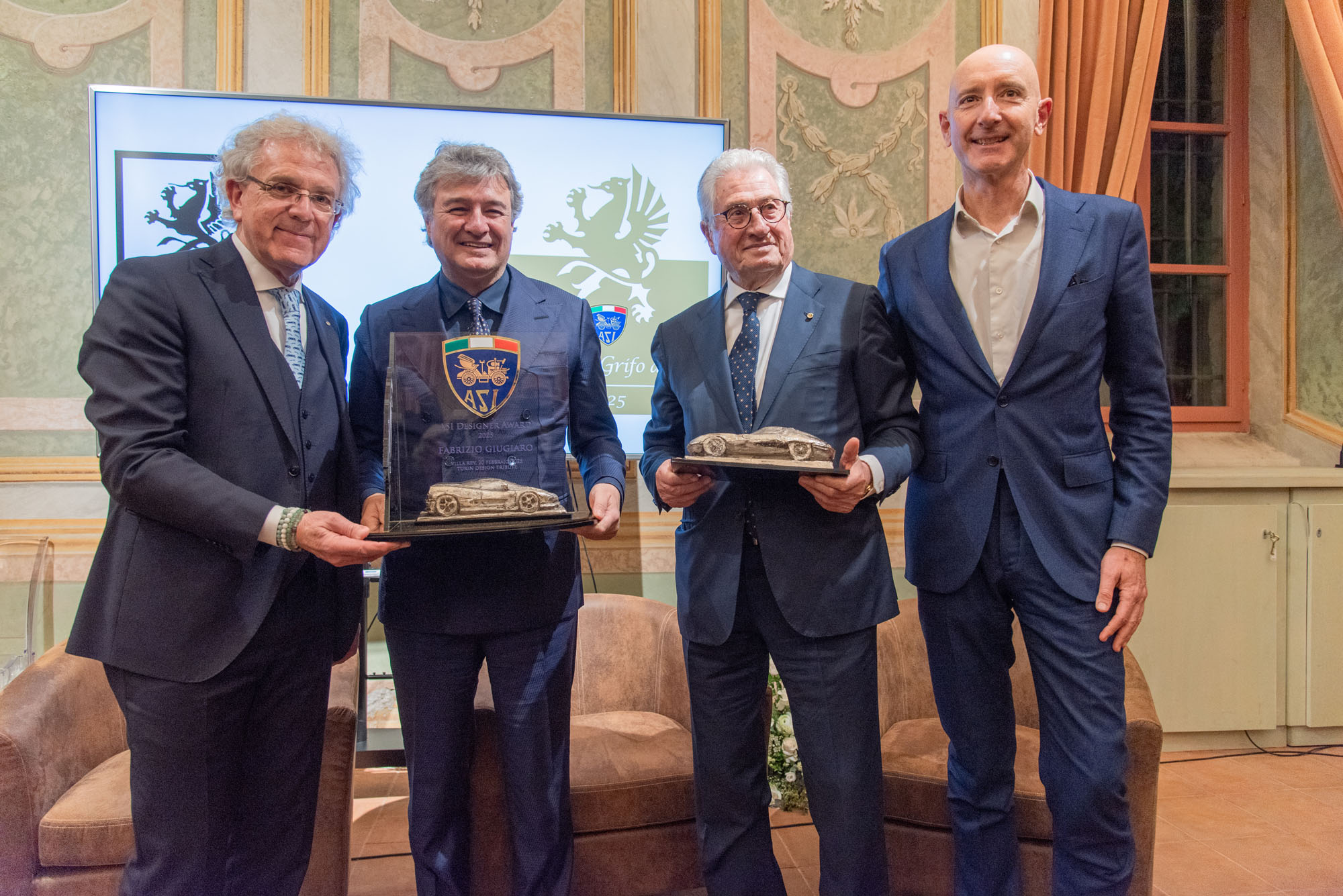
ASI and FIVA Honor Giorgetto & Fabrizio Giugiaro and Paolo Martin
Turin has long been a global epicenter of automotive design, a city where innovation and artistry have shaped the industry for over a century. From the early 1900s, beneath the iconic Mole…
Read story
THE CONVERSATION
Comments 0