Giovanni Michelotti
Giovanni Michelotti was a prolific Italian automotive designer whose independent Turin studio produced coachwork and production-car designs for Vignale, Triumph, BMW and numerous other manufacturers.
Explore record ↗
1958Coachwork by Vignale
THE VEHICLE AT A GLANCE
THE PEOPLE BEHIND THE CAR
Giovanni Michelotti was a prolific Italian automotive designer whose independent Turin studio produced coachwork and production-car designs for Vignale, Triumph, BMW and numerous other manufacturers.
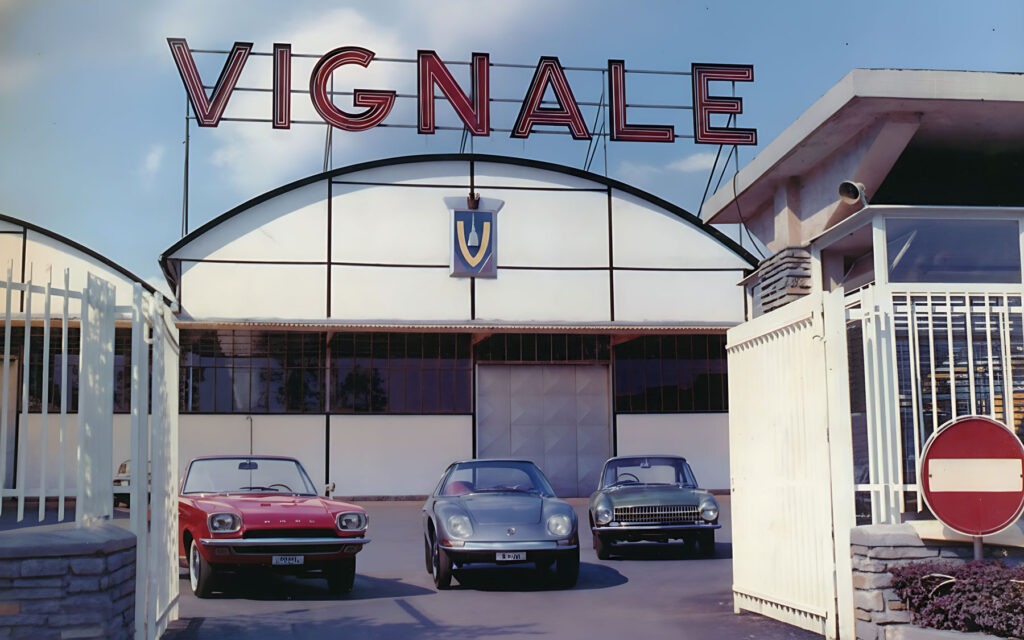
Explore record ↗Founded by Alfredo Vignale in Turin in 1948, Carrozzeria Vignale produced bespoke sports and grand touring bodies for Ferrari, Fiat, Maserati and other manufacturers.
Explore record ↗01 / THE STORY
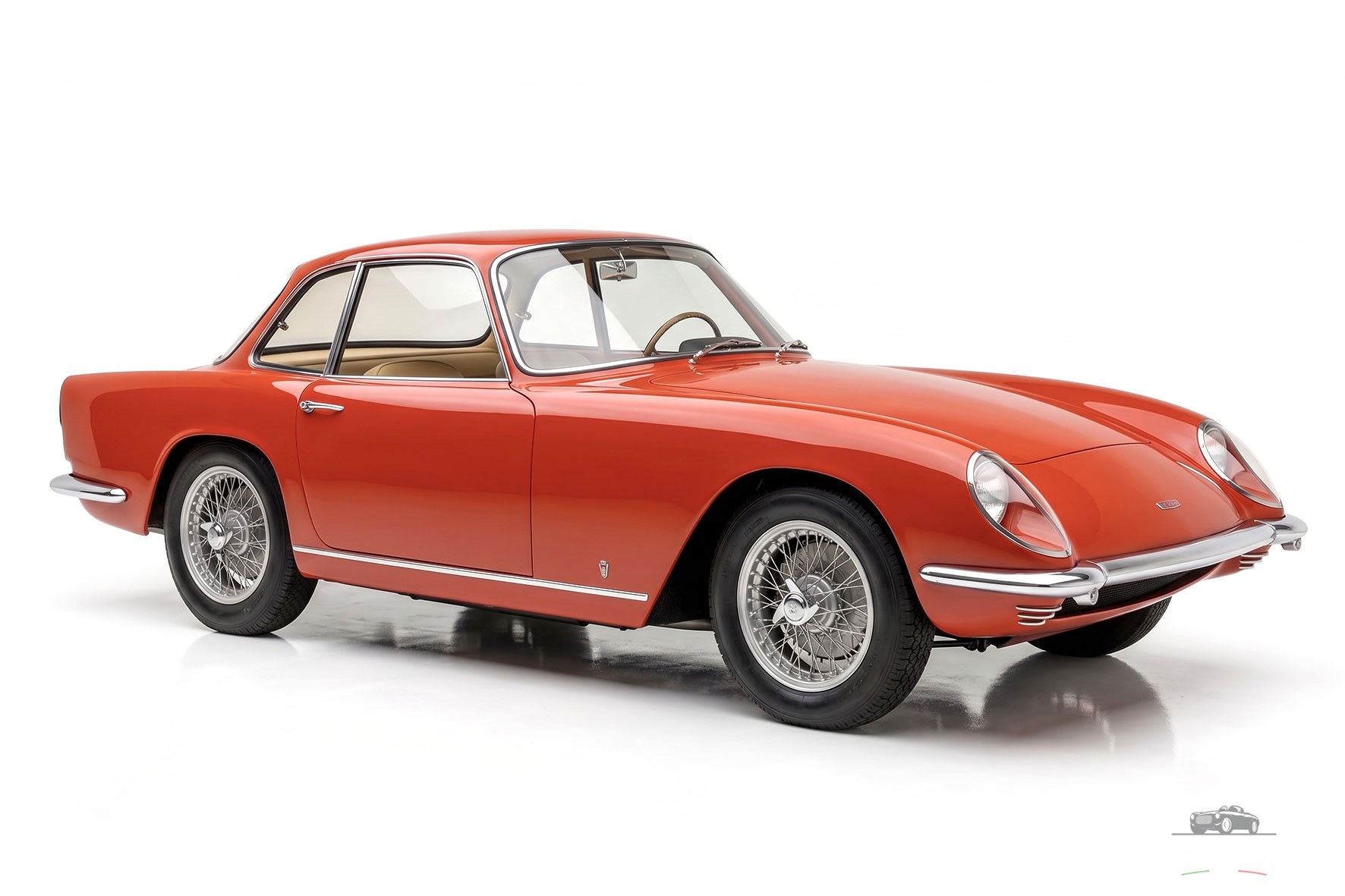
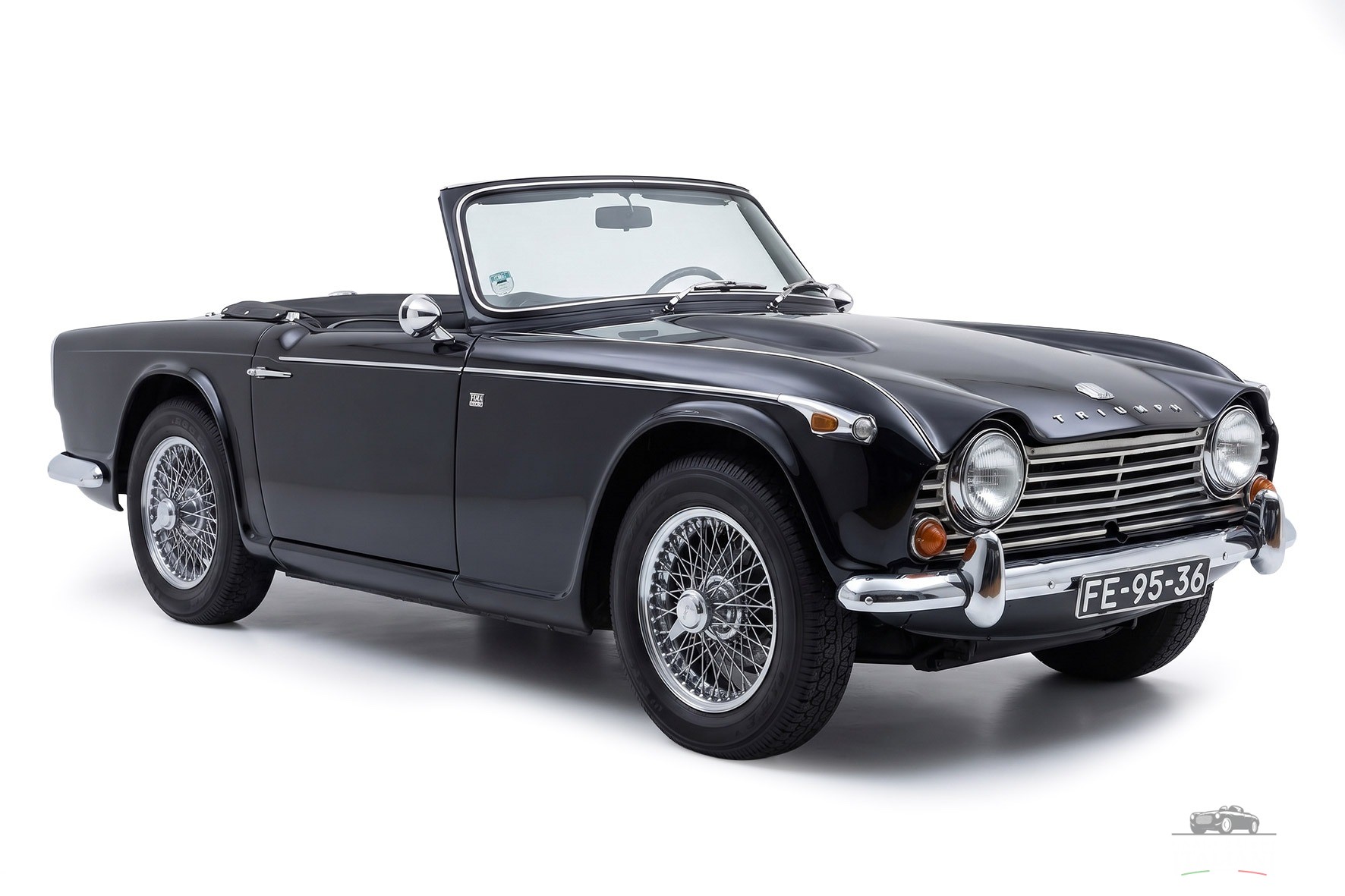
The 1958 Triumph Italia 2000 Prototype was a two-seat coupé designed by Giovanni Michelotti and constructed by Carrozzeria Vignale in Turin. Commissioned by Salvatore Ruffino, the Italian distributor of Standard-Triumph cars, it was the first physical demonstration of a proposed Italian-bodied sports coupé using British Triumph TR3 mechanical components. Its initial form, with a low, sloping nose and enclosed headlamps, differed appreciably from the later production Italia 2000.
Ruffino operated C.E.S.A.C., which distributed Standard-Triumph vehicles in Italy. His intention was to develop a closed two-seat grand tourer using the established TR3 mechanical platform, combining the availability of Triumph components with a body built in Italy. Earlier design proposals were considered before Ruffino adopted Michelotti’s approach. Michelotti recommended Alfredo Vignale for the construction of the prototype. Design and coachbuilding were therefore distinct responsibilities: Michelotti supplied the styling, while Vignale made the body. Ruffino organised the project as its commercial initiator, rather than acting as the coachbuilder.
The original prototype appeared at the Turin Motor Show held from 5 to 16 November 1958. Contemporary illustrations and photographs show a markedly inclined front end, headlamps enclosed behind transparent covers and a compact coupé roof. Historical research also records the use of aluminium for some body components, notably the doors and bonnets, rather than establishing an entirely aluminium body. Those construction details apply to the experimental vehicle and should not be assumed for every subsequent Italia 2000 production coupé.
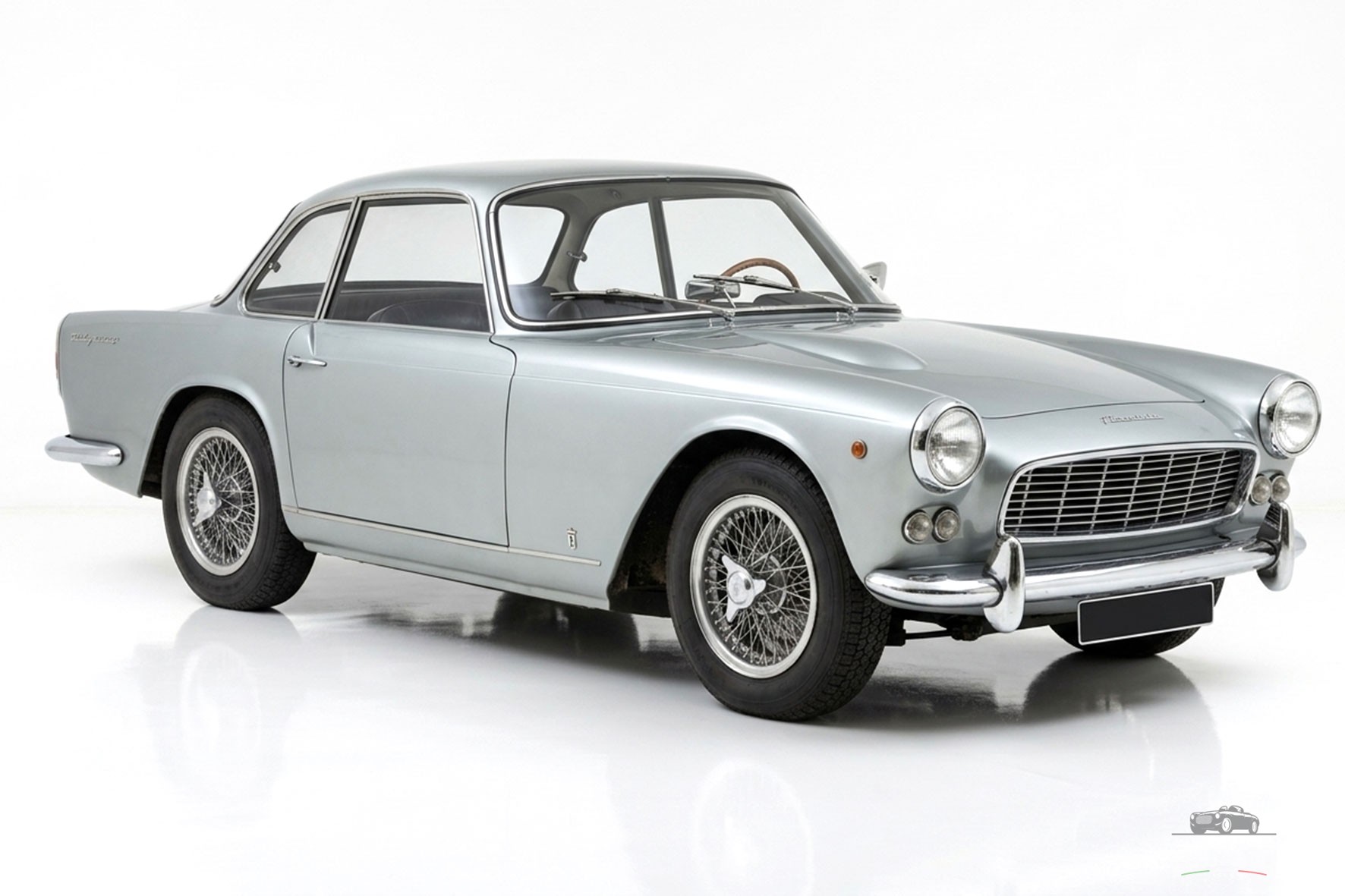
The first prototype was tested at the Motor Industry Research Association facilities in Britain. Accounts of the tests describe strong high-speed performance but also engine-cooling difficulties. Specialist histories additionally discuss the influence of the front-end design on stability at speed. These findings help explain the subsequent redesign of the nose, including a more conventional grille and exposed headlamps. The revision brought the Italia closer to the appearance adopted for series manufacture.
The development history describes two successive prototype configurations: the original slope-nosed 1958 design and a revised design associated with 1959. The frequently reported total of two prototypes refers to this development programme. The sources consulted do not establish conclusively whether each configuration used a separate, individually identifiable chassis, or whether some components or a complete car were reworked. Consequently, a unique chassis or body serial number cannot yet be assigned to this record, and a count of two is retained as a reported programme total rather than a verified count of surviving cars.
The later Italia 2000 retained the Michelotti–Vignale design relationship and a Triumph-derived mechanical basis, but the series car must be treated separately from the initial show prototype. Production followed after further development in 1959. Published figures for the total number of production cars vary according to the method of counting; those totals are not production figures for the 1958 prototype itself. The prototype’s history is discussed in The Triumph Italia by Vignale, while the broader connection between the designer and the British manufacturer is examined in The Partnership Between Michelotti and Triumph.
No chassis number, confirmed ownership chronology or documented sale specific to the first 1958 prototype has yet been established from the available evidence. The Turin appearance is documented historically; its native event-participation record remains subject to separate validation. Photographs and drawings retained with this entry require provenance and reuse-rights review before any additional publication or reclassification.
02 / TECHNICAL IDENTITY
03 / DESIGN, BODY & SUPPLIERS
Coachbuilder / Design studio
Founded by Alfredo Vignale in Turin in 1948, Carrozzeria Vignale produced bespoke sports and grand touring bodies for Ferrari, Fiat, Maserati and other manufacturers.
Explore record ↗Designer
Giovanni Michelotti was a prolific Italian automotive designer whose independent Turin studio produced coachwork and production-car designs for Vignale, Triumph, BMW and numerous other manufacturers.
Explore record ↗Become a Pro member to see the full details in this section.
Membership is not available yet.
View membership options04 / CHRONOLOGY
07 / GALLERY
CONTINUE EXPLORING
CONTINUE READING
In the pantheon of automotive legends, certain vehicles stand out as timeless icons of style, performance, and craftsmanship. Among these illustrious creations, the Triumph Italia 2000 Coupé occupies a place of honor—a…
Read storyThe history of Triumph in the 20th century is inseparable from the creative genius of Giovanni Michelotti, one of the most influential automotive designers of his time. Triumph, established as the sports…
Read storyThe story of Carrozzeria Vignale represents one of the many somewhat forgotten success stories born against the backdrop of an Italy that was torn apart by the Second World War and which,…
Read story



THE CONVERSATION
Comments 0