Giovanni Michelotti
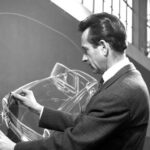
Giovanni Michelotti was a prolific Italian automotive designer whose independent Turin studio produced coachwork and production-car designs for Vignale, Triumph, BMW and numerous other manufacturers.
Explore record ↗
1961
THE VEHICLE AT A GLANCE
THE PEOPLE BEHIND THE CAR
Giovanni Michelotti was a prolific Italian automotive designer whose independent Turin studio produced coachwork and production-car designs for Vignale, Triumph, BMW and numerous other manufacturers.
Explore record ↗Founded in Turin by Giovanni Michelotti, Studio Michelotti developed original automotive styling, full-scale models and prototypes for international manufacturers and specialist coachbuilders.
Explore record ↗01 / THE STORY
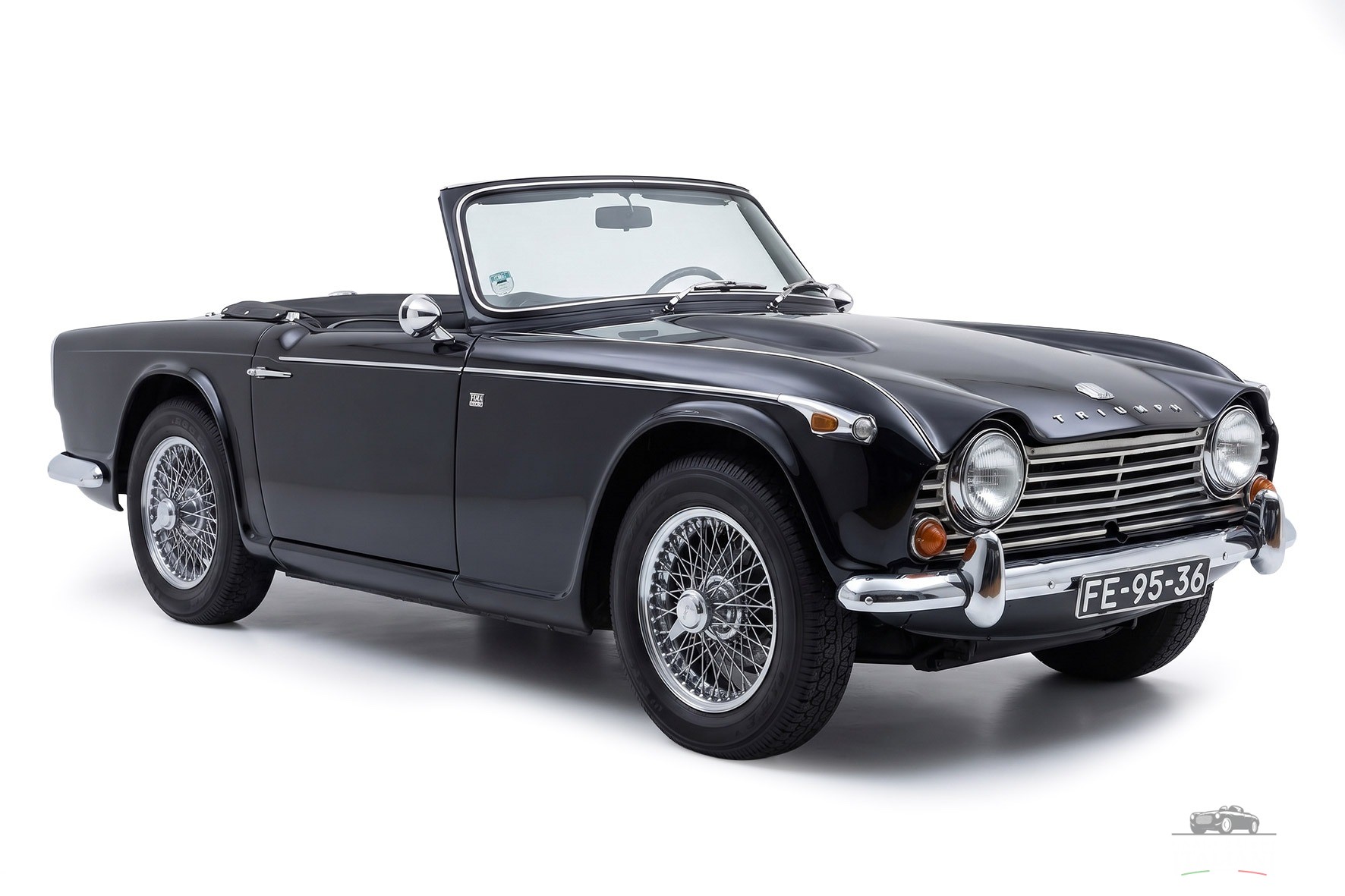
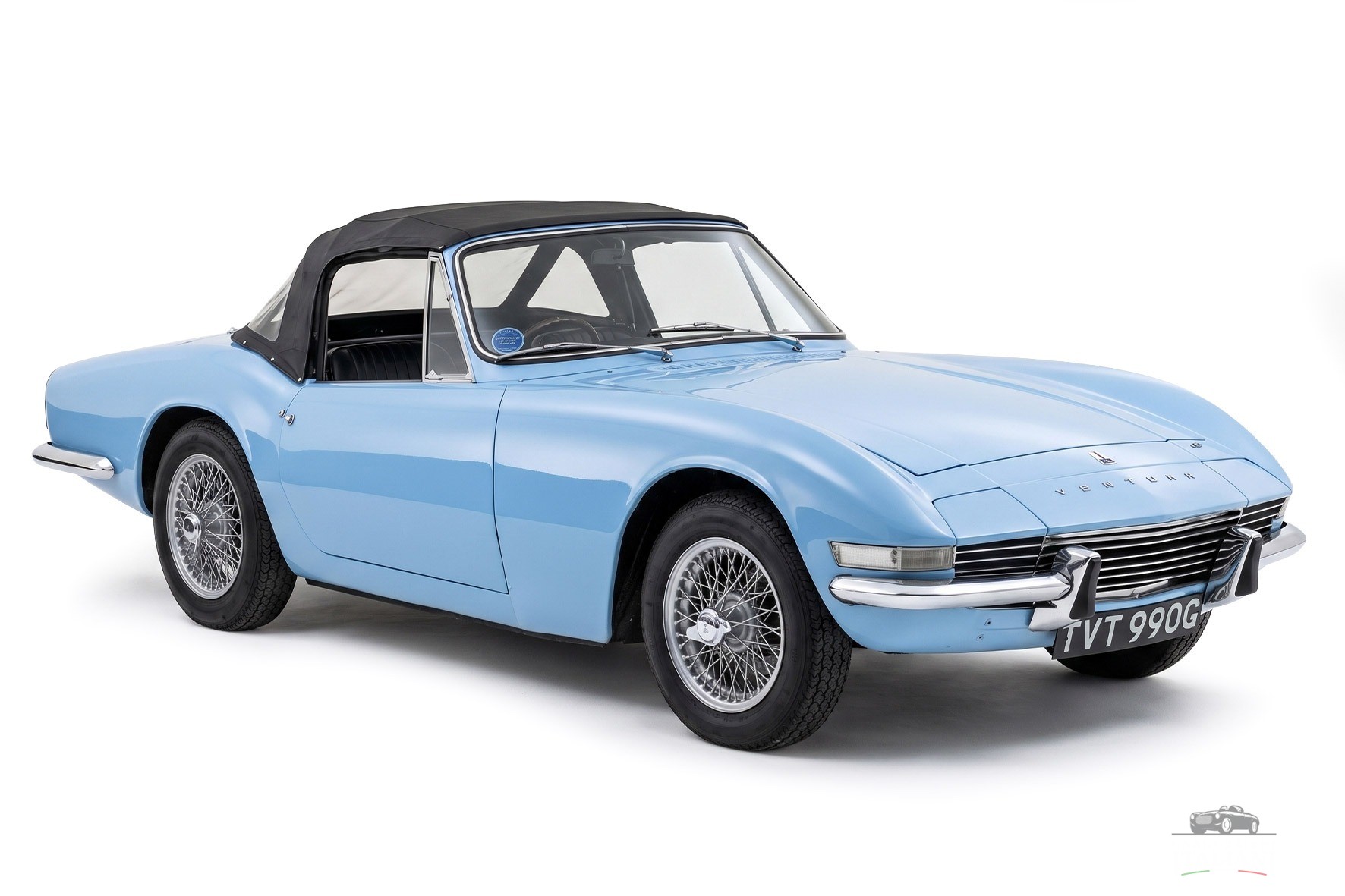
The Triumph TR4 is a two-seat British sports roadster produced by Standard-Triumph from 1961 to early 1965. Its new body was designed by Giovanni Michelotti, while the chassis and drivetrain followed the established Triumph TR tradition. The TR4 replaced the TR3A with a substantially revised exterior and more practical cockpit, rather than being an entirely new mechanical design. The entry describes the production model, not an individual chassis.
The production TR4 followed Standard-Triumph’s late-1950s investigations into a replacement sports car, including the Zest and Zoom design programmes. These experimental projects formed part of the development history but should not be treated as identical to the eventual production body. Michelotti’s work for Triumph was undertaken through his Turin design practice, Studio Michelotti. The resulting shape retained the long bonnet and short rear deck of earlier TR sports cars but introduced a broader, more rectilinear profile, full-height doors and larger glazed areas.
Unlike the TR3A, which used removable side screens, the TR4 had wind-up windows and exterior door handles. The more conventional doors, improved ventilation and roomier cabin reflected a greater emphasis on regular road use. A fixed windscreen and revised rear bodywork also distinguished the model. The optional Surrey Top consisted of a detachable central roof section and a separate rear-window assembly; it offered an alternative to the conventional folding hood. The roof arrangement belongs to the wider history of removable-panel bodies discussed in Italy and the Targa Roof.
The TR4 retained a separate chassis frame and a front-mounted, longitudinal four-cylinder engine driving the rear wheels. Its standard 2,138 cc overhead-valve engine derived from the earlier Standard-Triumph wet-liner unit and was supplied with twin carburettors. Factory specifications differed by market and period, but a nominal output of approximately 100 metric horsepower is documented for the production model. A four-speed manual gearbox was standard, with Laycock de Normanville overdrive available as an option. The use of rack-and-pinion steering marked a notable departure from the earlier TR3 arrangement.
Suspension retained independent front wishbones with coil springs and a live rear axle on leaf springs. Braking was by front discs and rear drums. The standard roadster body measured approximately 3,962 mm long, 1,461 mm wide and 1,270 mm high. These dimensions describe the production model and do not establish the specification or identity of a particular surviving vehicle.
Production began in July 1961, with commission numbers in the CT series, and ended in January 1965 according to the Vintage Triumph Register’s production chronology. That register records 40,253 completed TR4s, a total distinct from production of the subsequent TR4A. Individual commission, engine and body numbers are not interchangeable; a particular car’s identity requires its own build documentation.
The TR4 was also used in international competition, with some works cars prepared to different specifications from standard road models. FIA historic records include GT homologations covering both 1,991 cc and 2,138 cc configurations; these should not be confused with proof that every production TR4 had both engine sizes. The later TR4A retained the basic Michelotti styling while introducing important chassis changes, notably independent rear suspension on selected versions. Michelotti’s broader relationship with Standard-Triumph, including the TR4 and later sports-car projects, is examined in The Partnership Between Michelotti and Triumph.
02 / TECHNICAL IDENTITY
03 / DESIGN, BODY & SUPPLIERS
Coachbuilder / Design studio
Founded in Turin by Giovanni Michelotti, Studio Michelotti developed original automotive styling, full-scale models and prototypes for international manufacturers and specialist coachbuilders.
Explore record ↗Designer
Giovanni Michelotti was a prolific Italian automotive designer whose independent Turin studio produced coachwork and production-car designs for Vignale, Triumph, BMW and numerous other manufacturers.
Explore record ↗04 / CHRONOLOGY
07 / GALLERY
CONTINUE EXPLORING
CONTINUE READING
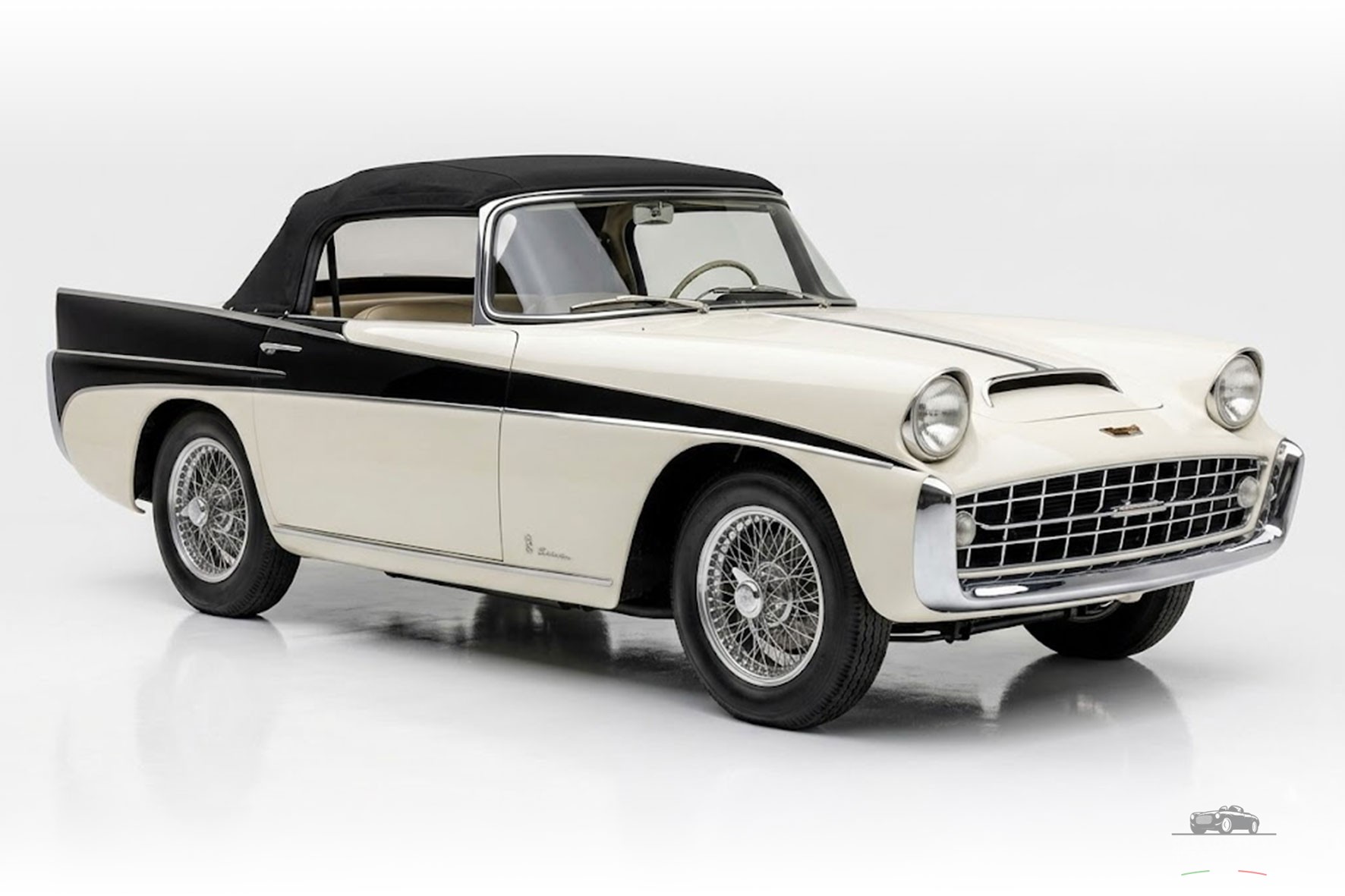
The history of Triumph in the 20th century is inseparable from the creative genius of Giovanni Michelotti, one of the most influential automotive designers of his time. Triumph, established as the sports…
Read storyA deep dive into Italy’s decades-long exploration of the targa roof—from early post-war experiments to Ferrari and Lamborghini icons—revealing how Italian designers created a third way between coupé and spider.
Read story

THE CONVERSATION
Comments 0