
25° Salone dell’Automobile – Milano 1931
AT A GLANCE
- Date
- 1931-04-16 — 1931-04-27
- Venue
- Palazzo dello Sport della Fiera Campionaria
- Location
- Milan · Italy
THE EVENT
Event overview
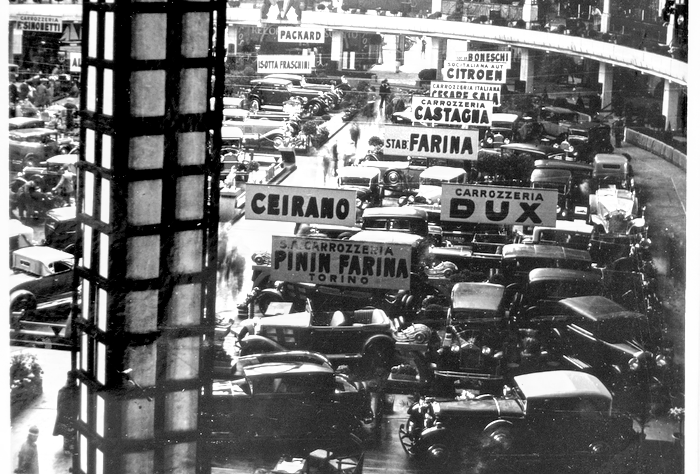
The 1931 Milan Automobile Salon, staged in the imposing Palazzo dello Sport at the Fiera di Milano, opened with a short delay but immediately captivated vast crowds of motoring enthusiasts, industry professionals, and the simply curious. In a year when foreign participation was reduced, the event became a true celebration of Italian automotive design and engineering, allowing national marques and craftsmen to take center stage.
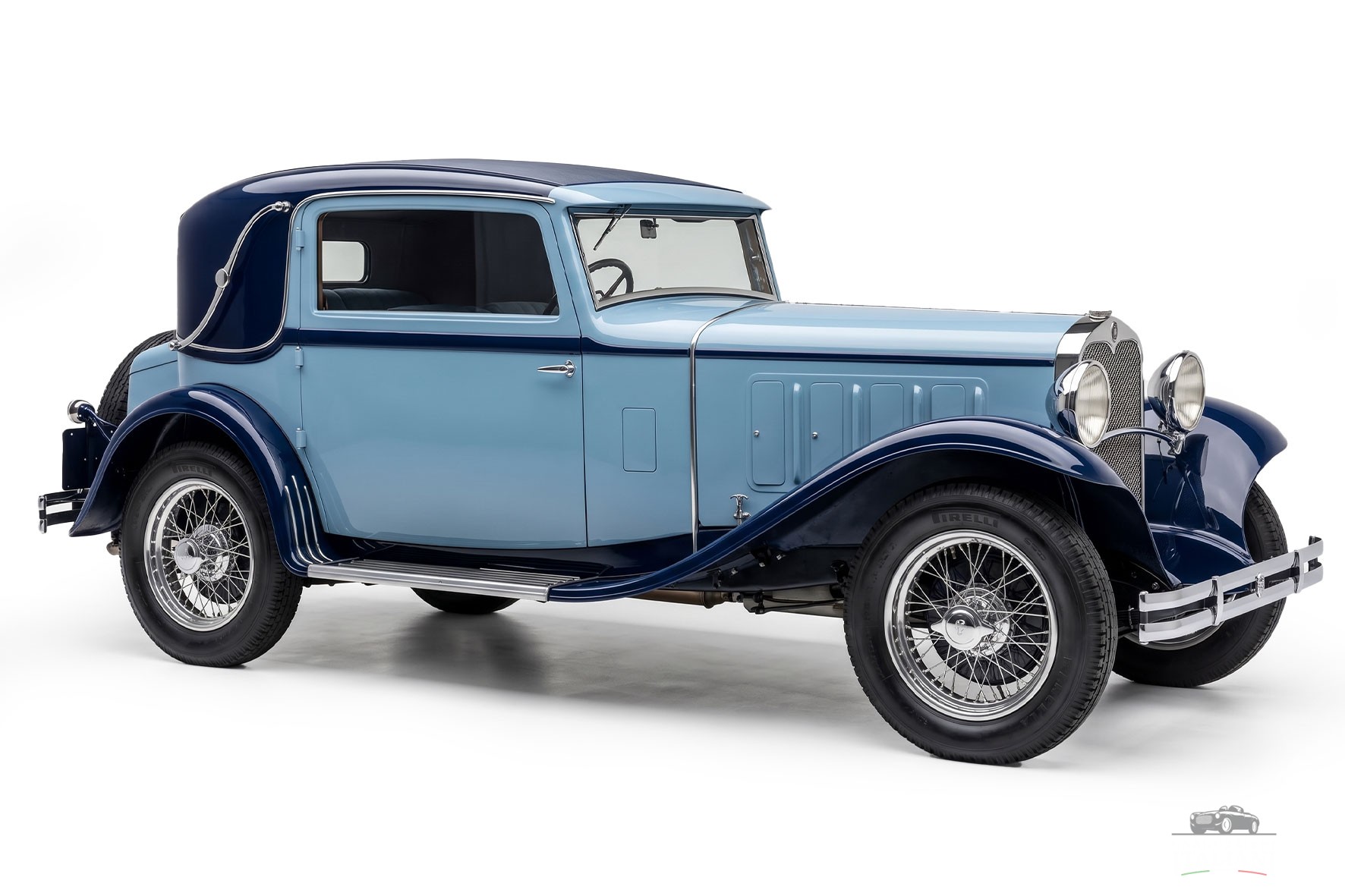
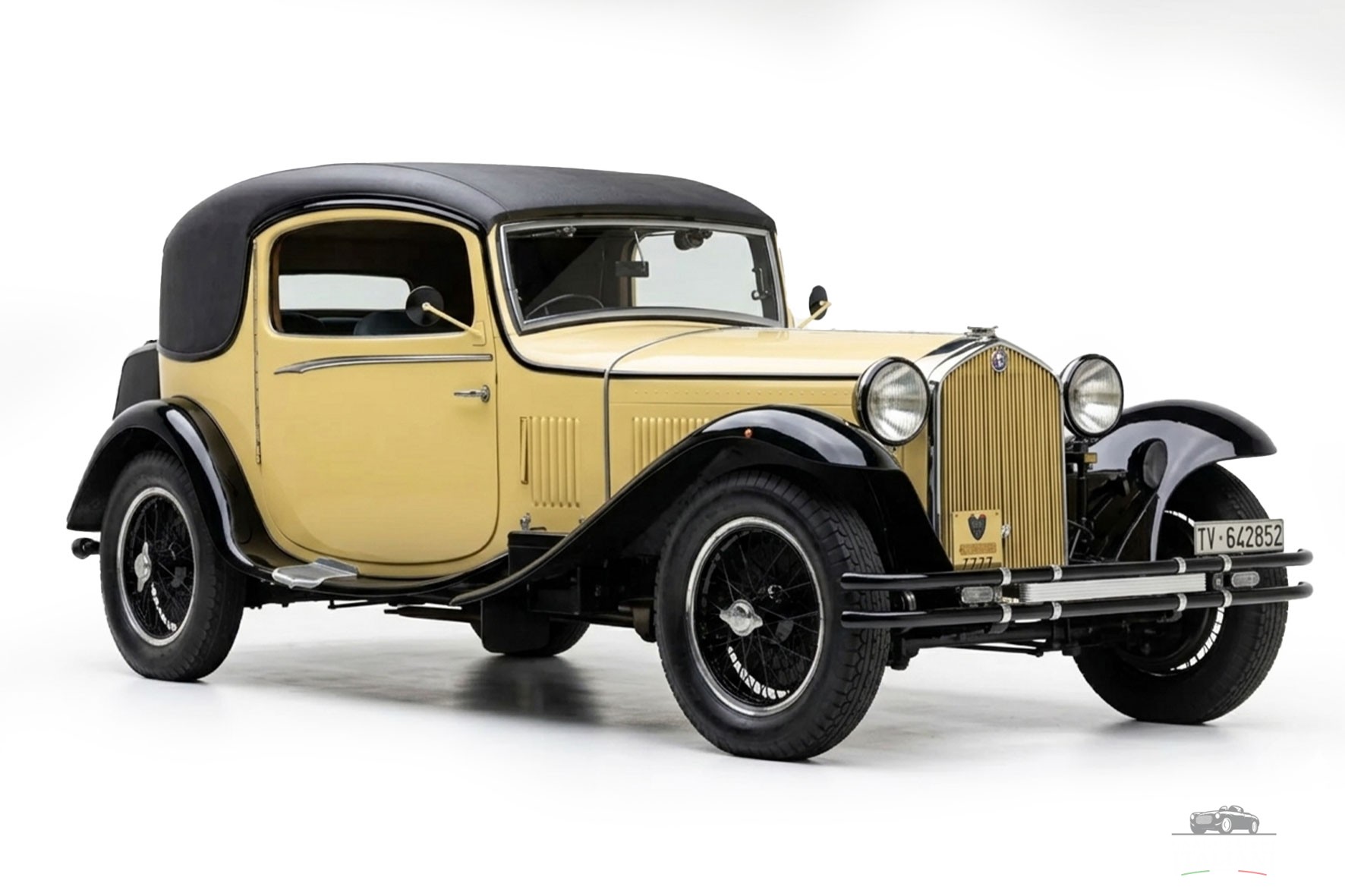
Major manufacturers — FIAT, Bianchi, Lancia, Alfa Romeo, Isotta Fraschini, and Citroën Italia — presented important novelties. FIAT unveiled the new 6-cylinder 522, praised for its refined mechanics, improved comfort, and road handling. Lancia showcased the short-chassis Dilambda, capable of 120 km/h and enriched with advanced refinements. Alfa Romeo drew admiration with its supercharged 1750 Gran Turismo, combining performance with elegance. Bianchi introduced the new 8-cylinder S.8, a luxury sedan of impeccable build quality.
Beyond the mechanical innovations, the Salon’s most dazzling element lay in the displays of Italy’s premier coachbuilders.
Stabilimenti Farina presented elegant closed and open bodies, particularly on Lancia Dilambda chassis, emphasizing proportion, line purity, and luxury interiors. Their work was noted for blending modern aerodynamic thinking with traditional craftsmanship.
Carrozzeria Castagna exhibited some of the most opulent vehicles of the show — Imperial Landaulets, limousine-bodied Grand Sports, and cabriolets on Isotta Fraschini and Lancia chassis. Castagna’s bodies were admired for their stately presence, rich upholstery, and flawless paintwork.
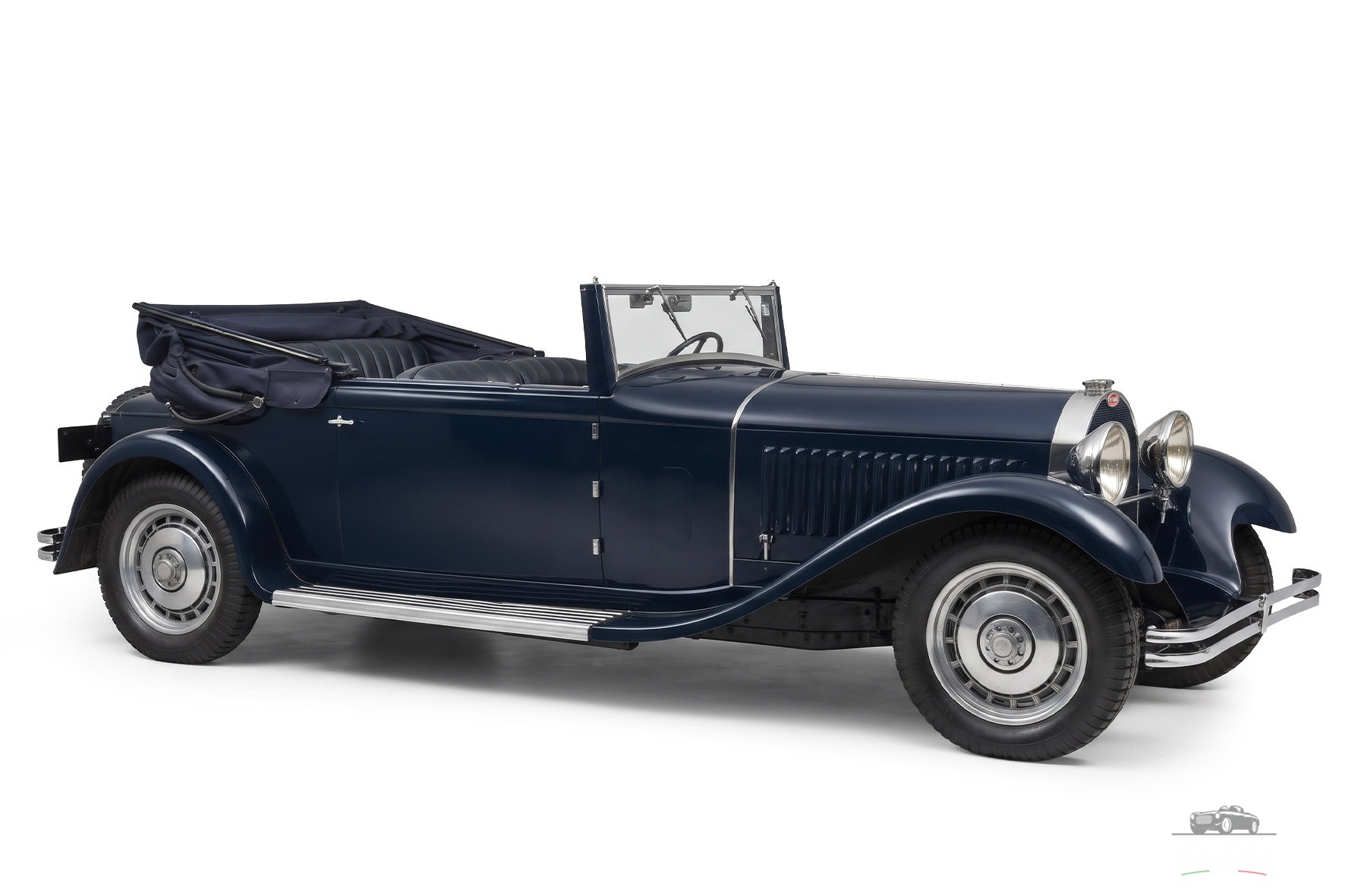
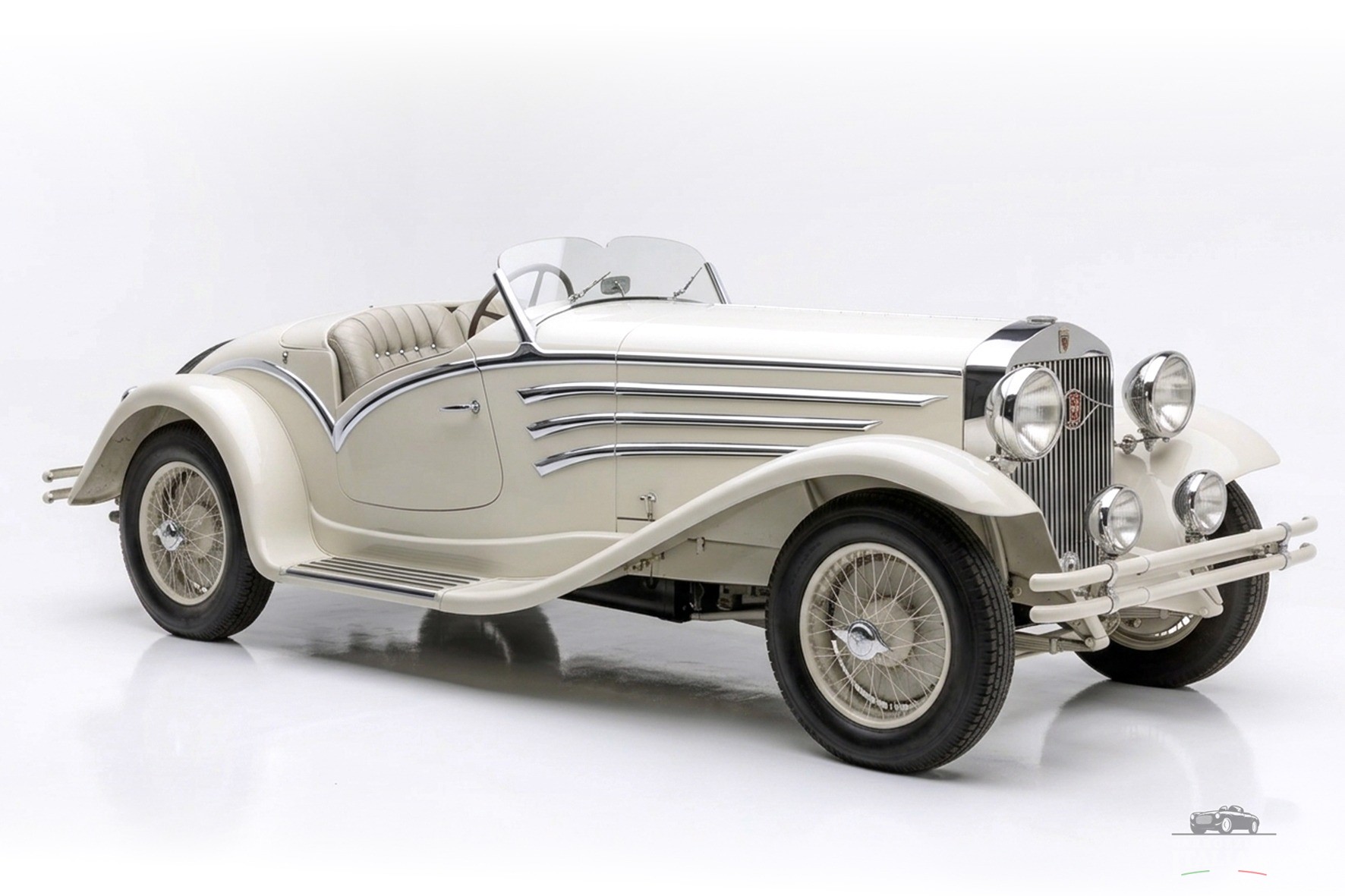
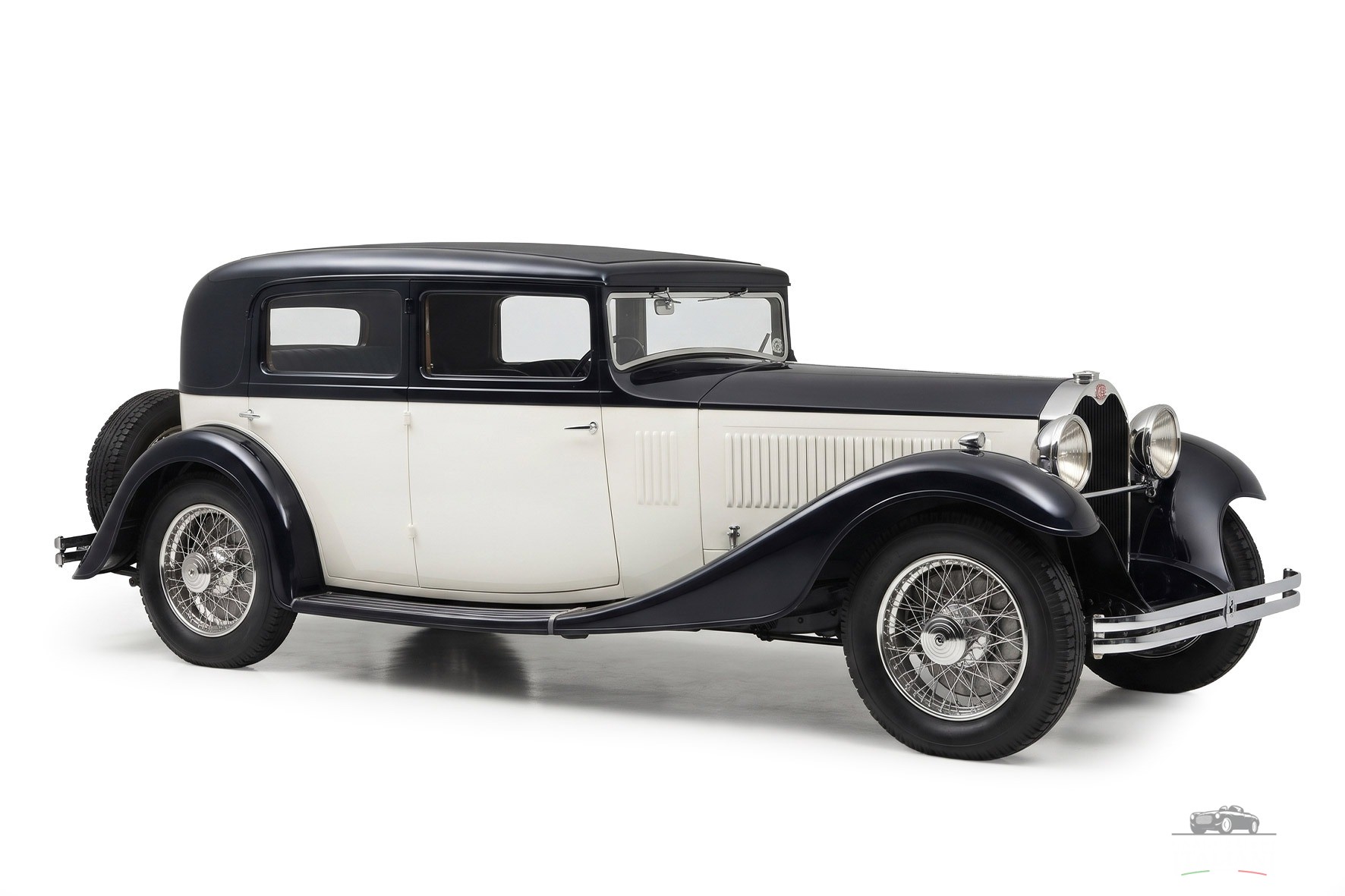
Cesare Sala, the historic Milanese firm, gathered a glittering collection: an Isotta Fraschini B.8 Grand Sport in avana with black wings, a Lancia Dilambda cabriolet, a Bugatti Grand Sport, and multiple Alfa Romeo 1750-bodied cars in deep, distinguished hues. Each example reflected Sala’s reputation for impeccable finish and aristocratic style.
Touring attracted attention for its lightweight yet luxurious designs, continuing its tradition of balancing innovation and refinement.
Fratelli Simonetti di Padova introduced the ingenious Malov transformable body — a torpedo that, through an articulated metal frame and concealed mechanism, could be converted into a closed sedan in moments. This dual-purpose construction drew significant attention from both the press and potential buyers.
These carrozzieri were more than builders; they were stylists and artisans, working closely with clients to produce bespoke creations in tailored colors, fabrics, and finishes. Their stands became focal points for social interaction, where dignitaries, foreign visitors, and the fashionable elite gathered to discuss aesthetics as much as performance.
The Salon also offered expansive sections for accessories, service equipment, and commercial vehicles. Luxury intercity buses demonstrated Italy’s capability in passenger transport, while FIAT unveiled a groundbreaking diesel-powered truck, promising greater economy and reliability for freight operators.
Ultimately, the 1931 Milan Automobile Salon stood as a triumph of Italian industrial pride. It proved that the nation’s manufacturers and coachbuilders could rival — and in many respects surpass — their foreign counterparts, combining technical innovation, craftsmanship, and unmistakable style. In the elegance of the carrozzerie and the ingenuity of engineering, Italy set a benchmark for the automotive world.
KEY MOMENTS
Timeline
-
Opening
-
Closing
FROM THE EVENT ARCHIVE
Photo gallery




CONTINUE EXPLORING
Participating Cars






THE EVENT ARCHIVE
THE CONVERSATION
Comments 0