
Castagna
AT A GLANCE
- Closed
- 1954
- Historical city
- Milan
- Country
- Italy
AWARDS & RECOGNITION
Palmarès
Vehicle awards
- Best of Show
- 2
- Class wins
- 10
- Public choice
- 2
- Special prizes
- 2
16 vehicle award records
Special Prize
Isotta Fraschini Tipo 8A SS CabrioletAward by Public Referendum
Lancia Astura Coupé CastagnaClass Winner
Lancia Astura Coupé CastagnaClass Winner
Alfa Romeo 8C 2300 Drophead Coupé CastagnaSpecial Prize
Isotta Fraschini Tipo 8A SS CabrioletCoppa d’Oro Villa d’Este
Isotta Fraschini Tipo 8A SS CabrioletBest of Show
Lancia Astura Double Phaeton Grand Sport1st Prize — Class XVI
Fiat 1100 Cabriolet CastagnaClass XVI — award attribution under review
Fiat 1100 Coupé CastagnaV Concorso Internazionale di Eleganza – Pincio 1951
XVI — Group II, one-off closed up to 1100 cc
Class Winner
Alfa Romeo 6C 2500 S CastagnaClass Winner
Fiat 1100 Cabriolet VistotalBest of Show
Lancia Astura Double Phaeton Grand SportClass Winner
Maserati 26M Sport Double Phaeton CastagnaIV Concorso Internazionale per Automobili – Coppa d'Oro Villa d'Este 1932
Class Winner
Alfa Romeo 6C 1750 Spider CastagnaClass Winner
Fiat 519 Limousine Dorsay CastagnaClass Winner
Isotta Fraschini EC3 Castagna
THE STORY
Overview
Carrozzeria Castagna was a Milanese coachbuilding enterprise whose historical origins are traditionally dated to 1849. The Castagna name became associated with bespoke carriage construction, later with luxury motor-car bodies for Italian and foreign manufacturers. The historic company ceased operations in 1954; the subsequent use and revival of its name from the 1990s represents a distinct phase rather than uninterrupted operation of the original firm.
Origins and corporate development
The business developed from Milan’s nineteenth-century carriage-making industry. The older carriage workshops associated with Paolo Mainetti and the Ferrari and Orsaniga concerns formed part of the corporate lineage later brought together under Carlo Castagna. Historical accounts distinguish Castagna’s early involvement in this trade from the subsequent consolidation of the enterprise; the traditional foundation date of 1849 should not be read as a securely established date of incorporation of the later automobile-coachbuilding company. By the opening years of the twentieth century the operation was established under the Castagna name and had become a supplier of coachwork for motor vehicles.
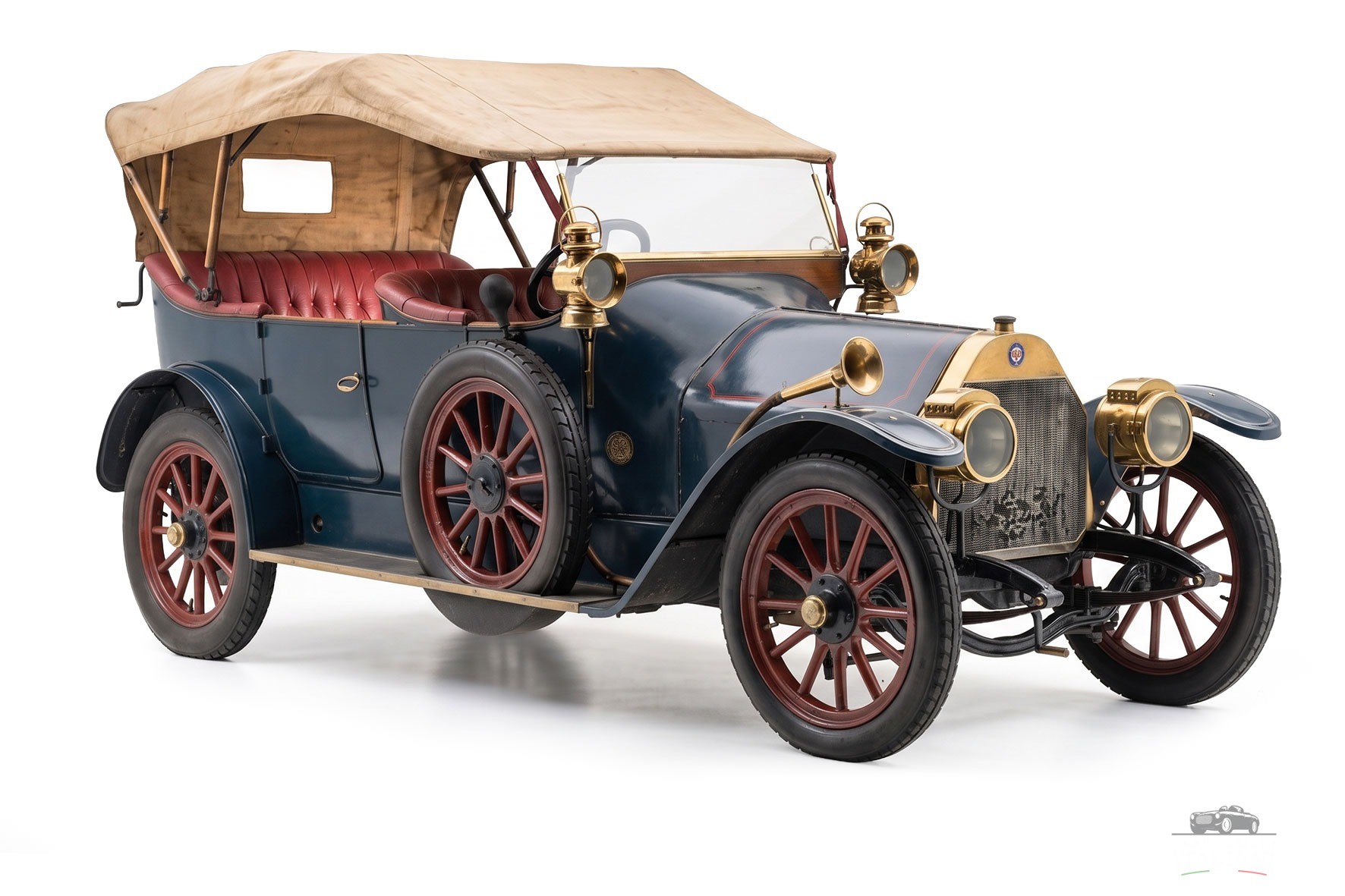
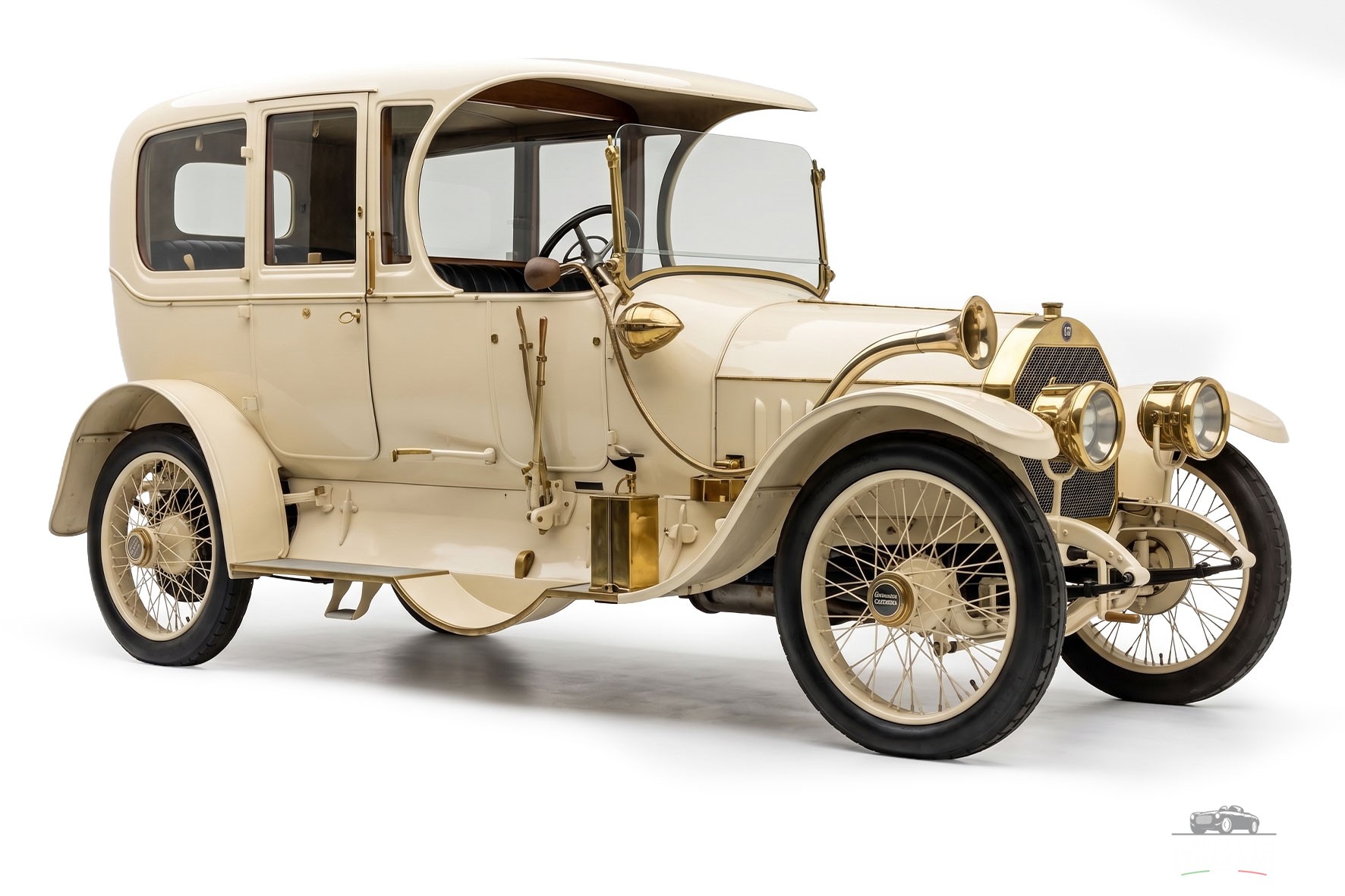
Castagna’s transition from horse-drawn carriages to automobile bodies brought commissions for manufacturers including Fiat, Mercedes, Rochet-Schneider and Isotta Fraschini. Examples of its early automobile coachwork include bodies for the Rochet-Schneider 16–20 HP family and special Fiat automobiles. Carlo Castagna was succeeded in the family business by his son Ercole Castagna, while Emilio Castagna later contributed to styling, construction methods and technical development.
Pre-war coachwork and industrial organization
During the 1910s and 1920s Castagna expanded its work on prestige chassis, combining traditional carriage-making skills with steel and aluminium body construction, metal finishing, upholstery and bespoke interiors. The ALFA 40/60 HP Aerodinamica Siluro Ricotti, commissioned by Count Marco Ricotti and conventionally dated 1914, is an early example of its unusually streamlined coachwork. The precise distinction between the project’s conception and completion dates remains subject to differing historical accounts.
Contemporary Milanese industrial directories and period advertisements place the firm at Via Montevideo 19, Milan. One directory identifies the enterprise under Ercole Castagna as a luxury automobile coachbuilder, records staff facilities including a refectory and infirmary, and names European and American export markets. The address is independently corroborated by Castagna advertising and illustrated technical brochures. Differences between telephone numbers printed in individual period documents should not be interpreted as changes of premises.
The firm’s special bodies appeared on Alfa Romeo, Lancia, Fiat, Isotta Fraschini, Mercedes-Benz, Duesenberg and other chassis. Its work ranged from formal limousines and landaulets to torpedoes, sporting spiders and convertible bodies. Identifiable examples include the Isotta Fraschini Tipo 8A Dual Cowl Sports Tourer and the Alfa Romeo 6C 2300 GT Cabriolet Royal. Such model-level associations do not establish a production count or chassis identity for every body built by Castagna.
Technical systems and design
Castagna’s period material documents the Baehr transformable coupé-cabriolet system. Illustrated configurations show a vehicle closed with its roof raised, converted for open use, and fully opened in torpedo form. Brochure captions describe seats and glazing arranged to fold into specially prepared compartments while preserving usable luggage space. These drawings establish the form of the body system marketed by the firm, but do not by themselves establish the number of completed cars.
In 1937 Ercole Castagna acquired rights to the French coachbuilder Labourdette’s Vutotal glazing system and adapted it under the name Vistotal. The construction brought the windscreen and side windows together without conventional framing or pillars at their junction. Museo Nicolis records a Lancia Aprilia Vistotal presented in 1937 and later post-war applications, including a Fiat 1100 Cabriolet Vistotal. The Cisitalia 202 Vistotal Cabriolet belongs to the post-war group of Castagna special bodies; its individual chassis history must be kept separate from other Cisitalia 202 cabriolets.
Ercole Castagna’s industrial direction and Emilio Castagna’s design activity formed part of the firm’s evolution in the inter-war decades. Attribution of a particular vehicle to a specific stylist is not automatic: the workshop’s corporate role as coachbuilder must be distinguished from the documented contributions of individual designers and outside suppliers.
Wartime interruption and the historic company’s closure
During the Second World War Castagna’s activities shifted toward work outside the pre-war luxury-car market. Documentary research records the destruction of the Milan works during an air raid on 24 October 1942. The company subsequently resumed activity outside central Milan, including operations associated with Venegono Superiore, but the market for individually coachbuilt luxury automobiles contracted sharply after the war. The historic Carrozzeria Carlo Castagna ceased operations in 1954.
Emilio Castagna’s independent coachbuilding activity, established separately from the family concern during the wartime period, must not be treated as a continuation of the same corporate entity. Similarly, vehicles and projects made under the revived Castagna name decades later belong to a new organizational period.
Revival and contemporary projects
The Castagna name returned to automobile coachbuilding in 1994 in association with entrepreneur Uberto Petra and designer Gioacchino Acampora. The Alfa Romeo Vittoria, presented at Geneva in 1995, was a one-off coupé with bespoke aluminium coachwork and Alfa Romeo 75 V6 mechanical origins. The design has often been compared with the Alfa Romeo SZ; resemblance or component lineage should not be substituted for the donor-car identity documented for this individual vehicle.
Later projects included the Maserati Auge, the Ferrari Rossellini, special bodies and conversions of Mini and Fiat models, and further limited-production and one-off programmes. The contemporary firm also publicly identifies a Milan location at Via Beroldo 4A and a workshop and training operation in Torreano di Martignacco, in the province of Udine. These are modern locations and must not be conflated with the historic Via Montevideo premises.
In its corporate material the revived atelier records an honourable mention connected with Dream_Factory 0.0 at the twenty-fifth Compasso d’Oro awards in 2018. That design recognition is separate from the historic automobile concours prizes associated with individual Castagna-bodied vehicles.
KEY MOMENTS
Timeline
-
Castagna traces its origins to 1849
Milan, Italy
-
Death of Carlo Castagna
Italy
-
Ercole Castagna takes over Carrozzeria Castagna
Milan, Italy
-
Emilio Castagna assumes control of Carrozzeria Castagna
Milan, Italy
-
Historic Carrozzeria Castagna ceases operations
Italy
PEOPLE & DESIGN
Designers
Emilio Castagna
Emilio Castagna was an Italian coachbuilding designer active from 1919 and founder of a separate Milanese workshop in 1940.
Explore record ↗Gioacchino Acampora
Gioacchino Acampora was an Italian architect and automotive designer based in Milan.
Explore record ↗Giuseppe Seregni
Giuseppe Seregni was an Italian automotive designer associated with Carrozzeria Touring and its coachbuilding design practice.
Explore record ↗
Mario Revelli di Beaumont
Mario Revelli di Beaumont was an Italian automotive designer, active from the interwar period to the postwar era. He collaborated with Stabilimenti Farina, Ghia, Viotti and Bertone, and worked on projects for Fiat and Simca.
Explore record ↗Walter de Silva
Walter de Silva is an Italian automotive designer who held senior design roles at Alfa Romeo, SEAT, Audi and Volkswagen Group.
Explore record ↗Vehicles at a glance
- Related vehicles
- 148
- Concepts
- 5
- Prototypes
- 3
- One-offs
- 62
- Limited series
- 69
- Fuoriserie
- 6
- Series production
- 1
- Show cars
- 2
CONTINUE EXPLORING
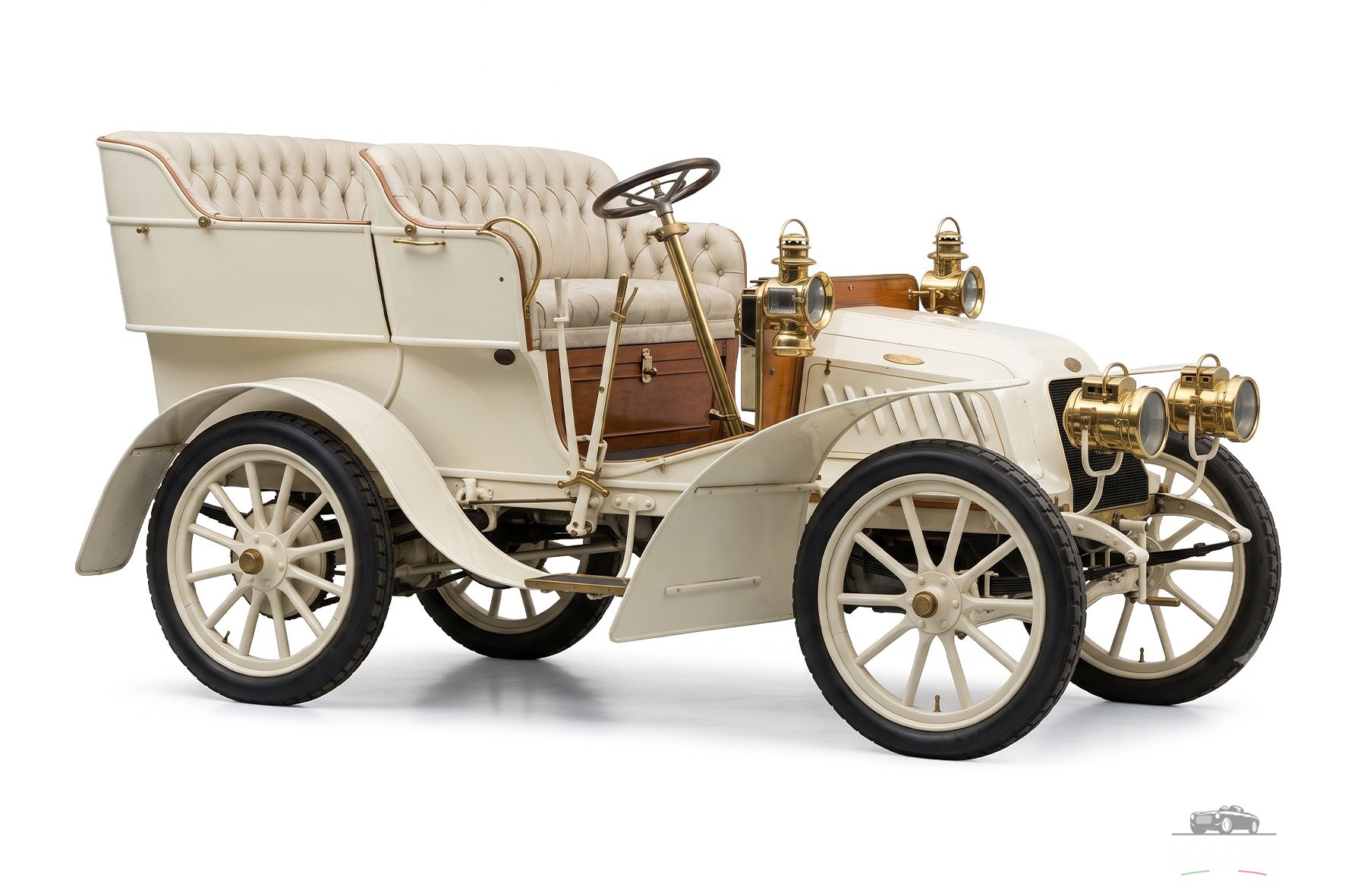
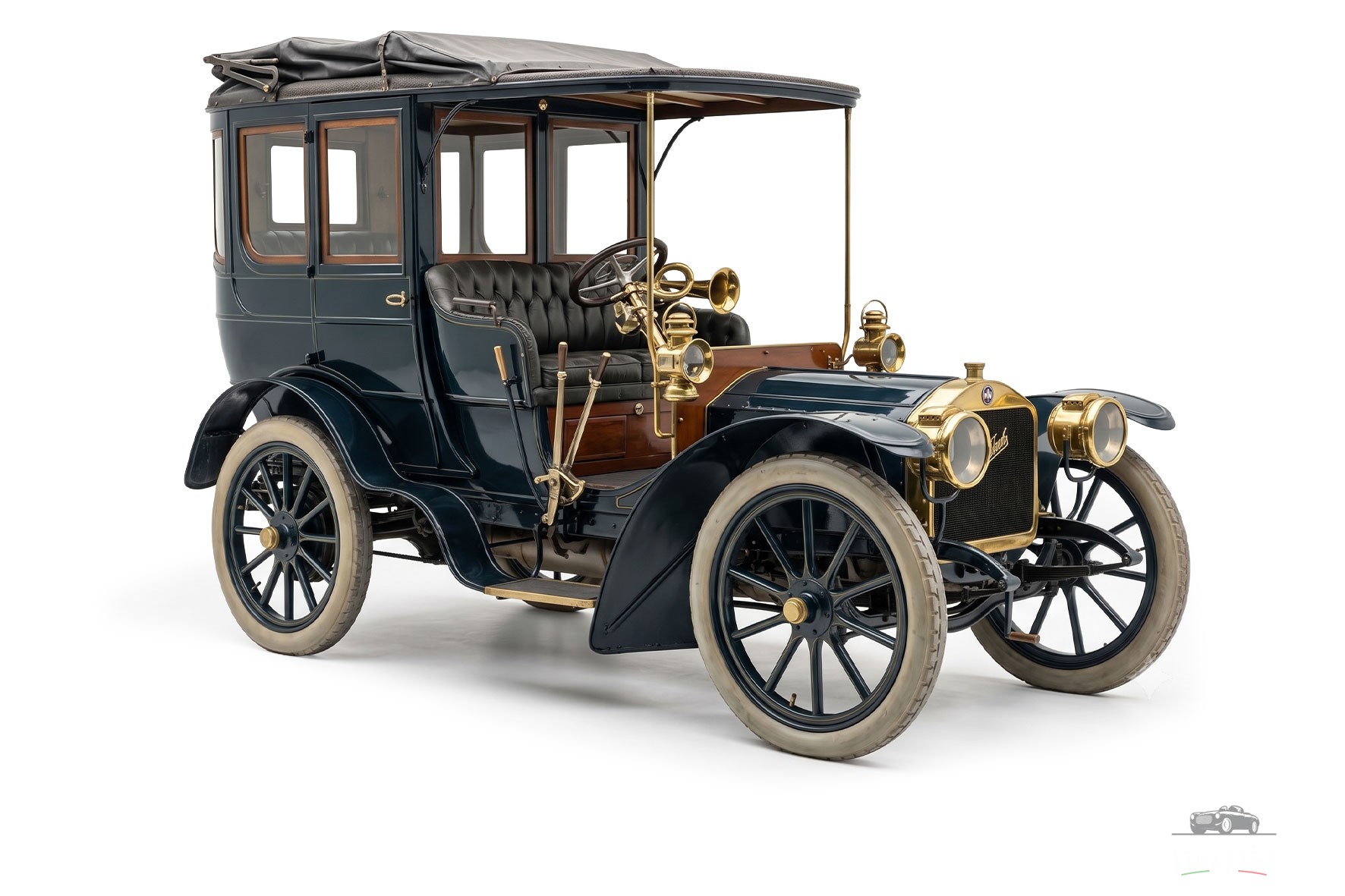
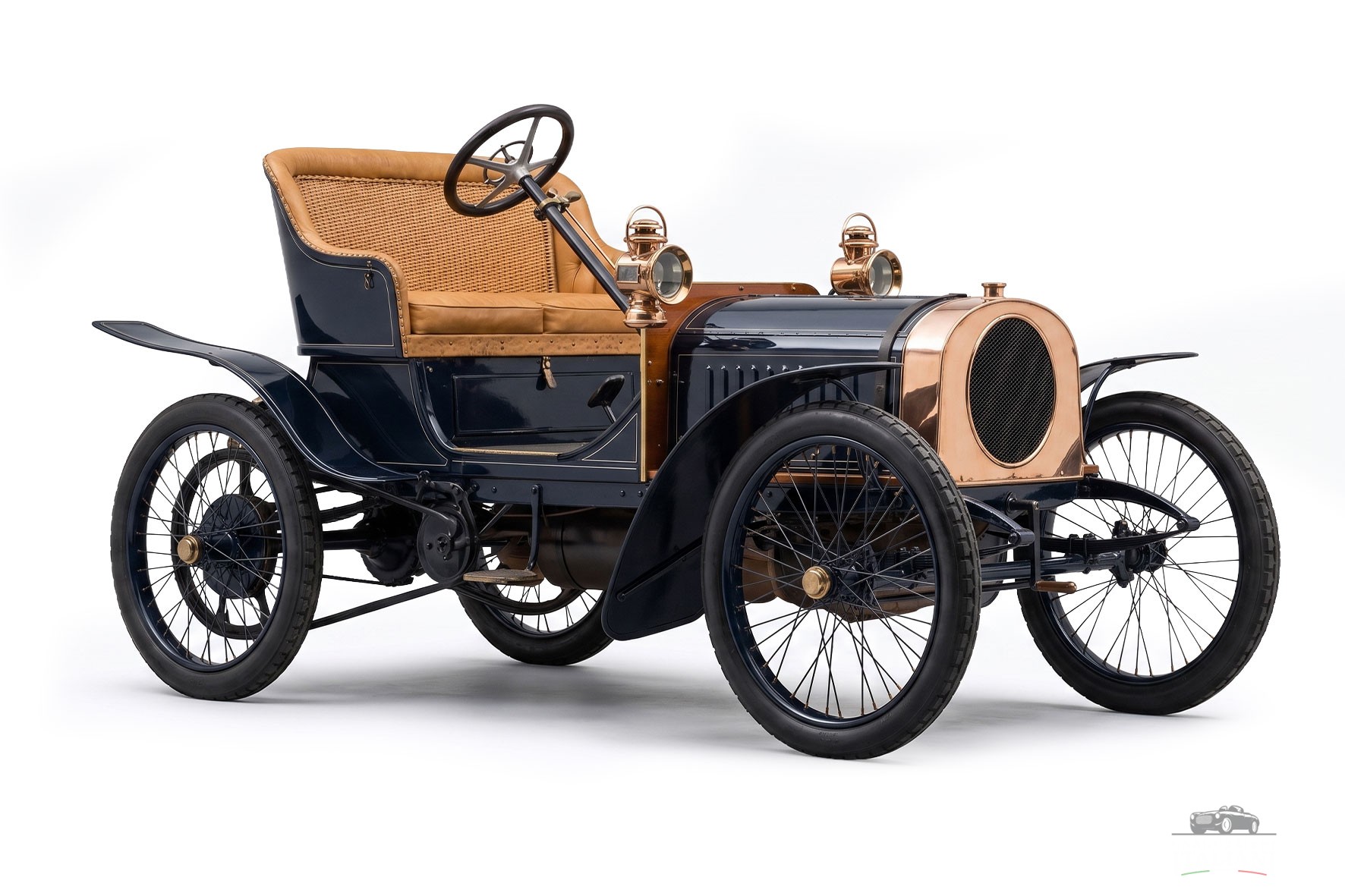
Related vehicles





FROM THE JOURNAL
Related Articles
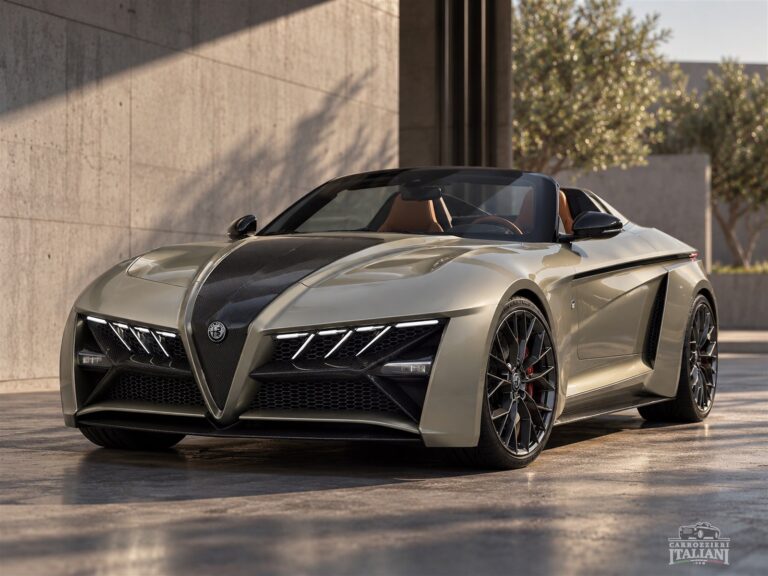
Castagna Milano’s Alfa Romeo Giulia coupé-cabriolet: a new Antisalon for Italian coachbuilding
Eighty years after Battista Farina's famous protest at the Paris Motor Show, Gioacchino Acampora presents a radical two-seat Alfa Romeo Giulia as a manifesto for the survival of independent coachbuilding. In October…
Read story
Alfa Romeo Vittoria: The First Child of a Reborn Carrozzeria Castagna
The Alfa Romeo Vittoria by Castagna wasn’t just another concept — it was a one-off rebirth. Unveiled in 1995, this handmade coupe still sparks debate today.
Read story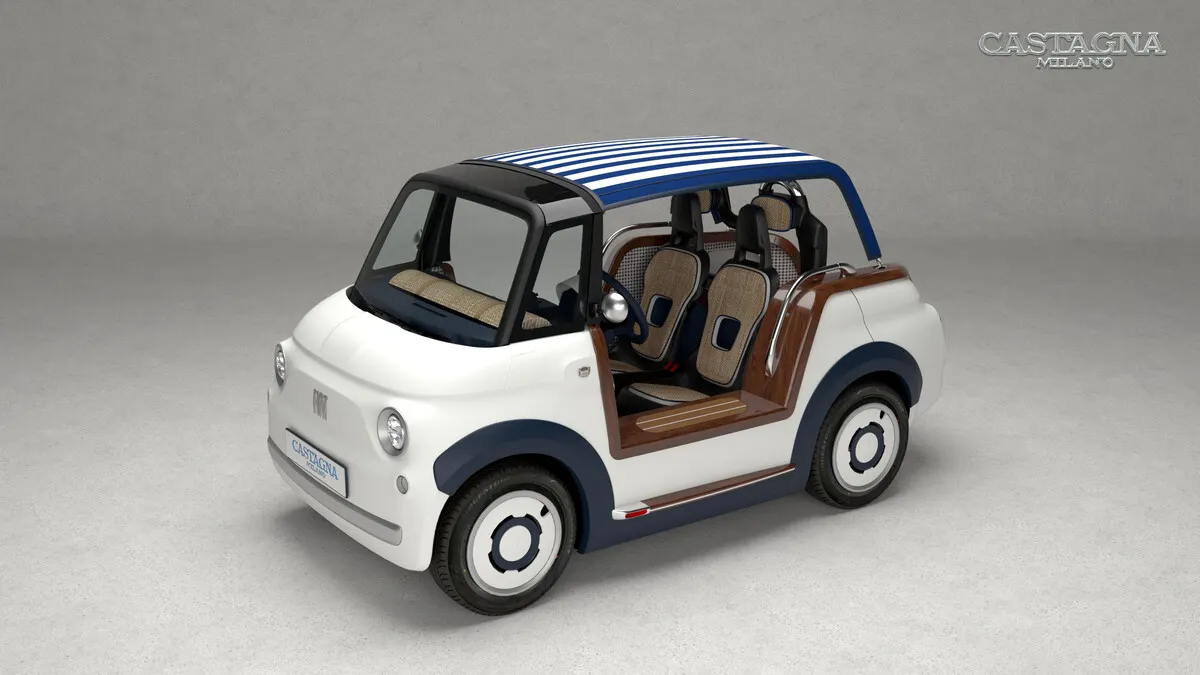
Fiat Topolino’s New Beach-Ready Model by Castagna Milano
Ready to grace the Italian beaches, the latest version of the Fiat Topolino has become even more distinctive and luxurious. Introducing a new Giardinetta version, this iconic vehicle is making waves.
Read story
Carrozzeria Castagna Milano: A Timeless Legacy
Established in 1849, Carrozzeria Castagna Milano is an iconic name in Italian automotive history. From carriages to luxury automobiles, the company's journey under Carlo Castagna's leadership defined an era. Post-war challenges led…
Read story
Castagna Fiat Tender2, the one-off based on the electric 500
With the new Tender2, Carrozzeria Castagna inaugurates a series of one-offs derived from the electric Fiat 500, after several creations based on the combustion-engined model, also under the Abarth brand.
Read story
Citroën Ami: Castagna Milano unveils a luxurious version of the EV
A fully customised Citroën Ami with a very special touch: this is the latest creation from the Castagna Milano atelier, created to meet the request of a loyal customer and to delight…
Read story
THE CONVERSATION
Comments 0