
Coppa d’Oro Principessa di Piemonte 1935
AT A GLANCE
- Date
- 1935-09-14 — 1935-09-15
- Venue
- Villa Olmo
- Location
- Como · Italy
THE EVENT
Event overview
The 1935 Villa Olmo Concorso d’Eleganza, conducted under the exclusive direction of the Automobile Club of Como, marked a transitional moment in the trajectory of Italian automotive exhibitions. With the continued withdrawal of the Villa d’Este company from organisational responsibilities, the event adopted a revised structure supported by the patronage of Prince Aimone di Savoia-Aosta, President of the Royal Italian Automobile Club. Under his authority, a new series of prizes was introduced bearing the title Duca di Spoleto, though the supreme accolade remained the Coppa Principessa di Piemonte.
This highest honour was awarded to the Fiat 1500 saloon, a series-produced vehicle that had recently entered the Italian market. The jury’s decision to grant the top award to a standard production model was notable, given the presence of more progressive and technically innovative designs. Aerodynamically styled saloons from Pininfarina and Castagna, representative of contemporary experimentation in bodywork, were overlooked in favour of more conventional entries. The outcome reflected a conservative stance in adjudication and a shift away from the more avant-garde tendencies previously observable in the concours.
Participation numbers in 1935 declined to approximately eighty vehicles, a marked reduction compared to earlier editions which regularly attracted over one hundred entrants. This decline was interpreted by contemporary observers as a potential sign of diminishing public and industry engagement, possibly influenced by broader economic conditions or shifts in cultural priorities.
Despite these changes, the 1935 edition preserved the formal procedures of the concours format. The event continued to serve as a platform for the presentation of contemporary Italian automotive production, although with an increasingly pragmatic orientation. The absence of a public referendum, discontinued after 1932, further indicated the consolidation of evaluative authority within official juries.
The 1935 Villa Olmo concours thus represents a phase of contraction within the broader arc of interwar elegance competitions in Italy. It preserved institutional continuity and formal recognition, yet illustrated a discernible retreat from the design innovation and stylistic experimentation that had characterised earlier years.
KEY MOMENTS
Timeline
-
Opening
-
Closing
RECORDED RESULTS
Awards & Results
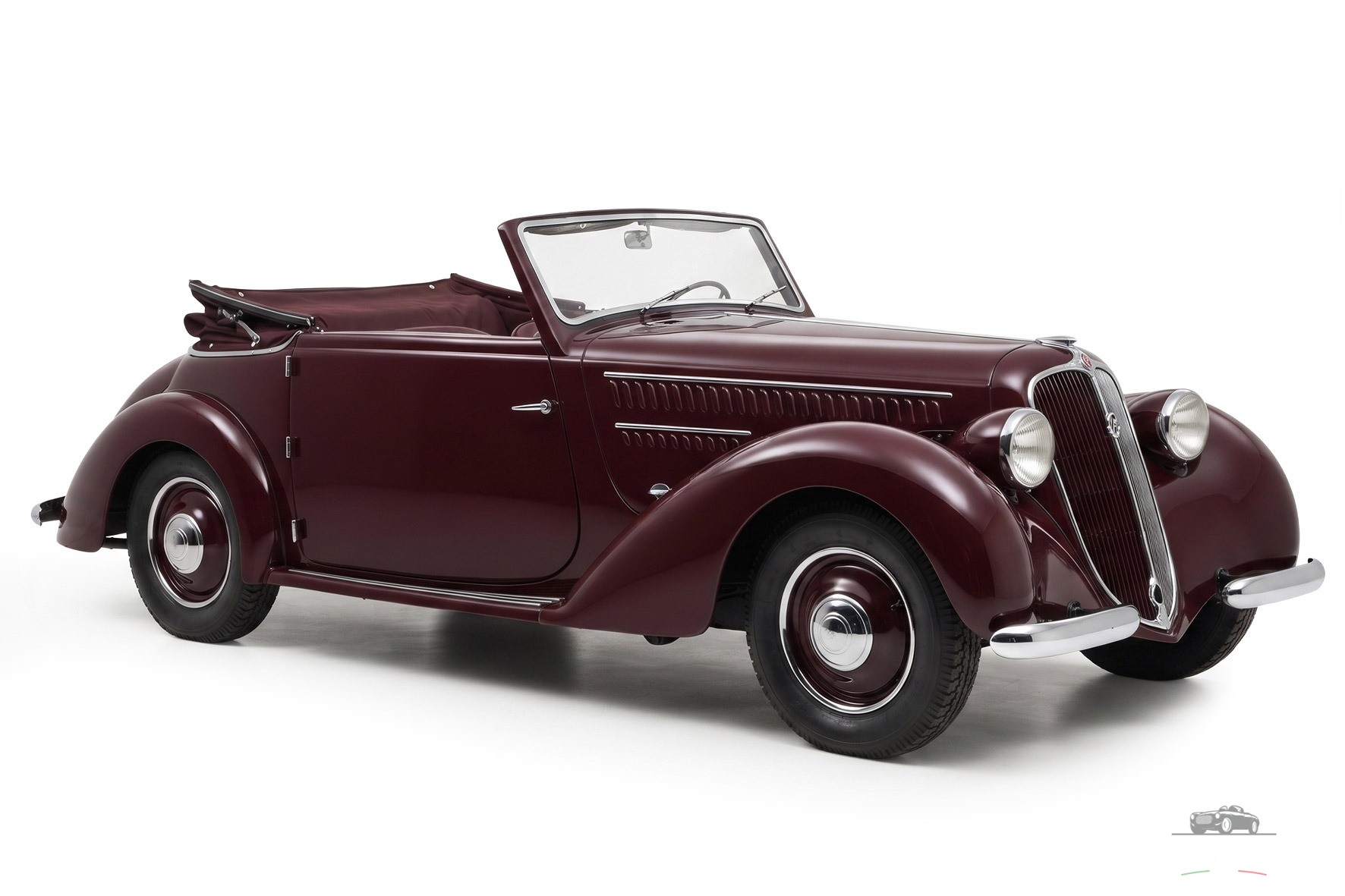

Class Winner
CONTINUE EXPLORING
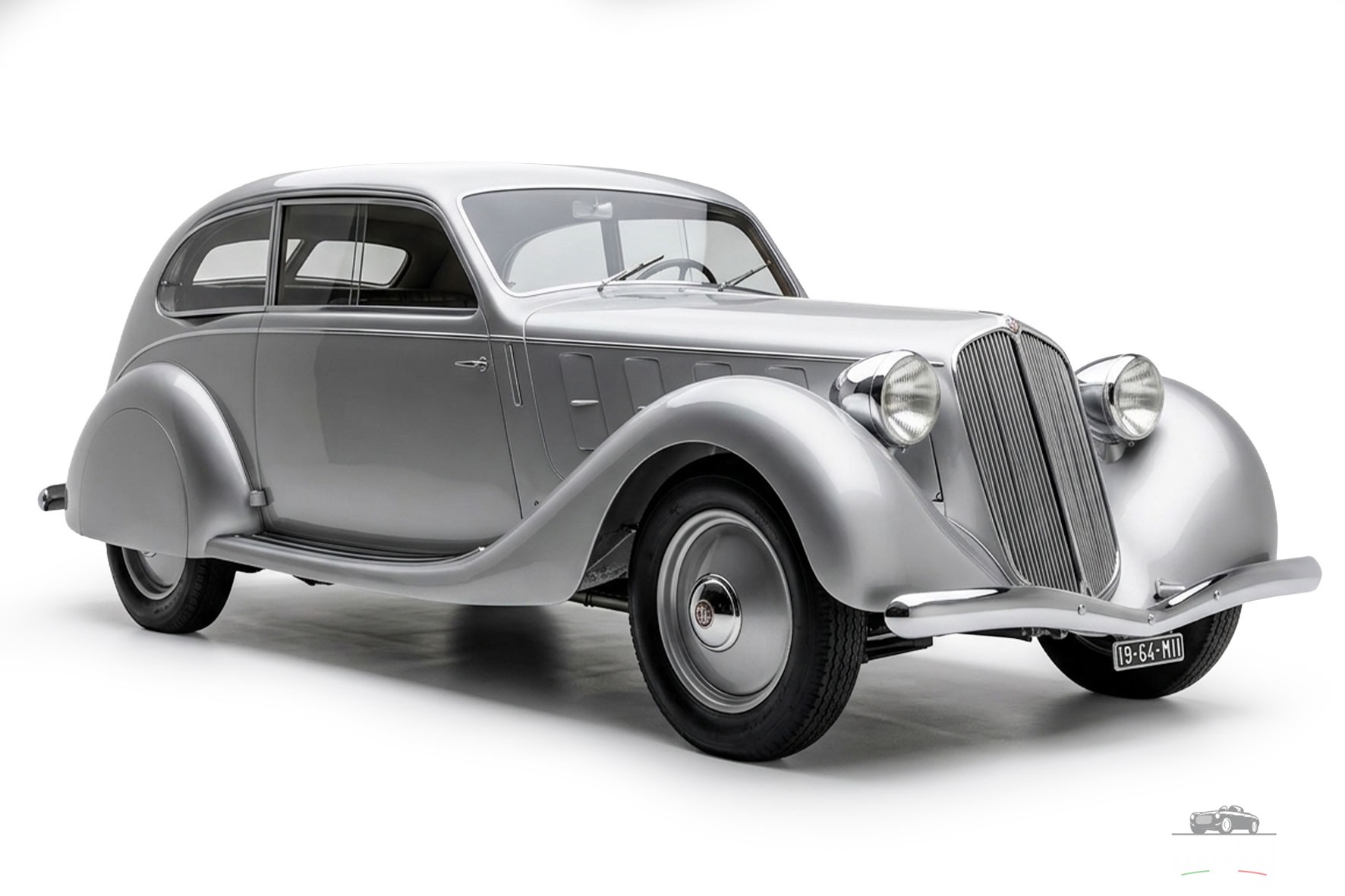
Participating Cars





THE EVENT ARCHIVE
THE CONVERSATION
Comments 0