Coggiola
Founded in Turin in 1966 by Sergio Coggiola after his work at Ghia, Carrozzeria Coggiola built specialist automotive bodies and design prototypes, including projects for Saab.
Explore record ↗
1972Coachwork by Coggiola
THE VEHICLE AT A GLANCE
THE PEOPLE BEHIND THE CAR
Founded in Turin in 1966 by Sergio Coggiola after his work at Ghia, Carrozzeria Coggiola built specialist automotive bodies and design prototypes, including projects for Saab.
Explore record ↗01 / THE STORY
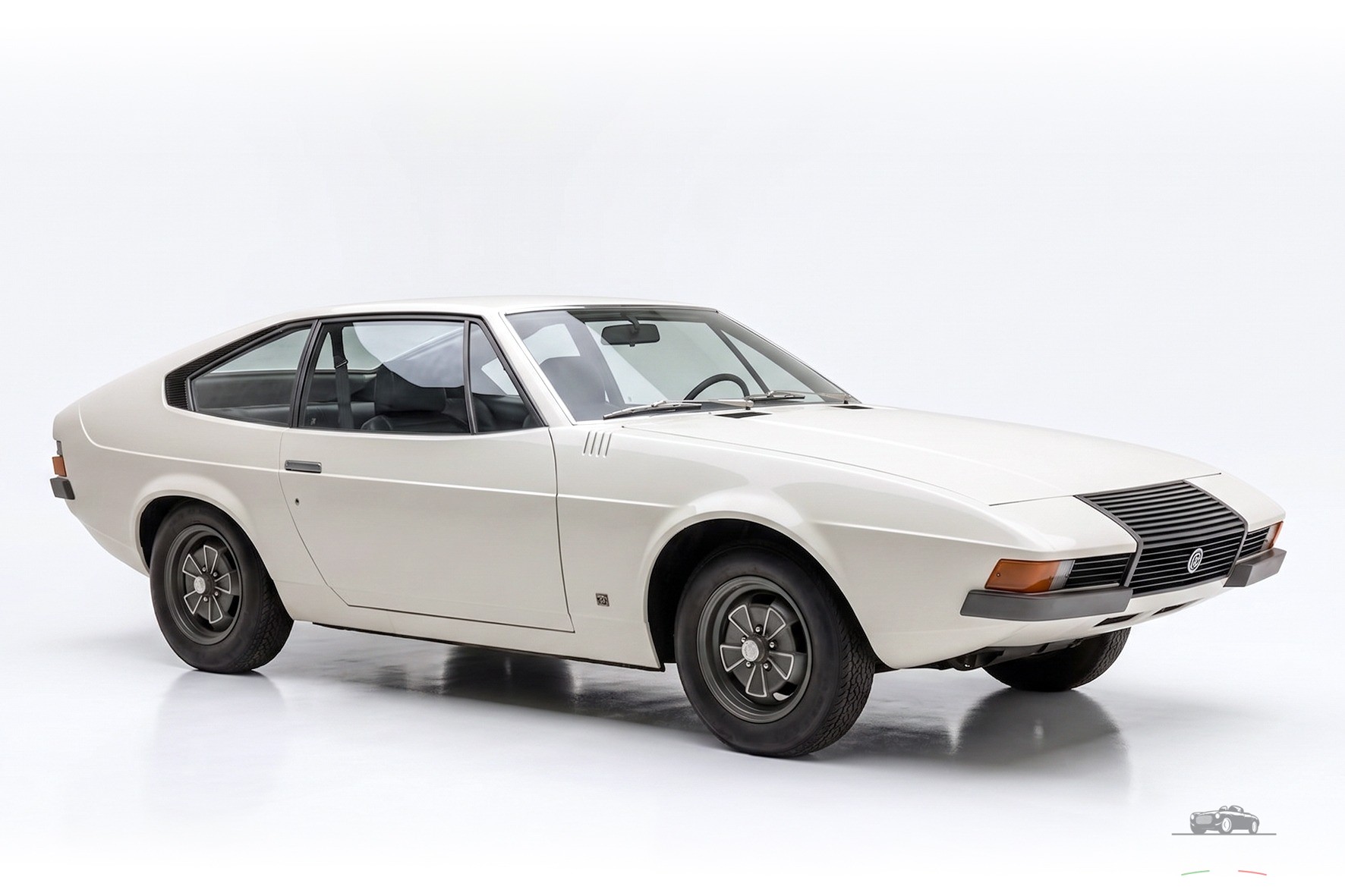
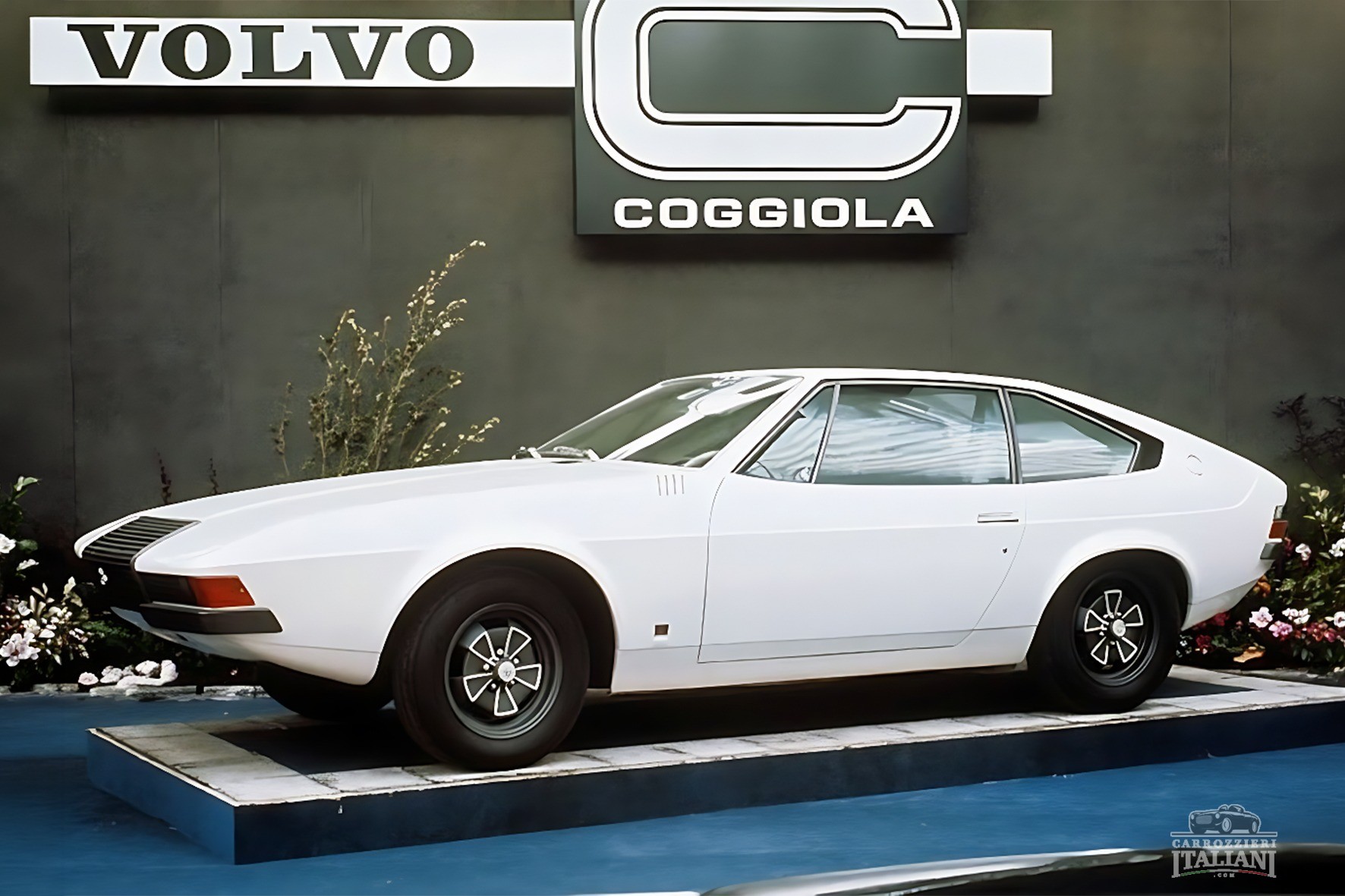
The Volvo 1800 ESC Viking was an experimental 2+2 coupé developed by Carrozzeria Coggiola in Turin on mechanical foundations associated with Volvo’s 1800 series. Conceived as an alternative direction for the Swedish manufacturer’s sports-car range, the project examined how a substantially different body could provide greater passenger space and revised occupant protection without abandoning the existing platform. The ESC was a design and engineering study rather than a production variant of the 1800.
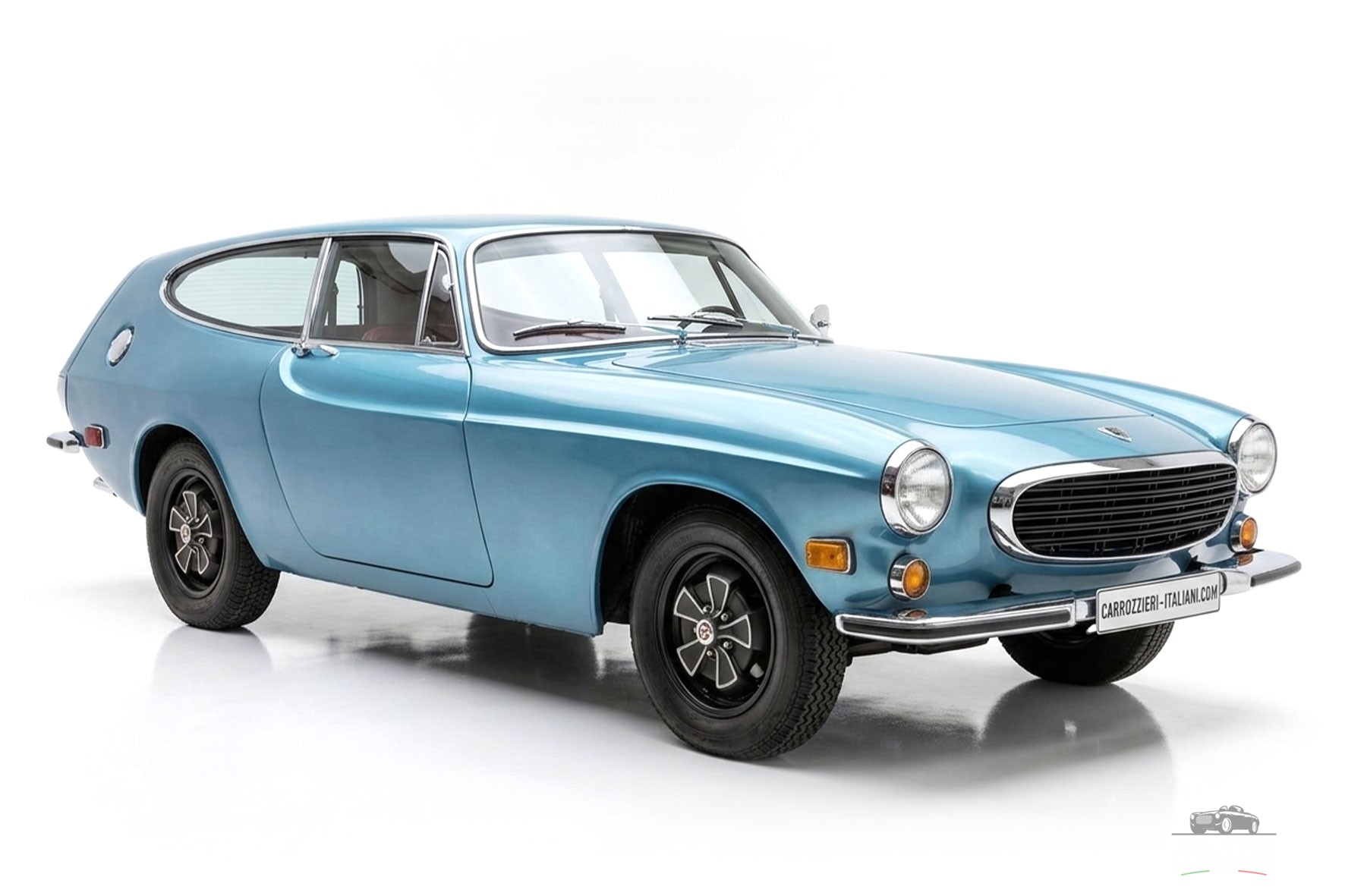
Volvo explored several successors and derivatives of its original P1800 coupé during the late 1960s and early 1970s. Among them were the 1800 Beach Car proposal and the Frua-built Rocket, which belong to the development history of the later 1800 ES estate. The Coggiola ESC, also identified as the Volvo Viking, was a separate proposal for a more comprehensively restyled sports coupé. The Italian coachbuilder developed the concept under Sergio Coggiola’s direction; the available documentation does not establish a separate individual stylist attribution for this body.
The precise presentation chronology is disputed. Several specialist histories place an 1800 ESC at the Paris Motor Show in 1971, whereas Volvo Cars’ own archival photographic caption identifies a Coggiola-designed Volvo Viking at the Paris show in October 1972. Period images also distinguish an earlier study from a more finished version. These records support a development sequence but do not, by themselves, establish that separate cars were constructed for the two exhibitions.
The ESC replaced the rounded profile of the production Volvo 1800 with a low, angular coupé body, a longer front section and a sloping glazed rear. The broad front grille continued into the lower part of the bonnet. The front-end treatment and extended overhang were associated with improved deformation space, while the revised body structure was intended to increase interior room without changing the established wheelbase.
Technical descriptions identify sheet-steel body panels attached to a boxed structural framework. Retractable headlights were operated hydraulically using a pedal-controlled mechanism. The cabin was configured for four occupants in a 2+2 arrangement, with leather upholstery and air conditioning described among its fittings. The experimental design combined these comfort features with proposals for front-impact protection; it should not be assumed that the car underwent production-model crash certification.
The recorded dimensions are 4,465 mm in length, 1,705 mm in width and 1,265 mm in height, with a 2,450 mm wheelbase. That wheelbase corresponds to the Volvo 1800 platform, but the body is appreciably different in overall form. Published descriptions associate the study with the existing 1800 underbody and mechanical layout. An independently verified engine number, chassis serial, transmission specification or measured power output for the ESC has not been established, so specifications from production 1800E or 1800ES cars should not be treated automatically as those of this prototype.
The ESC Viking did not enter series production. Photographs published following the Retro Auto & Moto Galicia exhibition in Vigo, Spain, document a surviving Volvo 1800 ESC displayed there in March 2015. Contemporary Spanish exhibition coverage identifies Automóvil Club Culleredo as the organisation presenting the prototype at the event. The surviving vehicle was shown in a restored presentation, although an uninterrupted chassis-level ownership and restoration chronology remains to be established. The project is also discussed in the wider history of Carrozzeria Coggiola as part of the firm’s work for Swedish manufacturers.
02 / TECHNICAL IDENTITY
03 / DESIGN, BODY & SUPPLIERS
Coachbuilder / Design studio
Founded in Turin in 1966 by Sergio Coggiola after his work at Ghia, Carrozzeria Coggiola built specialist automotive bodies and design prototypes, including projects for Saab.
Explore record ↗Become a Pro member to see the full details in this section.
Membership is not available yet.
View membership options04 / CHRONOLOGY
07 / GALLERY
CONTINUE EXPLORING
CONTINUE READING
Discover the story of Carrozzeria Coggiola, the discreet Turin coachbuilder behind some of the most striking concept cars of the 20th century. From Saab and Volvo to Chrysler and Mercedes, its hidden…
Read story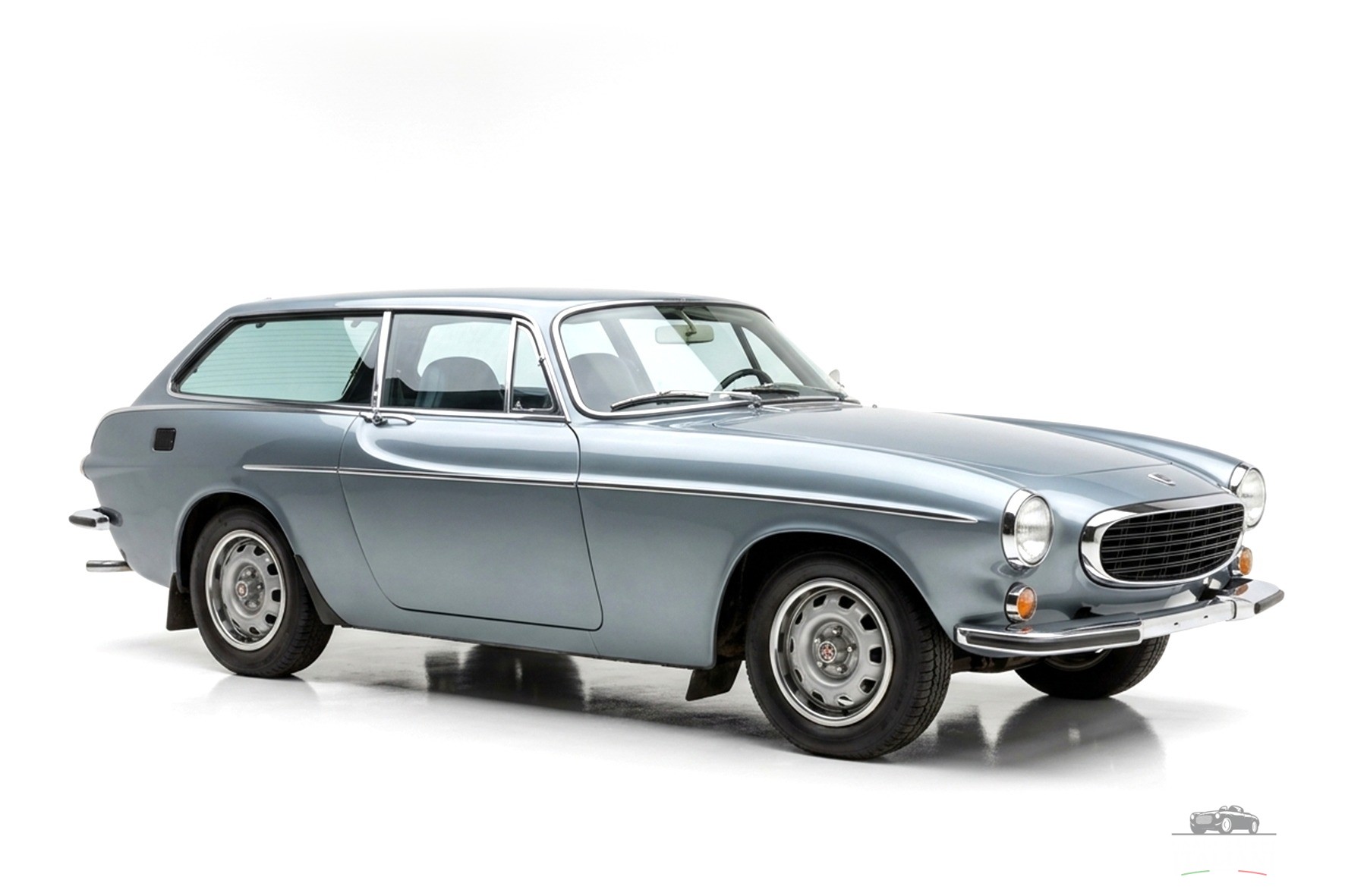

THE CONVERSATION
Comments 0