
Coggiola
AT A GLANCE
- Founded
- 1966
- Historical city
- Turin
- Country
- Italy
THE STORY
Overview
Carrozzeria Coggiola was an Italian coachbuilding, automotive design and prototype-construction company established by Sergio Coggiola in 1966 in Orbassano, near Turin. Its work encompassed commissioned bodywork, experimental vehicles, full-scale styling models and prototype engineering for European, American and Japanese manufacturers. The company’s role varied by commission: some projects originated in its own design office, whereas others were executed from drawings and specifications supplied by outside designers or manufacturers.
Foundation and industrial organisation
Sergio Coggiola (1928–1989) had worked at Carrozzeria Ghia for approximately fifteen years, progressing from draughtsman to responsibilities in its technical office and prototype department. In 1966 he established an independent operation in Orbassano, where a relatively small specialist workforce could produce show cars and development bodies without the facilities needed for large-scale series manufacturing. The enterprise’s early activity included hand-built metalwork, full-size models and the practical conversion of design studies into physical automobiles. Its portfolio was partly confidential because manufacturers commissioned experimental work that was not intended for public exhibition.
The enterprise operated within the broader Turin industrial network, collaborating with vehicle makers, independent stylists and component specialists. A contemporary historical account records the involvement of Glasurit in the surface-material technology of the 1971 Lancia Dunja. This was a documented technical collaboration rather than ownership of the coachbuilder. Other partners and suppliers should be distinguished from Coggiola’s own design or construction responsibilities.
Saab and Swedish manufacturer programmes
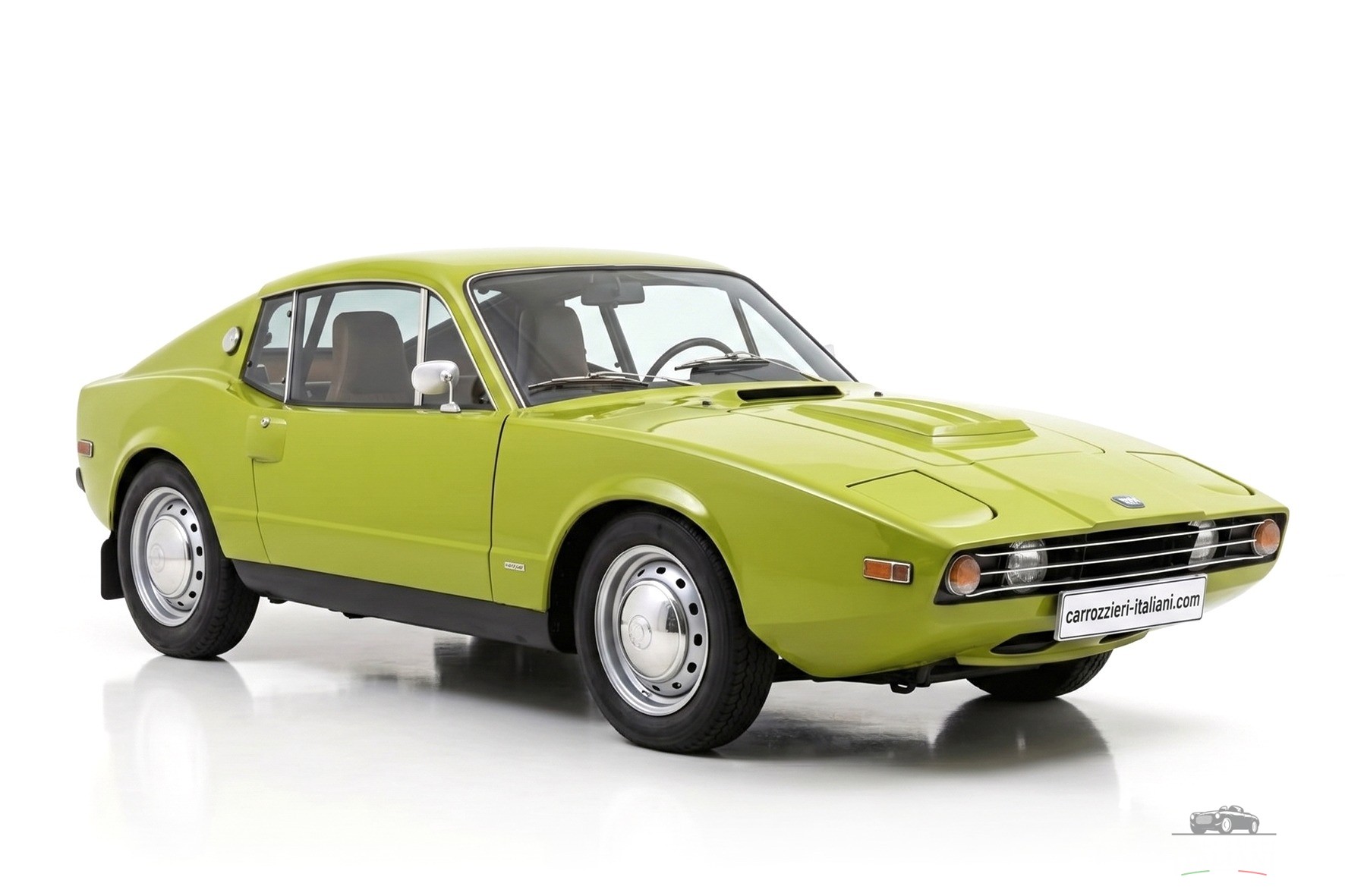
A longstanding relationship with Saab began around 1969. Sergio Coggiola was commissioned to restyle the Saab Sonett II; Saab designer Gunnar A. Sjögren subsequently adapted the proposals to existing structural and manufacturing constraints. The resulting Saab Sonett III was introduced in 1970. This division of authorship is important: Coggiola’s initial styling contribution and Saab’s engineering-led production adaptation were separate stages. Later Swedish commissions included construction of the Saab 98 prototype, whose original styling was associated with Saab designer Björn Envall.
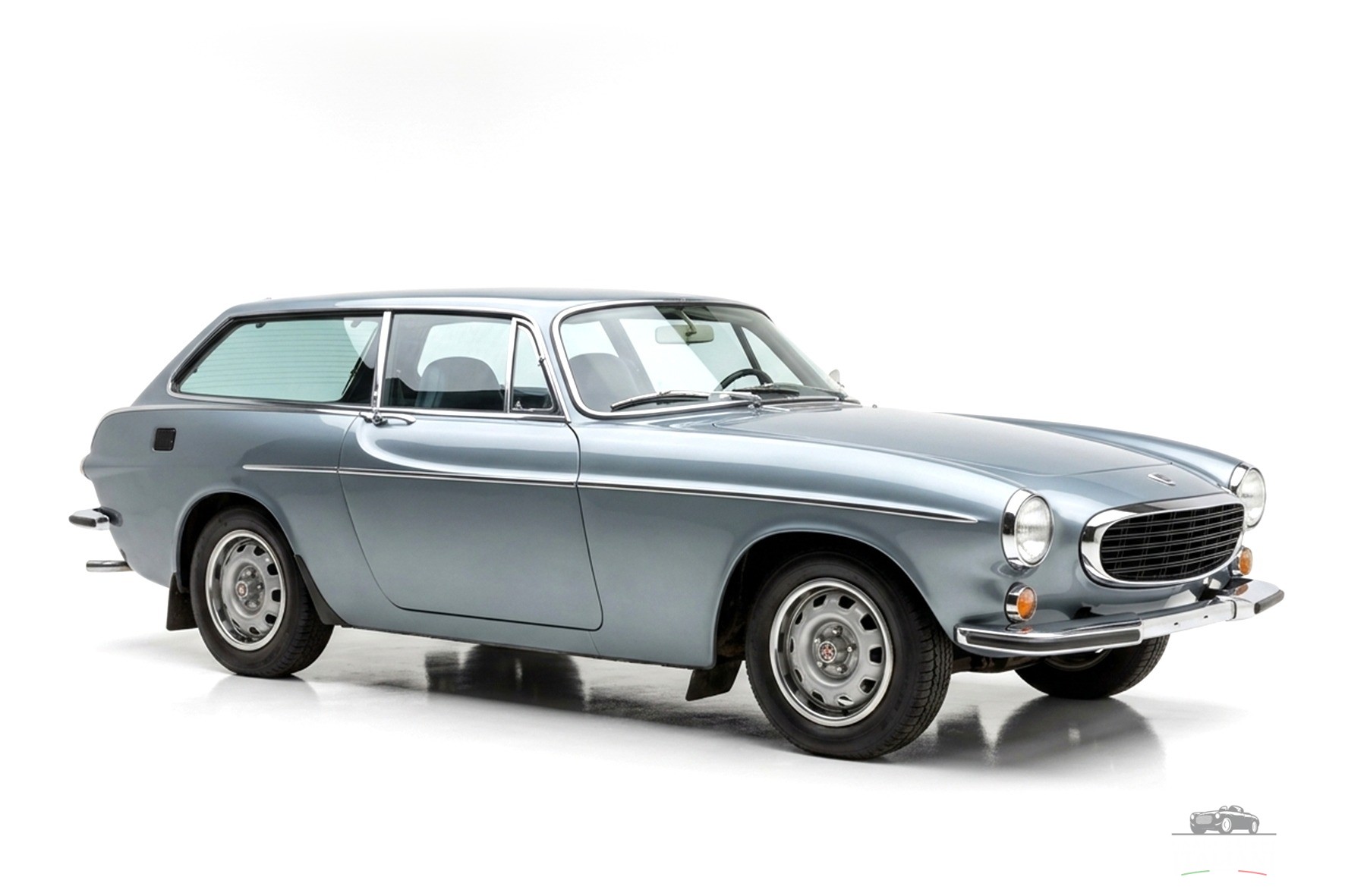
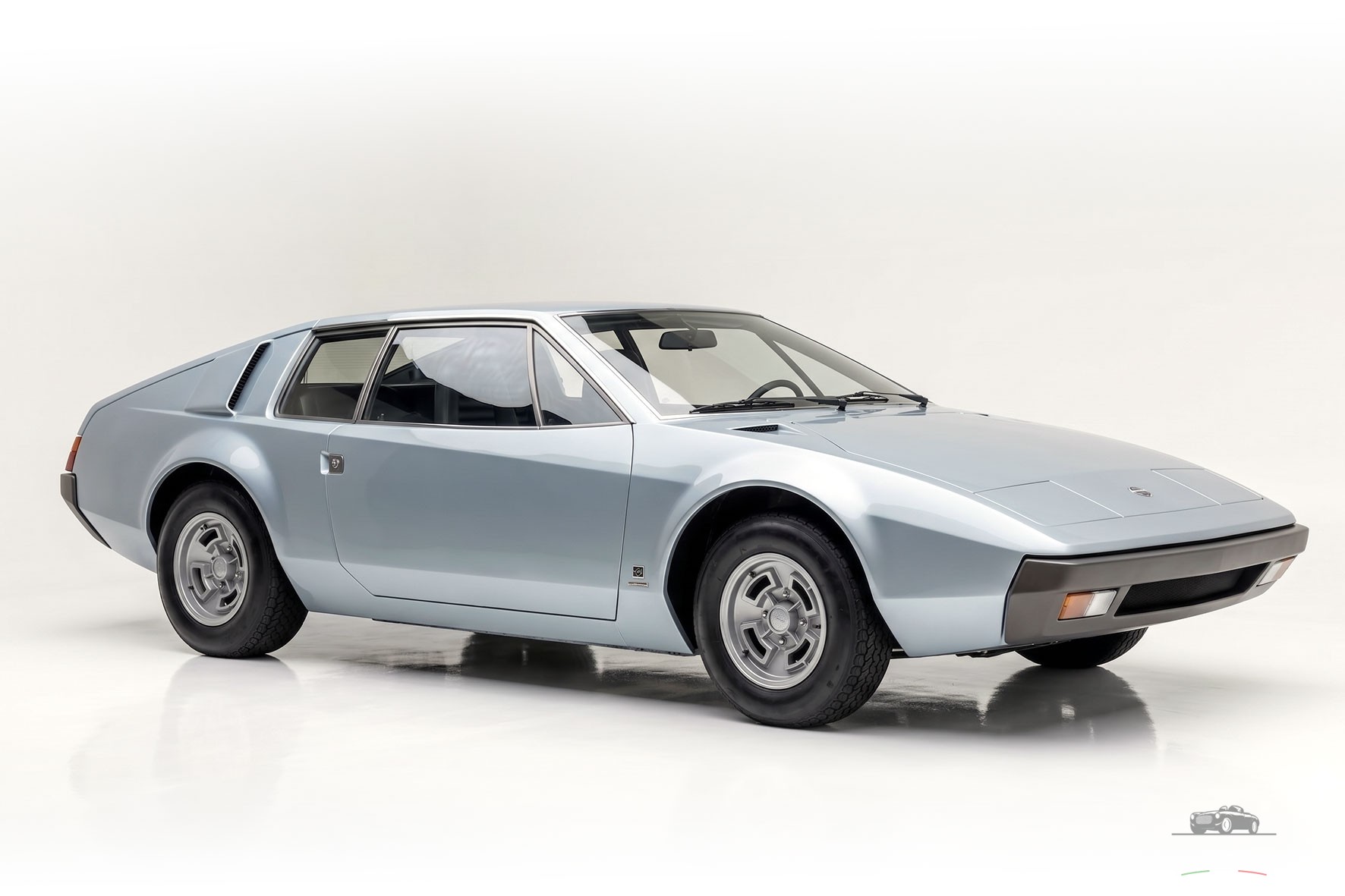
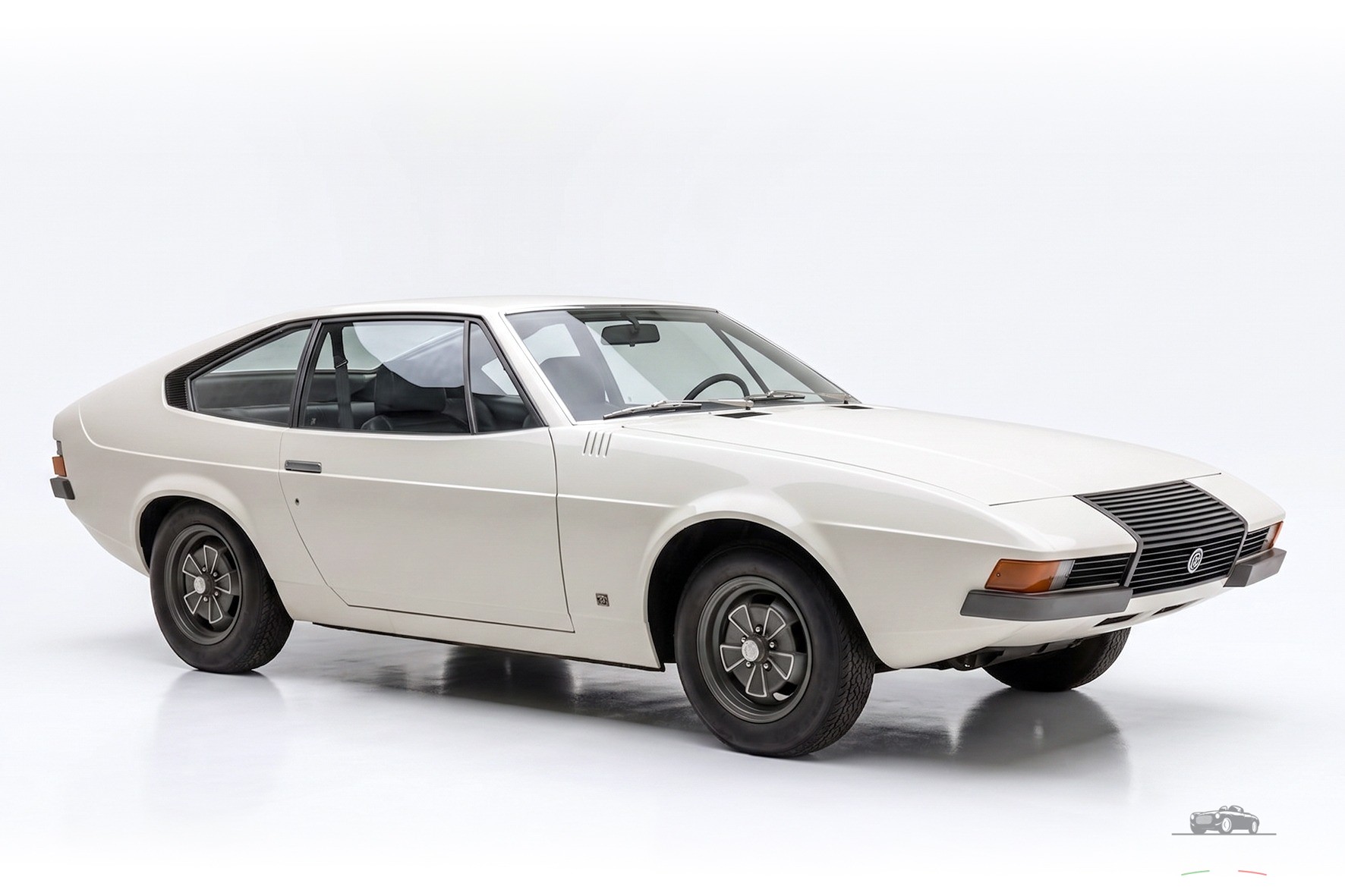
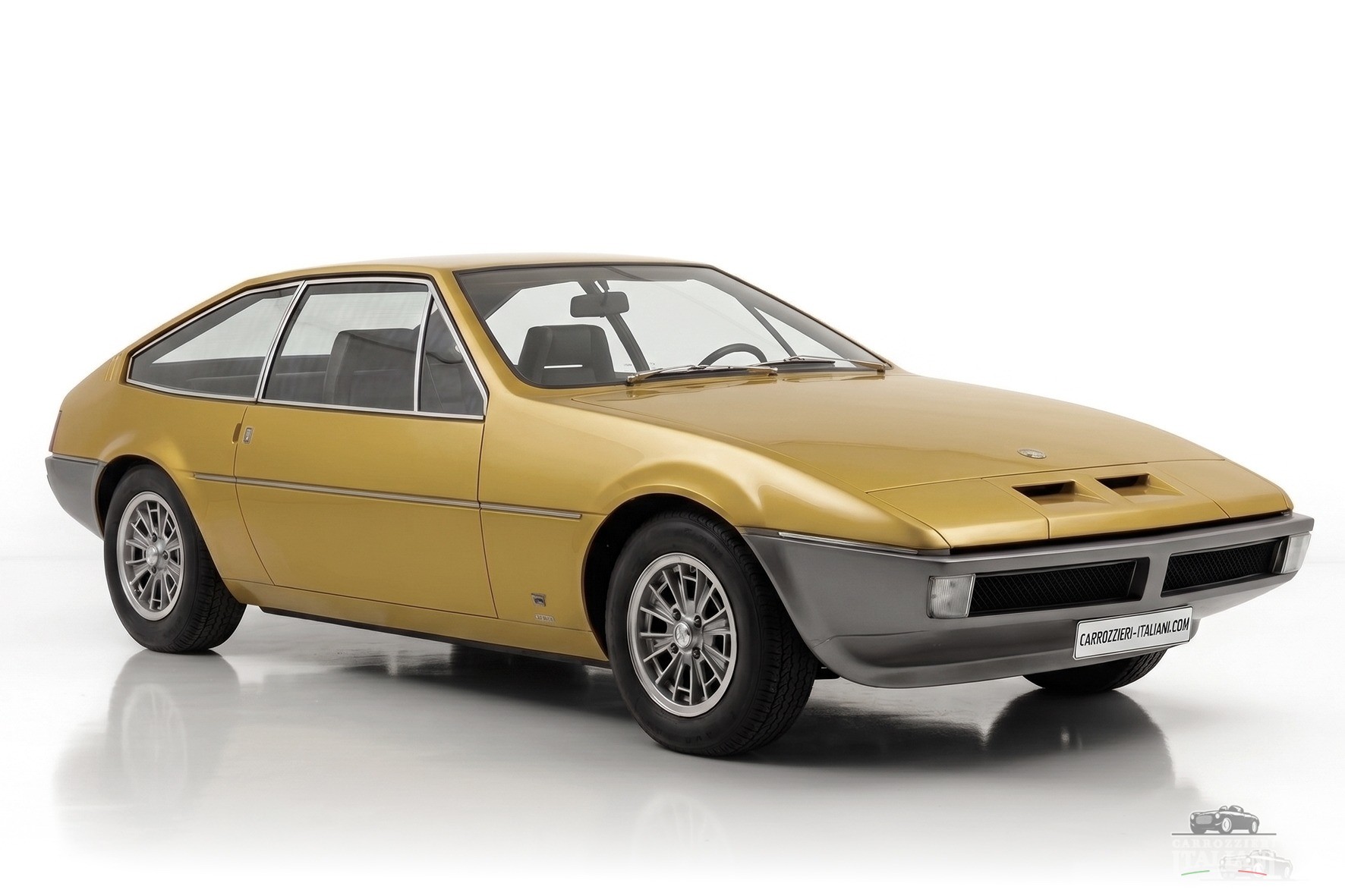
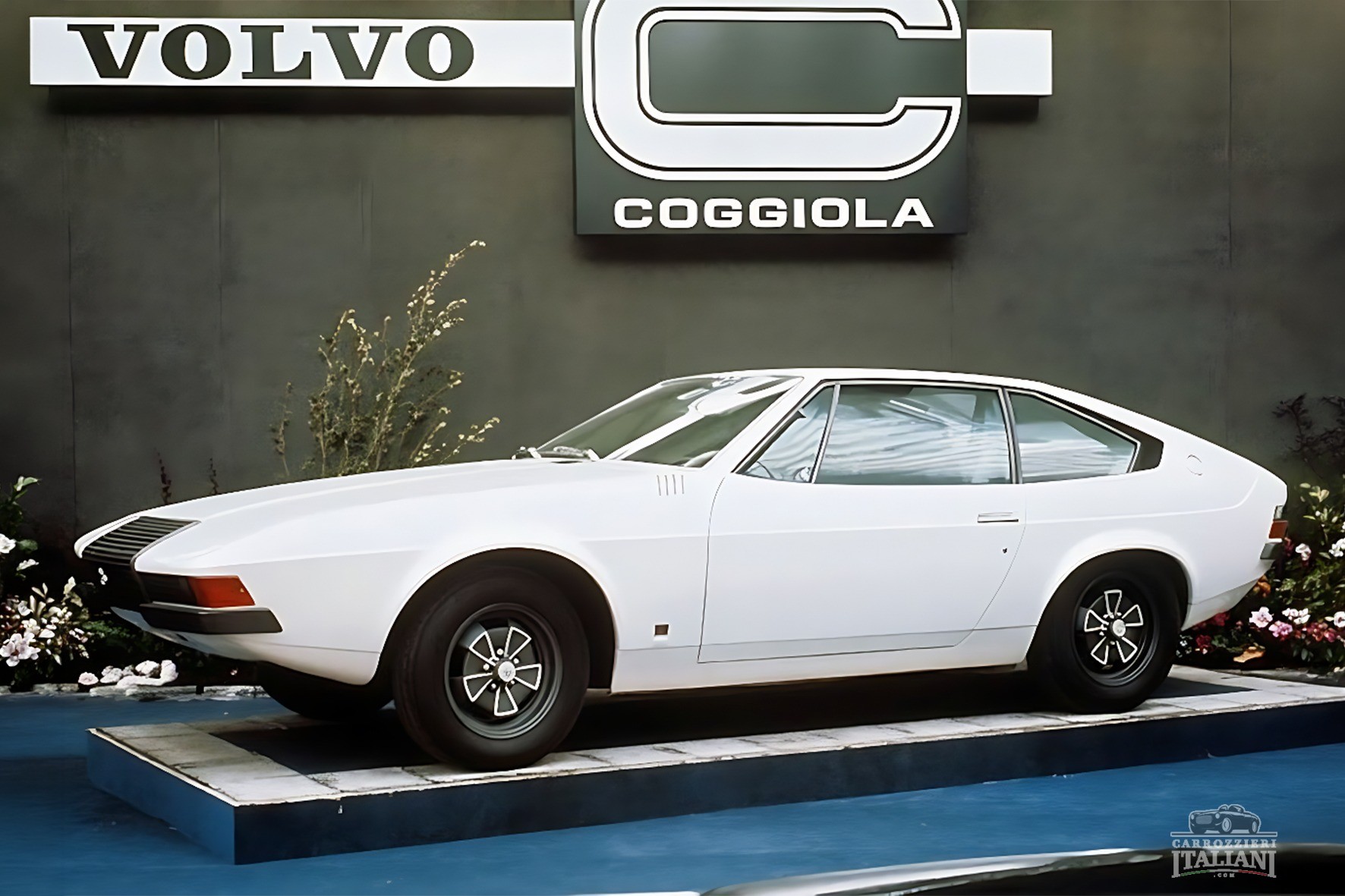
Coggiola’s work for Volvo included the Volvo 1800 ESC Viking, presented at the Paris Motor Show in October 1972, as documented by Volvo’s own photographic archive. It also contributed to the development of the Volvo 262C project, with subsequent production entrusted to Bertone, and developed the Volvo New York Taxi concept in the context of the New York experimental taxi programme of 1976–1977. These projects represented distinct vehicles and development briefs rather than versions of a single Volvo prototype.
Independent styling and one-off projects in the 1970s
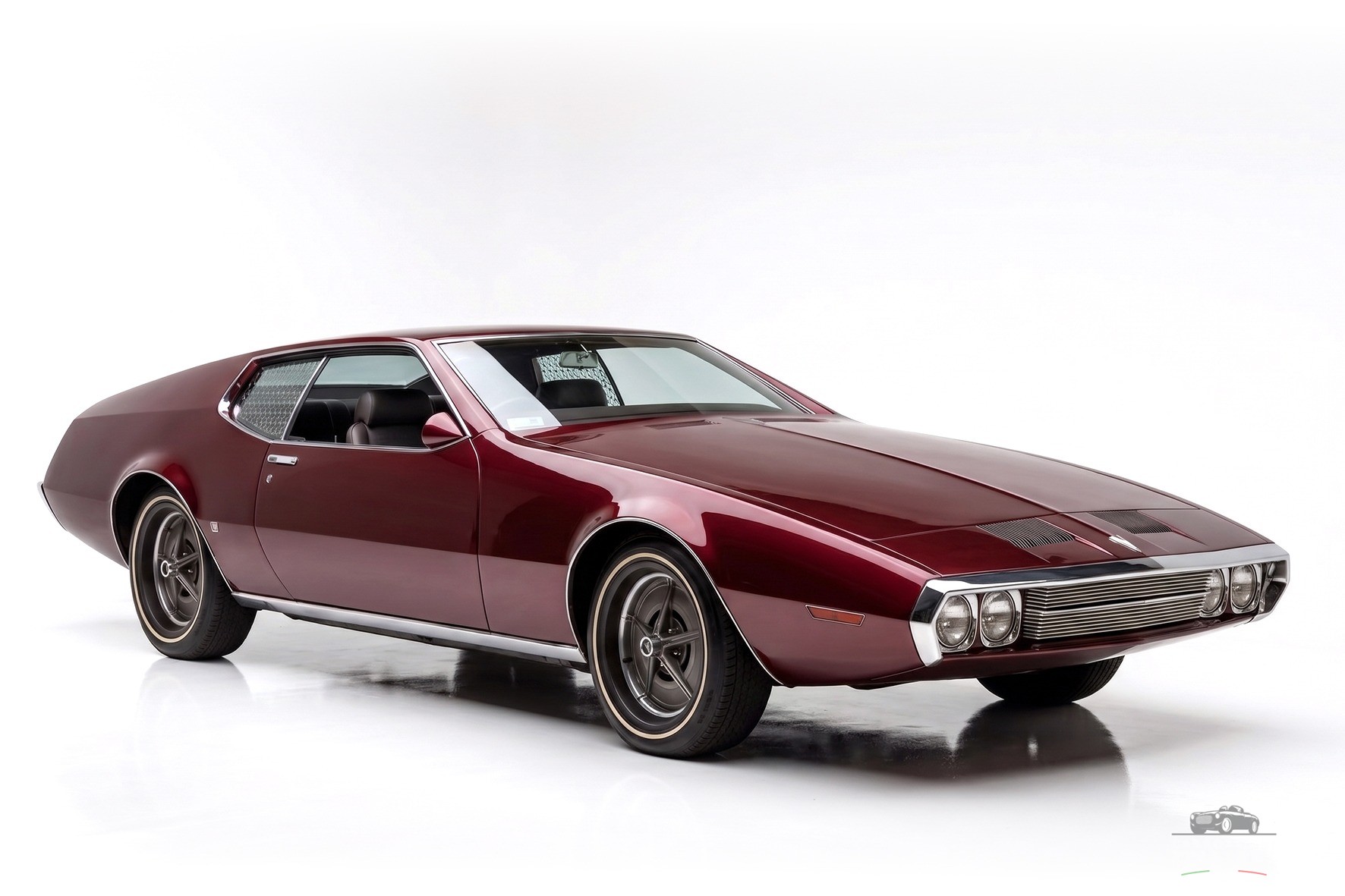
The early portfolio included the Pontiac CF 428, associated with Paul Farago’s styling initiative, and the Lancia Dunja of 1971, linked to the designer Aldo Sessano. The workshop also produced the Coggiola Janus of 1978, an asymmetrical styling exercise. These individual studies illustrate the coexistence of in-house construction and external design authorship: execution by Coggiola does not automatically establish Sergio Coggiola as the sole stylist.
Concept cars and manufacturer commissions in the 1980s
During the 1980s the company continued to construct experimental vehicles for manufacturers outside Italy. Its projects included the Citroën Karin (1980) and Citroën Xenia (1981), associated with Citroën design director Trevor Fiore. Coggiola’s responsibilities in these commissions concerned the realisation and engineering of concept bodies within programmes directed by the client manufacturer. The 1987 Chrysler-Lamborghini Portofino and the Renault Mégane concept of 1988 extended this work to American and French clients.
The company subsequently collaborated on the Renault Scénic Concept, presented at Frankfurt in 1991. Renault’s own historical archive identifies the Scénic as an experimental family-car concept; its programme and styling belonged to Renault, with external prototype construction attributed to Coggiola in specialist design histories. It should not be confused with the later production Mégane Scénic introduced in 1996.
Special projects and work in the 1990s and 2000s
Work during the 1990s covered experimental and bespoke vehicles for multiple manufacturers. Examples include the Mercedes-Benz Vario Research Car (VRC) of 1995, an experimental modular body concept, as well as the Lancia Thema Coupé, Fiat concept programmes and prototype construction associated with Mercedes-Benz. Coggiola also undertook specialist assembly on some vehicles produced for private commissions, including work alongside Pininfarina on bespoke cars intended for the Brunei royal collection. In such commissions, styling, coachbuilding, manufacturing and ownership must be attributed to their respective parties.
Later projects included the Coggiola T-Rex (2000), a large sport-utility prototype, and the Opel Trixx (2004), for which Opel retained design leadership while the physical prototype was constructed in Turin. The company’s commissions also extended beyond road cars to industrial design and aircraft-related bodywork, although individual aeronautical contracts require separate documentary identification.
Corporate history and subsequent ownership
Following Sergio Coggiola’s death in 1989, the business continued through a period of corporate and financial change. An official Italian government notice dated 21 May 1990 identifies Coggiola Carrozziere S.p.A., with its registered office at Via San Luigi 1 in Beinasco, and records an extraordinary shareholders’ meeting concerning substantial losses and possible restructuring and recapitalisation. The notice identifies Maria Antonietta Napoleoni, widow of Coggiola, as sole administrator at that date. It does not establish that the enterprise was liquidated or closed in 1990; the legal succession of the operating companies requires distinct registry evidence.
In 2022 Etioca Holding announced its acquisition of the historic Coggiola operation and associated manufacturing identifier, with the Turin workshops linked to construction of the Etioca Miner electric taxi prototype. This later transaction marks a further corporate phase and should not be treated as proof that the same legal entity founded in 1966 remained unchanged. The date and form of any preceding closure, liquidation or transfer of individual business assets remain to be established from corporate records.
Historical documentation and related studies
The company archive encompasses both completed show cars and commissions that were never publicly exhibited. Individual production totals, chassis numbers and transactions must be assigned to the corresponding vehicle records rather than to the coachbuilder in general. Related editorial research includes the historical study of Carrozzeria Coggiola, the 1976 New York taxi programme and Italian monovolume concepts.
KEY MOMENTS
Timeline
-
Birth of Sergio Coggiola
Italy
-
Foundation of Coggiola
Turin, Italy
-
Coggiola begins its long collaboration with Saab
Turin, Italy
-
Death of Sergio Coggiola
Italy
-
Coggiola enters a restructuring and recapitalization process
Beinasco, Italy
-
Etioca acquires the historic Carrozzeria Coggiola operation and brand
Orbassano / Turin, Italy
PEOPLE & DESIGN
Designers
Aldo Sessano
Aldo Sessano was an Italian industrial and automotive designer who worked with Fiat and Abarth before founding independent design ventures. His projects also extended to commercial-vehicle styling.
Explore record ↗Björn Envall
Björn Envall is a Swedish automotive designer associated with Saab, whose work followed earlier experience at Sason Design and Opel.
Explore record ↗Gérarde Asensio
Gerarde Asensio is an automotive designer associated with Renault Design. Individual vehicle attributions remain subject to source review.
Explore record ↗
Mario Revelli di Beaumont
Mario Revelli di Beaumont was an Italian automotive designer, active from the interwar period to the postwar era. He collaborated with Stabilimenti Farina, Ghia, Viotti and Bertone, and worked on projects for Fiat and Simca.
Explore record ↗View all 10 designers
Aldo Sessano
Aldo Sessano was an Italian industrial and automotive designer who worked with Fiat and Abarth before founding independent design ventures. His projects also extended to commercial-vehicle styling.
Explore record ↗Björn Envall
Björn Envall is a Swedish automotive designer associated with Saab, whose work followed earlier experience at Sason Design and Opel.
Explore record ↗Gérarde Asensio
Gerarde Asensio is an automotive designer associated with Renault Design. Individual vehicle attributions remain subject to source review.
Explore record ↗Mario Revelli di Beaumont
Mario Revelli di Beaumont was an Italian automotive designer, active from the interwar period to the postwar era. He collaborated with Stabilimenti Farina, Ghia, Viotti and Bertone, and worked on projects for Fiat and Simca.
Explore record ↗Martin Smith
Martin Smith is a British car designer whose career began at Porsche before he joined Audi and later Opel, where his work included the Opel Calibra. He became executive design director for Ford of Europe and helped establish the brand kinetic design language, seen on the S-MAX and Mondeo.
Explore record ↗Vehicles at a glance
- Related vehicles
- 36
- Concepts
- 26
- Prototypes
- 4
- Limited series
- 4
- Design proposals
- 2
CONTINUE EXPLORING
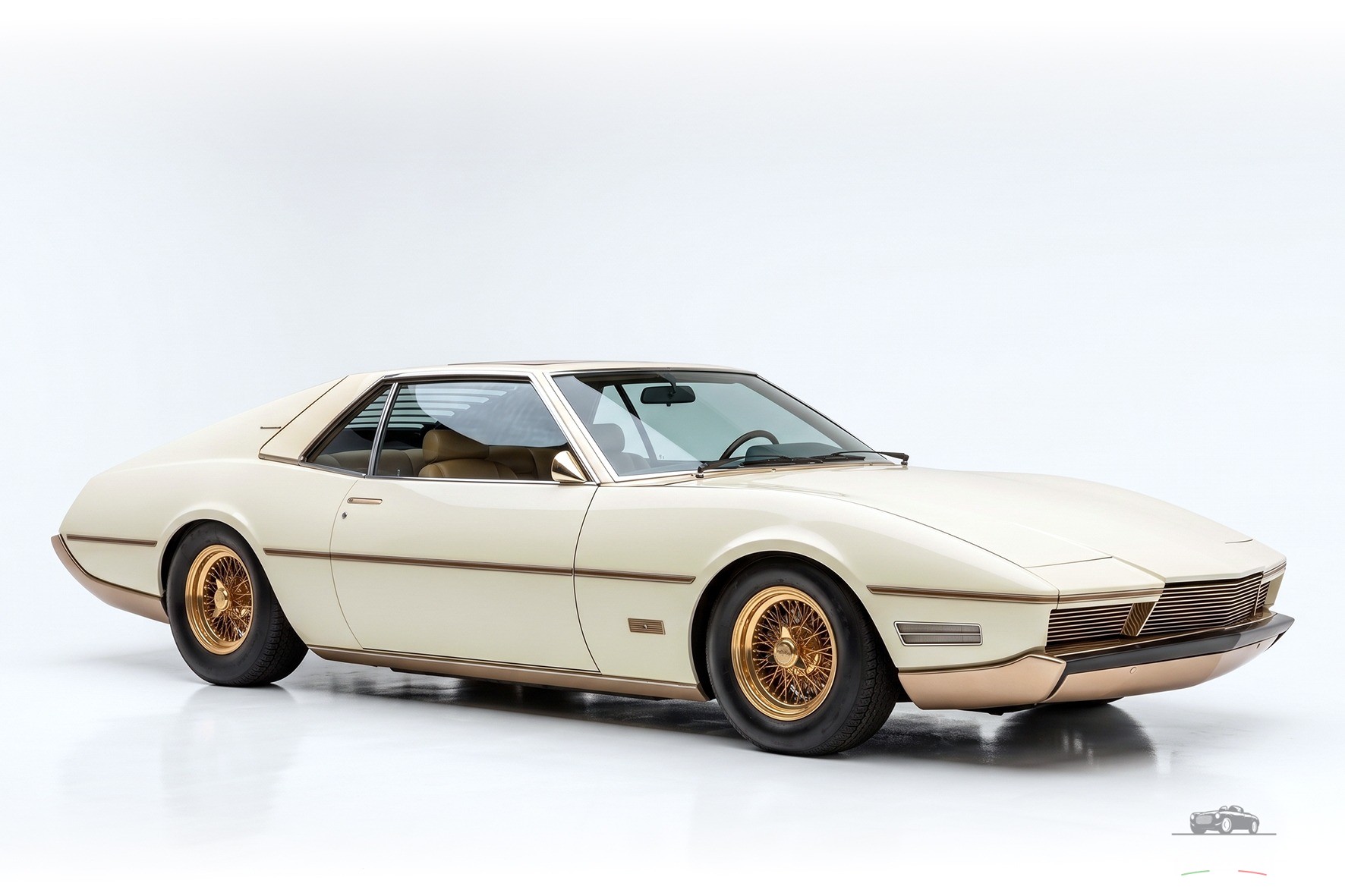
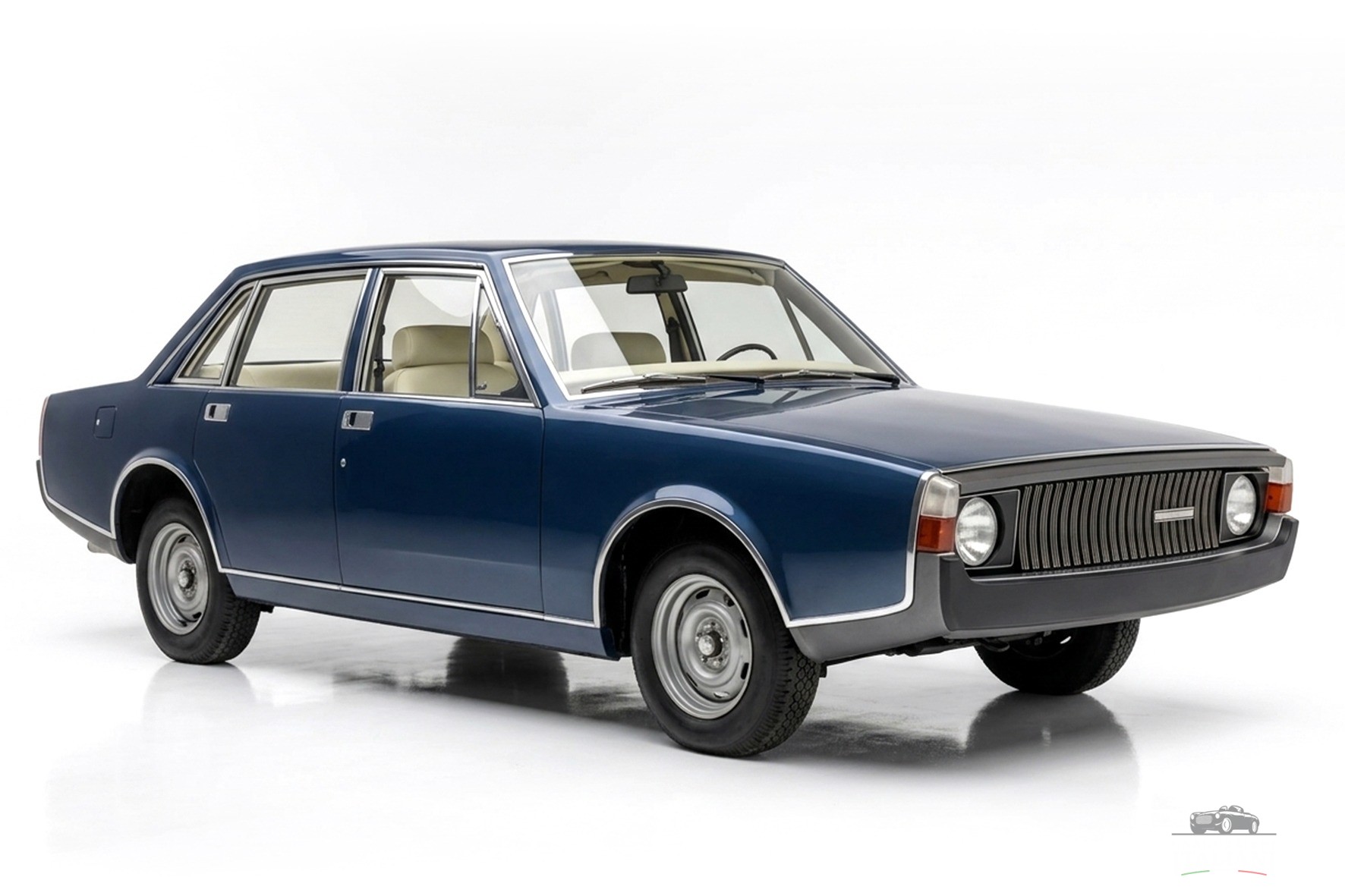
Related vehicles
FROM THE JOURNAL
Related Articles
Carrozzeria Coggiola: The Untold Story of Turin’s Hidden Coachbuilder
Discover the story of Carrozzeria Coggiola, the discreet Turin coachbuilder behind some of the most striking concept cars of the 20th century. From Saab and Volvo to Chrysler and Mercedes, its hidden…
Read story
THE CONVERSATION
Comments 0