Coggiola
Founded in Turin in 1966 by Sergio Coggiola after his work at Ghia, Carrozzeria Coggiola built specialist automotive bodies and design prototypes, including projects for Saab.
Explore record ↗
1971Coachwork by Coggiola
THE VEHICLE AT A GLANCE
THE PEOPLE BEHIND THE CAR
Founded in Turin in 1966 by Sergio Coggiola after his work at Ghia, Carrozzeria Coggiola built specialist automotive bodies and design prototypes, including projects for Saab.
Explore record ↗Aldo Sessano was an Italian industrial and automotive designer who worked with Fiat and Abarth before founding independent design ventures. His projects also extended to commercial-vehicle styling.
Explore record ↗01 / THE STORY
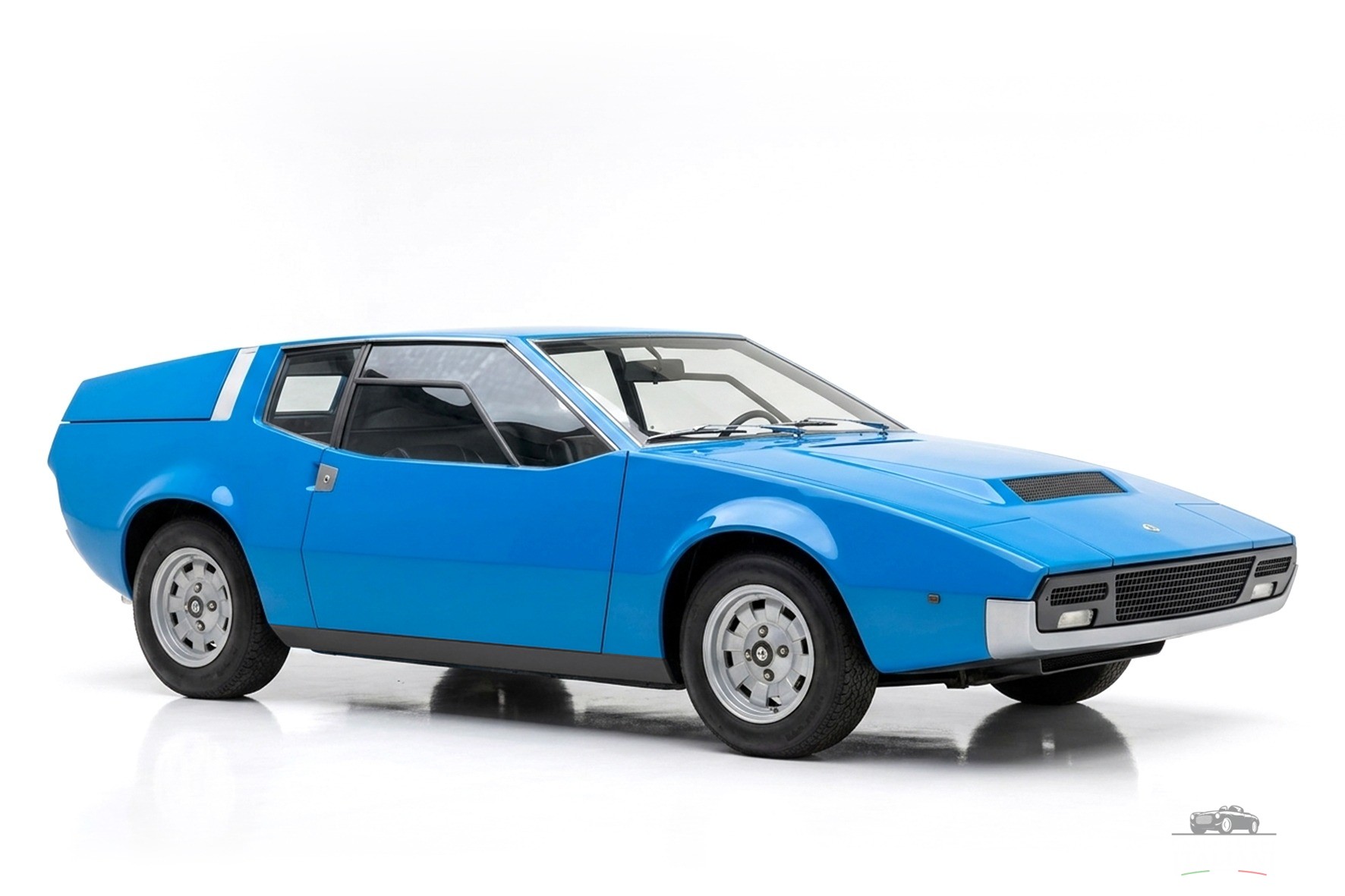
The Lancia Dunja was a striking compact 2-seater coupé unveiled at the 1971 Turin Auto Show. Based on the Lancia Fulvia 1600 HF chassis, the Dunja was a creation of designer Aldo Sessano and built by Carrozzeria Coggiola. It was showcased at the Glasurit stand, capturing the attention of automotive enthusiasts with its unique design and innovative features. One of the most notable aspects of the Lancia Dunja was its distinctive styling. The car featured a sharp, angular design that created a seamless transition from the side panels up to the roofline. This single sharp angle to the median line gave the Dunja a sleek and modern appearance, setting it apart from other cars of its era. The rear window was placed almost vertically, a design choice that not only contributed to the car’s futuristic look but also provided improved rear visibility. Between the passenger compartment and the rear of the car, a small overhang with ventilation holes was integrated into the design. This innovative feature ensured adequate airflow to the passenger compartment, enhancing comfort during drives. The Dunja’s overall design demonstrated a blend of aesthetic appeal and functional efficiency, showcasing Aldo Sessano’s vision and Carrozzeria Coggiola’s craftsmanship. Built on the robust Fulvia 1600 HF chassis, the Dunja inherited the performance and handling characteristics of its Lancia lineage. The Fulvia platform was known for its reliability and spirited driving dynamics, making the Dunja not just a design exercise but a capable and enjoyable car to drive. Although the Lancia Dunja remained a concept and never entered production, its unveiling at the Turin Auto Show in 1971 left a lasting impression. The car remains a testament to the innovative spirit of Lancia and the creative prowess of Aldo Sessano and Carrozzeria Coggiola, highlighting a period of bold experimentation in automotive design.
02 / TECHNICAL IDENTITY
03 / DESIGN, BODY & SUPPLIERS
Coachbuilder / Design studio
Founded in Turin in 1966 by Sergio Coggiola after his work at Ghia, Carrozzeria Coggiola built specialist automotive bodies and design prototypes, including projects for Saab.
Explore record ↗Designer
Aldo Sessano was an Italian industrial and automotive designer who worked with Fiat and Abarth before founding independent design ventures. His projects also extended to commercial-vehicle styling.
Explore record ↗Become a Pro member to see the full details in this section.
Membership is not available yet.
View membership options04 / CHRONOLOGY
07 / GALLERY
THE CONVERSATION
Comments 0