
Federico Formenti
AT A GLANCE
- Born
- 1925
- Died
- 1995
- Nationality
- Italian
- Occupation
- Automotive stylist and designer
- Active from
- 1945
- Studio
- Carrozzeria Touring / Alfa Romeo Centro Stile
- Based in
- Milan, Italy
THE STORY
Overview
Identity and career
Federico Formenti was an Italian automotive stylist associated with Carrozzeria Touring in Milan and subsequently Alfa Romeo’s Centro Stile. Known to colleagues as Mimmo, he worked on drawings, modelling and the transition from styling studies to production-compatible body forms. Specialist sources generally place his birth in 1925, although published accounts do not agree on his exact lifespan.
Beginning at Touring
Formenti joined Touring in January 1946, following an introduction by his brother-in-law Aquilino Gilardi, one of the company’s technical draughtsmen. Working beside the experienced Giuseppe Belli, he developed figurini, scale representations and body forms. His work belonged to a design and manufacturing organisation led first by Felice Bianchi Anderloni and Gaetano Ponzoni and later by Carlo Felice Bianchi Anderloni. Personal stylistic contributions must be separated from managerial and engineering responsibilities.
Design methods and Superleggera construction
Touring’s Superleggera body method combined lightweight tubular frameworks with formed exterior panels. Formenti was involved in sketching, proportion studies and the practical development of models and body surfaces with draughtsmen, engineers and craftspeople. Signed design studies provide stronger evidence of individual authorship than the presence of Touring’s badge on a car. Not every Touring body can automatically be treated as his personal design.
Ferrari and Alfa Romeo work
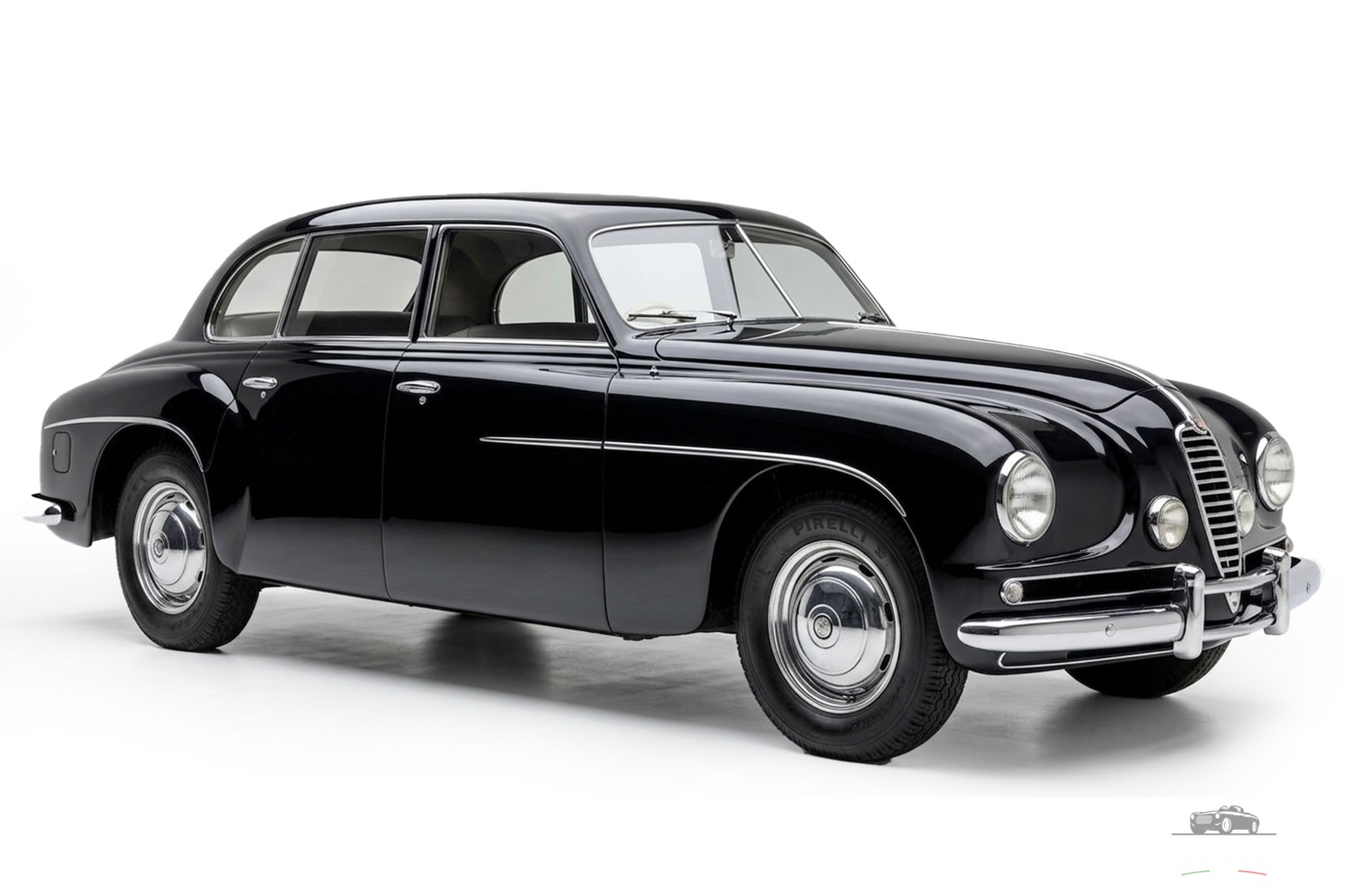
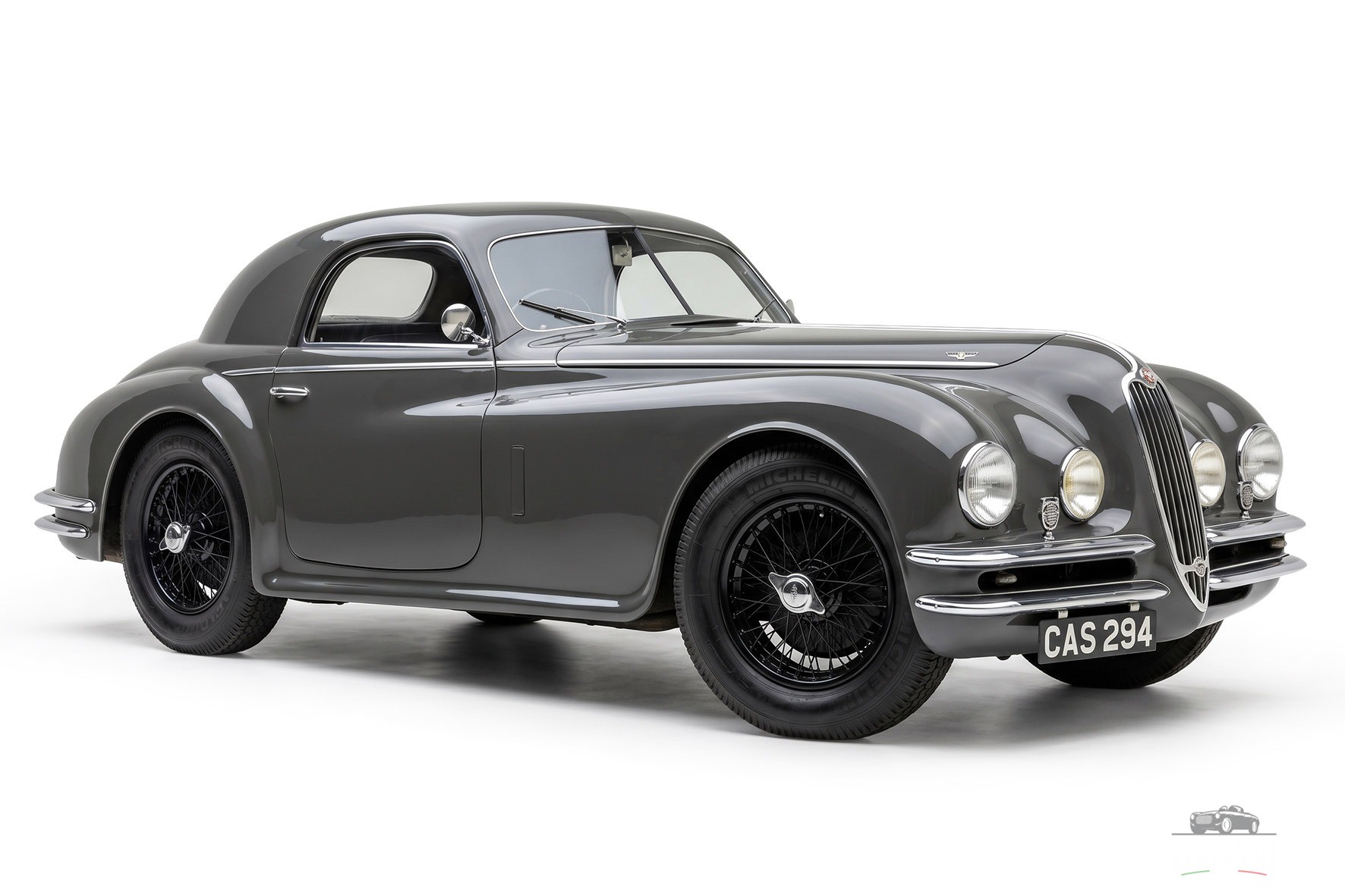
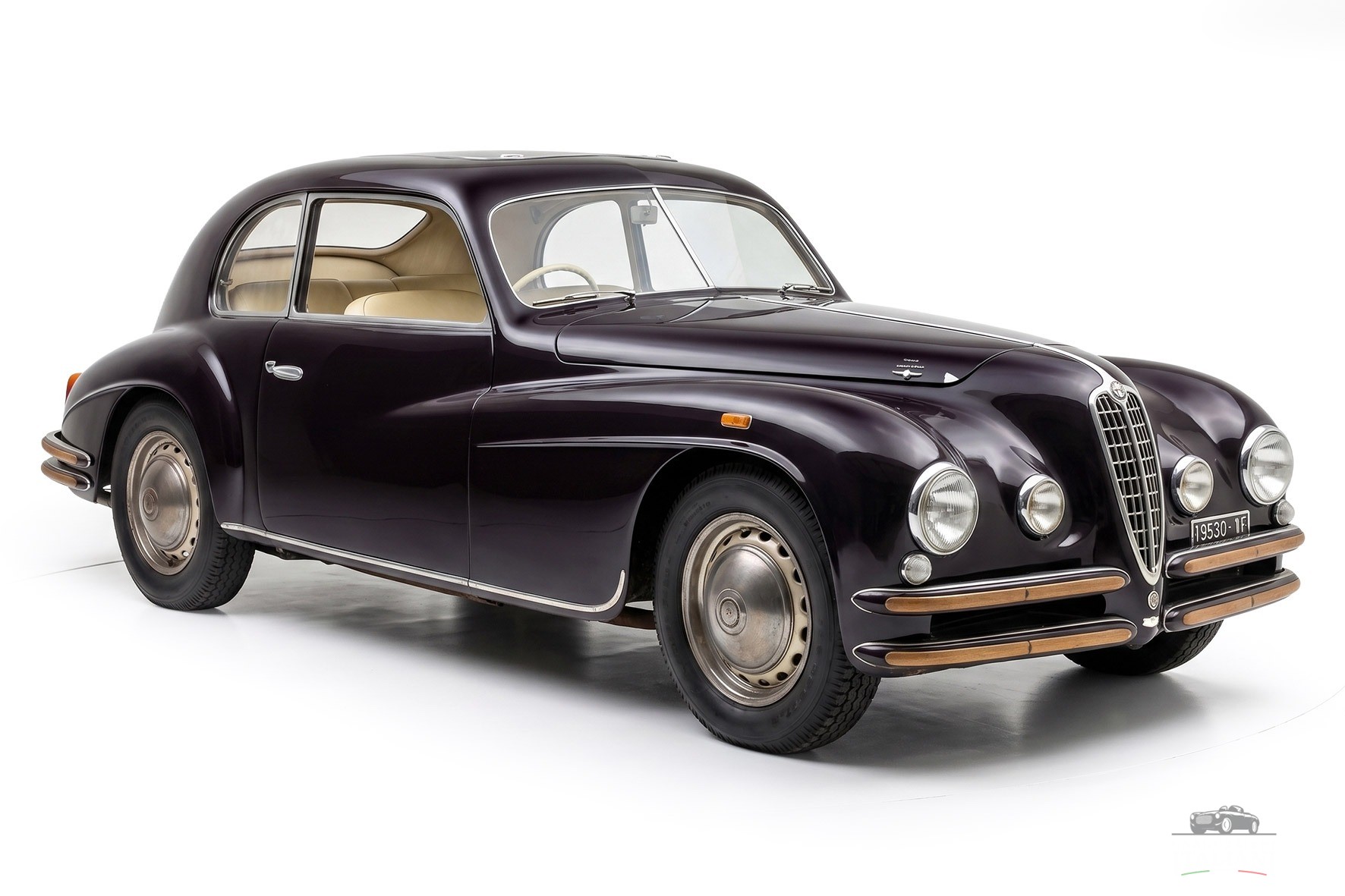
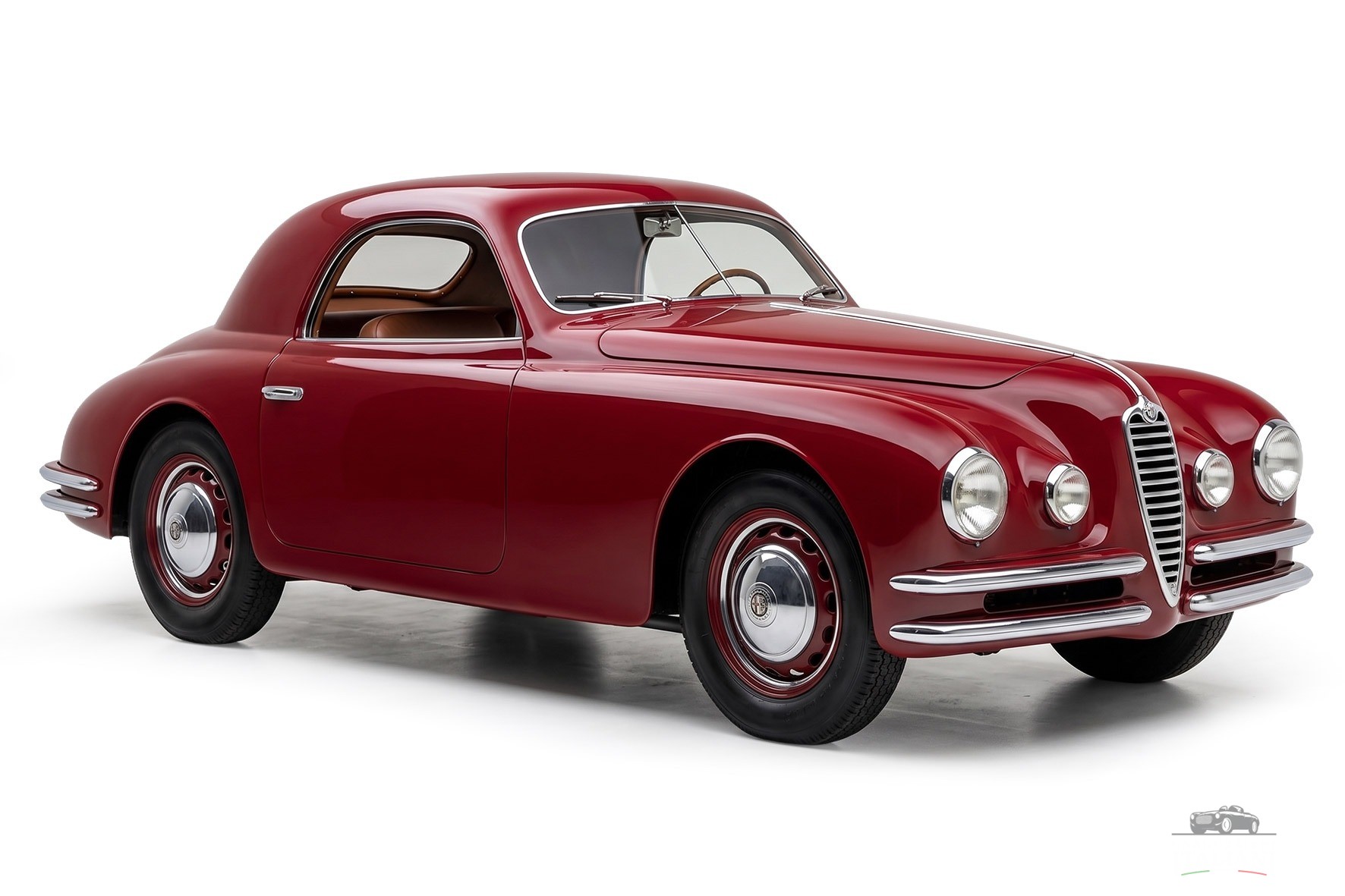
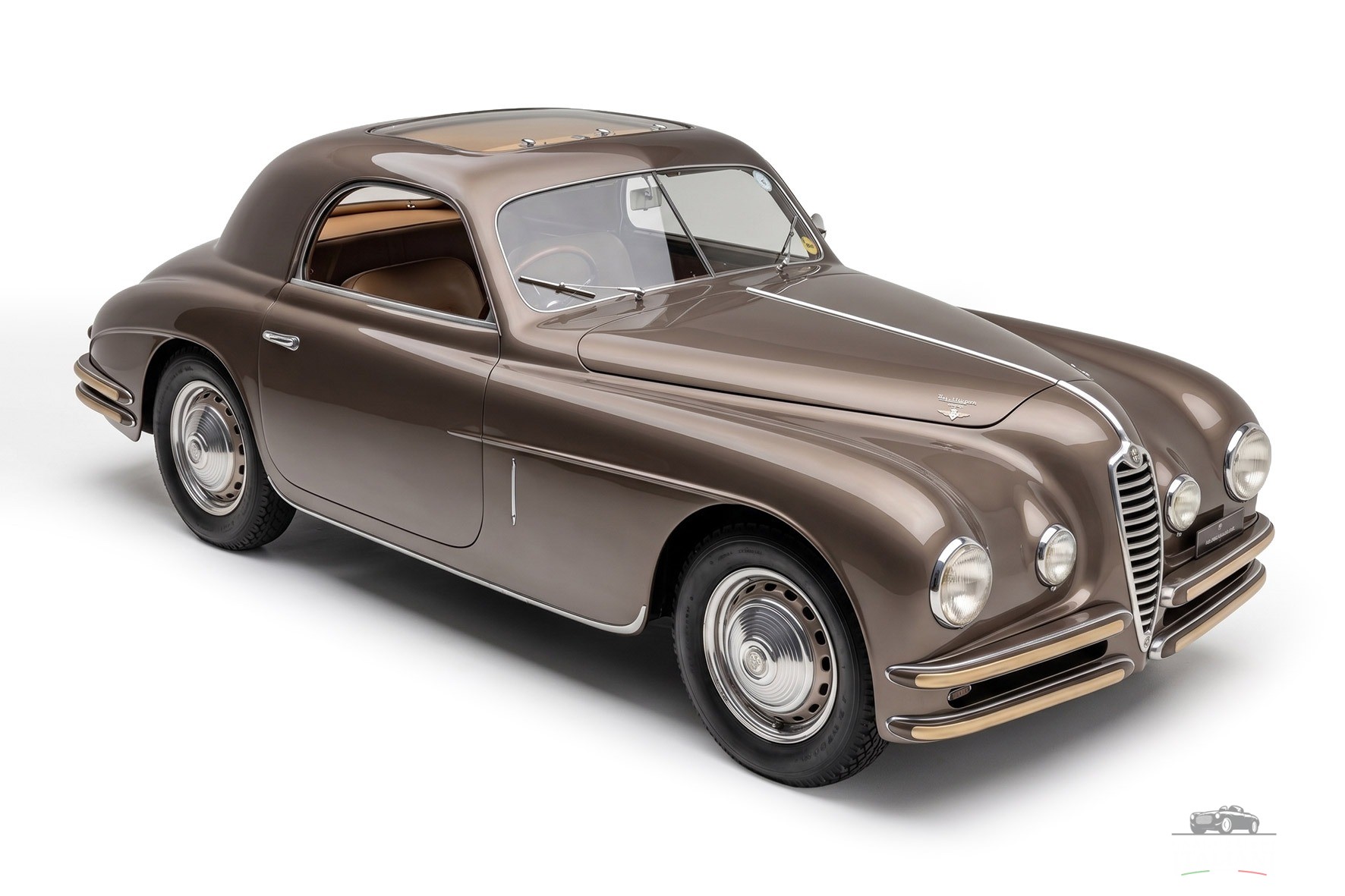
Formenti is associated with Touring’s Ferrari 166 MM barchetta of 1948 and subsequent Touring-bodied Ferrari 166, 212 and 340 programmes. Individual chassis and body variants require separate attribution. Touring also created important Alfa Romeo bodies during his tenure, including the 6C 2500 and 1900 series. Projects such as the Villa d’Este coupé emerged from a collaborative studio environment rather than the independent practice of one stylist.
Grand tourers of the 1950s
His Touring work is documented in connection with the Pegaso Z-102 Thrill, the Maserati 3500 GT and the Lancia Flaminia GT programme. The Flaminia GTL developed from the same coachbuilding lineage. The activities of Carlo Felice Bianchi Anderloni, technical draughtsmen and production staff must remain distinct in the interpretation of these vehicles.
Aston Martin
Touring’s involvement with Aston Martin began with DB2/4-based two-seat spider proposals in the mid-1950s. Formenti was specifically credited with designing the external form of the DB4, while Aston Martin engineer Harold Beach developed the platform-chassis system needed for the licensed Superleggera body. The Aston Martin DB4 GT Touring and subsequent DB5 and DB6 were developments of this lineage. The DB4 GT Zagato was a separate Zagato design and must not inherit his credit.
Lamborghini and Marazzi
Formenti contributed to Touring’s transformation of Franco Scaglione’s 350 GTV concept into the Lamborghini 350 GT production car. Further work included the Touring Flying Star II and a distinct Lamborghini Tigre proposal, which should not be confused with Bertone’s Miura. When Touring’s original production operations ended in 1966, Formenti helped transfer Lamborghini production work to Marazzi and took part in the Lamborghini Islero project.
Other collaborations
The Sunbeam Venezia involved Formenti and Aquilino Gilardi in complementary styling and technical drawing responsibilities. The Lagonda Rapide and Jensen Interceptor programmes are also discussed in specialist design histories. A styling proposal, a Touring-manufactured coachbuilt body and licensed production by a separate manufacturer are different contributions and should not be conflated.
Alfa Romeo Centro Stile
After Touring closed, Formenti worked in Alfa Romeo’s Centro Stile under the wider direction of Giuseppe Scarnati. His assignments included aerodynamic development relating to the Autodelta Tipo 33 programme during 1967–1968 and later work on the Alfetta and other Alfa Romeo saloons. He combined artistic and technical responsibilities and assisted younger members of the team. The Alfetta was a collective company design, not exclusively a Formenti commission.
Retirement and historical evidence
Formenti retired from Alfa Romeo in February 1980. His work is documented by period drawings, recollections from colleagues, manufacturer accounts and specialist histories. There is a discrepancy in published death dates: some accounts report 1994, while another biographical register gives 1995. The existing structured life-event values have therefore been retained pending better evidence.
THE NETWORK
Shared vehicle credits

KEY MOMENTS
Timeline
-
Birth of Federico Formenti
Italy
-
Career begins
-
Death of Federico Formenti
Italy
AWARDS & RECOGNITION
Palmarès
Vehicle awards
- Best of Show
- 5
- Class wins
- 18
- Public choice
- 1
- Special prizes
- 9
- Race wins
- 2
35 vehicle award records
Best of Show
Alfa Romeo 6C 2500 SS Villa d’EsteClass Winner
Alfa Romeo 6C 2500 SS Villa d’EsteClass Winner
Ferrari 166 MM Barchetta TouringSpecial Prize
Ferrari 166 MM Barchetta TouringSpecial Prize
Ferrari 340 America BarchettaSpecial Prize
Ferrari 166 MM Barchetta TouringClass Winner
Pegaso Z-102 Spider TibidaboSpecial Prize
Alfa Romeo 6C 2500 GT Cabriolet TouringClass Winner
Ferrari 166 MM Berlinetta TouringClass Winner
Ferrari 166 MM Berlinetta TouringBest of Show
Ferrari 166 MM Berlinetta TouringSpecial Prize
Ferrari 166 MM Berlinetta TouringBest of Show
Alfa Romeo 6C 2500 GT Cabriolet TouringClass Winner
Ferrari 166 MM Barchetta TouringSpecial Prize
Ferrari 166 MM Barchetta TouringClass Winner
Ferrari 166 MM Barchetta TouringClass Winner
Lancia Flaminia ConvertibileClass Winner
Maserati 3500 GT TouringClass Winner
Alfa Romeo 1900C Super SprintClass Winner
Aston Martin DB2/4 RoadsterBest of Show
Aston Martin DB2/4 Roadster1st Prize ex aequo — National Class IV A
Alfa Romeo 1900C Super SprintConcorso d'Eleganza Campione d'Italia 1954
National Class IV A
Best of Show
Pegaso Z-102 ThrillGran Premio d'Onore
Pegaso Z-102 ThrillChassis 0102.150.0133
Class IV — 1st prize
Alfa Romeo 6C 2500 SS Villa d’EsteV Concorso Internazionale di Eleganza – Pincio 1951
IV — Group I, series cars over 2000 cc
Special Prize
Alfa Romeo 6C 2500 SS Cabriolet Touring2° Concorso Internazionale di Eleganza per Autovetture – Lido di Venezia 1950
Class Winner
Fiat 1400 Touring2° Concorso Internazionale di Eleganza per Autovetture – Lido di Venezia 1950
Mille Miglia Winner
Ferrari 195 S Coupé TouringClass Winner
Ferrari 166 MM Barchetta TouringGran Premio Referendum
Alfa Romeo 6C 2500 SS Villa d’EsteConcorso d'Eleganza Villa d'Este 1949
Public referendum
Mille Miglia Winner
Ferrari 166 MM Barchetta TouringClass Winner
Alfa Romeo 6C 2500 SS CoupéClass Winner
Alfa Romeo 6C 2500 SS Cabriolet TouringSpecial Prize
Alfa Romeo 6C 2500 SS Cabriolet TouringClass Winner
Alfa Romeo 6C 2500 SS Aerlux
CONTINUE EXPLORING
Related vehicles


THE CONVERSATION
Comments 0