
Pininfarina
Founded by Battista Pinin Farina in Turin in 1930, Pininfarina became one of the most influential Italian styling and coachbuilding houses, particularly through its work for Ferrari and other international manufacturers.
Explore record ↗
2010Coachwork by Pininfarina
THE VEHICLE AT A GLANCE
THE PEOPLE BEHIND THE CAR
Founded by Battista Pinin Farina in Turin in 1930, Pininfarina became one of the most influential Italian styling and coachbuilding houses, particularly through its work for Ferrari and other international manufacturers.
Explore record ↗Lowie Vermeersch is a Belgian automotive designer and design director.
Explore record ↗01 / THE STORY
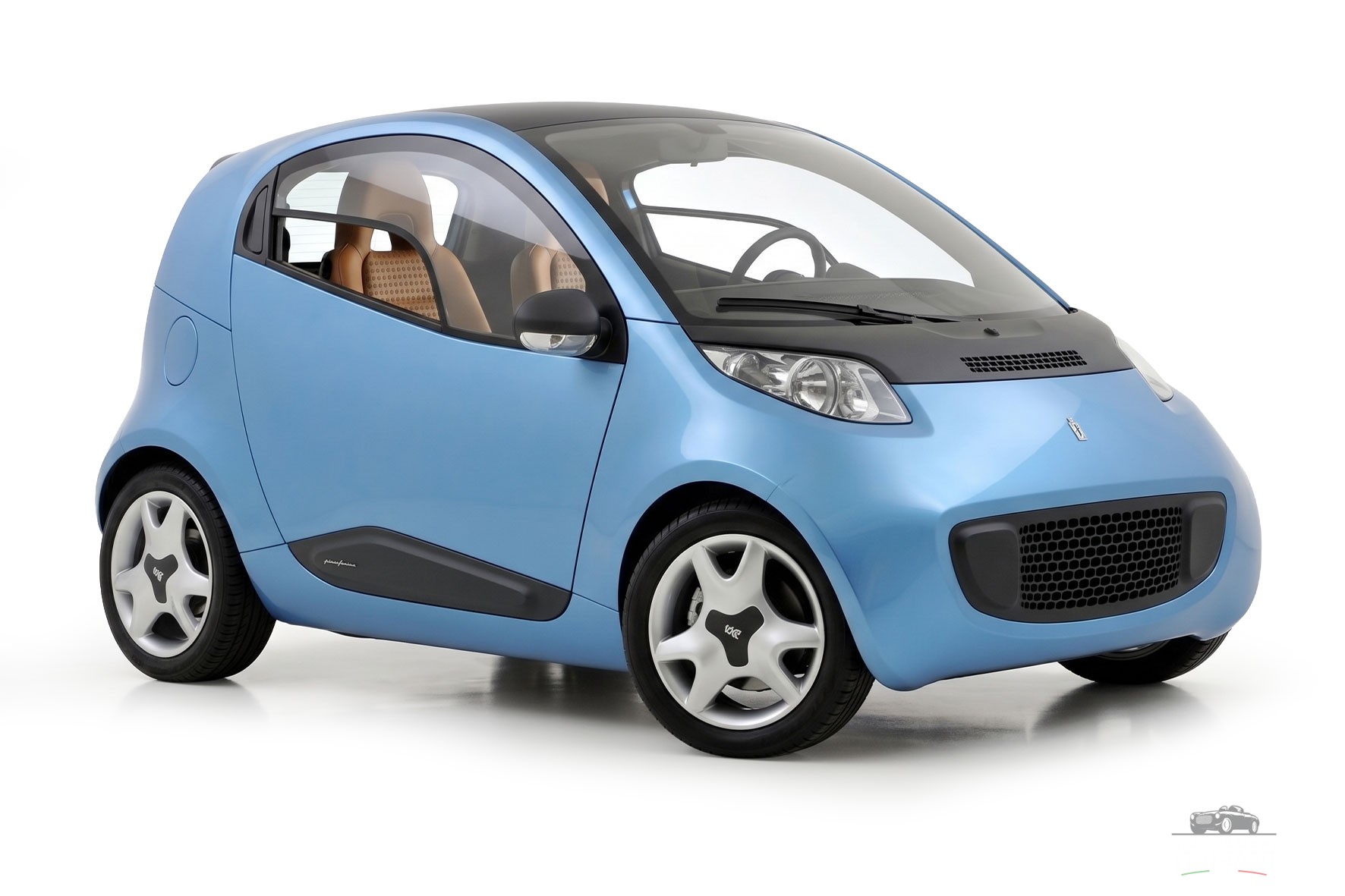
The Pininfarina Nido is an innovative concept car designed by the Italian design house Pininfarina, showcased at the 2004 Paris Motor Show. Meaning “nest” in Italian, the Nido is aptly named, as its design embodies a protective shell intended to safeguard occupants. This compact, two-seater city car is focused on maximizing safety through its unique structural approach, aimed at reducing the impact of collisions for both passengers and pedestrians. A fundamental goal behind the Nido’s design was to develop a vehicle that could navigate urban environments while offering high safety standards. This focus is reflected in the car’s single-box shape, which distributes space to optimize both interior room and protective structures around the occupants. The Nido’s external design uses smooth, rounded lines, which not only give it a friendly, approachable appearance but also contribute to pedestrian safety by reducing sharp edges that could cause injury in the event of an accident. Through these features, the Nido emphasizes an innovative approach to passive safety, making it a forward-thinking concept. The Nido project was overseen by Lowie Vermeersch, Pininfarina’s design director, who emphasized that this concept is a testament to Pininfarina’s commitment to pioneering future mobility solutions. It serves as an example of how traditional design aesthetics can be combined with advanced safety engineering. The vehicle’s development was the result of close collaboration between Pininfarina’s design and engineering teams, merging stylistic appeal with functionality. Recognition of the Nido’s achievements in automotive design and safety was substantial. It won the title of “Most Beautiful Car in the World” in the Prototypes and Concept Cars category, and in 2008, it received the prestigious ADI Compasso d’Oro award in the category dedicated to designs that anticipate transportation trends. Furthermore, the Nido’s design significance earned it a place in the Museum of Modern Art (MoMA) in New York, solidifying its status as both a work of art and a symbol of innovation in urban vehicle design.
02 / TECHNICAL IDENTITY
Become a Pro member to see the full details in this section.
Membership is not available yet.
View membership options03 / DESIGN, BODY & SUPPLIERS
Coachbuilder / Design studio
Founded by Battista Pinin Farina in Turin in 1930, Pininfarina became one of the most influential Italian styling and coachbuilding houses, particularly through its work for Ferrari and other international manufacturers.
Explore record ↗Designer
Lowie Vermeersch is a Belgian automotive designer and design director.
Explore record ↗07 / GALLERY
THE CONVERSATION
Comments 0