
Pininfarina
Founded by Battista Pinin Farina in Turin in 1930, Pininfarina became one of the most influential Italian styling and coachbuilding houses, particularly through its work for Ferrari and other international manufacturers.
Explore record ↗
1962Coachwork by Pininfarina
THE VEHICLE AT A GLANCE
THE PEOPLE BEHIND THE CAR
Founded by Battista Pinin Farina in Turin in 1930, Pininfarina became one of the most influential Italian styling and coachbuilding houses, particularly through its work for Ferrari and other international manufacturers.
Explore record ↗Pio Manzu \(1939-1969\), trained at the Ulm School of Design, developed the Autonova concepts before joining Fiat as a consultant. His projects included the 1968 City Taxi and the original design of the Fiat 127, launched after his death in 1971.
Explore record ↗01 / THE STORY
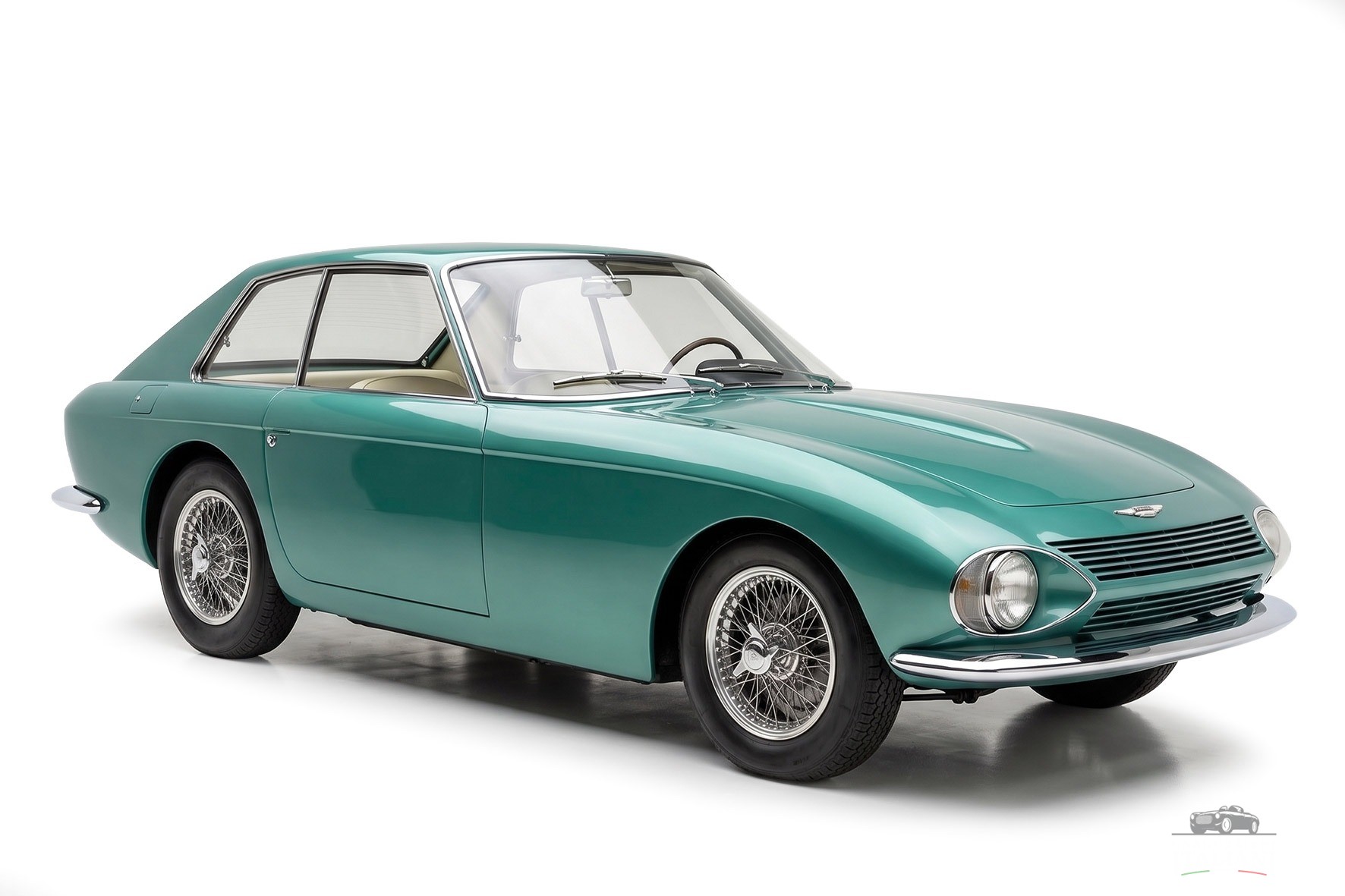
The Austin Healey 3000 concept car, designed by the then-23-year-old Pio Manzù, represents a significant moment in automotive design history. Manzù, a student with a keen interest in innovative vehicle design, won the prestigious Année Automobile international competition with this groundbreaking project. The concept was based on the Austin Healey 3000 and built by Pininfarina, making its debut at the Turin and London Motor Shows in 1962. At the time, Manzù was still a student and had the unique opportunity to channel his design vision into this project. His success in the Année Automobile competition, organized by the Lausanne-based magazine to celebrate its tenth anniversary, was a testament to his forward-thinking approach. Alongside two schoolmates, Manzù’s prototype captured the imagination of the automotive world and stood out for its distinctive and forward-looking design. Manzù’s design philosophy was influenced by his belief that the automotive industry was at a crossroads. In his own words, “We’re at a crossroads. Either we go on with largely stylistic studies and so slide into pure fashion (in which the Americans are far ahead of us), or else we take a new path, as suggested by traffic conditions and needs in Europe.” This statement reflects his concern about the industry’s tendency toward mere styling updates, especially prevalent in mid-sixties American car design, and his desire to focus on more functional and innovative solutions. Manzù’s approach was characterized by a commitment to developing vehicles that were not only original in design but also practical in performance and functionality. His research into new materials for body components, systems for underbody protection, and wide-opening doors and hoods illustrated his dedication to integrating technical features with aesthetic values and practical needs. This innovative mindset was instrumental in shaping the future of automotive design and highlighted the importance of aligning form with function.
02 / TECHNICAL IDENTITY
03 / DESIGN, BODY & SUPPLIERS
Coachbuilder / Design studio
Founded by Battista Pinin Farina in Turin in 1930, Pininfarina became one of the most influential Italian styling and coachbuilding houses, particularly through its work for Ferrari and other international manufacturers.
Explore record ↗Designer
Pio Manzu \(1939-1969\), trained at the Ulm School of Design, developed the Autonova concepts before joining Fiat as a consultant. His projects included the 1968 City Taxi and the original design of the Fiat 127, launched after his death in 1971.
Explore record ↗Become a Pro member to see the full details in this section.
Membership is not available yet.
View membership options04 / CHRONOLOGY
07 / GALLERY
THE CONVERSATION
Comments 0