
Balbo
AT A GLANCE
- Founded
- 1914
- Closed
- 1954
- Historical city
- Turin
- Country
- Italy
AWARDS & RECOGNITION
Palmarès
Vehicle awards
- Class wins
- 3
- Special prizes
- 1
4 vehicle award records
THE STORY
Overview
Origins in Turin
Carrozzeria Balbo emerged in Turin in 1914, when Alfonso Balbo established an independent body-building workshop after earlier involvement with Carrozzeria Italiana Cooperativa. An early address is recorded as Contrada dei Fiori 53, while contemporary advertising from the interwar period places the business at Corso Parigi 78–80. These addresses belong to different phases of its history and should not be treated as interchangeable. Balbo began with alterations to production chassis, but developed into a specialist in bespoke passenger and commercial coachwork for Italian manufacturers.
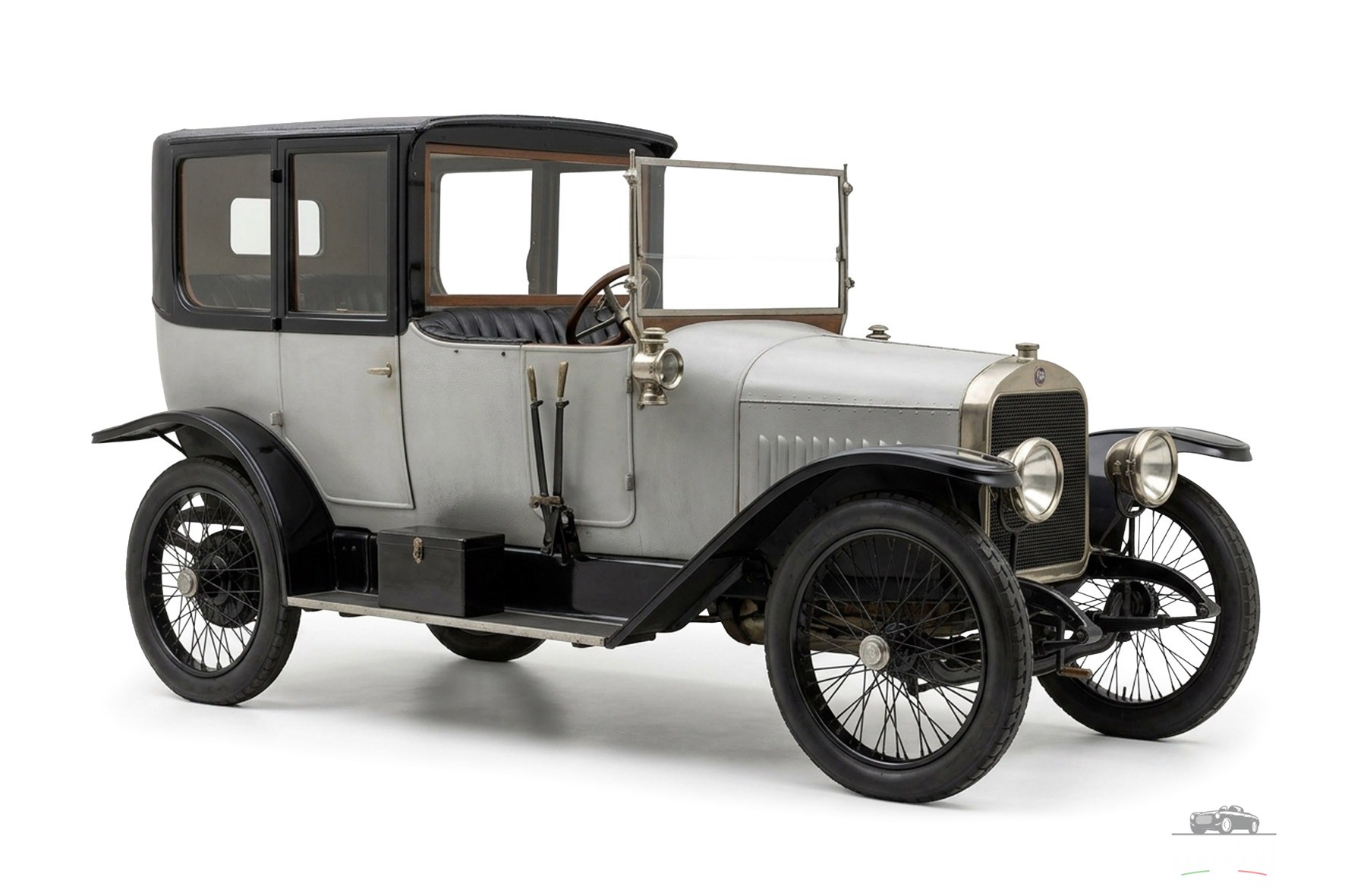
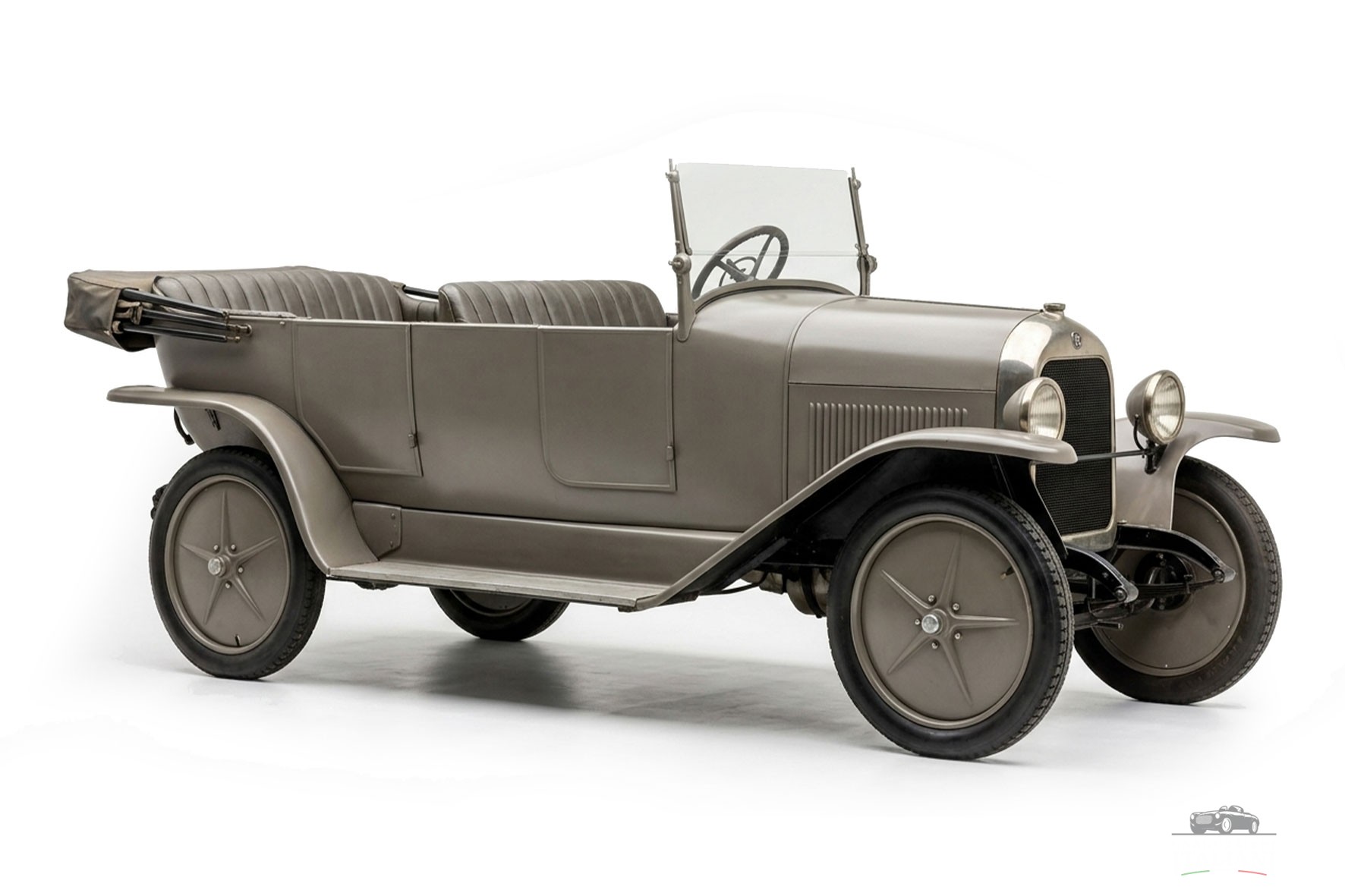
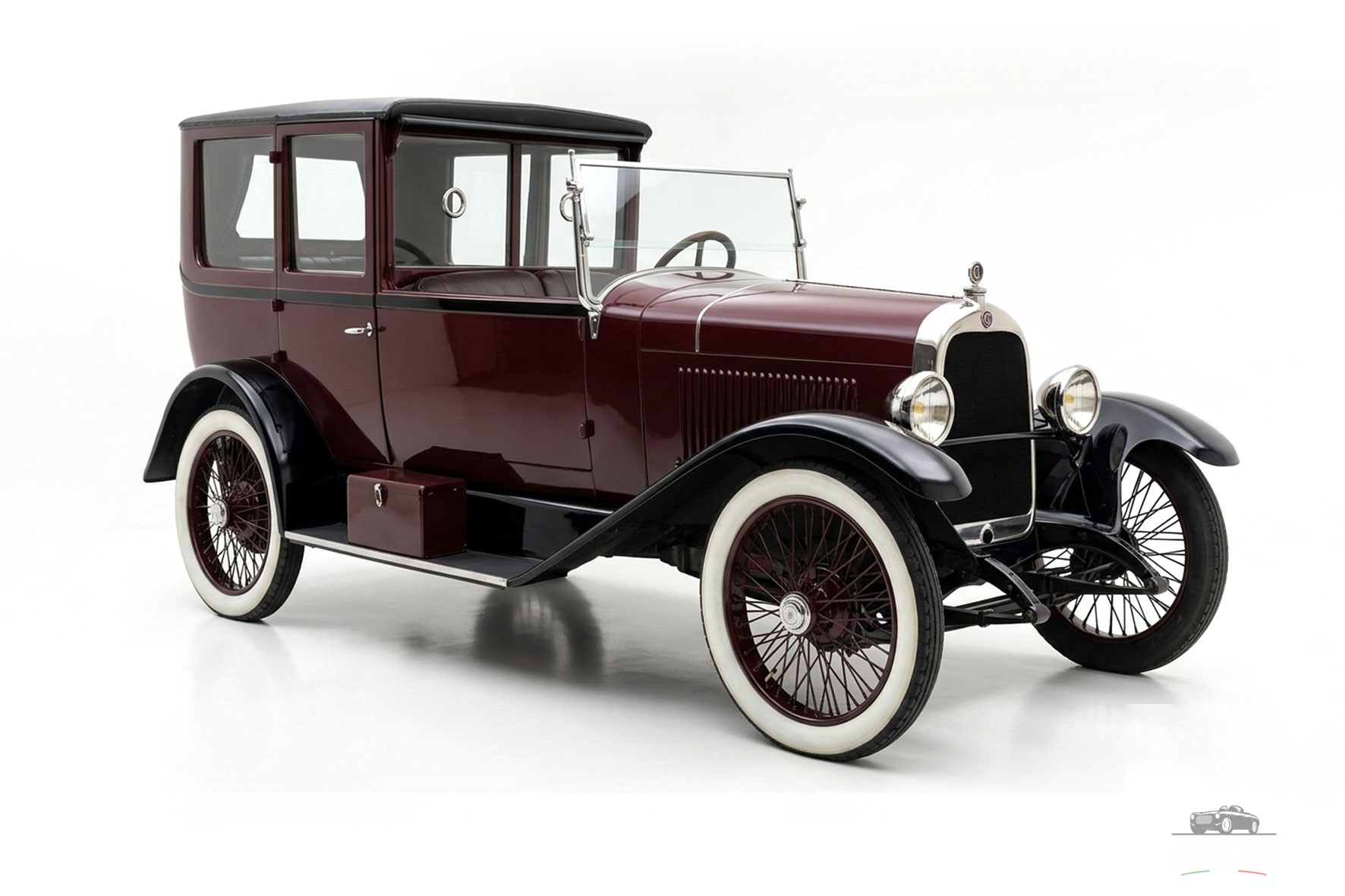
Fiat and Lancia were especially important to the workshop. Balbo’s repertoire included torpedoes, coupés de ville, landaulets and luxury closed bodies. Among the early Lancia commissions were bodies for Kappa, Lambda and Trikappa chassis, including the Trikappa Coupé de Ville. Other documented work involved Diatto, including a period advertisement for a Tipo 30 Torpedo Super Lusso. The company also explored removable enclosed roof arrangements for open cars. In 1921 Balbo was associated with a separate wooden-body-frame venture, Scoccheria Balbo & C.; the relationship between this concern and the main coachbuilding business requires distinction rather than an assumption of a single legal entity.
Successori Balbo and the interwar years
Alfonso Balbo died in 1926. His close associate Carlo Follis took over the operation, which continued to use the Balbo name and appeared in historical advertising as Carrozzeria Succ. Balbo and S.A. Carrozzeria Succ. Balbo. An advertisement from 1927 specifies construction of luxury bodies, series work and a dedicated industrial-vehicle department. Other original advertisements record changes in telephone numbers and addresses at Corso Parigi; these differences should be understood in their original publication contexts, not silently reconciled into a single contact record.
During the 1930s the workshop offered berlinas, cabriolets and other special bodies, notably on Fiat 1500 six-cylinder and Fiat 508 chassis, while continuing to work with Lancia and Alfa Romeo. Production reportedly reached about one body a day at its height, although an independently audited annual total has not been established. A company advertisement dated April 1934 specifically promoted the use of VIS and Securit safety glass. This constitutes evidence of fitted glazing products rather than proof of an exclusive supply agreement or a separately identified glazing contractor.
Reconstruction and postwar designs
Wartime bombing severely damaged the Corso Parigi premises. Balbo resumed activity after the war from Via Gorizia at the corner of Corso Sebastopoli, an address independently confirmed by an original company advertisement. The workshop returned to the flourishing Italian market for special bodies on Fiat 1100, 1400 and 1500 chassis and produced individual interpretations of the Lancia Aprilia and Aurelia and the Alfa Romeo 6C 2500. Its coachwork ranged from elaborate late-prewar detailing to cleaner postwar forms, frequently with distinctive grille treatments.
External designers contributed to this output. Giovanni Michelotti’s archive lists projects associated with Balbo, while Franco Scaglione is linked to the Lancia Aurelia B50 and B53 programme. Such attributions must be established for each individual design and vehicle rather than assigned to every Balbo body. Examples within the database include the Aurelia B53 Coupé and the Fiat 1400-based Vittoria derivatives. Period reports of postwar motor shows and elegance competitions provide further evidence of the workshop’s continuing activity, although individual awards require exact event and vehicle identification.
The Siata Berlinettas
In the early 1950s Balbo built lightweight coupé bodies for the Siata 208 CS, a compact sports car employing the Fiat Otto Vu V8 and a chassis developed by Siata. Construction of the early 208 CS coupés had been associated with Stabilimenti Farina before the programme passed to Successori Balbo. Its hand-finished berlinettas are identifiable by their elaborate grilles and individual body details. Contemporary auction catalogues give a total of nine Balbo-bodied 208 CS Berlinettas, with six survivors known, while some published historical accounts report eleven. Until the difference is reconciled from production or chassis records, nine should be identified as the auction-house figure, not presented as an indisputable factory total.
The Siata 208 CS group includes several distinct chassis. For example, CS 072, with engine CS 065, won its class and the Strother MacMinn elegance award at Pebble Beach in 2025, after an earlier sale at Gooding & Company in 2021. The 2022 Pebble Beach class winner was shown by a different named entrant and must not be assumed to be CS 072. Each car’s provenance, concours record and auction history belong to its own chassis record.
The B400 and closure
Balbo’s final years also included an attempt to create a complete small automobile. The Balbo B400, unveiled at the Turin Motor Show in 1953, was a two-seat microcar prototype using a rear-mounted, two-cylinder, two-stroke engine of approximately 398 cc and a quoted output of about 15 hp. It did not proceed to documented series manufacture. The firm is generally reported to have closed in 1954, after four decades of changing coachbuilding fashions and markets. Its surviving Fiat, Lancia, Siata and other custom-bodied cars preserve evidence of a Turin workshop that served both traditional luxury clients and the postwar search for new forms.
KEY MOMENTS
Timeline
-
Foundation of Balbo
Turin, Italy
-
Death of Alfonso Balbo
Italy
-
Carlo Follis takes over Carrozzeria Balbo
Turin, Italy
-
Carrozzeria Balbo closes
Turin, Italy
PEOPLE & DESIGN
Designers
Franco Scaglione
Franco Scaglione was an Italian automotive designer celebrated for his aerodynamic bodywork, notably the Alfa Romeo BAT prototypes at Bertone and the Alfa Romeo 33 Stradale.
Explore record ↗
Giovanni Michelotti
Giovanni Michelotti was a prolific Italian automotive designer whose independent Turin studio produced coachwork and production-car designs for Vignale, Triumph, BMW and numerous other manufacturers.
Explore record ↗
Mario Revelli di Beaumont
Mario Revelli di Beaumont was an Italian automotive designer, active from the interwar period to the postwar era. He collaborated with Stabilimenti Farina, Ghia, Viotti and Bertone, and worked on projects for Fiat and Simca.
Explore record ↗Vehicles at a glance
- Related vehicles
- 64
- Prototypes
- 1
- One-offs
- 8
- Limited series
- 53
- Fuoriserie
- 2
CONTINUE EXPLORING
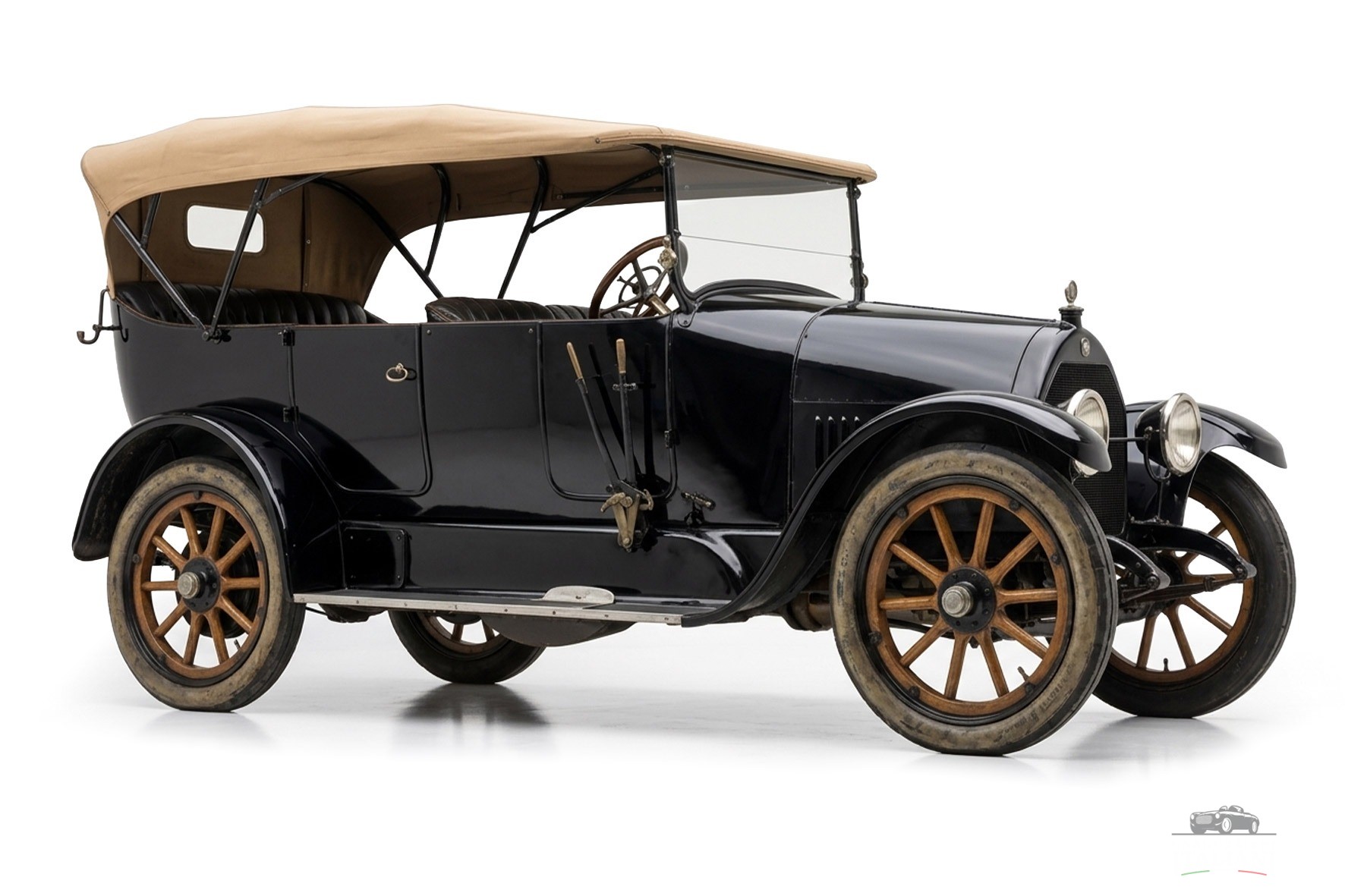
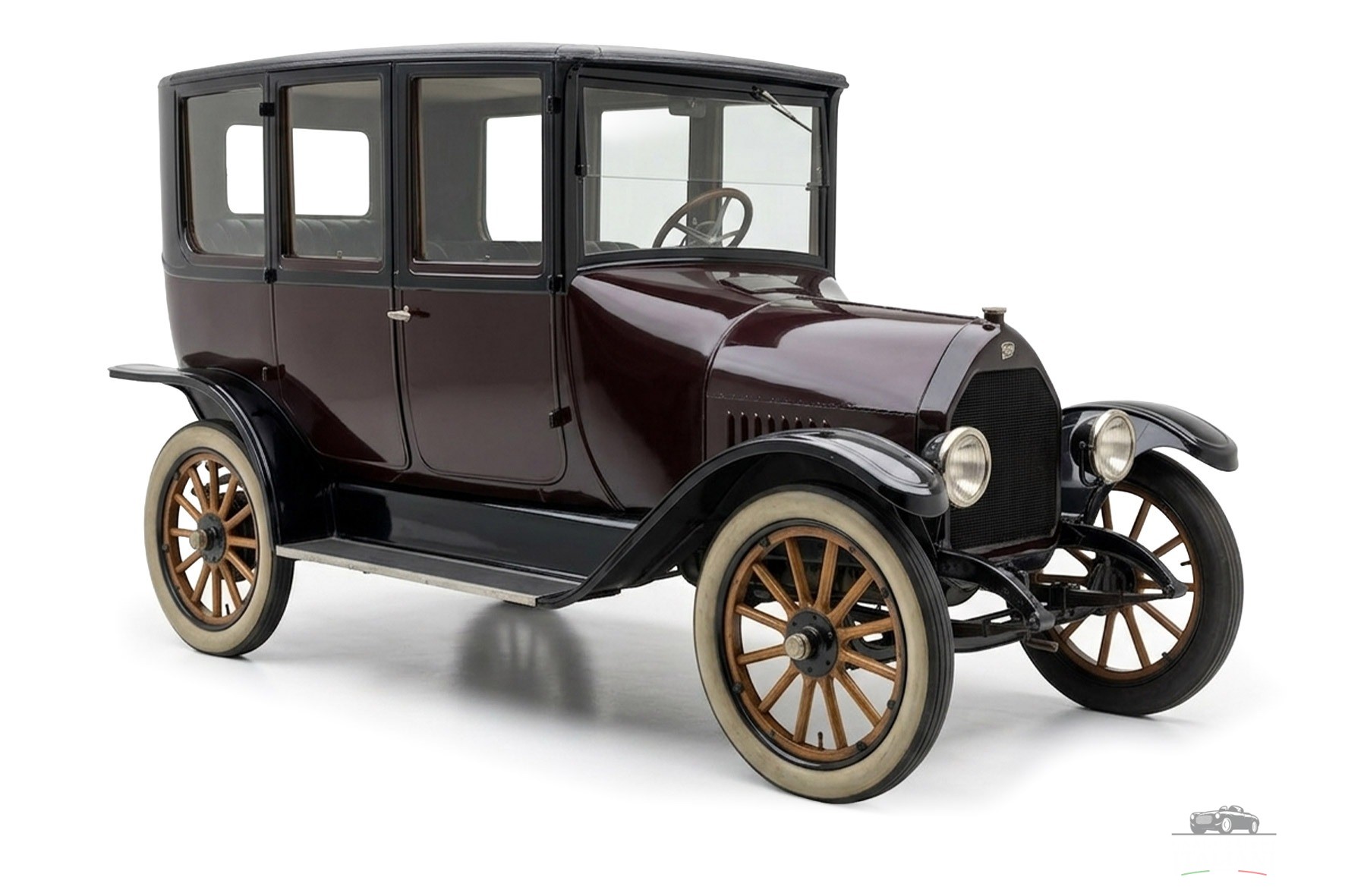
Related vehicles





FROM THE JOURNAL
Related Articles
Carrozzeria Balbo: The Forgotten One
Carrozzeria Balbo was one of Italy’s many independent coachbuilders that played a crucial role in shaping automotive design but never achieved widespread recognition. While names like Pininfarina and Bertone dominate discussions about…
Read story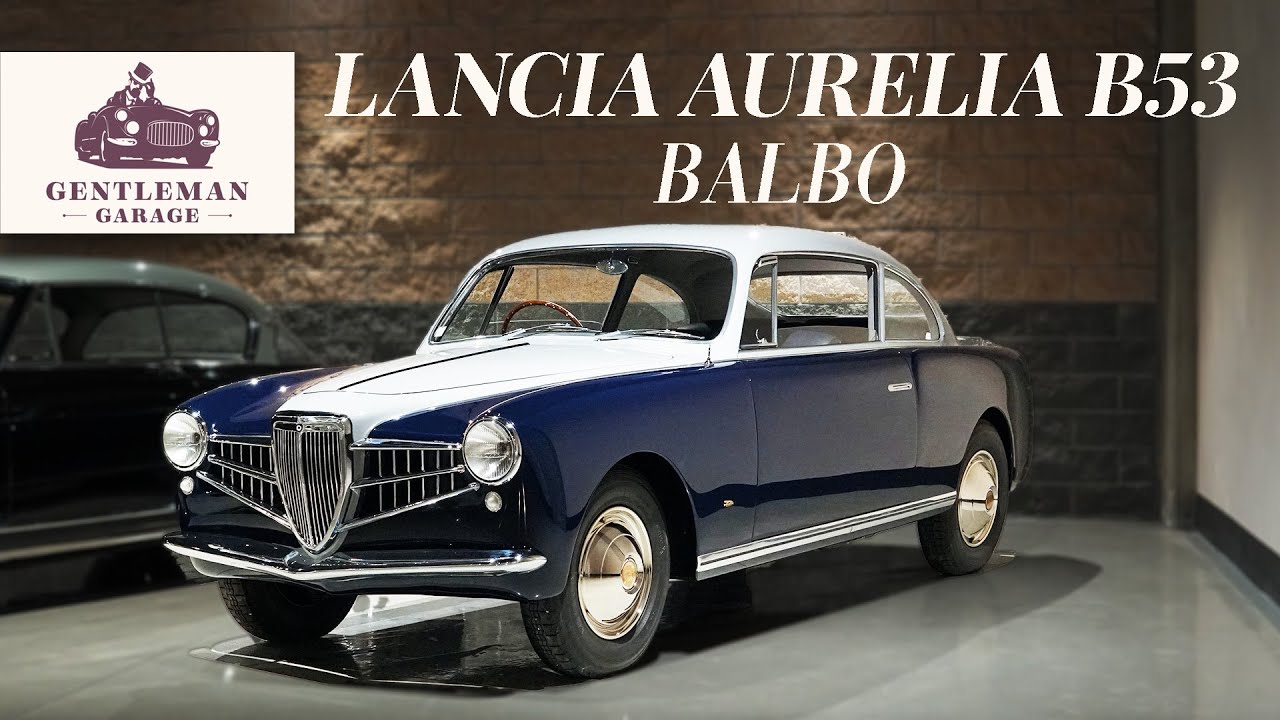
An Unmistakable Signature: The Lancia Aurelia B53 by Balbo ft. Emilio Lacchio Ep7
More unique than rare. The collector Emilio Lacchio presents this Lancia Aurelia designed by Franco Scaglione. Set up by the Carrozzeria Balbo, this model probably built in only 2 specimens carries with…
Read story
THE CONVERSATION
Comments 0