
Balbo
Founded in Turin by Alfonso Balbo, Carrozzeria Balbo produced coachbuilt bodies on Fiat and Lancia chassis, including special sporting and formal designs during the 1920s.
Explore record ↗
1919Coachwork by Balbo
THE VEHICLE AT A GLANCE
THE PEOPLE BEHIND THE CAR
Founded in Turin by Alfonso Balbo, Carrozzeria Balbo produced coachbuilt bodies on Fiat and Lancia chassis, including special sporting and formal designs during the 1920s.
Explore record ↗01 / THE STORY
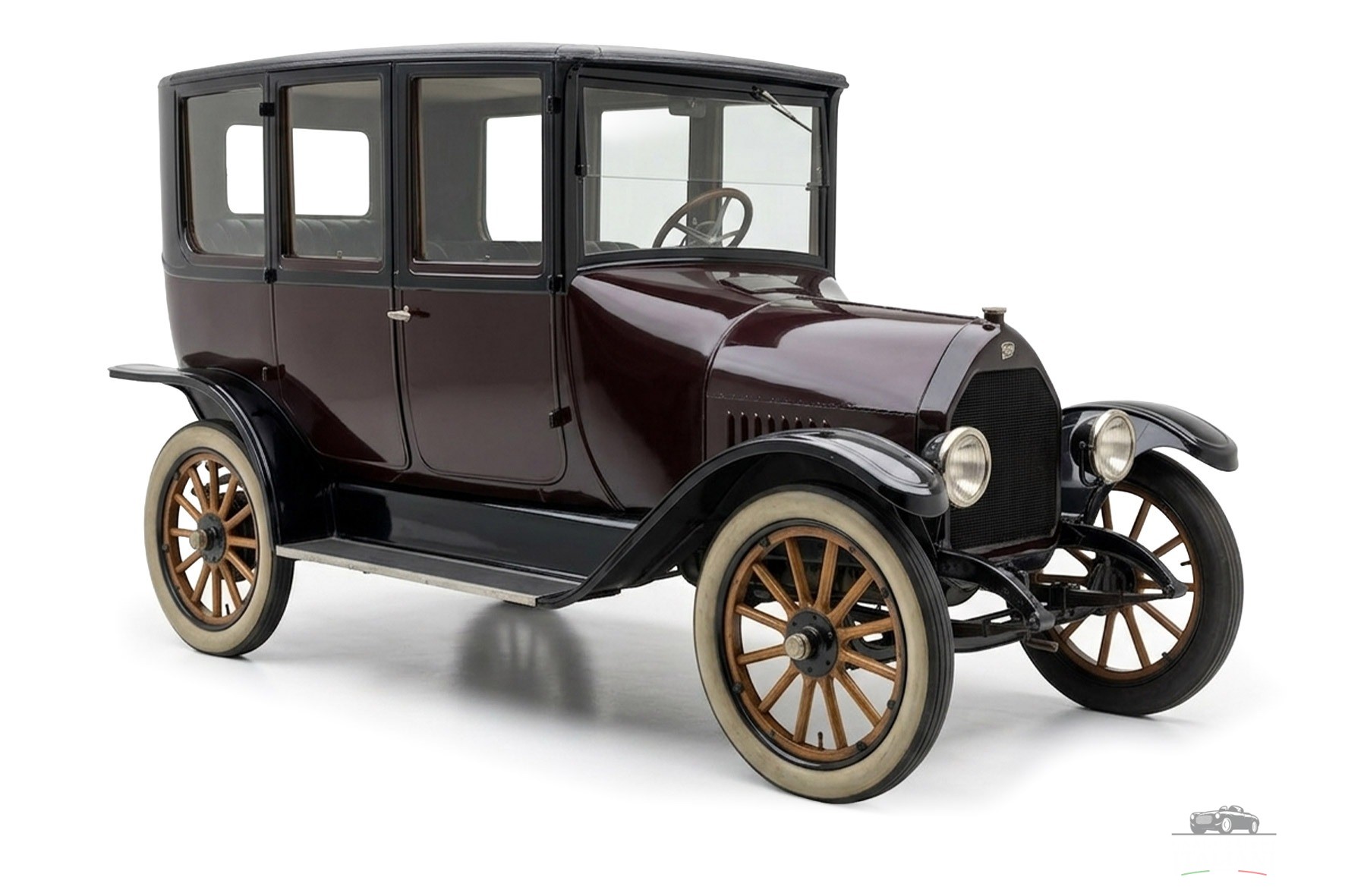
The Bianchi 5-10 HP Balbo was a coachbuilt light automobile constructed in limited numbers circa 1919, utilizing mechanical components manufactured by Fabbrica Automobili e Velocipedi Edoardo Bianchi of Milan. The vehicle was bodied by Carrozzeria Balbo, a lesser-known coachbuilder active in Northern Italy during the early interwar period. The 5–10 HP designation refers to the vehicle’s fiscal horsepower classification, commonly used in the Italian registration system during the early 20th century. The mechanical platform of the Bianchi 5–10 HP consisted of a front-mounted, inline four-cylinder petrol engine with side valves and natural aspiration. Estimated displacement was between 1,100 and 1,300 cubic centimetres. Power output ranged from 10 to 12 mechanical horsepower, delivered via a multi-plate clutch and a three-speed manual gearbox to a live rear axle. Chassis construction employed a pressed steel ladder frame, with semi-elliptic leaf springs at both front and rear. Braking was by mechanical external contracting drums at the rear wheels only. The electrical system was of the magneto type, with gas or acetylene lamps used for lighting in most variants. Carrozzeria Balbo applied a bespoke body to the standard Bianchi 5–10 HP rolling chassis. The specific configuration is not definitively recorded, but period references suggest an open two-seat torpedo or possibly a light phaeton arrangement. Body construction was typical of the period, consisting of hand-formed steel panels mounted over a wooden frame. The body was characterized by upright proportions, exposed running gear, and minimal trim. Interior appointments were sparse, with leather seating, a basic dashboard, and limited instrumentation. Production was minimal. Surviving documentation and coachbuilder listings indicate no more than five units were constructed by Balbo on this platform. No chassis numbers, engine serials, or period registrations have been confirmed. No known examples survive in public or private collections, and the vehicle is known solely through archival references in coachbuilder catalogues. The Bianchi 5–10 HP Balbo remains an obscure but illustrative example of early postwar Italian coachbuilding applied to light-duty mechanicals. It reflects the brief post-1918 period in which small-scale automobile production coexisted with individualized bodywork, preceding the widespread industrialization of car manufacturing in the 1920s.
02 / TECHNICAL IDENTITY
03 / DESIGN, BODY & SUPPLIERS
Coachbuilder / Design studio
Founded in Turin by Alfonso Balbo, Carrozzeria Balbo produced coachbuilt bodies on Fiat and Lancia chassis, including special sporting and formal designs during the 1920s.
Explore record ↗07 / GALLERY
THE CONVERSATION
Comments 0