
Casaro
AT A GLANCE
- Founded
- 1921
- Historical city
- Turin
- Country
- Italy
AWARDS & RECOGNITION
Palmarès
Vehicle awards
- Class wins
- 1
- Special prizes
- 1
2 vehicle award records
THE STORY
Overview
Carrozzeria Mario Casaro was a Turin-based Italian coachbuilding company established in 1921 by Mario Casaro, with Alberto Prinoli identified in historical accounts as a founding partner. The workshop developed special automobile bodies, particularly for Fiat and Lancia chassis, before progressively concentrating on commercial and passenger-transport vehicles. Its independent business history continued through reorganisations and ended with its absorption into the Viberti group in 1958; the subsequent SEAC operation belongs to the successor industrial phase.
Origins and early organisation
Mario Casaro had previously been involved with the Turin coachbuilding business associated with Nosenzo and the former Zaghetti workshop. The independent Casaro undertaking dates to 1921. Prinoli’s departure is generally placed in 1924. A surviving period advertisement identifies the workshop as Auto-Carrozzeria Mario Casaro at Via Thonon 7, Turin. Historical accounts subsequently place operations in Via Nizza, followed by premises associated with Corso Trapani and Via Stupinigi. These addresses refer to successive phases of the business and should not be treated as simultaneous headquarters without further documentation.
Passenger-car coachwork in the 1920s
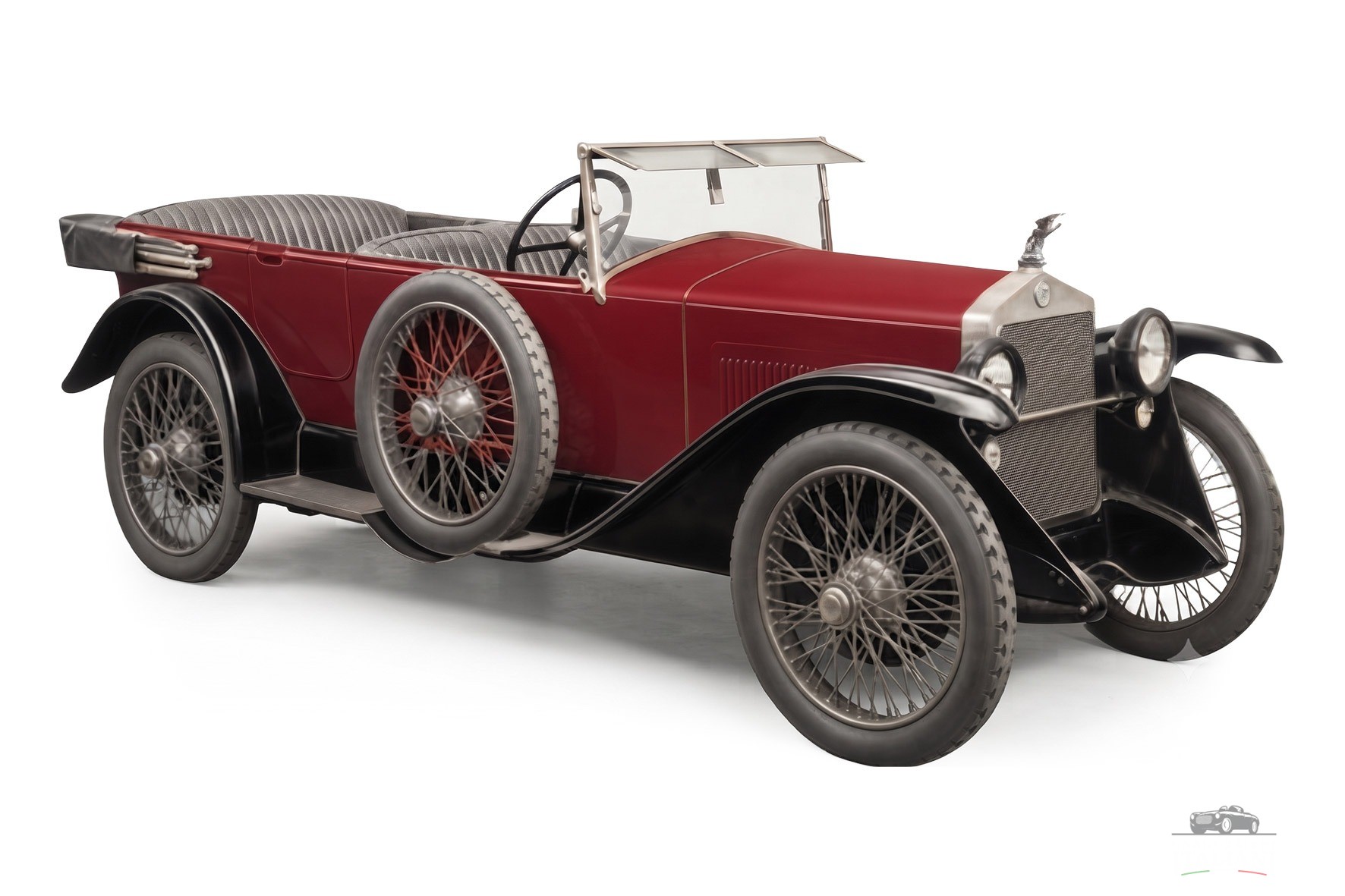
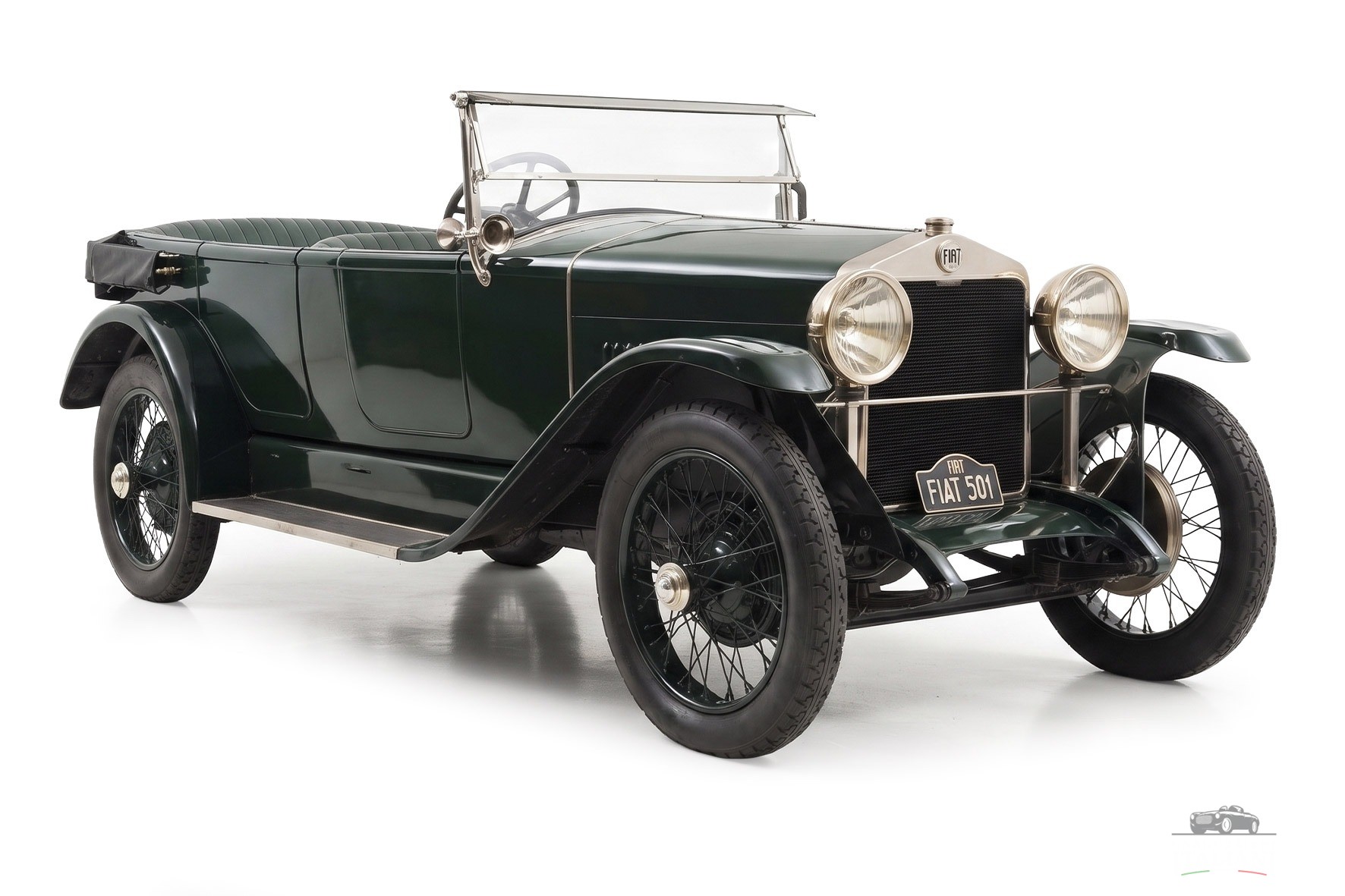
During the 1920s Casaro supplied bespoke and small-series bodies for Fiat and Lancia cars. Documented or historically attributed work includes the Fiat 519 Torpedo Sport, the Fiat 510 Coupé Gran Lusso, the Fiat 510 Torpedo and the Fiat 503 with Kelsch-type coachwork. Period automobile bodies also include Fiat 501, Fiat 509 and other Fiat variants, although surviving records do not establish precise production numbers or identities for every example.
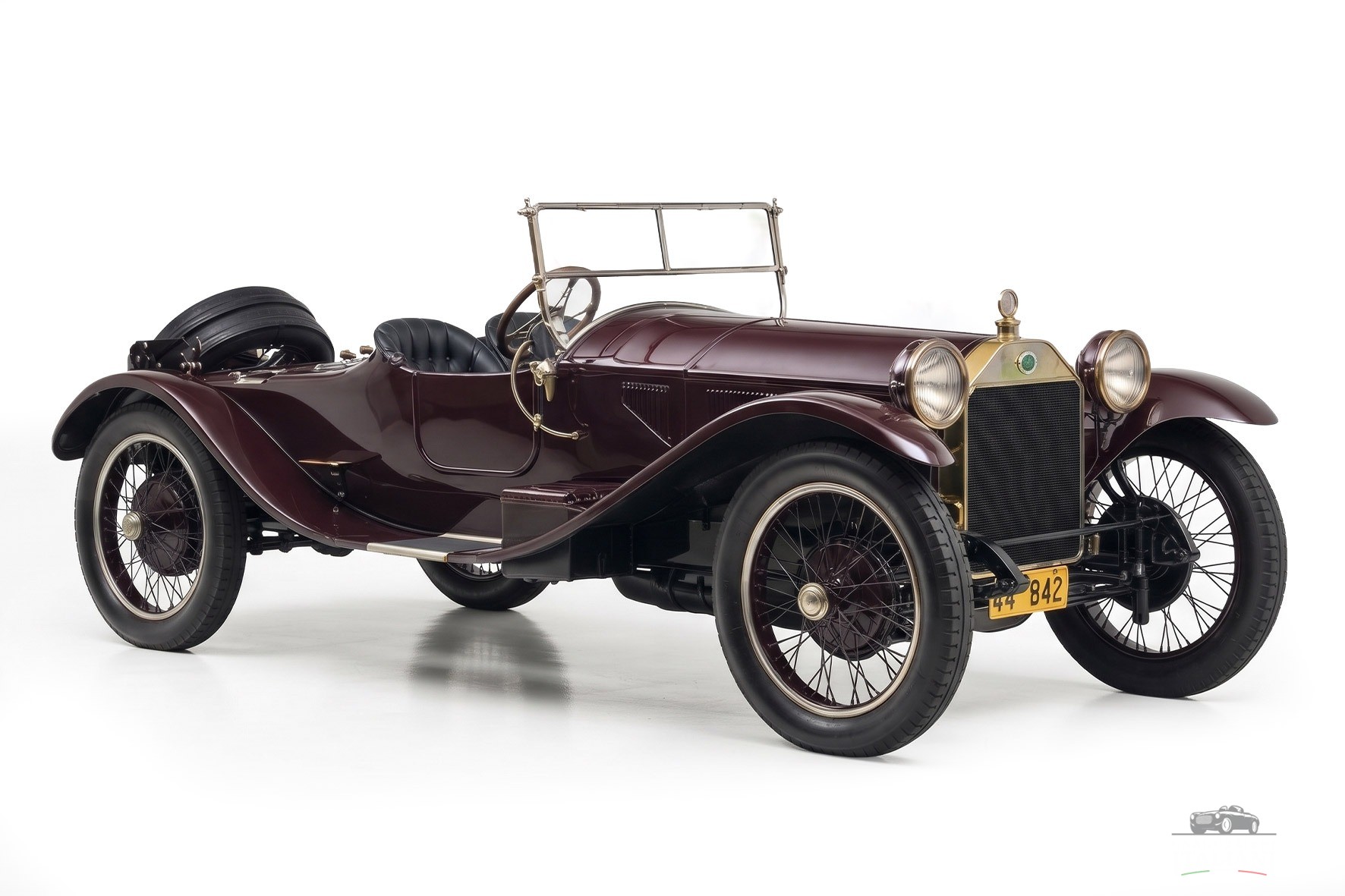
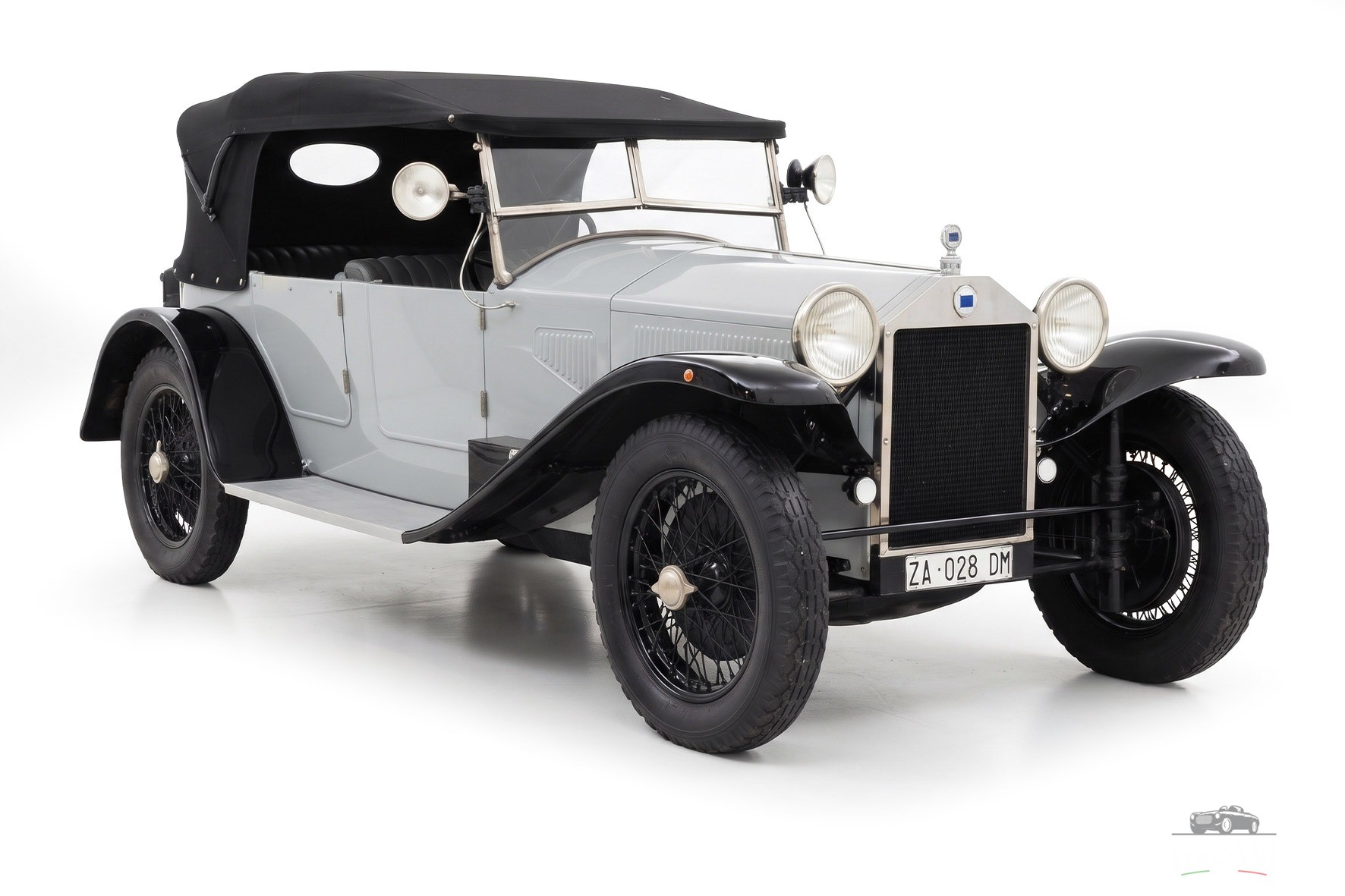
Casaro was particularly associated with the Lancia Lambda Spider. The company also produced other Lambda styles, including a later eighth-series Spider and Coupé Gran Lusso. Special-bodied Lambda cars were used in competition, including the 1928 Mille Miglia, but the sporting histories of individual chassis must remain distinct from the general history of the coachbuilder. The historical Lambda bodies are not one interchangeable model, and the surviving VII- and VIII-series cars must be identified separately.
The Kelsch system and associated suppliers
From the middle of the 1920s, Casaro became an Italian exponent of the lightweight body construction developed by the French coachbuilder Kelsch of Levallois-Perret. The system sought to reduce vibration and noise by separating some body movements from those of the underlying chassis. Contemporary advertising explicitly presented Mario Casaro as the Italian concessionaire of Carrozzeria Superleggera Kelsch. A period advertisement for a Fiat 503 describes an internally driven body with extensive visibility and aluminium pillars; it documents the marketed arrangement but not an individual chassis number or total production.
The Kelsch technique competed with the flexible Weymann system and formed an important part of Casaro’s technical identity. Its commercial use subsequently weakened as automotive body structures and market preferences changed. Historical accounts report that Carrozzeria Boneschi acquired rights to use the Kelsch method during Casaro’s financial difficulties; the precise contractual terms and date have not been independently established.
Reorganisation and coachwork in the 1930s
Financial difficulties at the end of the 1920s resulted in successive changes of ownership and organisation. The simplified assertion that Pininfarina bought the entire Casaro company in 1930 does not adequately describe this history. Battista Farina acquired workshop equipment and facilities associated with the earlier undertaking around the transition to the 1930s, while the Casaro name continued in a reorganised business linked in historical accounts to Ignazio Capello and the C.A.S.A.RO. or Carrozzeria S.A. Rotabili designation. Exact legal succession requires examination of corporate records.
Special passenger-car bodies continued during the 1930s, including the Fiat Balilla Aerodinamica, the Lancia Augusta Famiglia and an aerodynamic Lancia Astura Berlina. A Casaro advertisement in the February 1935 issue of L’Auto Italiana confirms continued marketing of special automobile bodies. The Turin designer Mario Revelli di Beaumont worked with several coachbuilders including Casaro; his connection with the firm’s Lancia Augusta programme is documented, but his authorship should not be assigned indiscriminately to all Casaro cars.
Industrial vehicles and the post-war period
Casaro increasingly produced bus and commercial-vehicle bodies. A specialist chronology reports acquisition of FAI, Fabbrica Automobili Italia, in 1938; this corporate transaction remains subject to documentary confirmation. During the Second World War, parts of the activity were transferred to Carmagnola and the firm worked on military vehicles. The post-war business used the name Autocostruzioni Casaro, with passenger buses and trolleybuses becoming its principal field of activity.
The Tubocar concept employed a load-bearing structure based on steel tubing, with lightweight exterior panels; specialist histories associate the method with a licensed American construction system. Casaro bodies appeared on Fiat, Alfa Romeo and Lancia commercial mechanical units, including examples in the Alfa Romeo 901/902 family and Lancia Esatau range. A historical account of the 1950 Bari automobile exhibition identifies a 49-seat bus with a rear-mounted engine and self-supporting body. The firm’s later work belongs to industrial body engineering rather than an extension of its earlier bespoke passenger-car catalogue.
Viberti acquisition and succession
In 1958 Casaro was absorbed by the Viberti group. The successor business operated as SEAC, Società Esercizio Autocostruzioni Casaro, and continued industrial vehicle production, with associations extending to bus and tramway bodies. SEAC’s later installations and products are related to Casaro’s industrial lineage but should not be catalogued as if the original 1921 coachbuilding company had remained legally unchanged. The acquisition year is not equivalent to a verified liquidation date for every company in the wider group.
KEY MOMENTS
Timeline
-
Foundation of Carrozzeria Mario Casaro
Turin, Italy
-
Carrozzeria Casaro enters insolvency and is restructured
Turin, Italy
-
Casaro adopts the Autocostruzioni Casaro identity
Turin, Italy
-
Viberti acquires Casaro
Turin, Italy
PEOPLE & DESIGN
Designers
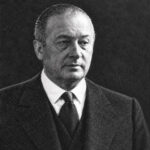
Mario Revelli di Beaumont
Mario Revelli di Beaumont was an Italian automotive designer, active from the interwar period to the postwar era. He collaborated with Stabilimenti Farina, Ghia, Viotti and Bertone, and worked on projects for Fiat and Simca.
Explore record ↗Vehicles at a glance
- Related vehicles
- 17
- One-offs
- 4
- Limited series
- 8
- Fuoriserie
- 5
CONTINUE EXPLORING



THE CONVERSATION
Comments 0