
Casaro
Carrozzeria Mario Casaro was a Turin coachbuilder established in 1921, noted for Fiat and Lancia special bodies and later bus construction.
Explore record ↗
1927Coachwork by Casaro
THE VEHICLE AT A GLANCE
THE PEOPLE BEHIND THE CAR
Carrozzeria Mario Casaro was a Turin coachbuilder established in 1921, noted for Fiat and Lancia special bodies and later bus construction.
Explore record ↗01 / THE STORY
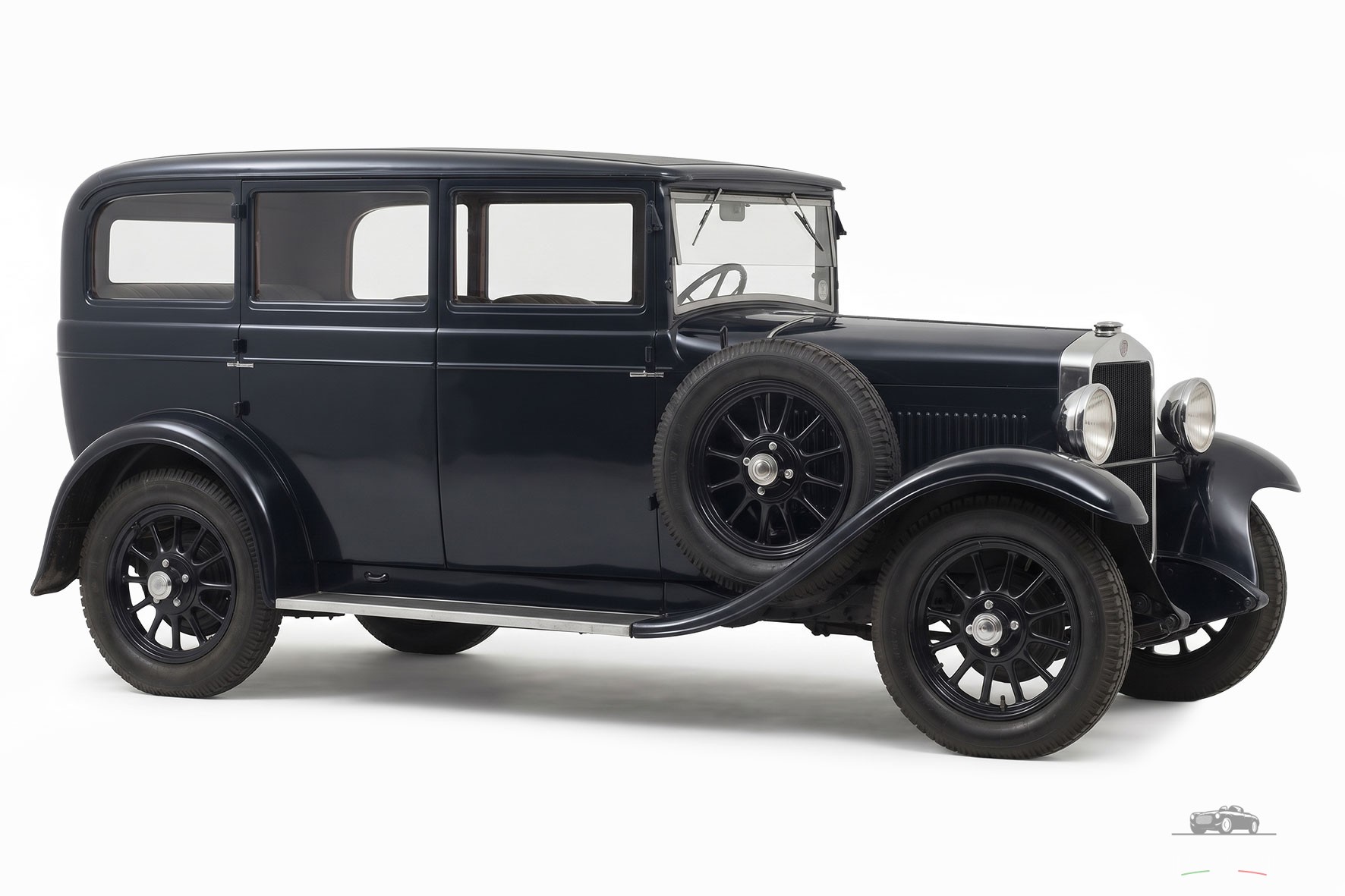
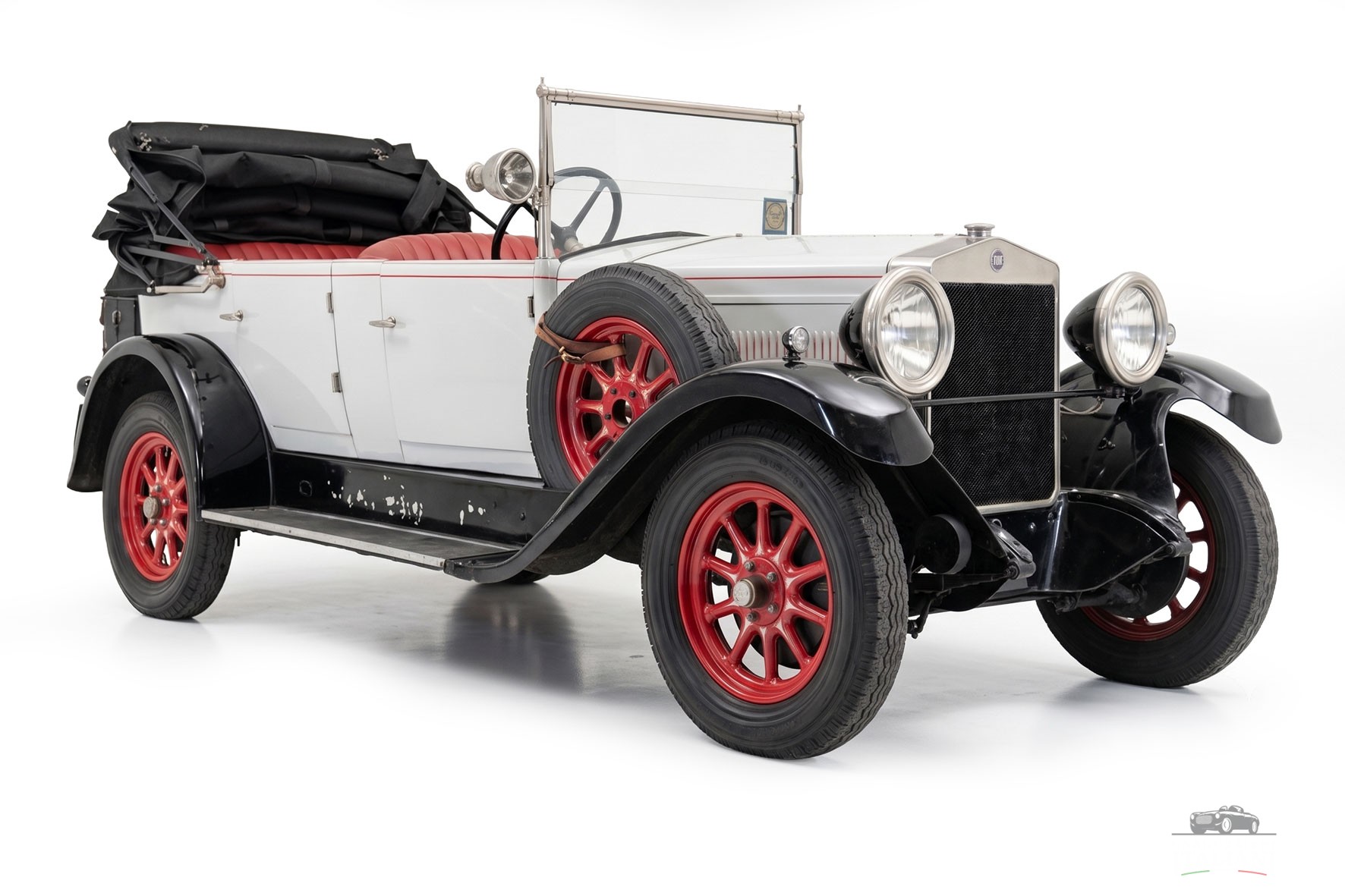
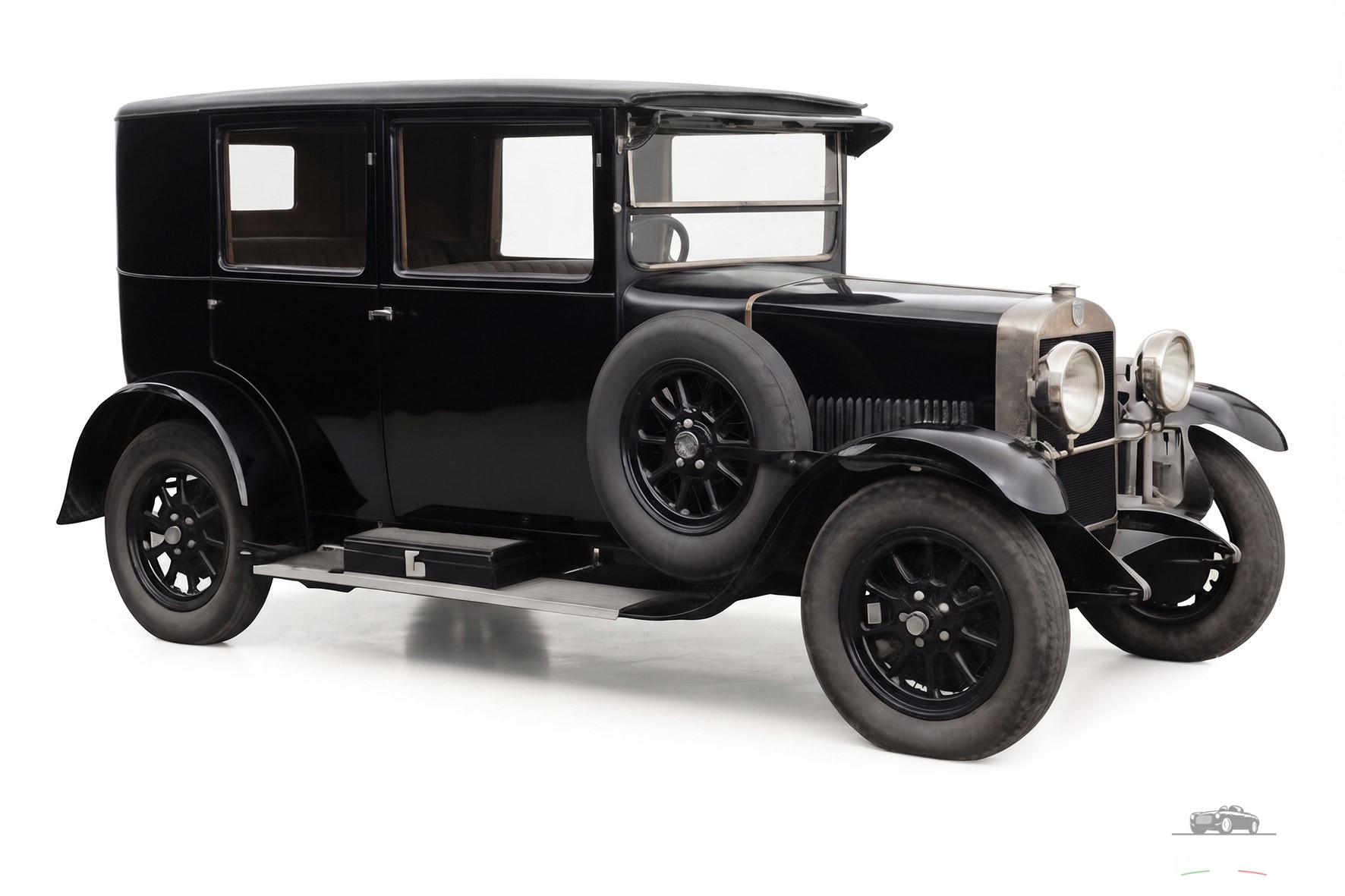
The Fiat 503 was produced in 1926 and 1927 as a development of Fiat’s established four-cylinder touring-car range. Its chassis and mechanical components provided a basis for several different styles of bodywork. During this period, specialist Italian coachbuilders also supplied bodies that differed from Fiat’s regular factory designs. A Fiat 503 bodied by the Turin firm Casaro is recorded for 1927 under the designation Kelsch.
Carrozzeria Mario Casaro had been established in Turin in 1921. By the middle of the decade the workshop was associated with lightweight coachwork using the French Kelsch patent. The system represented an alternative to the flexible Weymann body method, which was also used by coachbuilders in Italy. In the Fiat 503 designation, Kelsch identifies the construction system rather than the vehicle manufacturer, an individual designer or a second firm proven to have built the car.
The Kelsch method was intended to reduce the transmission of chassis movement to the passenger body, using a flexible mounting arrangement and lightweight construction. Period descriptions of the patented system discuss supports at three principal attachment points and the use of insulating materials. These characteristics describe the construction method generally; their precise implementation on the 1927 Fiat 503 Casaro has not been established.
The materials of this individual body remain uncertain. Accounts of the Kelsch system describe changes to outer-panel construction toward the end of the 1920s, including the later adoption of light alloy sheeting. Such developments cannot establish that this particular 1927 Fiat was entirely aluminium-bodied. The original body number, panel specification, door arrangement, paint colour, interior trim and individual designer are likewise unrecorded in the currently identifiable vehicle history.
The regular Fiat 503 employed a front-mounted 1,460 cc side-valve inline-four engine, with a quoted output of approximately 27 metric horsepower at 3,000 rpm. The standard car used a four-speed manual gearbox and rear-wheel drive, with drum brakes on all four wheels. Contemporary-model specifications also describe rigid axles and longitudinal leaf springs. These figures establish the mechanical background of the Fiat 503 chassis but do not independently identify the engine, transmission or running-gear condition of the Casaro-bodied example.
Published dimensions and weights for ordinary Fiat 503 bodies should not be treated as measurements of the Kelsch coachwork. The length, width, height, finished weight and individual wheelbase have not been verified for this Casaro version. Similarly, production totals given for the Fiat 503 as a whole do not indicate how many Kelsch-system bodies Casaro made on this chassis.
The known classification identifies a 1927 Fiat 503 with Casaro coachwork and a Kelsch-system designation, but no numbered chassis, registration, original purchaser or individual ownership sequence is securely associated with it. The available identification also does not establish a particular motor-show appearance, competition result, restoration or surviving car. Other Fiat 503 coachbuilt variants, including Weymann-type and alternative lightweight constructions, are distinct body projects and cannot be assumed to share the same physical chassis.
02 / TECHNICAL IDENTITY
03 / DESIGN, BODY & SUPPLIERS
Coachbuilder / Design studio
Carrozzeria Mario Casaro was a Turin coachbuilder established in 1921, noted for Fiat and Lancia special bodies and later bus construction.
Explore record ↗07 / GALLERY
CONTINUE EXPLORING



THE CONVERSATION
Comments 0