
Coriasco
AT A GLANCE
- Founded
- 1921
- Closed
- 2000
- Historical city
- Turin area
- Country
- Italy
THE STORY
Overview
Carrozzeria Coriasco was an Italian coachbuilding and commercial-vehicle body manufacturer based in the Turin area. Associated with Giovanni Coriasco and later Giuseppe Coriasco, the firm developed from a workshop supplying bodies for automobile chassis into a specialist producer of light delivery vehicles, ambulances, minibuses and special-purpose conversions. Most of its later products used Fiat mechanical components, but the company also undertook individual passenger-car bodies and experimental projects.
Origins and early coachwork
The origins of the enterprise are commonly dated to 1920, when Giovanni Coriasco attempted an initial workshop venture with his brothers. Accounts of a separate restart in 1921 should be distinguished from formal company incorporation, which requires documentary confirmation. The earliest workshop operated in Via Moretta, Turin. During the 1920s the business built or finished bodies on chassis associated with Ceirano, Fiat, Chiribiri, Diatto and Itala. Giuseppe Coriasco subsequently joined the family enterprise. By the middle of the decade the workshop had developed from supplying bodywork components towards complete specialized bodies.
Commercial-vehicle specialization
The economic crisis after 1929 and the contraction of independent motor manufacturers encouraged Coriasco to concentrate on practical coachwork for tradespeople, shopkeepers and travelling vendors. Vans, light goods bodies, market vehicles and later advertising vehicles offered more continuous demand than individual passenger-car commissions. The firm gained experience adapting vehicles for mixed passenger-and-goods transport, medical service and specialized commercial uses. This industrial activity formed the basis of its post-war reputation.
Post-war reorganization and the Fiat relationship
In 1948 Coriasco was reorganized as Carrozzeria Coriasco Autoveicoli Industriali and established premises in Via Salabertano, now Via Salbertrand, Turin. Historical accounts identify number 80, whereas a surviving promotional advertisement for the Fiat 1400 Giardinetta gives number 60. The discrepancy requires address-level reconciliation rather than an assumption that either reference is incorrect. Fiat became the company’s central supplier of mechanical platforms and production chassis.
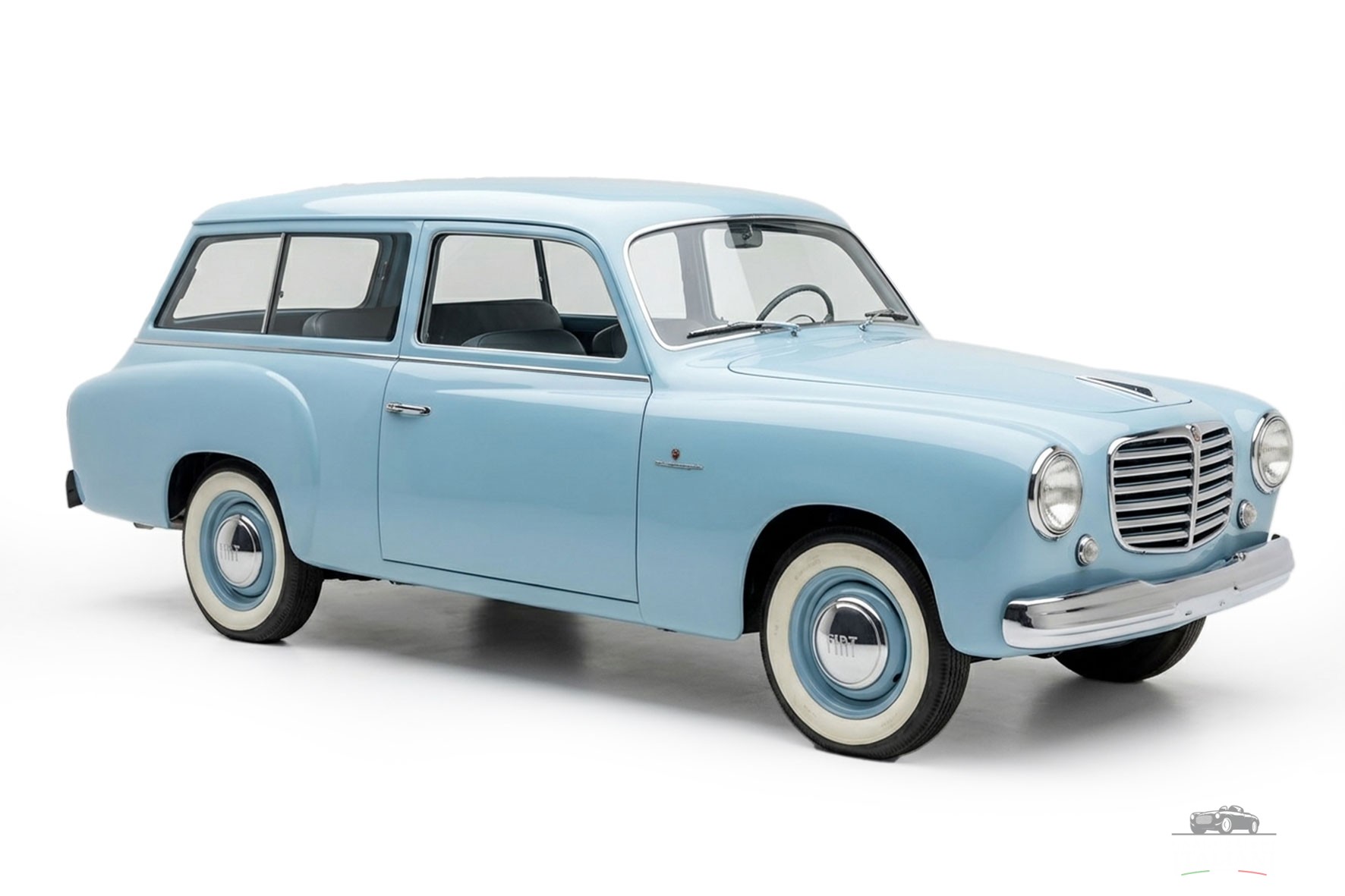
The Fiat 1400 Giardinetta Metallica of 1951 demonstrates Coriasco’s application of all-steel estate-car bodywork, with Giovanni Michelotti associated with the design. The Fiat 1100 E Giardinetta is separately documented in the Archivio Storico Michelotti; this does not establish his authorship of every Fiat 1100 transformation built by Coriasco. Other estate and specialist bodies included the later Fiat 1100 Giardinetta Coriasco.
Fiat 600 M and industrial-scale light vehicles
In 1956 the company introduced the Fiat 600 M Coriasco, derived from the Fiat 600 Multipla. The commercial family included enclosed delivery vans, pick-ups, ambulances and mixed passenger-and-load configurations. Historical surveys report total production exceeding 18,000 vehicles in this model family, a figure not attributable to an individual surviving chassis. Coriasco subsequently developed commercial bodies and conversions on Fiat 600 T, 850 T and 900 T bases. Its wider work encompassed minibuses, service bodies, school transport and vehicles designed around customers’ particular load and operational requirements.
Special commissions and the 1953 Boat-Car
Coriasco also produced individually commissioned special bodies. The 1953 Fiat 1100 Boat-Car was made as a road-going advertising vehicle for Scuola Nautica Scarani of Bologna. Its boat-like shape, portholes, lifebelts and varnished timber deck represented nautical imagery, but the vehicle was not amphibious. The surviving example belongs to the Louwman Museum. Auction evidence identifies it as Fiat chassis 627010, associated with a 1952 base vehicle, whereas the museum dates the completed special body to 1953. These two dates concern different stages in the same vehicle’s history. The distinctive commission reflects the firm’s expertise in advertising coachwork rather than a conventional passenger-car series.
A period sales leaflet also records the small Fiat 500 Giardiniera-based Ratin pick-up, offered with an open or enclosed load area. The document gives Pelligra Fratelli of Collegno as a commercial contact; this establishes a sales connection, not an independent coachbuilding or design attribution. The Ratin’s exact production span and number built remain unverified.
Pianezza and the Fiat 127 programme
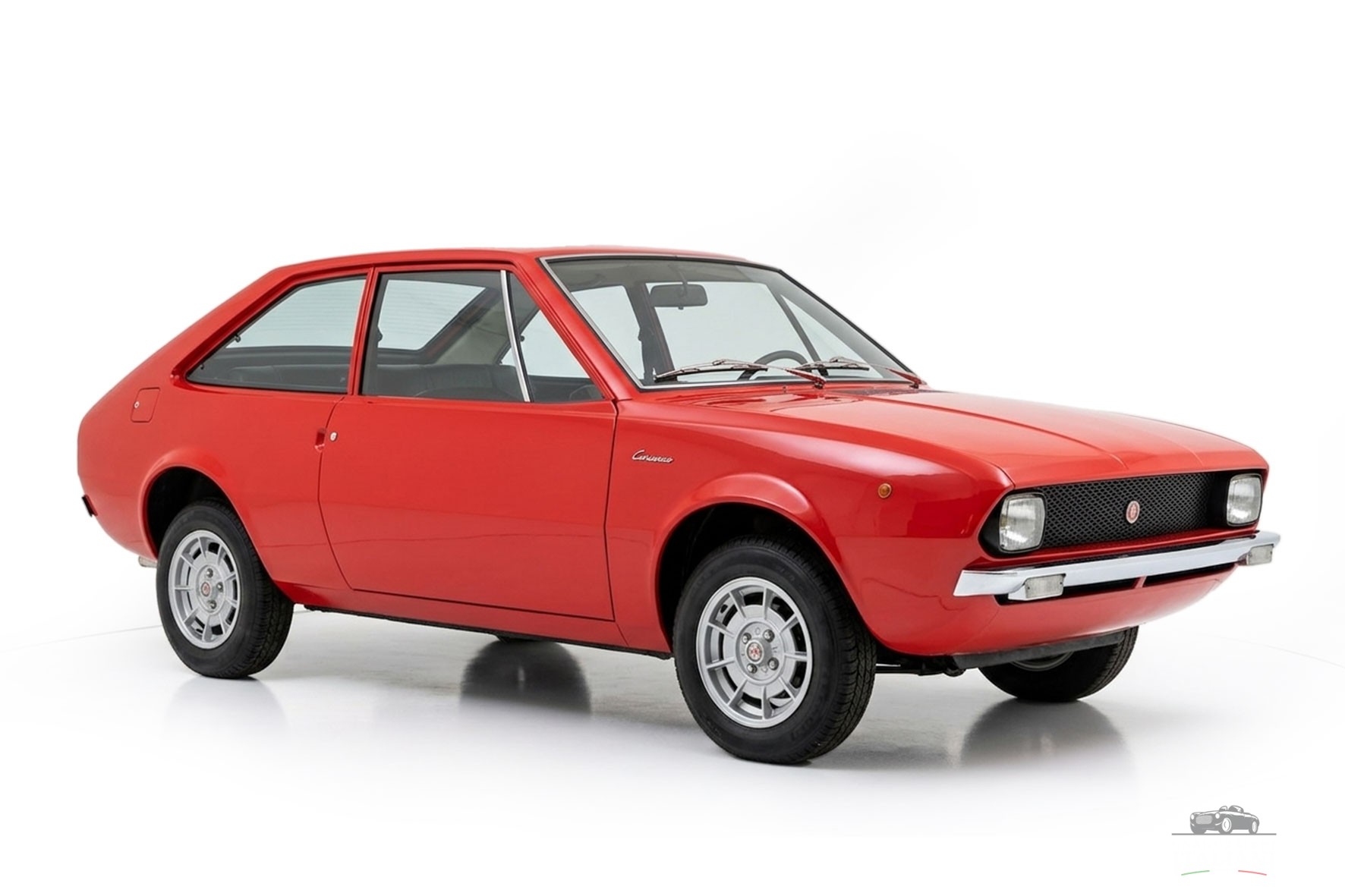
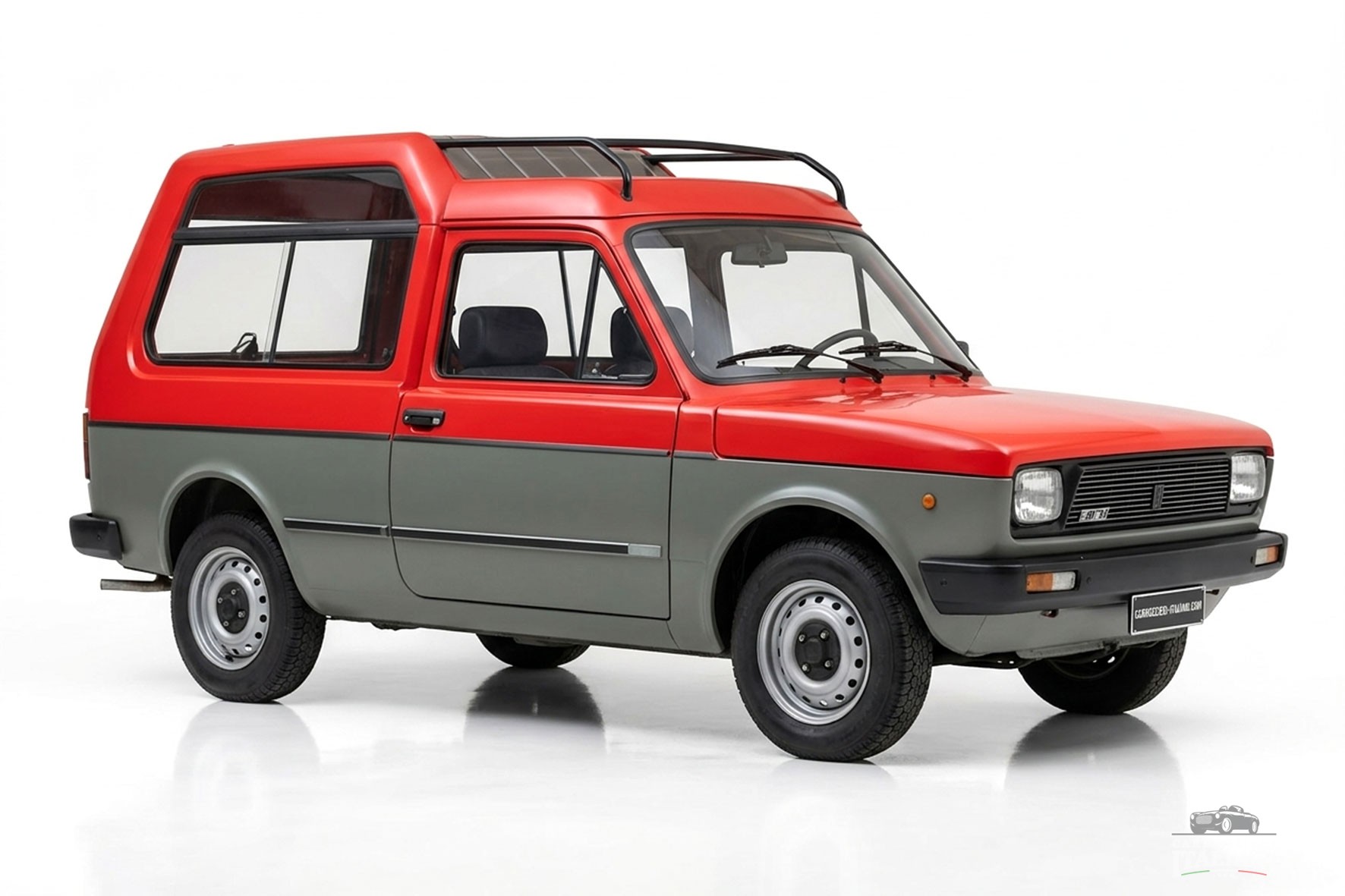
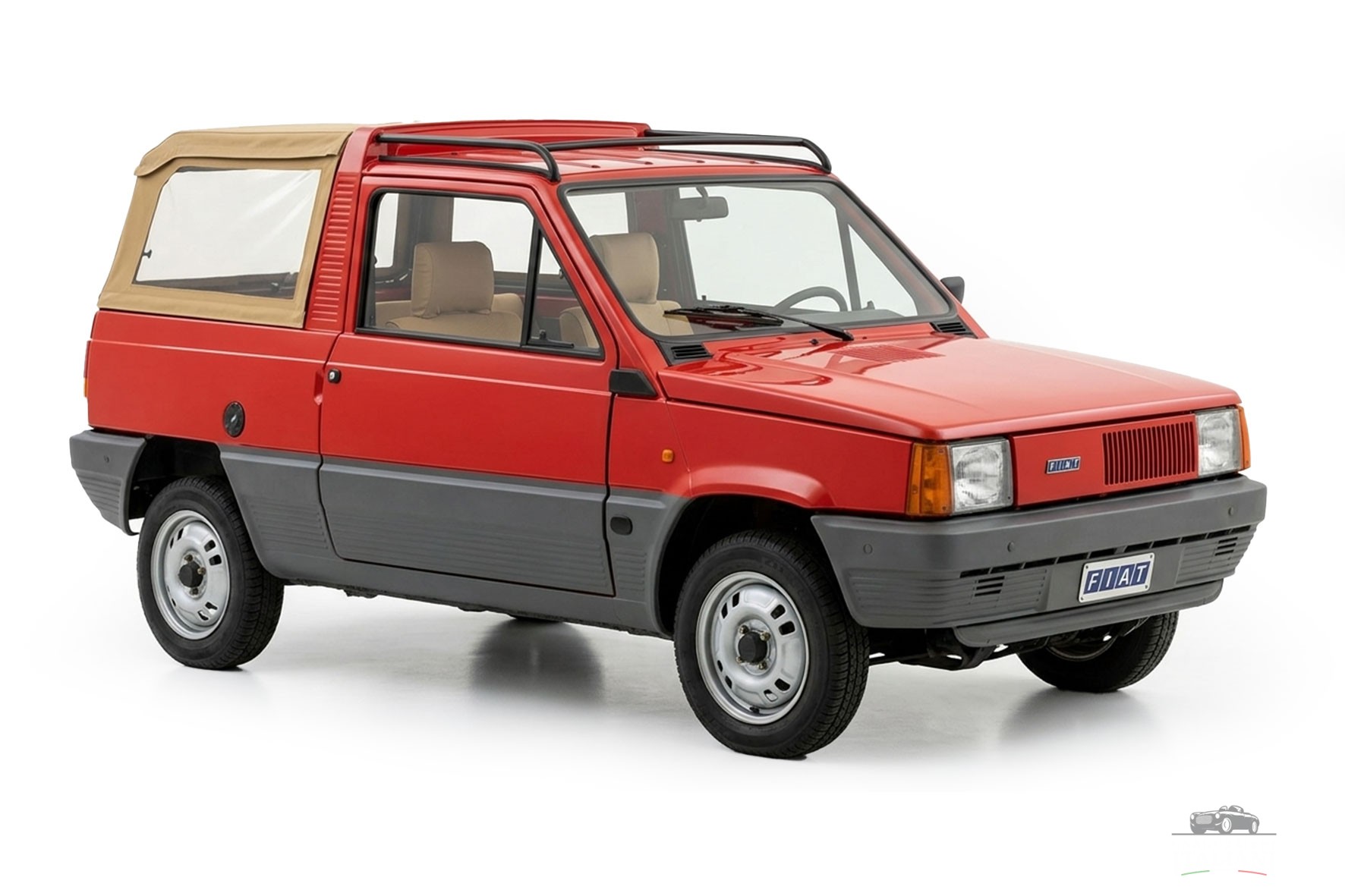
A second plant at Pianezza, west of Turin, opened around 1970 to support buses and other specialist vehicles. Coriasco’s 1971 passenger-car work included the Fiat 127 Coupé Coriasco and a 127 estate conversion. The original coupé should not be conflated with later restyling and display activity. The later Fiat 127 Familiare Comfort belongs to a distinct evolution of the estate programme, while the Fiat 127 Farm is documented in the later 1970s, with 1978 supported for its appearance rather than an earlier legacy date. Other utility conversions included the Fiat Panda Pick-Up.
Later management and Coriasco Style
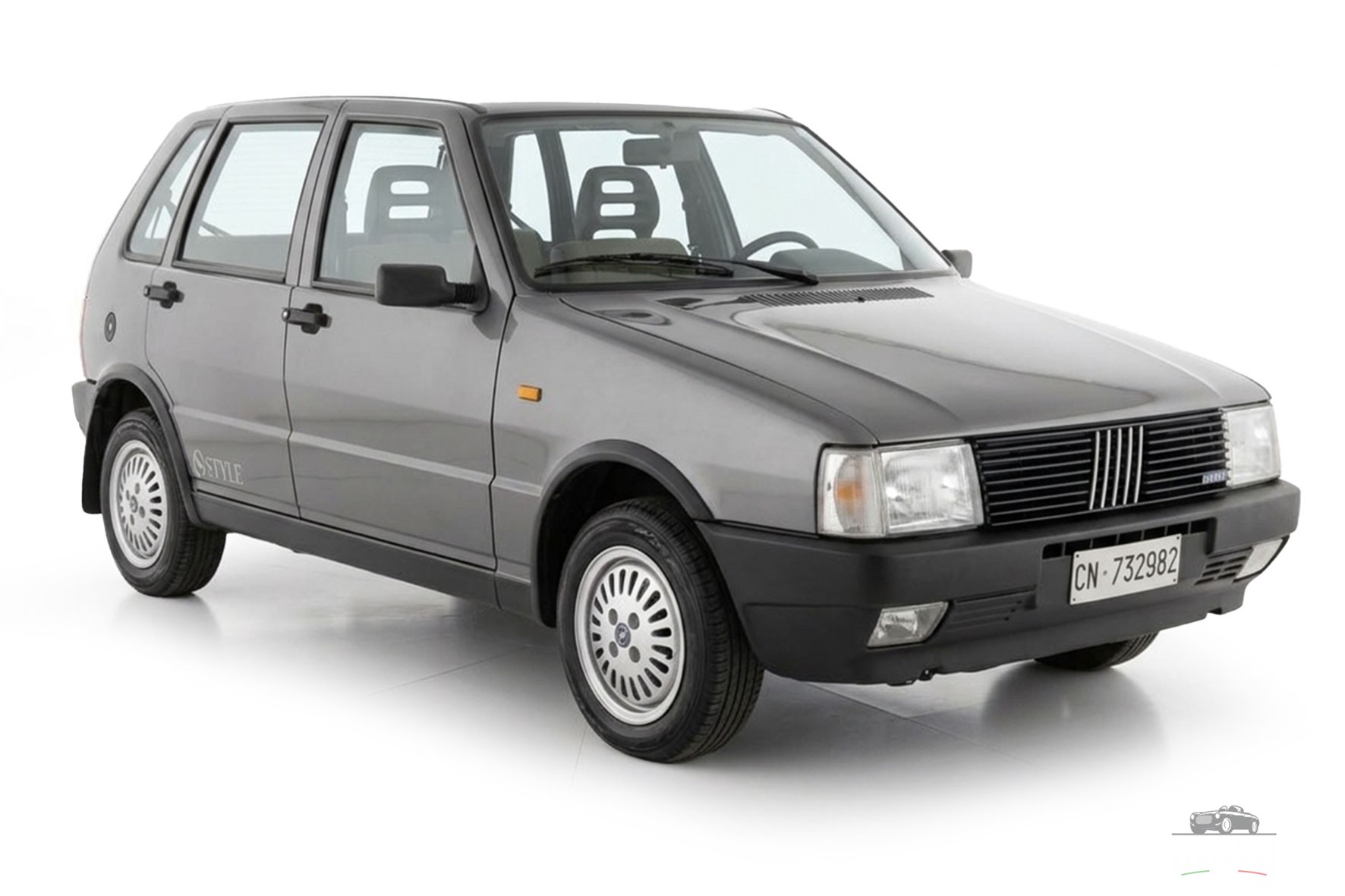
Following Giovanni Coriasco’s death in 1961, Giuseppe continued to direct the business. Cesare Bruno joined in 1978 and assumed a leading management role in 1986. The Coriasco Style activity pursued specialized styling and prototyping, limited-series exterior modifications and upgraded interiors for production cars. The Fiat Uno Style programme is documented from 1986; the separate later Fiat Uno Style record represents a subsequent model phase. Further examples comprise the Fiat Panda Style, Fiat Tipo Style, Lancia Thema Style and Autobianchi Y10 Style. Credits for original Fiat, Lancia or Autobianchi model designs must not be treated automatically as credits for Coriasco’s later conversions.
End of activity and historical assessment
Historical accounts place the end of Coriasco’s business activity in 2000, although its final legal corporate status and dissolution date require independent documentary verification. Across its different phases the company combined independent body construction, industrial vehicle adaptation and specialist passenger-car projects. Individual vehicle histories, serial numbers and production totals must be evaluated at the appropriate model or exact-chassis level, without transferring provenance or design attributions between superficially related conversions.
KEY MOMENTS
Timeline
-
Re-establishment of Coriasco
Turin area, Italy
-
Coriasco reorganizes as Carrozzeria Coriasco Autoveicoli Industriali
Turin, Italy
-
Death of Giovanni Coriasco
Italy
-
Coriasco opens a second factory at Pianezza
Pianezza, Italy
-
Cesare Bruno takes over leadership at Coriasco
Turin, Italy
-
Death of Giuseppe Coriasco
Italy
-
Carrozzeria Coriasco closes
Turin, Italy
PEOPLE & DESIGN
Designers
Ercole Spada
Ercole Spada (1937–2025) was an Italian automotive designer associated with Zagato, BMW and I.DE.A Institute and co-founder of Spadaconcept.
Explore record ↗
Giorgetto Giugiaro
Giorgetto Giugiaro is an Italian automotive and industrial designer whose career includes Italdesign and GFG Style, with a lasting influence on production-car and concept-car design.
Explore record ↗
Giovanni Michelotti
Giovanni Michelotti was a prolific Italian automotive designer whose independent Turin studio produced coachwork and production-car designs for Vignale, Triumph, BMW and numerous other manufacturers.
Explore record ↗Vehicles at a glance
- Related vehicles
- 14
- One-offs
- 2
- Limited series
- 10
- Fuoriserie
- 2
CONTINUE EXPLORING




THE CONVERSATION
Comments 0