
Coriasco
Turin coachbuilder active from the 1920s, producing Fiat-based delivery vehicles, estate conversions, advertising bodies and Coriasco Style cars.
Explore record ↗
1989Coachwork by Coriasco
THE VEHICLE AT A GLANCE
THE PEOPLE BEHIND THE CAR
Turin coachbuilder active from the 1920s, producing Fiat-based delivery vehicles, estate conversions, advertising bodies and Coriasco Style cars.
Explore record ↗Ercole Spada (1937–2025) was an Italian automotive designer associated with Zagato, BMW and I.DE.A Institute and co-founder of Spadaconcept.
Explore record ↗01 / THE STORY
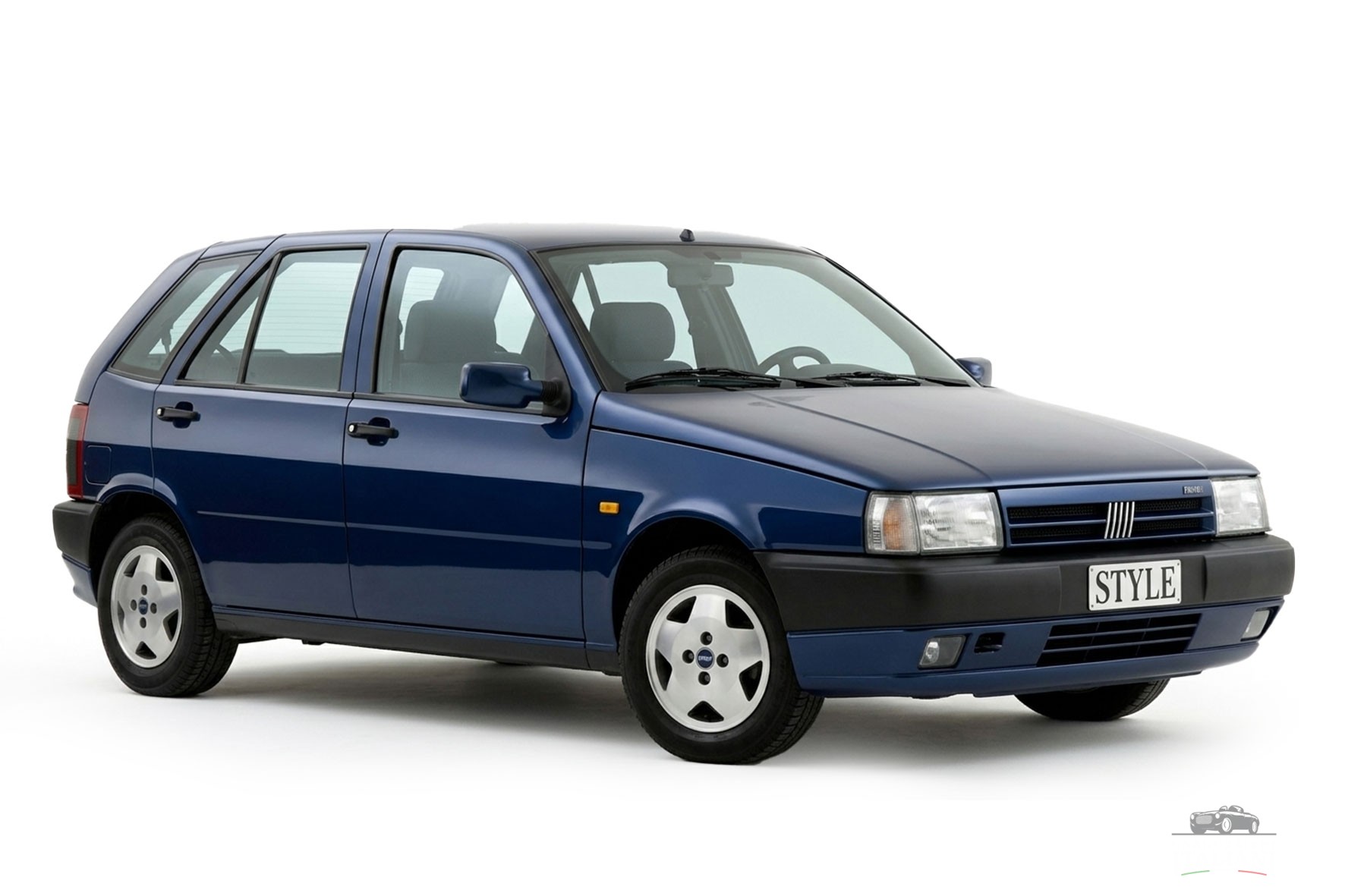
The Fiat Tipo Style by Coriasco, introduced in 1989, represents a limited-production derivative of the Fiat Tipo (Type 160) modified by Carrozzeria Coriasco, a Turin-based coachbuilder with a legacy extending to the early twentieth century. Known primarily for its adaptations of Fiat utility vehicles and light commercial models, Coriasco occasionally produced bespoke variants of passenger cars during the postwar and late-industrial periods. The Tipo Style occupies a niche position within this practice, combining mass-produced mechanical elements with individualized aesthetic treatment. Mechanically unchanged from the standard Fiat Tipo range, the Coriasco interpretation retained the transverse front-engine, front-wheel-drive configuration and utilized Fiat’s modular four-cylinder engine line, available in displacements from 1.1 to 1.6 litres depending on the donor vehicle. The mechanical architecture remained identical to the production model, including MacPherson strut front suspension, torsion beam rear suspension, and a five-speed manual gearbox. The intervention by Coriasco was confined primarily to the vehicle’s exterior and interior appearance. The Tipo Style featured paint schemes unavailable on the regular production line, often in dual-tone or satin finishes, and employed subtly modified plastic body elements including unique bumpers, sill extensions, and alloy wheels not shared with the base range. In the cabin, Coriasco applied improved upholstery materials, modified door trims, and occasionally installed re-trimmed dashboard surfaces or additional instrumentation. These changes were intended to elevate the perception of quality while maintaining the functional identity of the original design. The production of the Fiat Tipo Style was not serialized and did not involve a unique chassis numbering sequence; individual vehicles were completed on demand or in very small batches, making documentation sporadic. Surviving examples are infrequent and are typically identified by coachbuilder plaques or registration documentation. No known chassis numbers have been consistently associated with the model, nor are any specific examples publicly attributed to notable individual ownership. The Tipo Style by Coriasco exemplifies a late expression of the Italian carrozzeria tradition, wherein mainstream vehicles were adapted to meet niche market demands through artisanal modification. It exists as a minor yet illustrative chapter in the history of postwar Italian coachbuilding, situated at the threshold of the industry’s gradual shift toward industrial consolidation and the decline of low-volume exterior customization.
02 / TECHNICAL IDENTITY
03 / DESIGN, BODY & SUPPLIERS
Coachbuilder / Design studio
Turin coachbuilder active from the 1920s, producing Fiat-based delivery vehicles, estate conversions, advertising bodies and Coriasco Style cars.
Explore record ↗Designer
Ercole Spada (1937–2025) was an Italian automotive designer associated with Zagato, BMW and I.DE.A Institute and co-founder of Spadaconcept.
Explore record ↗07 / GALLERY
THE CONVERSATION
Comments 0