
I.DE.A Institute
AT A GLANCE
- Founded
- 1978
- Closed
- 2019
- Historical city
- Turin
- Country
- Italy
AWARDS & RECOGNITION
Palmarès
Vehicle awards
- Car of the Year
- 1
- Design awards
- 1
2 vehicle award records
Car Design Award Production
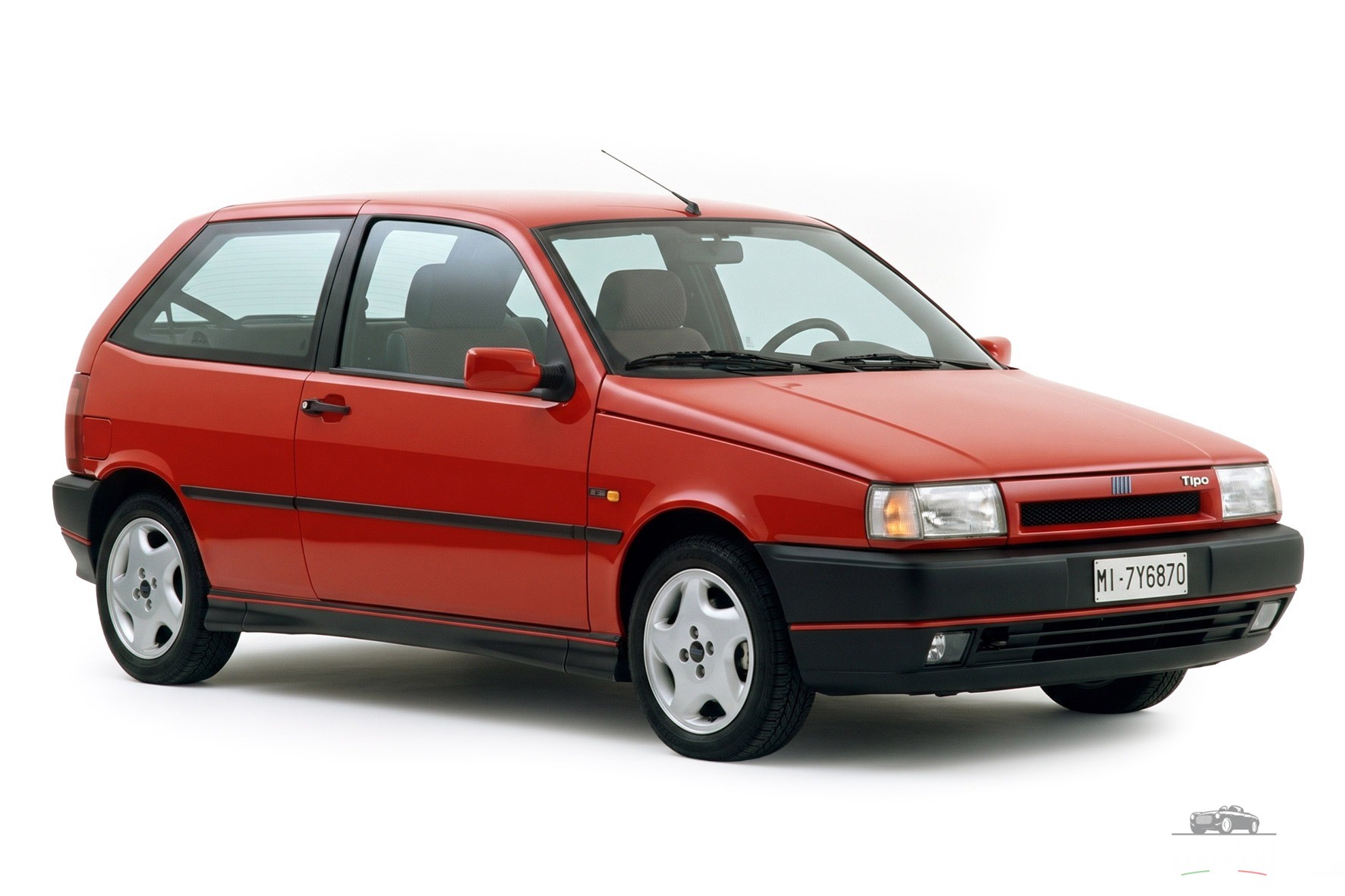
Fiat Tipo1989 Car Design Award Production
Production
Europe Car of The Year
Fiat Tipo
THE STORY
Overview
I.DE.A Institute (Institute of Development in Automotive Engineering) was an Italian vehicle design, engineering and prototype-development organisation founded in the Turin area in 1978 under Franco Mantegazza, with early contributions from Renzo Piano and Peter Rice. It developed research vehicles and design programmes for international manufacturers before the corporate crisis and bankruptcy of 2019.
Identity, foundation and organisation
I.DE.A Institute (Institute of Development in Automotive Engineering) was an automotive design, engineering and prototype-development company established in 1978 in the Turin area. Franco Mantegazza directed the organisation, which emerged from a Fiat-sponsored research programme involving architect Renzo Piano and structural engineer Peter Rice. The original research centre was located in an eighteenth-century villa in the hills of Moncalieri, near Turin. The historical account preserved by the Fondazione Renzo Piano identifies Mantegazza as administrator, Piano as director and Rice as vice-president of the institute established for the Fiat VSS project. Their respective managerial and technical roles should not be confused with the legal shareholding of subsequent companies. The precise incorporation day reported in some secondary accounts remains to be corroborated by a primary company-register document.
Research engineering and the Fiat VSS
The institute was created to unite styling, structural engineering, manufacturability, feasibility studies and physical prototype construction. In 1978 Fiat executive Nicola Tufarelli commissioned Piano and Rice to study a vehicle using unconventional materials and assembly methods, with a target of reducing weight by at least twenty per cent. The result was the Fiat VSS (Vettura Sperimentale a Sottosistemi), developed around a modular structural approach in which body and subsystems could be conceived and assembled separately. The VSS was a research prototype rather than a production model. The project included work by Piano, Rice and their engineering collaborators; attributing every design or engineering decision to a single author would be inaccurate. The original twenty-per-cent figure was a development objective and is not presented here as an independently verified production measurement.
Production-vehicle design during the 1980s
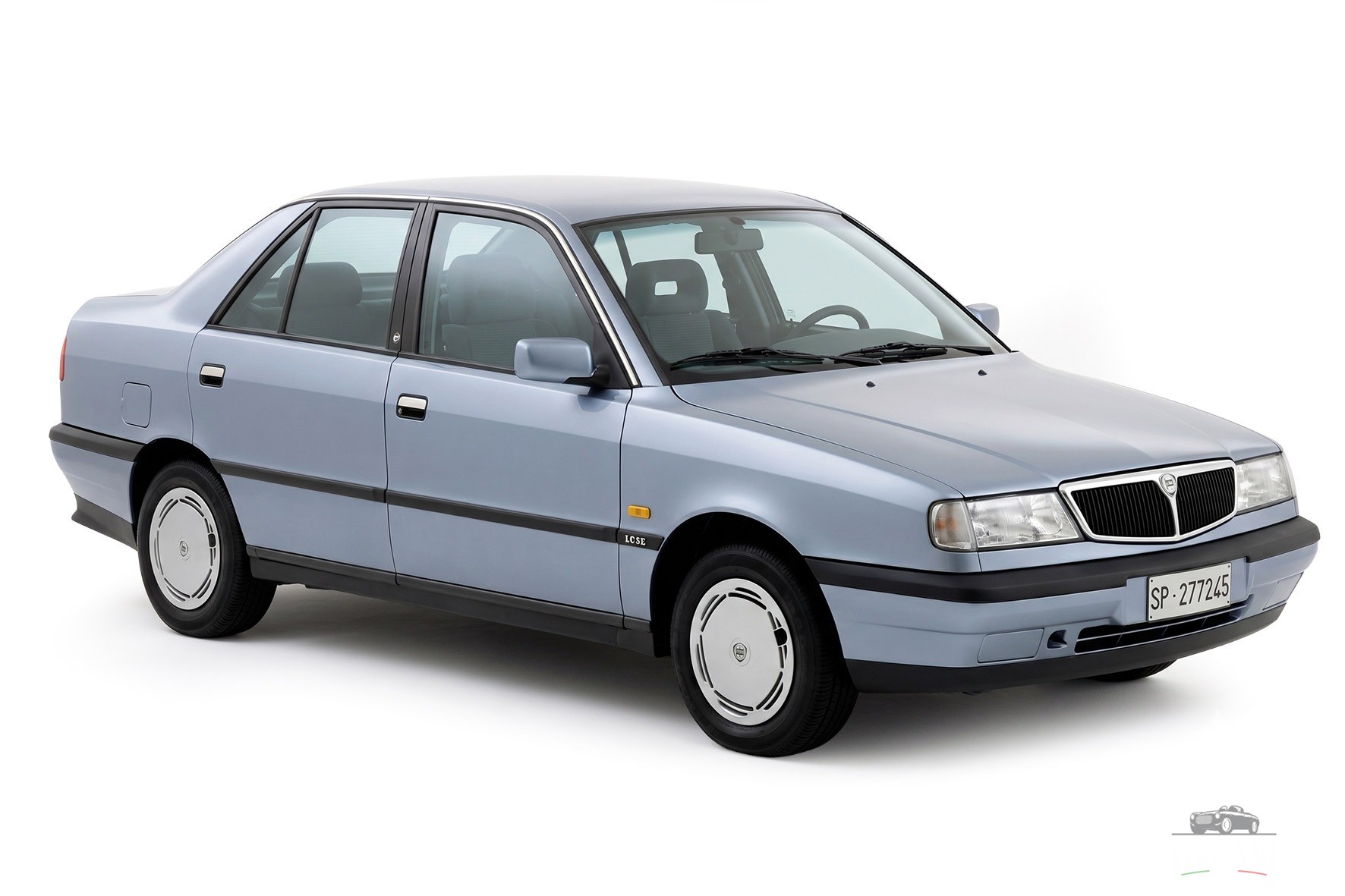
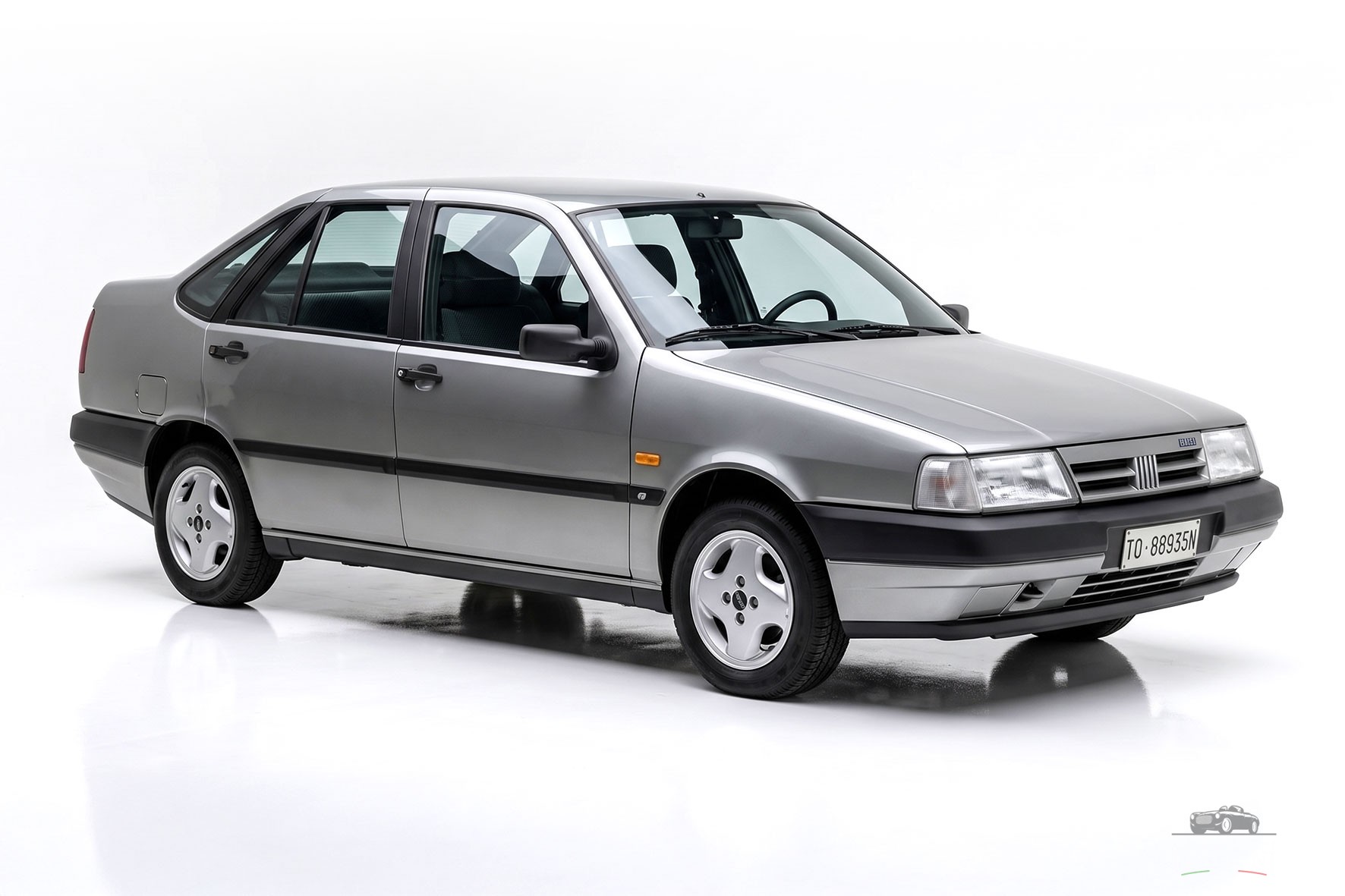
The studio expanded from experimental research into the industrial design and development of series vehicles. Ercole Spada joined in 1983 and served as a major figure in the institute’s design activities during the following decade. Projects associated with I.DE.A included the Fiat Tipo (1988), Lancia Dedra (1989) and Fiat Tempra (1990). These cars were manufactured by their respective automotive producers, not as a coachbuilt production run by I.DE.A. The institute’s contribution lay in styling, vehicle architecture, development or technical collaboration according to each programme. Contemporary work also encompassed specialist prototypes and body studies, illustrating the company’s ability to provide more than surface design.
Development programmes in the 1990s
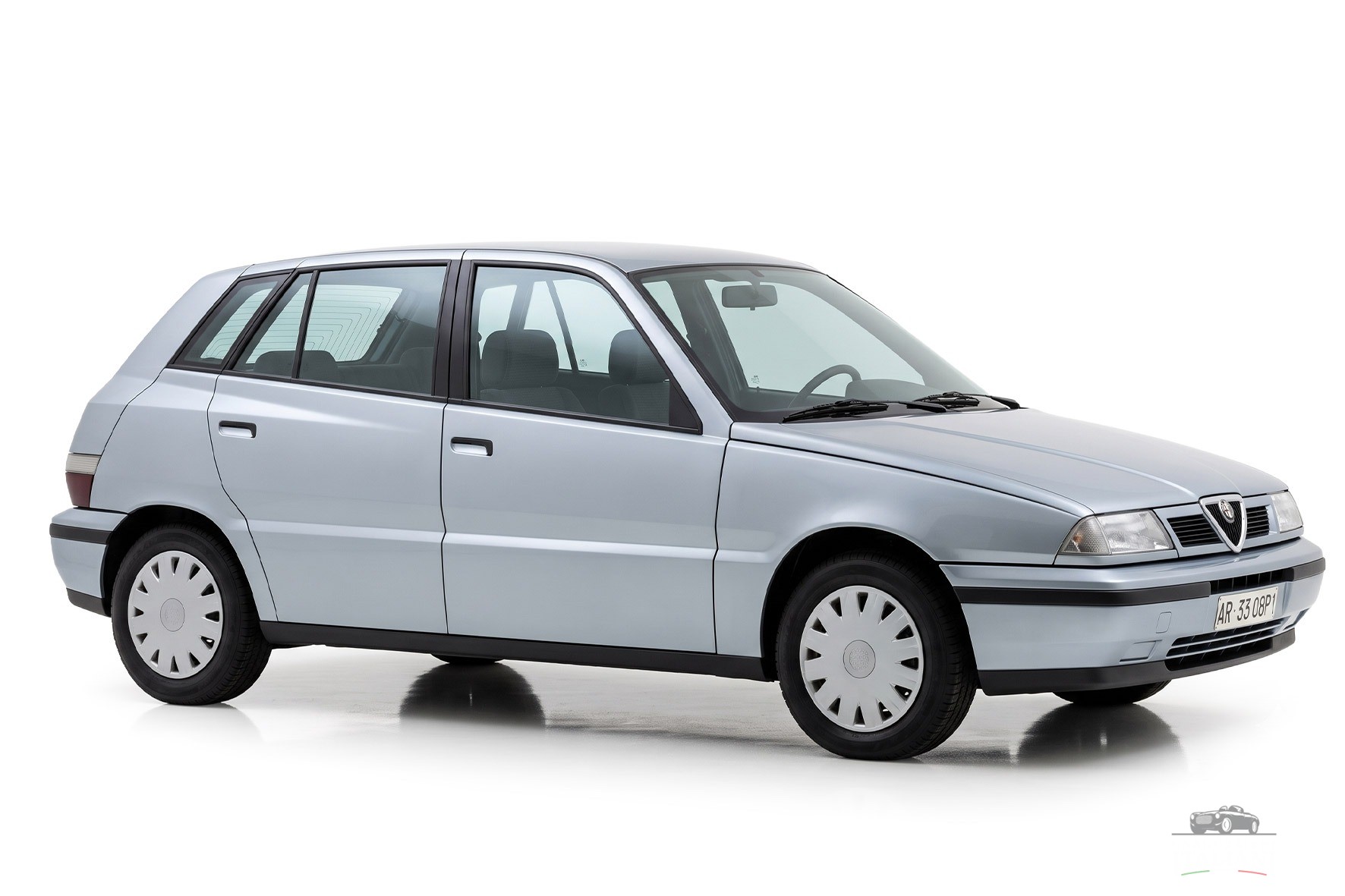
The 1990s brought a broader portfolio of manufacturer commissions and concept studies. The Alfa Romeo 155 (1992), second-generation Lancia Delta (1993), Nissan Terrano II (1993) and Lancia Kappa (1994) are among the programmes associated with the Turin institute. The Delta reference concerns the 1993 Type 836 generation, not the 1979 Delta designed by Italdesign. Some projects involved more than one design department; the names of individual designers must be assessed at the programme level and should not be assigned automatically from the institute’s corporate authorship. Independent studies included the Fiat Cinquecento Griguà (1992), the I.DE.A proposal for the Fiat Marea Berlina and the I.DE.A Gritta (1994). The Marea proposal must be distinguished from the design selected for series production.
International clients, prototypes and body construction
I.DE.A became active with manufacturers outside Italy, including Daewoo, Daihatsu, Kia and Tata. Its work is associated with the first-generation Fiat Palio, the Daewoo Nubira hatchback and Nubira wagon. For Tata’s Indica, Tata Group’s company history credits its Engineering Research Centre with finalising the vehicle design in collaboration with I.DE.A; Tata retained responsibility for its programme and industrial manufacture. The institute also undertook experimental styling, development and commissioned prototype construction. The Ferrari PPG Pace Car of 1987 and KAZ experimental electric vehicle are examples of projects requiring precise differentiation between design originator, commissioning organisation and physical prototype builder. For KAZ the initiating research project was associated with Keio University, while I.DE.A received a manufacturing commission. Neither example establishes I.DE.A as the manufacturer of a corresponding series automobile, and unverified individual chassis numbers have not been assigned.
Own-name concept vehicles and later technical work
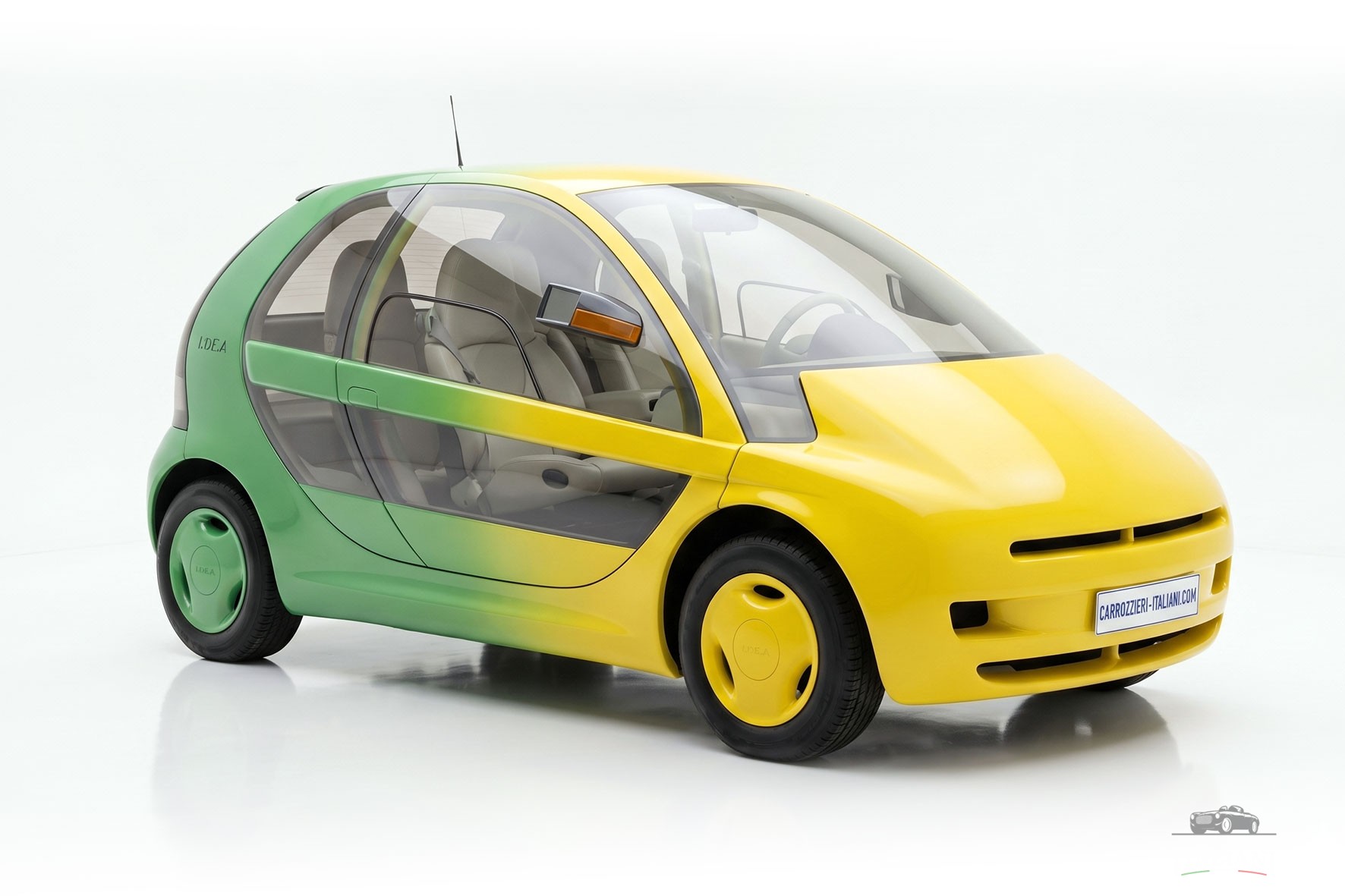
The institute also used its own name for studies intended to demonstrate expertise in passenger-car packaging and future propulsion. These included the IDEAone shown in 1999, I.DE.A ERA (2008) and I.DE.A Sofia (2010). They represented separate projects, not successive production generations of one model. The company’s portfolio included collaboration on manufacturer-led studies such as the Fiat Panda Marrakech and other design or prototyping commissions. The exact engineering scope and physical construction responsibility must be documented independently for each vehicle; identifying a project in an institute portfolio alone does not prove sole design authorship, ownership or body manufacture.
Ownership, restructuring and facilities
The enterprise underwent repeated corporate reorganisations after its original independent period. Published histories describe a phase under the Swiss Rieter group, a sale to Quantum Kapital in 2010, acquisition by MPS Automotive in 2012 and a subsequent separation from ModelMaster in 2014, when the company traded under a revised corporate form. Because the legal relationships and dates are not uniformly described in the available accounts, this sequence is a historical outline rather than a verified, continuous chain of legal entities. The firm maintained operations in the Moncalieri area but facilities changed during its later restructuring. Further company-register work is required before treating any change of ownership, address or legal form as an exact statutory event.
Electric-vehicle programmes and the end of activity
In the 2010s the company pursued electric-vehicle development alongside its established design and engineering services. It presented the E-Legante and e-Voluzione at the 2016 Turin Parco Valentino exhibition. In March 2018 the LvChi Venere electric concept was exhibited at Geneva. Contemporary reporting distinguished the paid design contract with Chinese company Lvchi from a proposed acquisition of I.DE.A that was not completed. Reports published in 2019 describe the company entering bankruptcy proceedings and its employees subsequently receiving extraordinary wage-support measures. The recorded closure year is therefore 2019, with bankruptcy as its scope, rather than a retroactively assumed date for the end of each project or every successor activity. The institute’s history spans industrial styling, vehicle engineering and prototype construction; the role it performed must remain specific to each associated vehicle.
KEY MOMENTS
Timeline
-
Birth of Renzo Piano
Genoa, Italy
-
Foundation of I.DE.A Institute
Turin, Italy
-
Quantum Kapital acquires I.DE.A Institute
Italy
-
MPS Automotive acquires I.DE.A Institute
Italy
-
I.DE.A Institute is declared bankrupt
Italy
PEOPLE & DESIGN
Designers
Ercole Spada
Ercole Spada (1937–2025) was an Italian automotive designer associated with Zagato, BMW and I.DE.A Institute and co-founder of Spadaconcept.
Explore record ↗Pietro Camardella
Pietro Camardella is an Italian automotive designer known for his work at Pininfarina, including his contribution to the Ferrari F40.
Explore record ↗Vehicles at a glance
- Related vehicles
- 64
- Concepts
- 28
- Prototypes
- 8
- Series production
- 25
- Design proposals
- 3
CONTINUE EXPLORING
Related vehicles



FROM THE JOURNAL
Related Articles
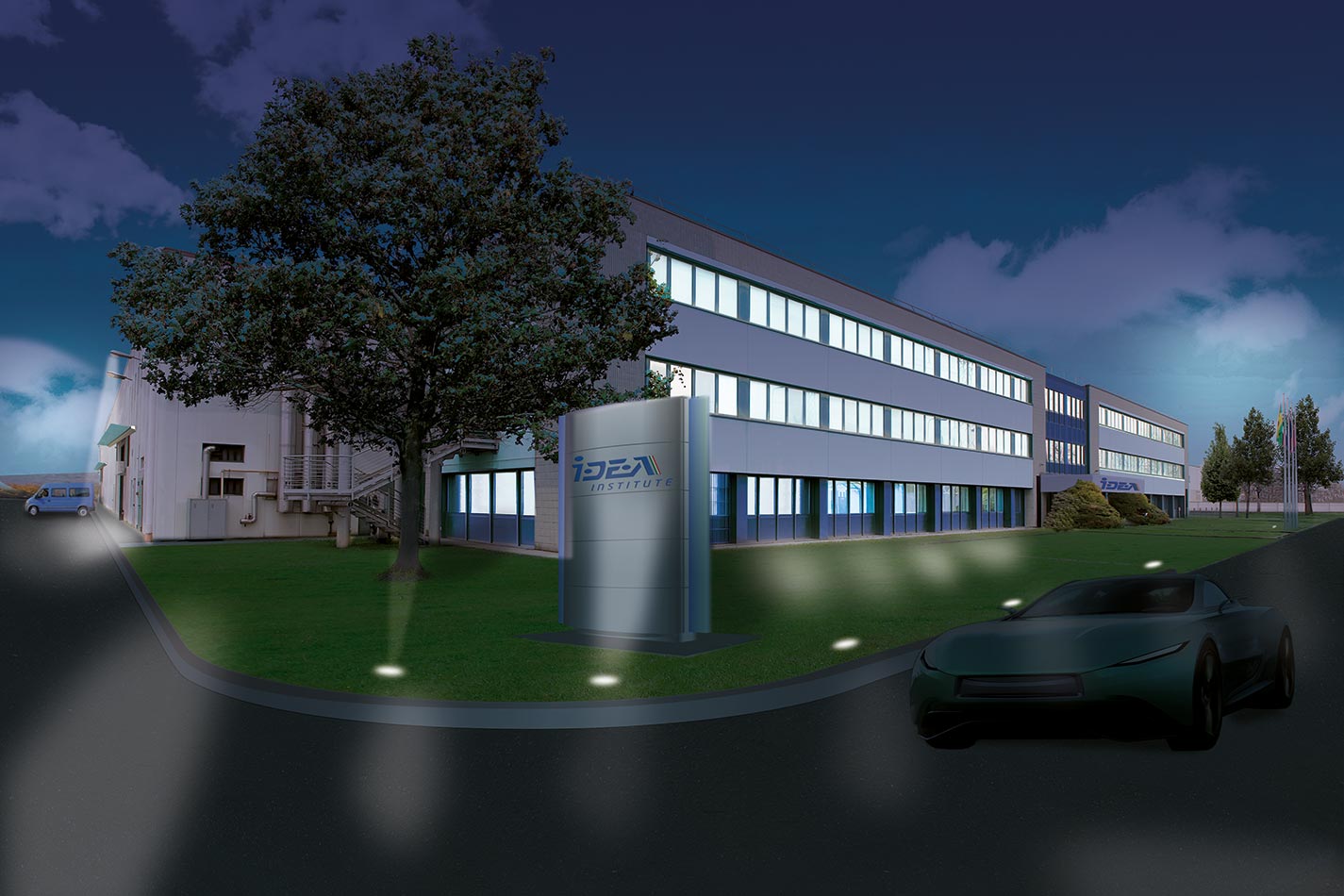
I.DE.A Institute: From Avant-Garde Beginnings to Automotive Legacy
I.DE.A Institute – short for Institute of Development in Automotive Engineering – was founded in Turin, Italy in 1978 by Italian entrepreneur Franco Mantegazza together with famed architect Renzo Piano (designer of…
Read story
THE CONVERSATION
Comments 0