
I.DE.A Institute
Italian automotive design, engineering and prototype-development institute founded near Turin in 1978, active on experimental and series-vehicle programmes until 2019.
Explore record ↗
1989
THE VEHICLE AT A GLANCE
THE PEOPLE BEHIND THE CAR
Italian automotive design, engineering and prototype-development institute founded near Turin in 1978, active on experimental and series-vehicle programmes until 2019.
Explore record ↗Ercole Spada (1937–2025) was an Italian automotive designer associated with Zagato, BMW and I.DE.A Institute and co-founder of Spadaconcept.
Explore record ↗01 / THE STORY
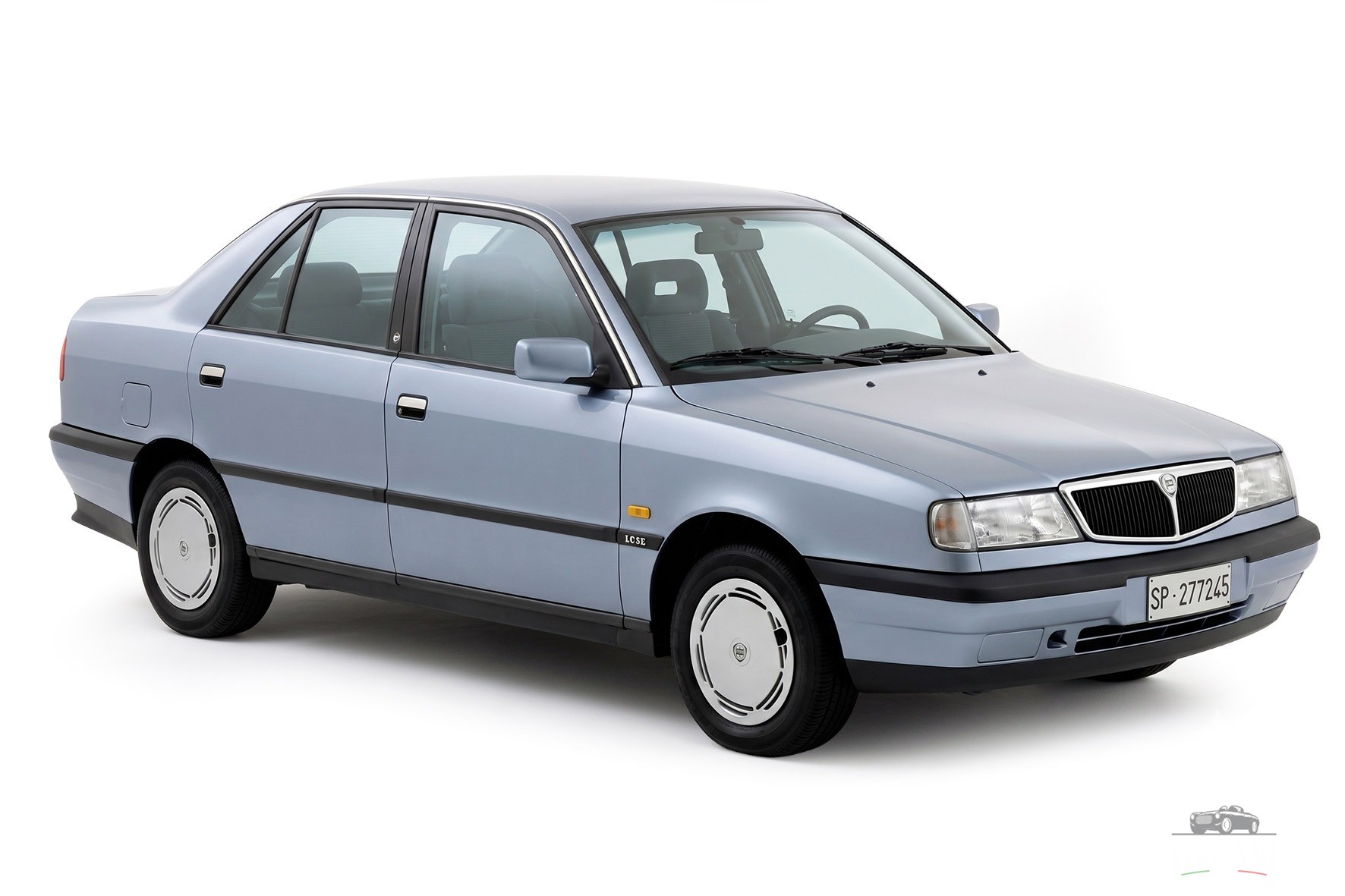
The Lancia Dedra, a notable creation of automotive design, emerged from a collaborative effort with the renowned I.DE.A Institute, boasting a platform that also birthed the Fiat Tipo (1988), Fiat Tempra (1990), and Alfa Romeo 155 (1992). Conceived by the FIAT Group in the late 1980s, the innovative strategy aimed at producing four distinct mid-class vehicles while leveraging economies of scale from a shared floorpan. Each vehicle was tailored with specific attributes: the Tipo focused on value, the Tempra on practicality, the Alfa 155 on sportiness, and the Lancia Dedra on elegance. The design prowess of the I.DE.A Institute headed by Ercole Spada, ensured the Lancia Dedra’s aerodynamic efficiency, boasting a remarkable drag coefficient of only 0.29. It entered a promising market landscape for Lancia, with successful predecessors like the Thema and the Delta, coupled with surging sales of the Y10. The Dedra faced the challenging task of inheriting the legacy of the Lancia Prisma, expanding its appeal in the mid-size sedan segment. Debuting in 1989, the Lancia Dedra presented a classic yet contemporary design, echoing the brand’s prestige and exclusivity. Equipped with a high level of amenities including fine materials like Alcantara, advanced features like automatic air conditioning, and meticulous attention to detail, the Dedra epitomized comfort and luxury in its class. Safety was paramount, with passive and active measures integrated into its structure, including a robust frame and ABS. Engine options ranged from electronically injected gasoline engines to a diesel variant, offering a blend of performance and efficiency. Over the years, the Dedra underwent several updates, expanding its range and enhancing its appeal. Changes in trim levels, exterior styling, and interior refinement kept the model fresh and competitive. Notable additions included an all-wheel-drive variant, automatic transmission options, and the introduction of a station wagon version, catering to diverse consumer preferences. The most important innovation was the introduction of the station wagon version, designed by the French coachbuilder Heuliez, which had never existed in the range of the previous Prisma, and which was successful due to its favorable cargo capacity. Despite its commercial success, the Dedra faced challenges, including issues with the electrical system, which somewhat tarnished its reputation for reliability. However, its market performance remained commendable, particularly in regions like France and Germany, where it garnered significant sales figures. Ultimately, the Lancia Dedra’s journey came to a close in January 2000, marking the end of an era as its successor, the Lancia Lybra, took its place. With over 400,000 units produced, the Dedra left a lasting legacy as a symbol of elegance and sophistication in the mid-size sedan segment.
02 / TECHNICAL IDENTITY
Become a Pro member to see the full details in this section.
Membership is not available yet.
View membership options03 / DESIGN, BODY & SUPPLIERS
Coachbuilder / Design studio
Italian automotive design, engineering and prototype-development institute founded near Turin in 1978, active on experimental and series-vehicle programmes until 2019.
Explore record ↗Designer
Ercole Spada (1937–2025) was an Italian automotive designer associated with Zagato, BMW and I.DE.A Institute and co-founder of Spadaconcept.
Explore record ↗07 / GALLERY
THE CONVERSATION
Comments 0