
I.DE.A Institute
Italian automotive design, engineering and prototype-development institute founded near Turin in 1978, active on experimental and series-vehicle programmes until 2019.
Explore record ↗
1981
THE VEHICLE AT A GLANCE
THE PEOPLE BEHIND THE CAR
Italian automotive design, engineering and prototype-development institute founded near Turin in 1978, active on experimental and series-vehicle programmes until 2019.
Explore record ↗01 / THE STORY
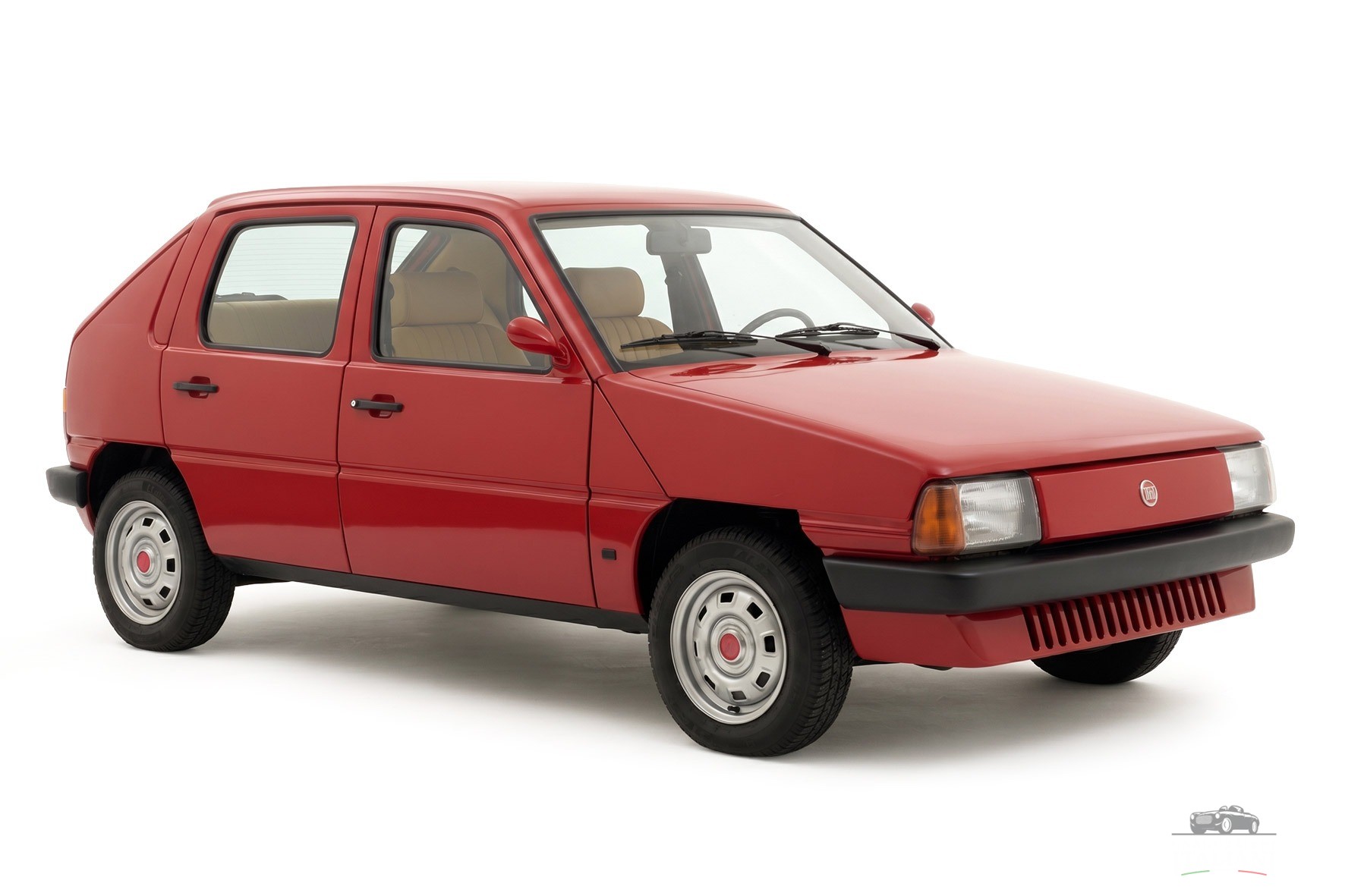
The Fiat VSS prototype, which was based on the Fiat Ritmo, emerged from a collaboration between Fiat, the I.D.E.A. Institute, and Renzo Piano’s team. This innovative prototype featured a steel spaceframe structure, with the body composed of plastic panels that had no load-bearing capacity. This design choice, which aimed to reduce vehicle weight and increase flexibility in terms of external shape, production, and assembly, marked a significant departure from traditional car manufacturing practices. The Fiat VSS’s approach was revolutionary for its time. The primary objective was to achieve a lightweight vehicle without compromising structural integrity, which was accomplished by using a non-load-bearing body made of plastic panels. These panels could be produced separately as complete “subsystems” and then assembled on a final production line. This modular approach allowed for greater flexibility in the design and manufacturing processes, paving the way for easier customization and more efficient production workflows. This method anticipated the future needs of the automotive industry by emphasizing weight reduction and modularity, issues that have since become crucial in car manufacturing. By using plastic panels, the Fiat VSS could achieve significant weight savings, contributing to better fuel efficiency and improved performance. Additionally, the ability to produce and assemble the vehicle’s external panels as separate components offered numerous advantages, including simplified logistics, reduced production times, and the potential for more diverse design options. Twenty years after the introduction of the Fiat VSS prototype, the automotive industry began to recognize the importance of the concepts it introduced. Many car manufacturers started to explore similar production philosophies, investigating ways to implement modular design and assembly processes to enhance efficiency and adaptability. The VSS’s influence is evident in contemporary automotive design and manufacturing, where the emphasis on lightweight materials, modularity, and flexible production methods continues to shape the industry. The Fiat VSS prototype stands as a testament to innovative thinking in automotive design. Its legacy lives on in the ongoing efforts to create more efficient, adaptable, and environmentally friendly vehicles. By anticipating and addressing key challenges in vehicle production, the Fiat VSS prototype helped set the stage for future advancements in the automotive world.
02 / TECHNICAL IDENTITY
03 / DESIGN, BODY & SUPPLIERS
Coachbuilder / Design studio
Italian automotive design, engineering and prototype-development institute founded near Turin in 1978, active on experimental and series-vehicle programmes until 2019.
Explore record ↗04 / CHRONOLOGY
07 / GALLERY
THE CONVERSATION
Comments 0