
David Wilkie
AT A GLANCE
- Nationality
- British
- Occupation
- Automotive and industrial designer
- Active from
- 1980s
- Based in
- Europe
THE STORY
Overview
David Wilkie is a Scottish automotive and industrial designer whose career has encompassed vehicle styling, interior design, design management and the development of agricultural and construction machinery. He worked for PSA Peugeot Citroën, Ford’s Ghia design operation in Turin and Stile Bertone before contributing to electric-vehicle projects and joining CNH Industrial. His documented projects range from the 1993 Lagonda Vignale concept and Ghia’s Ford Ka studies to Bertone concept cars and industrial design programmes.
Education and early automotive work
Wilkie studied product and industrial design at the Glasgow School of Art, graduating with honours, and subsequently completed postgraduate studies in automotive design at the Royal College of Art in London. His early professional career included approximately five years at Peugeot Citroën in France. This period preceded his long association with Ford’s advanced design organisation, particularly the Ghia studio in Turin, where he worked for approximately fifteen years. Specific individual credits must be distinguished from projects undertaken by the wider design teams.
Ford Ghia and the Lagonda Vignale
At Ghia, Wilkie contributed to a series of experimental vehicles commissioned within Ford’s international design organisation. The 1993 Aston Martin Lagonda Vignale was a large luxury saloon concept presented at the Geneva Motor Show. Its exterior styling was developed by Moray Callum, its interior was designed by Wilkie, and Sally Ericson Wilson was responsible for colour and materials. These are distinct attributions within the Ghia programme; the interior credit does not establish Wilkie as the author of the exterior bodywork. The concept was built by Ghia under Ford ownership, despite the Vignale name.
Wilkie also worked on experimental Ford Ka derivatives. Ghia’s Turin-G Ka, displayed at the 1998 Turin Motor Show, was a running five-door sports-estate study based on the Ka. Contemporary reporting identified Wilkie as the design manager and exterior stylist. Hugo Nightingale, Marco Bianciotto and Paul Gibson developed the interior, while Filippo Sapino directed the Ghia design organisation. Development began in late 1997. This division of duties illustrates how a programme’s management, exterior design and interior design could involve different individuals.
The Ford StreetKa concept was presented at Turin in 2000 and developed by the Ghia studio. Wilkie is credited in contemporary accounts with the roadster’s design. The concept’s reception contributed to Ford’s subsequent decision to offer a production StreetKa. The production vehicle was engineered and manufactured with Pininfarina, and that industrial responsibility should not be confused with Ghia’s earlier concept work. At the beginning of the 2000s, Ghia was being reorganised and its traditional Turin coachbuilding operation was closing.
Stile Bertone and interior design
Wilkie joined Stile Bertone in 2003, initially serving as interior design director. By 2006 he had become the company’s overall design director. His work covered not only passenger-car concepts but also commercial vehicles and other product-design programmes. Design direction did not necessarily mean individual authorship of every project developed by Bertone’s designers, model makers and engineering staff.
The Aston Martin Jet 2, displayed at Geneva in 2004, was developed at Bertone from an Aston Martin Vanquish. Giuliano Biasio was responsible for the external styling of this shooting-brake proposal, while Wilkie designed the interior. The cabin employed foldable rear seats and materials including shaped pear wood and aluminium. The vehicle was a distinct 2004 concept and should not be conflated with the later Rapide-based Jet 2+2.
For the Fiat Suagnà of 2006, an experimental coupé-cabriolet based on the Grande Punto, Wilkie explained the design team’s approach to the passenger compartment and roof packaging in a contemporary interview. The retractable roof system was developed with supplier CTS. The resulting vehicle combined Bertone’s styling and packaging work with an externally supplied roof mechanism; the interview demonstrates Wilkie’s leadership but is not, by itself, proof of sole exterior authorship.
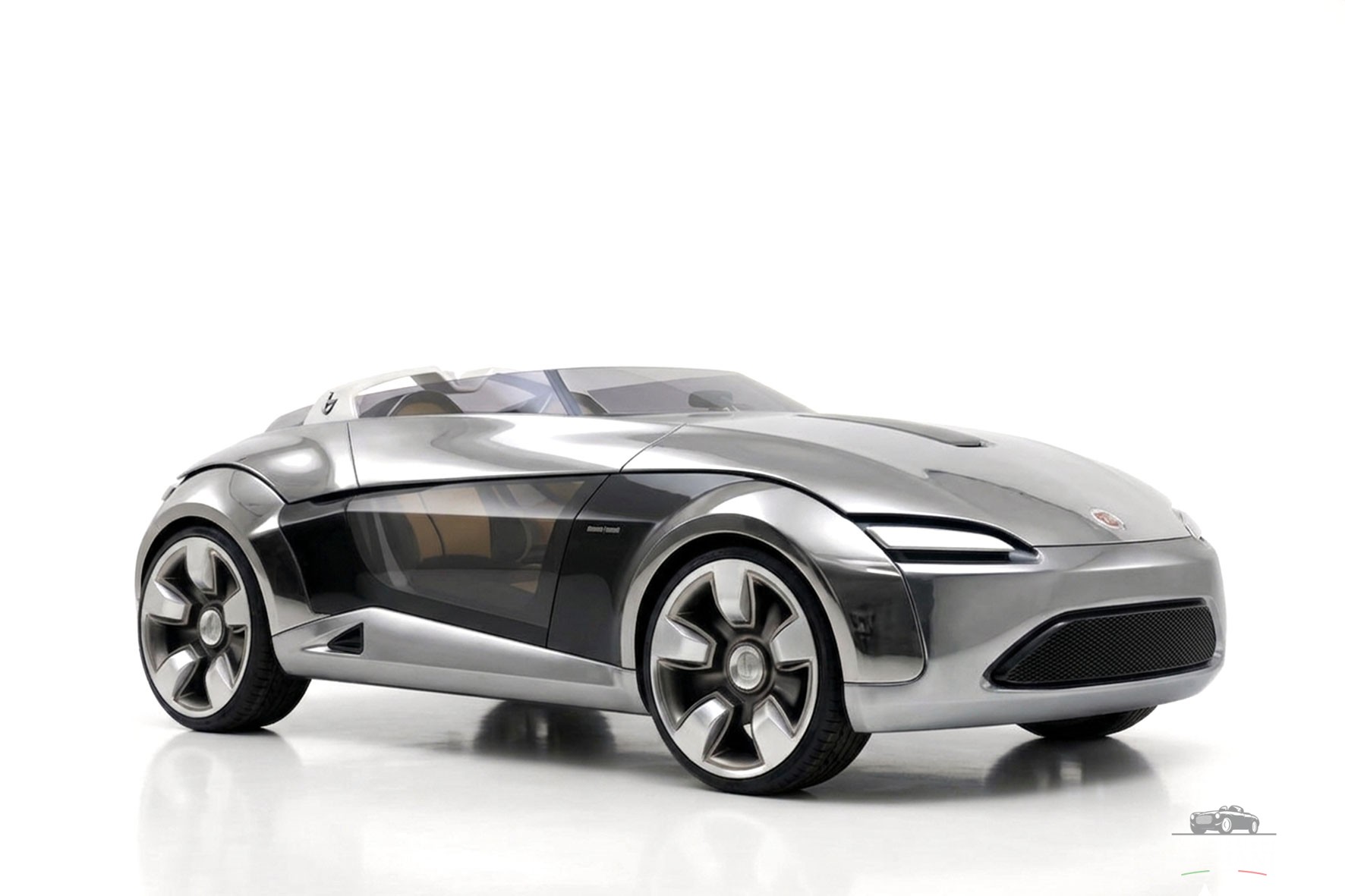
The 2007 Bertone Barchetta was a two-seat concept based on Fiat Panda 100 HP mechanical components and presented for Bertone’s ninety-fifth anniversary. The Automobile Club Storico Italiano has credited Wilkie as its designer. Its aluminium and glass body and unusual rearward-opening doors referenced the coachbuilder’s experimental tradition. This concept is separate from Fiat’s earlier series-production Barchetta and from Bertone’s 1947 Fiat 500 Barchetta.
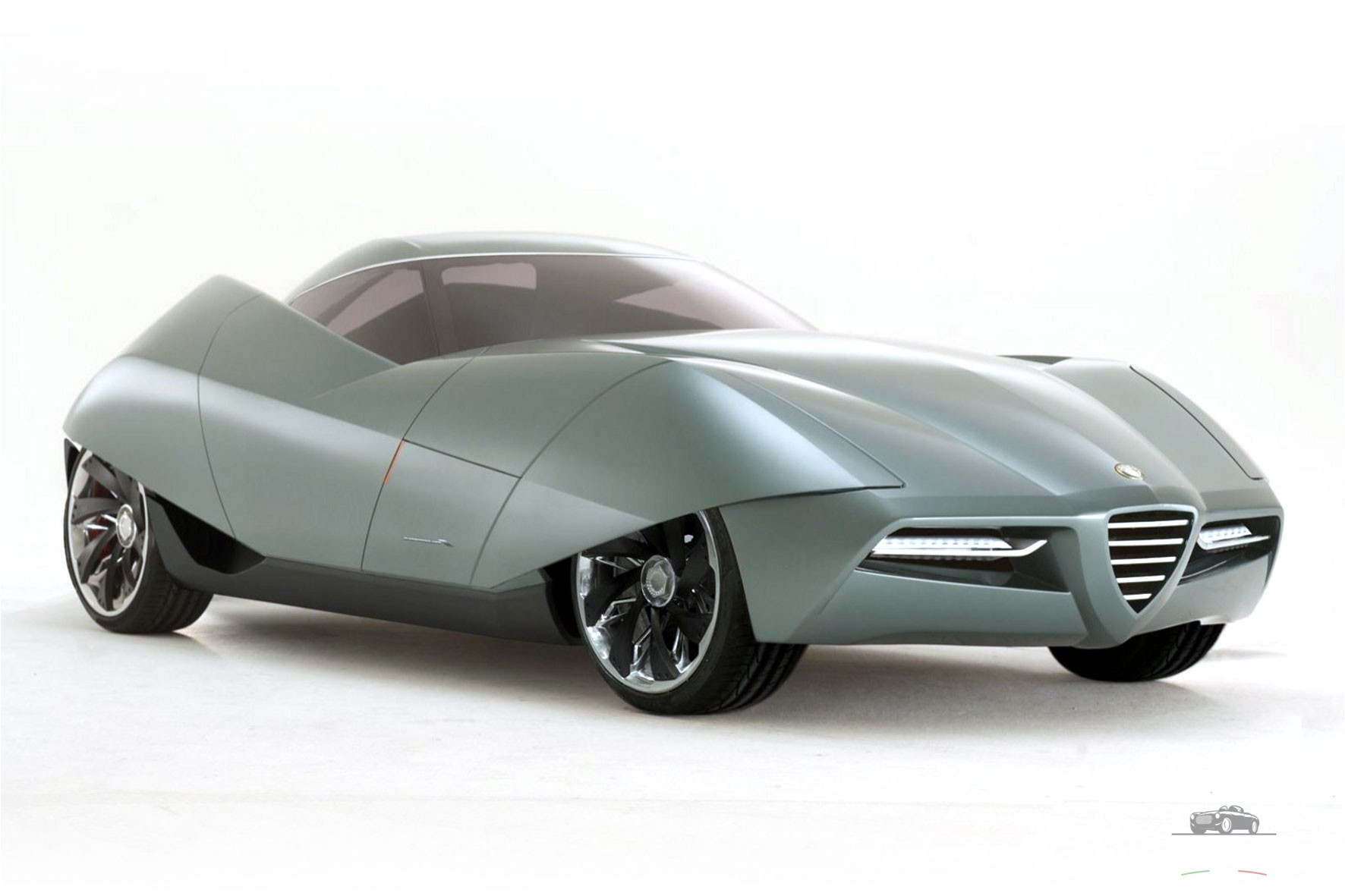
The Alfa Romeo B.A.T. 11, unveiled in 2008, was developed under Wilkie’s direction at Stile Bertone. Contemporary interviews assign the exterior design to Valery Muller and interior and wheel-design responsibilities to Gwen Pennarun. Wilkie’s role was design leadership; attributing the whole design exclusively to him would obscure those documented contributions. The vehicle was presented as a design study associated with a proposed modern continuation of Bertone’s earlier B.A.T. concepts, not as a verified series-production programme.
Electric mobility and design consultancy
In 2008 Wilkie left his full-time post at Bertone to join Mindset AG in Switzerland, a company developing an electrically powered commuter vehicle. Reporting from the time records his involvement in the Mindset Commuter interior, in collaboration with a programme associated with Murat Günak, a fellow Royal College of Art alumnus. Wilkie continued to assist Bertone with certain existing projects during the transition. His later work also included Mia Electric in France and independent consultancy for international manufacturers. These engagements reflected a shift from established coachbuilding and corporate studios towards smaller electric-mobility programmes.
CNH Industrial and wider industrial design
Wilkie joined CNH Industrial in 2014 to lead industrial-design teams working across the company’s machinery businesses. His responsibilities included agricultural machinery, construction equipment and commercial-vehicle projects, with design operations in Turin, Modena and Chicago. He described the transfer of automotive techniques, particularly proportion, surface modelling, lighting identity and ergonomic integration, to tractors and other working vehicles. In this field, industrial styling had to accommodate safety requirements, visibility, production engineering and specialised operating functions.
In 2025 CNH identified Wilkie as its Head of Industrial Design when announcing design distinctions for products including the Case IH Quadtrac 715. The awards recognised the work of company design teams rather than establishing individual authorship of every product. A 2026 CNH announcement identified another executive as Head of Design and User Experience; Wilkie’s precise position after the 2025 statements should therefore not be assumed without contemporary confirmation.
Historical attribution
Wilkie’s career spans individually credited interior and exterior projects, concept-vehicle programmes led by him, and wider design-management responsibilities. In historical cataloguing, these categories should be retained separately. The Lagonda Vignale and Jet 2 establish specific interior credits; Turin-G Ka establishes an exterior credit; the Suagnà and B.A.T. 11 provide examples of team projects under his design direction. The surviving documentation does not justify assigning him every design produced by Ghia, Bertone or CNH during his tenure. Likewise, body construction, roof-system supply and series-production manufacturing belong to the companies and contractors that performed those activities.
THE NETWORK
Shared vehicle credits

CONTINUE EXPLORING

THE CONVERSATION
Comments 0