
Giovanni Michelotti
Giovanni Michelotti was a prolific Italian automotive designer whose independent Turin studio produced coachwork and production-car designs for Vignale, Triumph, BMW and numerous other manufacturers.
Explore record ↗
1964Coachwork by Allemano
THE VEHICLE AT A GLANCE
THE PEOPLE BEHIND THE CAR
Giovanni Michelotti was a prolific Italian automotive designer whose independent Turin studio produced coachwork and production-car designs for Vignale, Triumph, BMW and numerous other manufacturers.
Explore record ↗Founded in Turin in 1928 by Serafino Allemano, Carrozzeria Allemano developed from a repair workshop into a respected specialist in custom automobile bodies and post-war grand touring coachwork.
Explore record ↗01 / THE STORY
The Abarth 2400 Coupé Allemano was a limited-production Italian grand touring car based on Fiat six-cylinder mechanical components. Carrozzeria Allemano built its two-door 2+2 body, while Giovanni Michelotti directed the styling programme. Introduced in 1961 and subsequently revised, it formed the final stage of Abarth’s larger road-car range. The historical and technical record for the model is also maintained under the Abarth 2400 Coupé entry; this catalogue entry does not identify an additional chassis or a separate production series.
Carlo Abarth began developing a range of higher-capacity grand tourers in 1959. The earlier Abarth 2200 Coupé used Fiat 2100 mechanical components, with bodywork made by Allemano. The later 2400 followed the development of Fiat’s 2300 saloon and retained the concept of a compact, carefully finished four-seat coupé. The final coachwork drew upon separate proposals made by Allemano and Carrozzeria Ellena: Allemano’s front design was combined with Ellena’s rear treatment, and Allemano was responsible for body construction.
The Abarth 2400 appeared in 1961. Abarth’s historical account distinguishes an initial series with prominent headlamp surrounds from a revised front treatment introduced in 1962. The changes concern the development of the same model; they should not be interpreted as evidence of a second, independent vehicle under this record. Published histories do not agree on the full production chronology. Stellantis Heritage reports that assembly had ended by 1962, although Carlo Abarth showed a 2400 Coupé at Geneva in 1964.
The Fiat-derived inline-six engine was enlarged to 2,323 cc. Abarth specified lighter pistons, three twin-choke Weber carburettors and a revised exhaust system with twin outlets. The manufacturer’s historical figures give an output of 142 CV at 5,800 rpm and a weight of approximately 1,075 kg. Abarth’s Japanese historical publication identifies the carburettors as Weber 38 DCOE units and lists a wheelbase of 2,450 mm. These are model-level specifications, not measurements confirmed for each individual chassis.
The car retained rear-wheel drive and a four-speed manual gearbox. Its 2+2 layout, low roof and restrained exterior detailing separated the 2400 from the small-capacity competition cars for which Abarth was better known. The total production figure has not been conclusively established, and the available documentation does not support assigning a precise chassis number to this general model entry.
Carlo Abarth kept a red 2400 Coupé for personal use and exhibited it at the 1964 Geneva Motor Show. Christie’s subsequently catalogued that particular car with Monaco registration X 328 and engine number 114B006, and identified its chassis in a sale-room notice as 111/003. These identifiers belong to the Geneva example; they do not identify every Allemano-bodied 2400 Coupé. The vehicle passed through the Abarth family and was offered for sale in London in November 1998. Later heritage exhibitions documented the model’s continuing presence in the Italian automotive collections.
02 / TECHNICAL IDENTITY
03 / DESIGN, BODY & SUPPLIERS
Coachbuilder / Design studio
Founded in Turin in 1928 by Serafino Allemano, Carrozzeria Allemano developed from a repair workshop into a respected specialist in custom automobile bodies and post-war grand touring coachwork.
Explore record ↗Designer
Giovanni Michelotti was a prolific Italian automotive designer whose independent Turin studio produced coachwork and production-car designs for Vignale, Triumph, BMW and numerous other manufacturers.
Explore record ↗07 / GALLERY
CONTINUE READING
Carrozzeria Allemano: where Italian craftsmanship meets automotive elegance with a dash of flair. Dive into the storied history of this legendary coachbuilder, known for turning luxury cars into masterpieces.
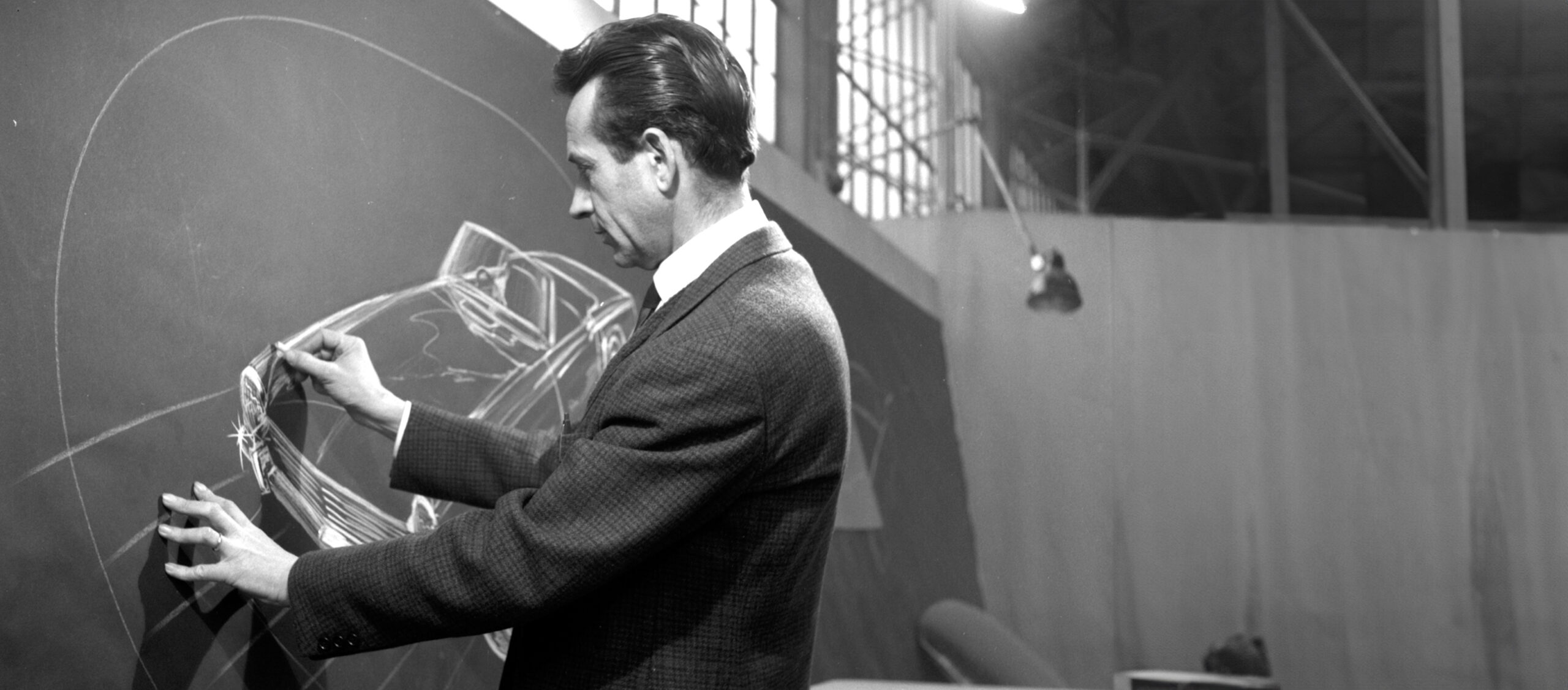
Read storyIn the intricate tapestry of automotive design, few names resonate as harmoniously as Giovanni Michelotti.
Read story

THE CONVERSATION
Comments 0