Giovanni Michelotti
Giovanni Michelotti was a prolific Italian automotive designer whose independent Turin studio produced coachwork and production-car designs for Vignale, Triumph, BMW and numerous other manufacturers.
Explore record ↗
1952Coachwork by Vignale
THE VEHICLE AT A GLANCE
THE PEOPLE BEHIND THE CAR
Giovanni Michelotti was a prolific Italian automotive designer whose independent Turin studio produced coachwork and production-car designs for Vignale, Triumph, BMW and numerous other manufacturers.
Explore record ↗Founded by Alfredo Vignale in Turin in 1948, Carrozzeria Vignale produced bespoke sports and grand touring bodies for Ferrari, Fiat, Maserati and other manufacturers.
Explore record ↗PRICE & SALES RECORD
01 / THE STORY
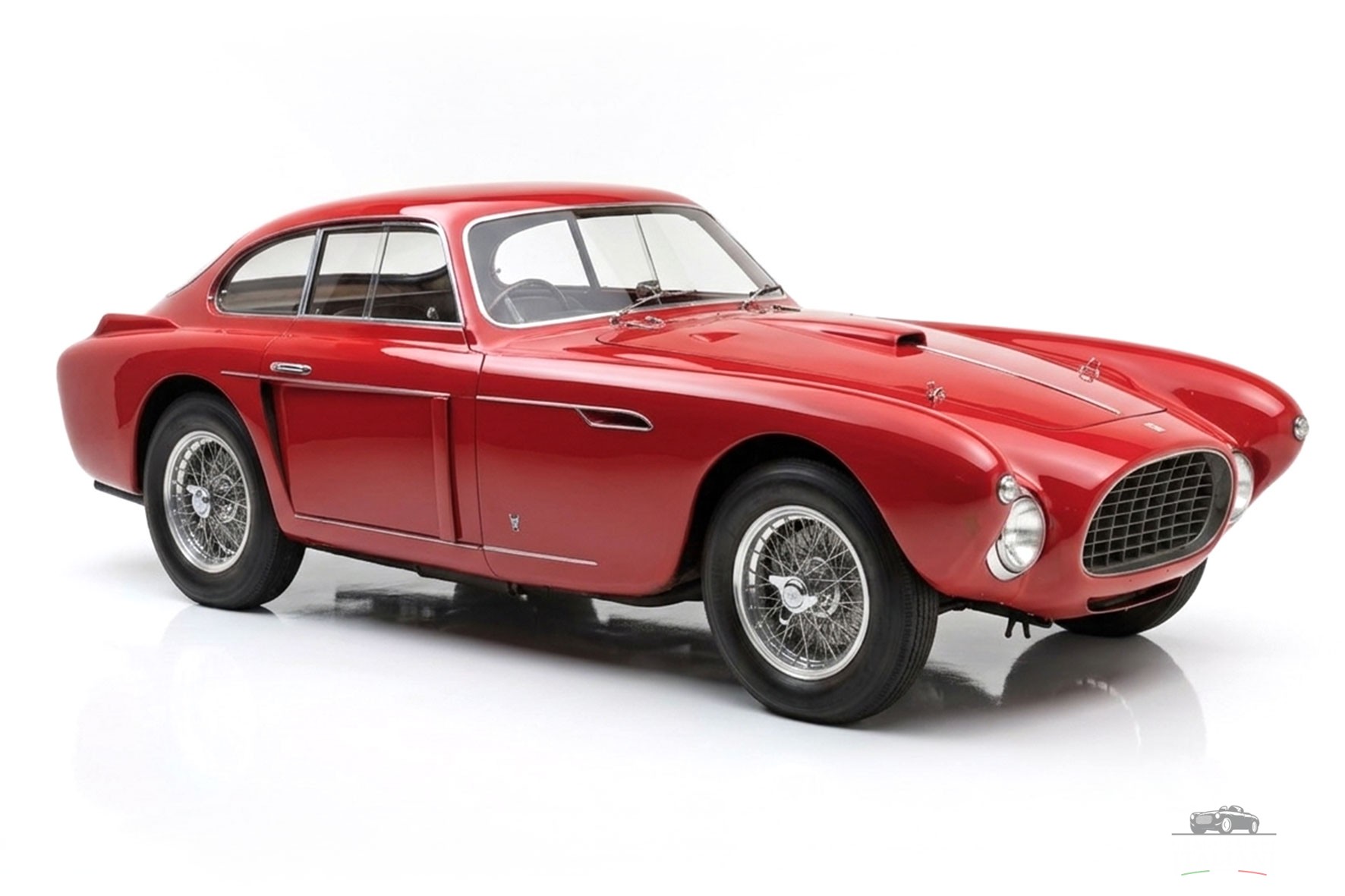
The Ferrari 340 Mexico, produced in 1952, is a true gem of automotive history, with only four examples ever built: three berlinettas and one spider; all featuring stunning Vignale bodywork designed by Giovanni Michelotti. This model was created following Ferrari’s victory at the 1951 Carrera Panamericana, with the goal of repeating that success in the tough race the following year. The result was a car that blended incredible performance with the elegance and craftsmanship that Ferrari is known for. Under the hood, the 340 Mexico was powered by a 4.1L V12 engine, delivering 280 horsepower. This engine, developed from Aurelio Lampredi’s work, was paired with three Weber carburetors and a 5-speed manual gearbox. To ensure the car could handle the intense demands of racing, Ferrari also reinforced the rear suspension and transmission. The result was a car that could reach a top speed of 282 km/h—an impressive figure for its time—and was ready to take on the challenges of the Carrera Panamericana. The design of the 340 Mexico is just as impressive as its performance. Built on a tubular steel chassis, the Vignale body was available in two configurations: the sleek berlinetta and the open-top spider. The car’s bodywork was not just about looks, though—every curve and line was carefully crafted to enhance aerodynamics and stability at high speeds. On the race track, the 340 Mexico proved its worth. Three of the four cars entered the 1952 Carrera Panamericana, with one driven by Luigi Chinetti and Jean Lucas finishing in third place. The car also raced in the Mille Miglia and the 12 Hours of Reims, although with mixed results. Despite its limited production, the 340 Mexico’s racing pedigree and timeless design make it a sought-after collector’s car today. With its combination of performance, engineering, and beauty, the Ferrari 340 Mexico remains a remarkable and iconic model in Ferrari’s storied history.
02 / TECHNICAL IDENTITY
03 / DESIGN, BODY & SUPPLIERS
Coachbuilder / Design studio
Founded by Alfredo Vignale in Turin in 1948, Carrozzeria Vignale produced bespoke sports and grand touring bodies for Ferrari, Fiat, Maserati and other manufacturers.
Explore record ↗Designer
Giovanni Michelotti was a prolific Italian automotive designer whose independent Turin studio produced coachwork and production-car designs for Vignale, Triumph, BMW and numerous other manufacturers.
Explore record ↗04 / CHRONOLOGY
05 / MARKET & PRICE HISTORY
USD · 2 recorded sales
Includes recorded sales pending source verification.
RECORDED SALES
USD
Each point is a completed sale with its own date, in chronological order. Dates are positioned by calendar time, with approximate placement when only a year or month is documented. The connecting line shows observed sales prices in this currency, not an appreciation index: transactions may concern different chassis and specifications. Factory prices and unsold estimates are excluded.
Sign in to see the details of each sale on the chart.
Become a Pro member to explore the full price and sale history.
Membership is not available yet.
View membership optionsMarket observations describe documented transactions, estimates or offers. They are not themselves a current valuation of the vehicle.
06 / CHASSIS REGISTER
07 / GALLERY
THE CONVERSATION

Those pronounced front wings make the 340 Mexico instantly recognisable. For me the long bonnet and the small cabin say as much about what it was built for as the race history does.