
Touring
Founded in Milan in 1926, Carrozzeria Touring became renowned for elegant grand touring bodies and its patented Superleggera lightweight construction method, later revived under new ownership.
Explore record ↗
1952Coachwork by Touring
THE VEHICLE AT A GLANCE
THE PEOPLE BEHIND THE CAR
Founded in Milan in 1926, Carrozzeria Touring became renowned for elegant grand touring bodies and its patented Superleggera lightweight construction method, later revived under new ownership.
Explore record ↗Federico Formenti was an Italian automotive stylist at Touring and Alfa Romeo, noted for his contributions to post-war coachbuilt grand tourers.
Explore record ↗01 / THE STORY
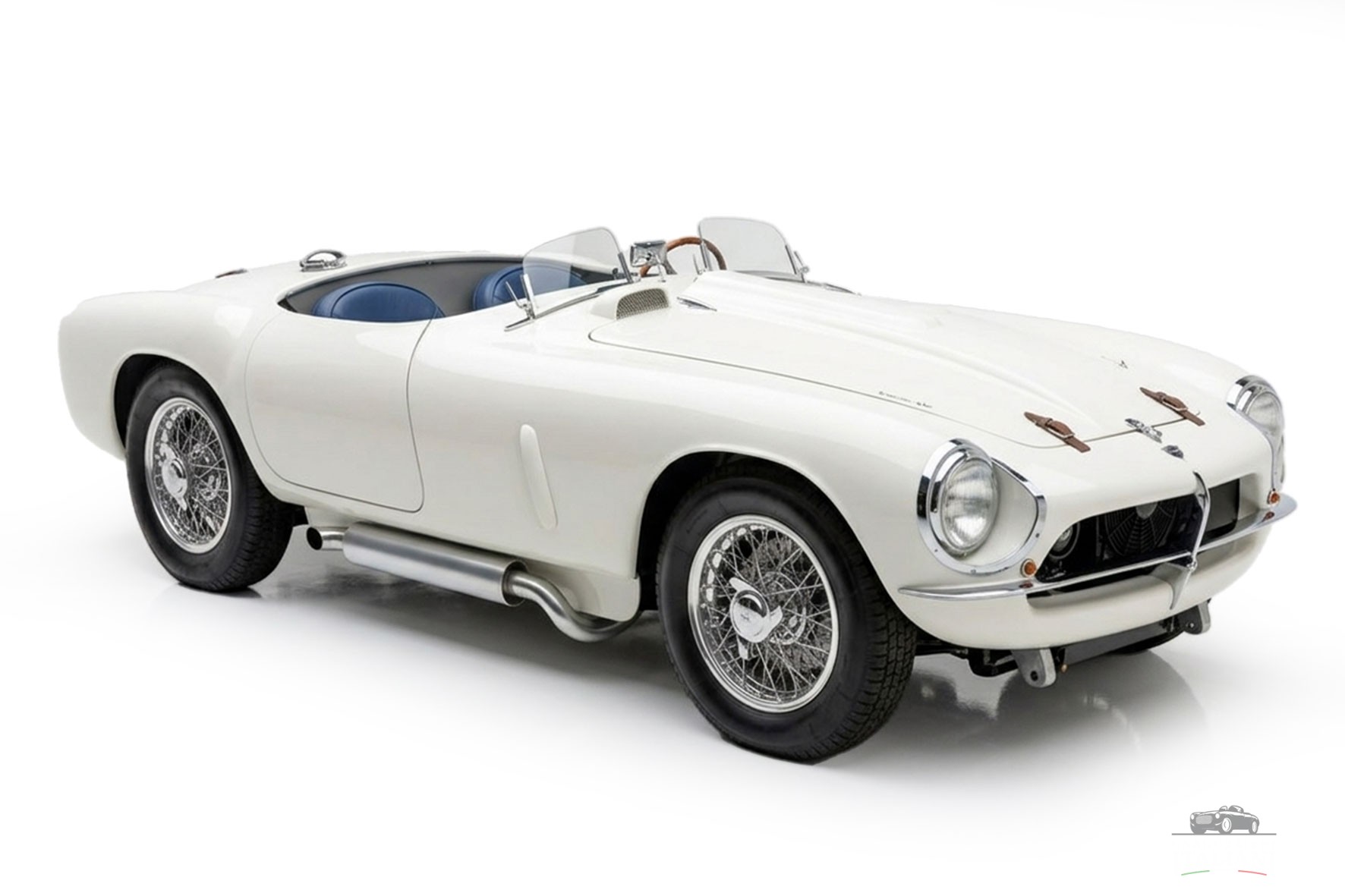
The Pegaso Spagna (1952) was coachbuilt by Touring and designed by Federico Formenti. The Pegaso Spagna was developed during a period when Spanish automotive manufacturing was gaining attention for its innovative designs and engineering. The collaboration between Pegaso and Touring utilized advanced construction techniques, specifically the Superleggera method, which emphasized lightweight and durable structures through the use of aluminum panels and intricate frameworks.
The design process of the Pegaso Spagna involved careful consideration of proportions and aesthetics, aligning with the stylistic context of mid-20th century automotive design. The vehicle featured a streamlined silhouette that highlighted aerodynamic efficiency, embodying the contemporary trends in coachbuilding that favored elegance and performance.
Mechanically, the Pegaso Spagna was equipped with a powerful configuration, powered by a V8 engine. The chassis was constructed to provide a rigid platform, which facilitated a responsive suspension setup, ensuring dynamic handling characteristics. The combination of robust mechanical components and meticulous engineering allowed for an engaging driving experience.
Production of the Pegaso Spagna was limited to a single unit, indicating the bespoke nature of this model. Documentation indicates that the vehicle was exhibited at various automotive events, reinforcing its status as a unique example of postwar coachbuilding. Surviving examples are recorded in private collections and institutional archives, providing reference for researchers of postwar coachbuilding and the distinctive contributions of manufacturers like Pegaso and coachbuilders such as Touring. The Pegaso Spagna remains a significant case study in the evolution of automotive design and engineering during this era, particularly in the context of the pegaso spagna touring superleggera.
02 / TECHNICAL IDENTITY
03 / DESIGN, BODY & SUPPLIERS
Coachbuilder / Design studio
Founded in Milan in 1926, Carrozzeria Touring became renowned for elegant grand touring bodies and its patented Superleggera lightweight construction method, later revived under new ownership.
Explore record ↗Designer
Federico Formenti was an Italian automotive stylist at Touring and Alfa Romeo, noted for his contributions to post-war coachbuilt grand tourers.
Explore record ↗06 / CHASSIS REGISTER
07 / GALLERY
THE CONVERSATION
Comments 0