Frua
Frua was a Turin coachbuilder founded in 1944 by Pietro Frua; its later design studio styled Maserati, Renault, Glas, AC and other European automobiles.
Explore record ↗
1960Coachwork by Frua
THE VEHICLE AT A GLANCE
THE PEOPLE BEHIND THE CAR
Frua was a Turin coachbuilder founded in 1944 by Pietro Frua; its later design studio styled Maserati, Renault, Glas, AC and other European automobiles.
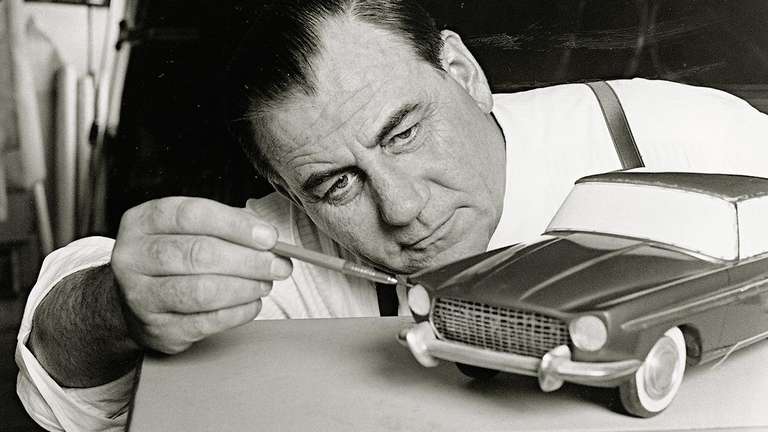
Explore record ↗Pietro Frua was an Italian automotive designer and coachbuilder who established his own Turin-based company and became known for elegant, individually styled bodies for European manufacturers.
Explore record ↗01 / THE STORY
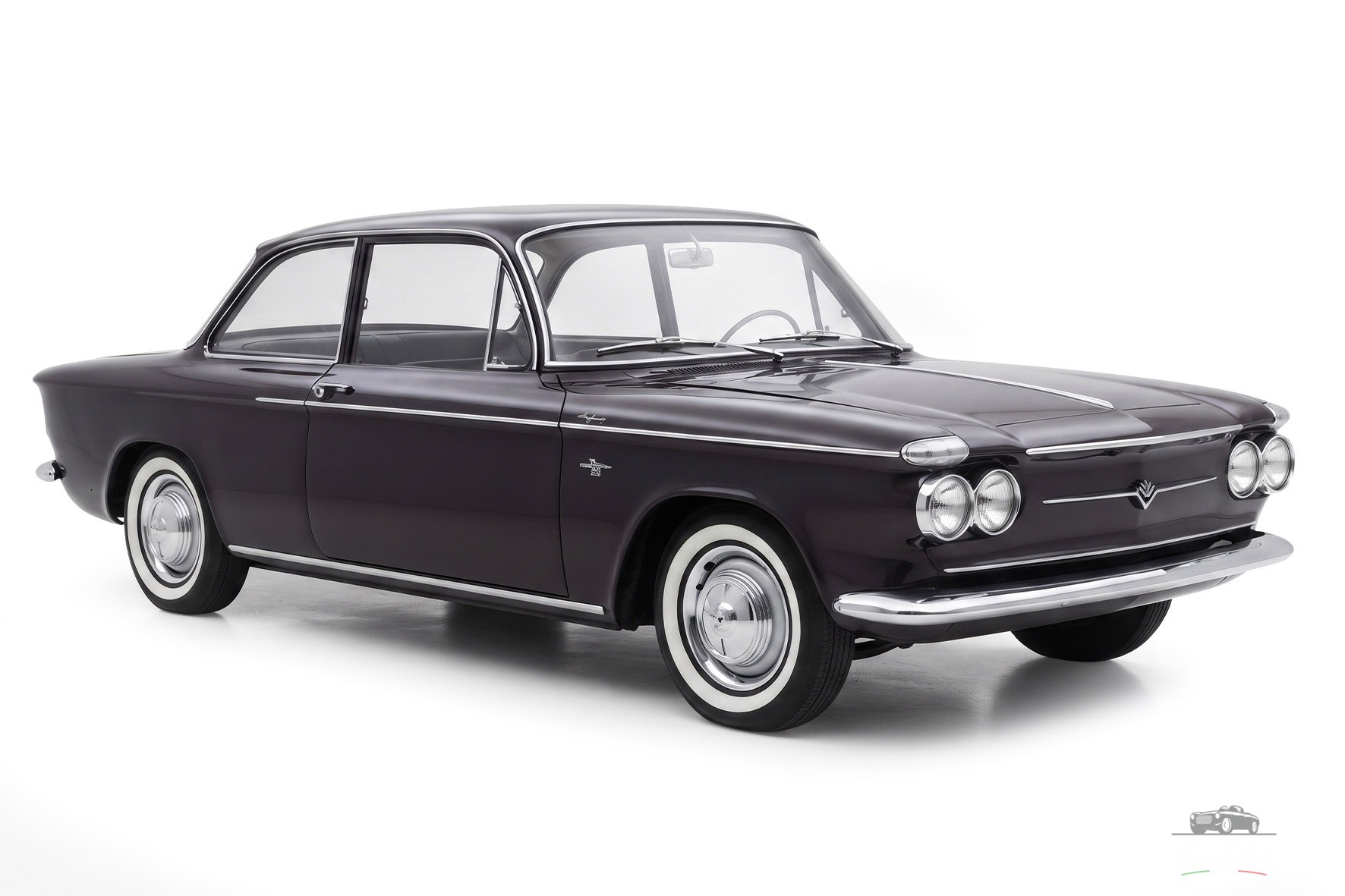
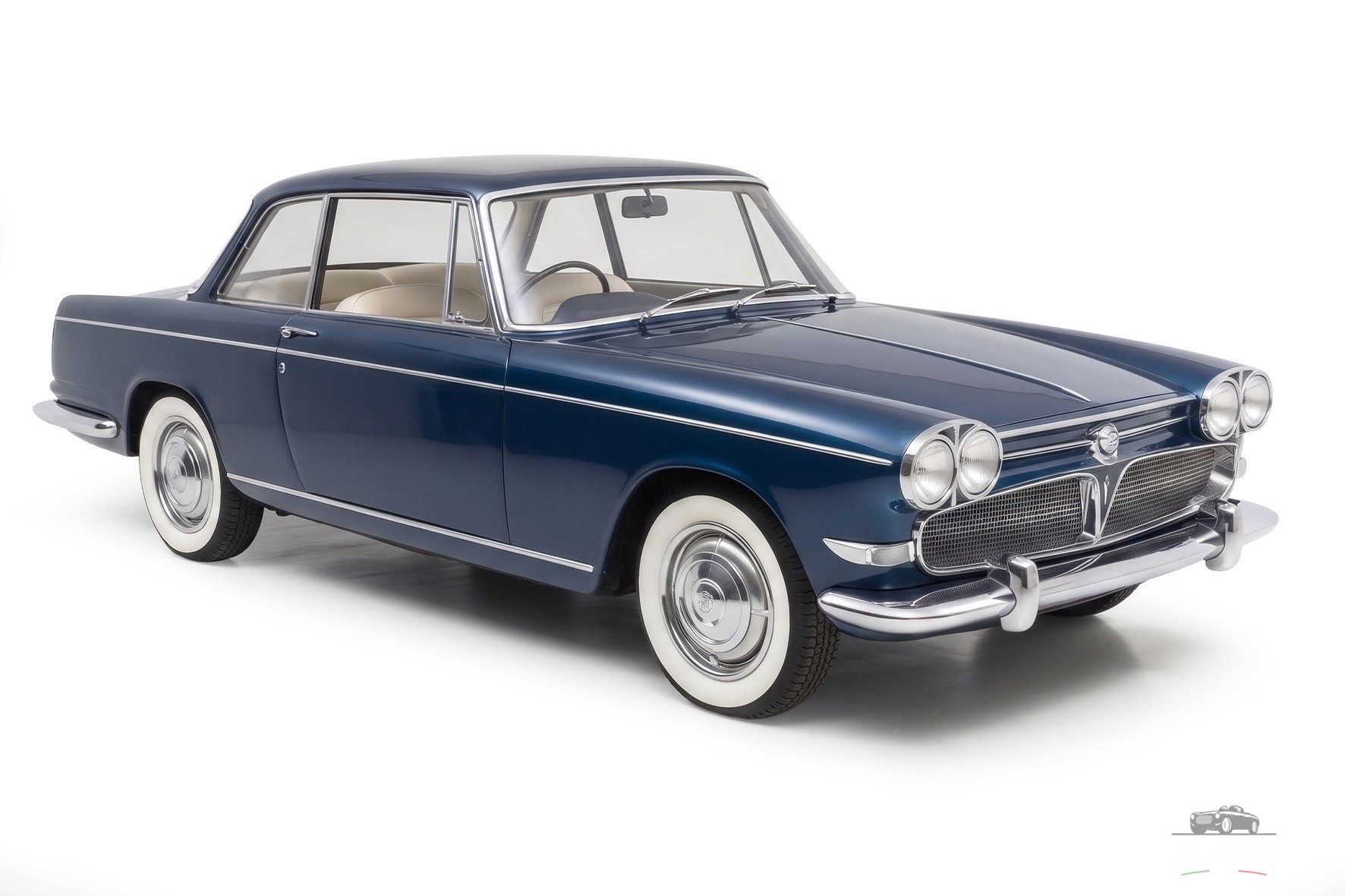
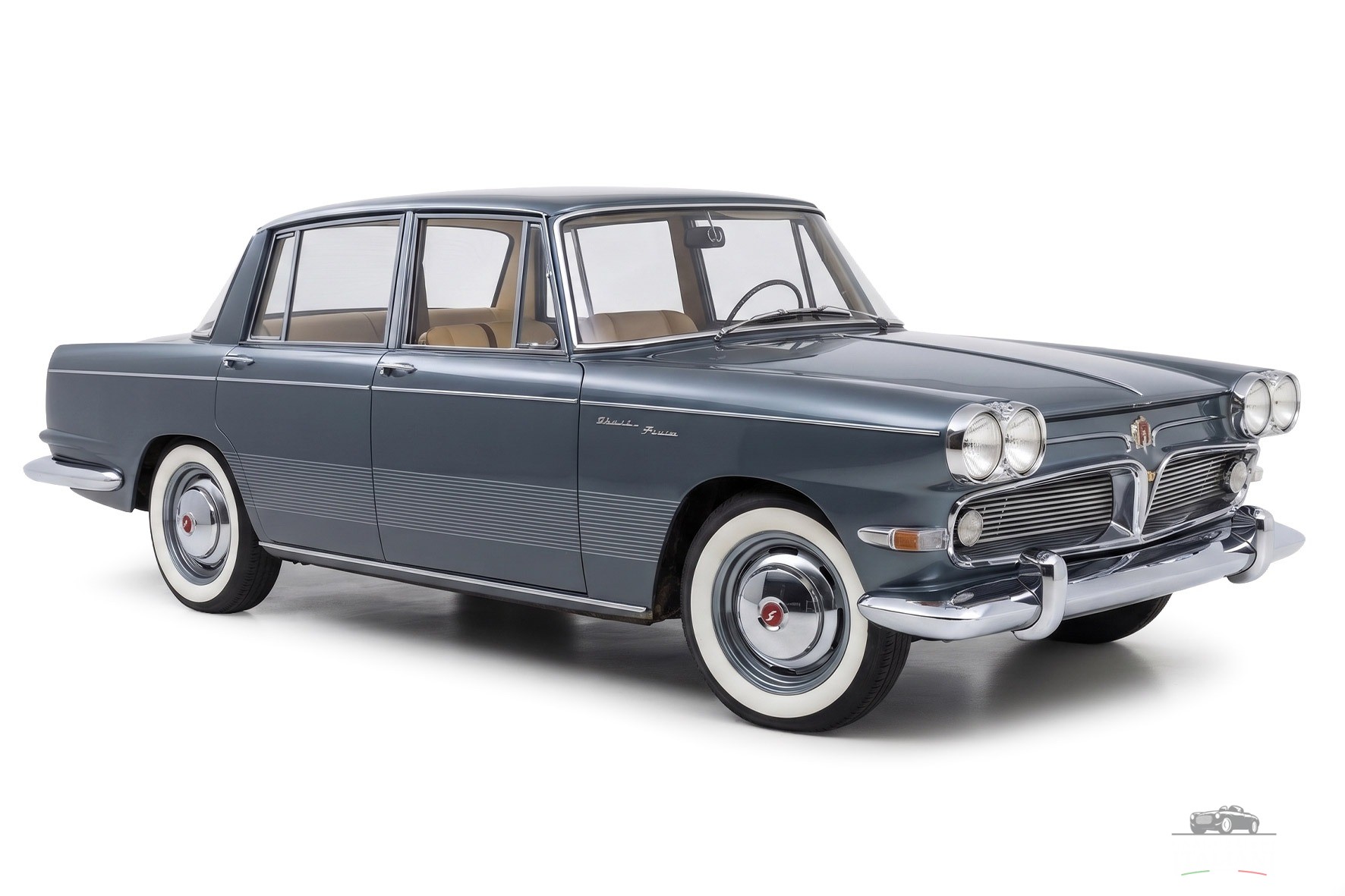
The Volkswagen Type 1 Italsuisse Sun Valley (1960) was a unique two-door saloon designed by Pietro Frua on the mechanical basis of the Volkswagen Beetle 1200. Developed for Carrosserie Italsuisse of Geneva, the car retained the rear-engined Volkswagen layout but replaced the Beetle’s familiar rounded appearance with a low, rectilinear body. Italsuisse was a separate Swiss coachbuilding concern established by Adriano Guglielmetti, while Frua was responsible for the design. The prototype was not a Volkswagen factory development and did not enter series production.
Guglielmetti founded Italsuisse in the Geneva area around the end of 1959, after working at Ghia-Aigle. Frua, who had also worked with that Swiss company, provided designs for several Italsuisse projects during the 1960s. The Volkswagen was the workshop’s first completed automobile. The Registro Pietro Frua identifies the programme as commission 301 and records a full-scale construction drawing, number 549, dated 13 January 1960. Its description refers to a Volkswagen coupé intended for Geneva, although the finished car is more precisely classified as a two-door saloon.
Contemporary reporting cited by the Frua register states that the vehicle was completed in approximately 35 days. It was exhibited by Italsuisse at the 30th Geneva Motor Show, held from 10 to 20 March 1960. Only one example is documented. No surviving chassis serial, body number or engine number has been reliably matched to this particular car.
The Sun Valley’s body was a compact three-box saloon rather than a fastback. A pronounced horizontal shoulder extended along the flanks, with front direction indicators and rear lamps visually incorporated into the same line. The treatment recalled the contemporary Chevrolet Corvair, introduced in 1959, but was adapted to the much smaller Volkswagen platform. The resulting silhouette had a lower roof and a longer, flatter visual profile than the standard Beetle, with a more conventional passenger compartment and luggage area.
The specialist Frua register gives overall dimensions of approximately 4,120 mm in length, 1,540 mm in width and 1,347 mm in height, with a 2,400 mm wheelbase. These figures describe the Sun Valley as documented in the specialist record and should not be confused with the standard Beetle’s 4,070 mm length and 1,500 mm height. Contemporary photographs establish the external form, but they do not substantiate a detailed description of the interior trim.
The foundation was the Volkswagen Type 1/1200 platform, retaining the rear-mounted, air-cooled flat-four engine and rear-wheel drive. The Frua register lists a displacement of 1,192 cc, an output of 30 DIN PS at 3,400 rpm, a four-speed manual gearbox, torsion-bar suspension and hydraulic drum brakes. It also records an unladen weight of approximately 800 kg and a maximum speed of 112 km/h. These are period specifications attributed to the Italsuisse vehicle; they do not identify its donor chassis. The 30 DIN PS figure should not be replaced by an unqualified 36-hp value taken from another Beetle specification. The same period-specification summary gives a 77 × 64 mm bore and stroke, a 6.6:1 compression ratio, a single Solex downdraught carburettor and 7.7 mkg DIN of torque at 2,000 rpm. It lists 38 seconds for acceleration from 0 to 100 km/h and fuel consumption of 8 litres per 100 km; these figures are archival specifications, not independently established road-test results.
Italsuisse explored the possibility of manufacturing additional examples. Period accounts mention interest from Israel and a possible American distribution arrangement involving a Porsche dealer in Jacksonville, Florida. Neither resulted in a documented series. Volkswagen’s unwillingness to supply separate bare chassis to independent builders made production impractical without purchasing and dismantling complete Beetles. The Sun Valley therefore remained a single prototype.
The company’s subsequent work with Frua included interpretations of the Studebaker Lark, represented in the database by the Studebaker Italia Lark Coupé. The Frua studio and its wider work are documented separately in the Pietro Frua historical profile. The Registro Pietro Frua names Hubert L. Brundage of Brundage Motors (Brumos), Jacksonville, Florida, as the first owner in 1960. This reported ownership must be distinguished from the proposed American import arrangement, and it does not establish an uninterrupted provenance. The Sun Valley’s later ownership and present whereabouts have not been established. Volkswagen’s heritage account has identified it as a missing prototype; absence from the known record is not proof that the car was destroyed.
02 / TECHNICAL IDENTITY
03 / DESIGN, BODY & SUPPLIERS
Coachbuilder / Design studio
Frua was a Turin coachbuilder founded in 1944 by Pietro Frua; its later design studio styled Maserati, Renault, Glas, AC and other European automobiles.
Explore record ↗Designer
Pietro Frua was an Italian automotive designer and coachbuilder who established his own Turin-based company and became known for elegant, individually styled bodies for European manufacturers.
Explore record ↗04 / CHRONOLOGY
07 / GALLERY
CONTINUE EXPLORING
CONTINUE READING
Pietro Frua, an influential Italian automotive designer born in 1913, left an indelible mark on the industry with his visionary work, shaping iconic cars and pioneering aesthetic excellence.
Read story
THE CONVERSATION
Comments 0