
Virgil Exner
AT A GLANCE
- Born
- 1909-09-24
- Birthplace
- Ann Arbor, Michigan
- Died
- 1973-12-22
- Nationality
- American
- Occupation
- Automotive designer
- Active from
- 1930s
- Studio
- General Motors / Loewy / Studebaker / Chrysler / Virgil Exner Inc.
- Based in
- Detroit, USA
THE STORY
Overview
Virgil Exner (September 24, 1909 – December 22, 1973) was a pioneering automobile designer who left an indelible mark on American automotive design, most notably for Chrysler and Studebaker. His career spanned several decades, during which he transformed the styling of cars, making them more dynamic, sleek, and futuristic.
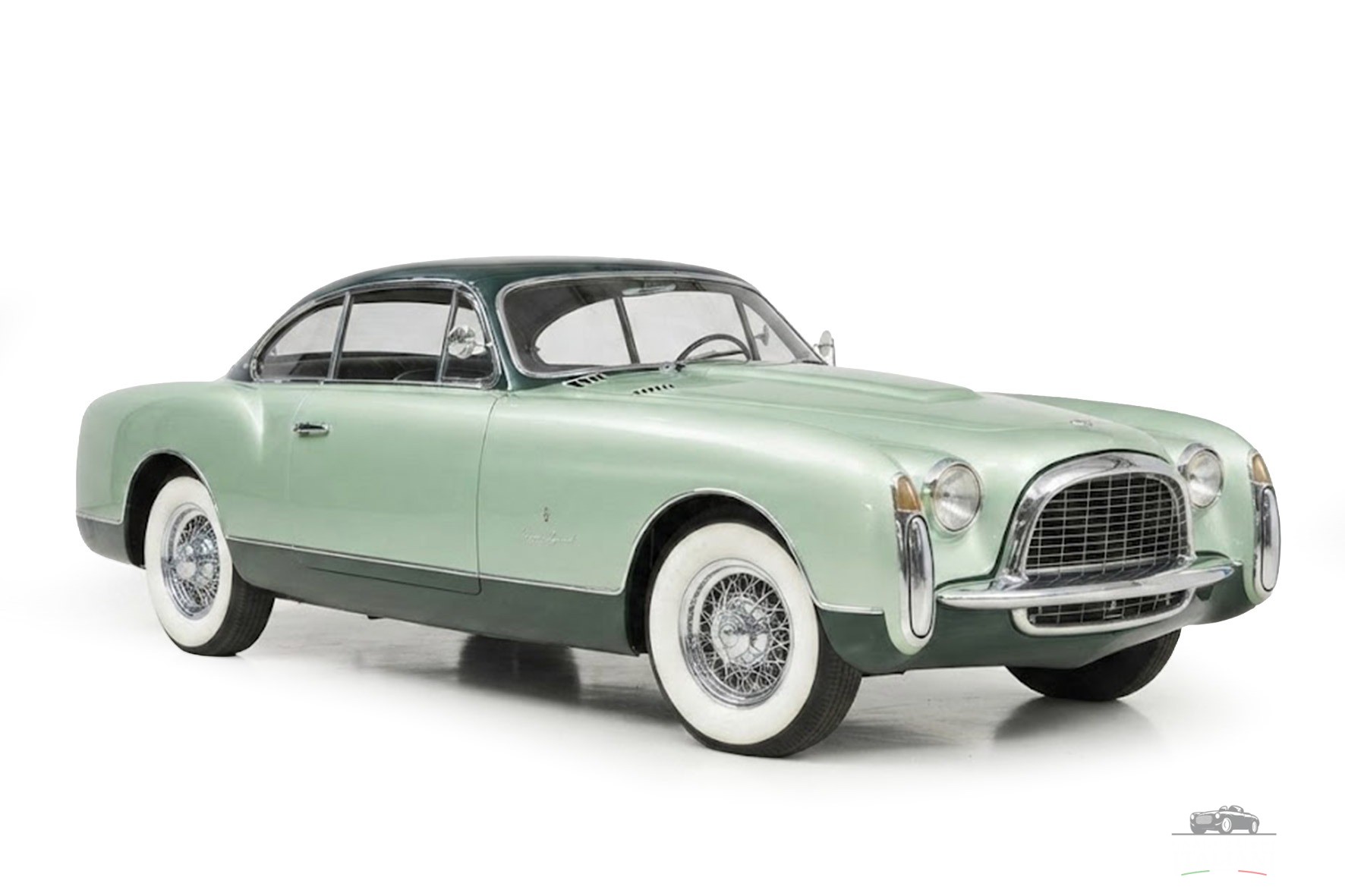
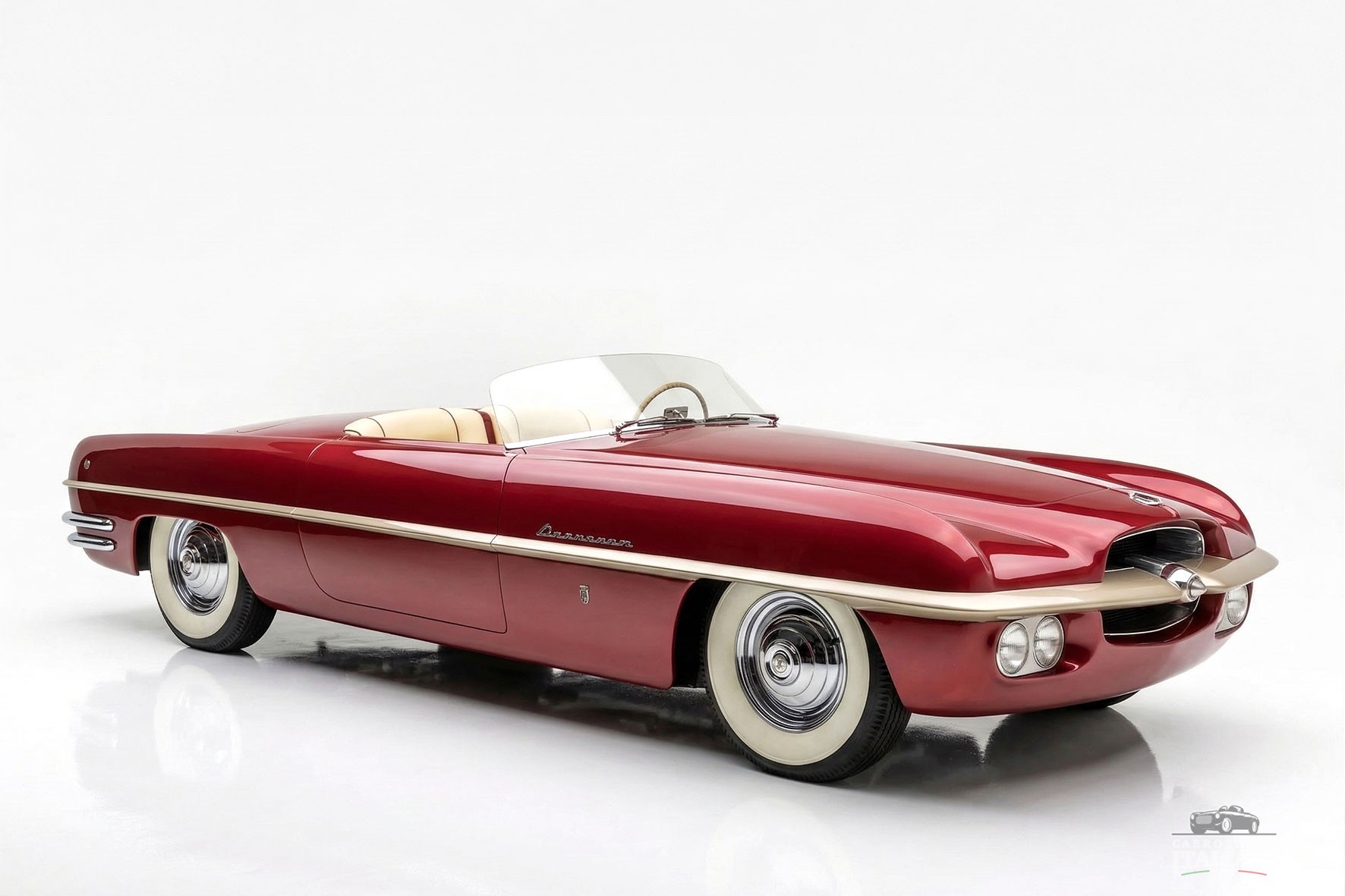
Exner is perhaps best known for creating Chrysler’s “Forward Look” design for the 1955–1963 model years, a revolutionary shift in automobile styling that featured long, low, and wide body shapes. These designs, marked by dramatic tailfins and sweeping curves, were visually striking and aerodynamically advanced, drawing inspiration from aviation and space travel. Exner’s work led to the introduction of models that became icons of the 1950s, such as the 1957 Chrysler 300 and the 1955 Plymouth Belvedere. His use of tailfins, inspired by aircraft designs like the Lockheed P-38 Lightning, was not only for aesthetic appeal but also believed to offer aerodynamic advantages.
Exner’s early life in Ann Arbor, Michigan, showed a strong affinity for art and automobiles. He initially pursued art at the University of Notre Dame but dropped out due to financial constraints. His professional journey began in the automotive industry at General Motors, where he worked under Harley Earl and later contributed to designs for Pontiac. He then moved to Raymond Loewy’s firm, where he contributed to the designs of Studebaker’s 1939-40 models before moving to Chrysler in 1949. At Chrysler, Exner revolutionized the company’s cars, which had previously been known for their solid engineering but dull styling. Under Exner’s leadership, Chrysler introduced a new era of design that reshaped the entire industry.
The “Forward Look” designs made an immediate impact on the North American automotive market, and Chrysler quickly rose to the forefront of design innovation. Exner’s creations had a profound influence on competitors like General Motors, prompting them to revise their own designs to compete. His work was instrumental in reshaping car design, and his vehicles, such as the 1957 Chrysler 300C, are still celebrated today for their bold styling and futuristic vision.
Exner continued to influence the automotive industry well into the 1960s, but by the early 1970s, his style fell out of favor as car manufacturers shifted towards more conservative and compact designs. Despite this, Exner’s legacy remains intact, particularly in designs like the Volkswagen Karmann Ghia, which borrowed elements from his earlier Chrysler concepts. Exner’s designs are a testament to his ability to blend artistry with engineering, and his contributions to the automotive world continue to be celebrated by enthusiasts and designers alike.
Exner passed away on December 22, 1973, but his influence on automotive design endures, with his forward-thinking designs continuing to inspire new generations of car enthusiasts and designers.
THE NETWORK
Shared vehicle credits



KEY MOMENTS
Timeline
-
Birth of Virgil Exner
Ann Arbor, Michigan, United States
-
Career ends
-
Death of Virgil Exner
Royal Oak, Michigan, United States
AWARDS & RECOGNITION
Palmarès
Vehicle awards
- Best of Show
- 3
- Class wins
- 2
5 vehicle award records
Class Winner
Chrysler Styling SpecialChassis C51834214
Amelia Island Concours d Elegance 2026
Best in Show
Chrysler Styling SpecialClass Winner
Chrysler Styling SpecialChassis C51834214
Virgil Exner Early
Best of Show
Chrysler GS-1 GhiaBest of Show
Chrysler GS-1 Ghia
CONTINUE EXPLORING
Related vehicles




CONTINUE READING
Related articles
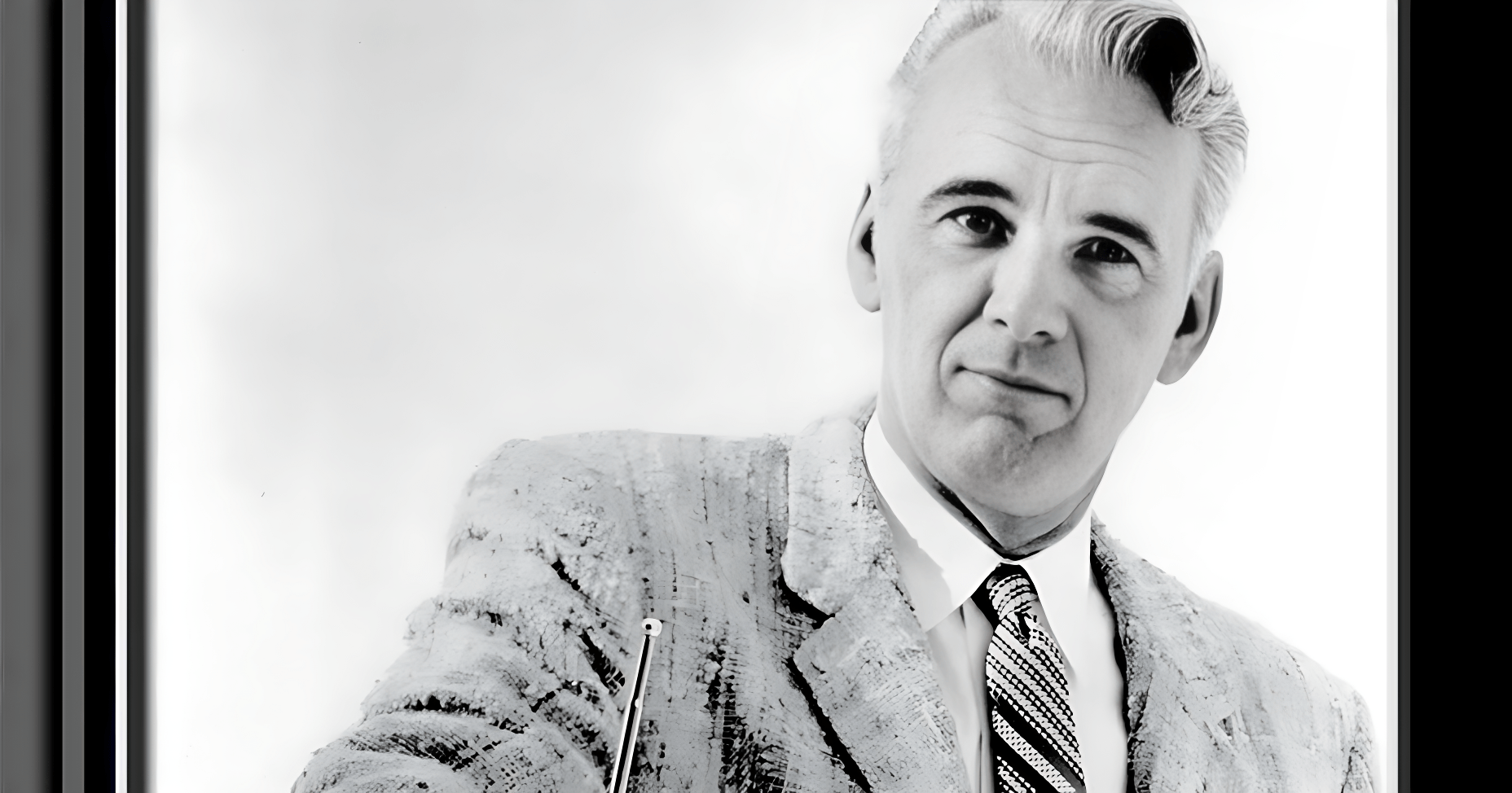
Virgil Exner was the designer who taught Detroit to dream again
Virgil Exner transformed American car design with bold artistry, aerodynamic vision, and Italian collaboration that redefined Detroit’s style.
Read story
THE CONVERSATION
Comments 0