
Ghia
Founded in Turin in 1916, Carrozzeria Ghia became a major Italian design and coachbuilding house, creating bespoke automobiles, prototypes and international collaborations across the twentieth century.
Explore record ↗
1953Coachwork by Ghia
THE VEHICLE AT A GLANCE
THE PEOPLE BEHIND THE CAR
Founded in Turin in 1916, Carrozzeria Ghia became a major Italian design and coachbuilding house, creating bespoke automobiles, prototypes and international collaborations across the twentieth century.
Explore record ↗01 / THE STORY
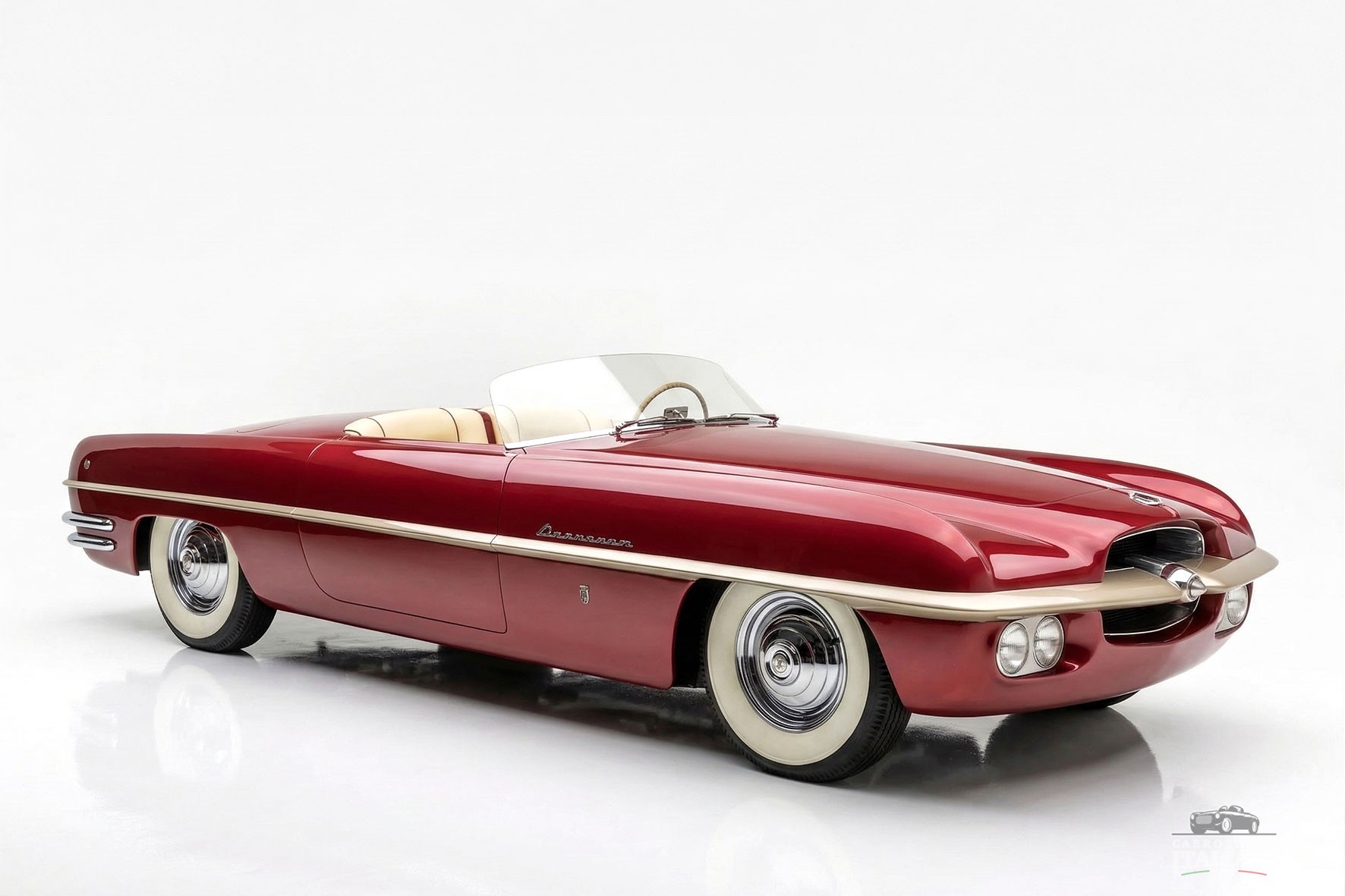
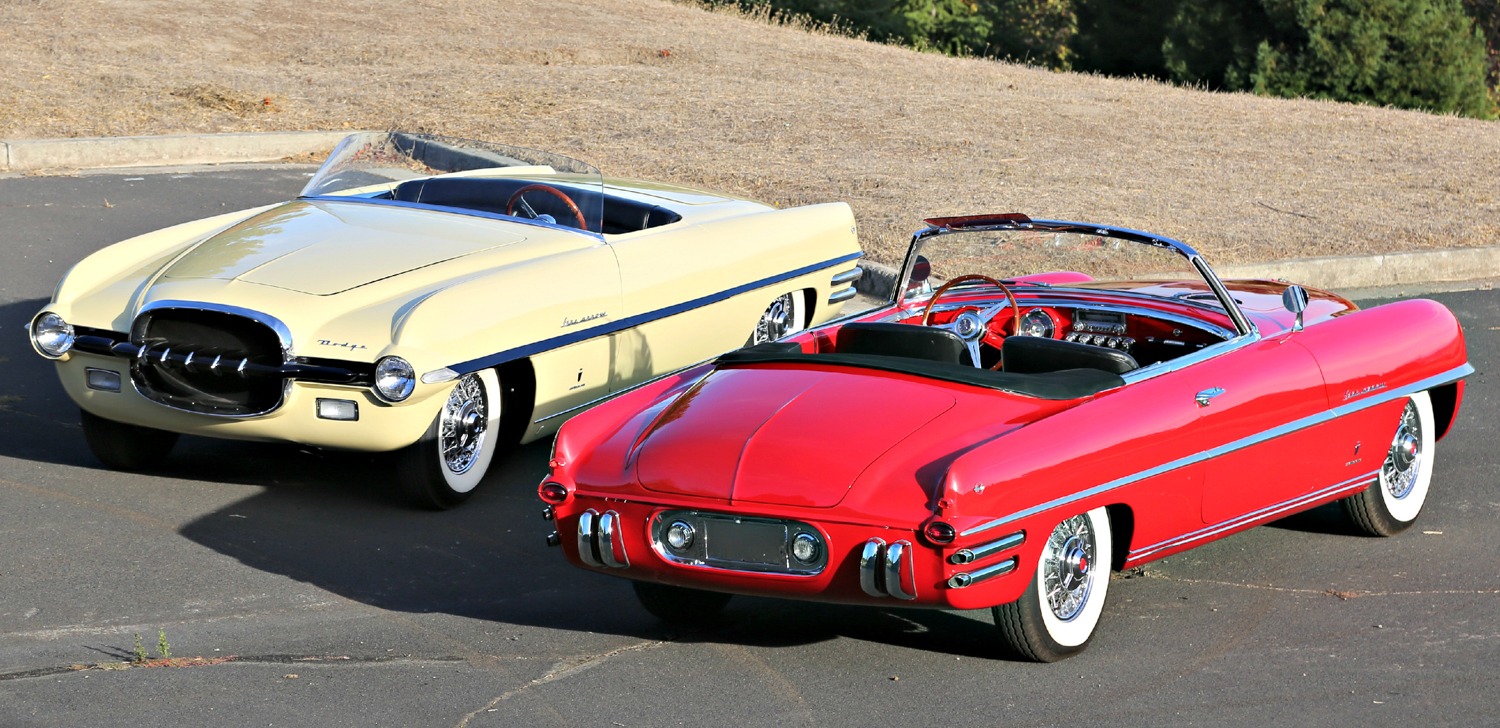
The 1953 Dodge Firearrow I was a non-running, two-seat roadster styling mock-up developed for the Dodge division of Chrysler Corporation and hand-built by Carrozzeria Ghia in Turin. It inaugurated the Firearrow series of four experimental Dodge vehicles associated with Chrysler styling chief Virgil Exner. The first Firearrow was intended to examine a new sports-car design, not to demonstrate the performance of a completed automobile. Its identity is distinct from the mechanically operational Firearrow II of 1954.
Chrysler’s postwar collaboration with Ghia enabled its advanced styling department to realise hand-built experimental bodies outside its normal production arrangements. The Firearrow I used the visual proportions and general basis of a contemporary 1954-model Dodge chassis, but contemporary and later accounts describe it as a full-scale display mock-up without an operating engine or transmission. Consequently, the Dodge V8 specifications subsequently associated with Firearrow II must not be assigned to this first version. No independently verified individual chassis or engine serial has been established for Firearrow I.
A Chrysler Corporation press notice dated 3 November 1953 announced the car for its first presentation at Dodge’s annual new-car press gathering in Detroit on 12 November 1953. Later historical accounts also describe a 1953 Turin Motor Show appearance; this chronology is unresolved because that year’s Turin salon took place in the spring. The Detroit announcement is therefore the more specific contemporary evidence for the launch, while the earlier Turin event attribution requires separate verification.
The Firearrow I had a long, downward-sloping bonnet, low body sides, a sharply raked front profile and a low, unframed windscreen. Its red body was outlined by a broad metallic-grey perimeter moulding that ran around the wings and across the front, dividing the low bumper treatment. Four headlights were paired beneath the upper trim, while solid wheel covers reinforced the smooth appearance. Two exposed exhaust-like tubes appeared along each flank. On this non-running mock-up they formed part of the visual composition rather than evidence of a working powertrain.
Period descriptions record a yellow or buff leather-trimmed two-seat interior with narrow maroon piping, together with a wood-rimmed steering wheel. The arrangement was designed to suggest a usable roadster even though the car itself could not be driven. Accounts vary in their descriptions of the paint as red or maroon; the original Dodge press material described the sports roadster as maroon, while photographs and later writing commonly characterise it as red with grey trim.
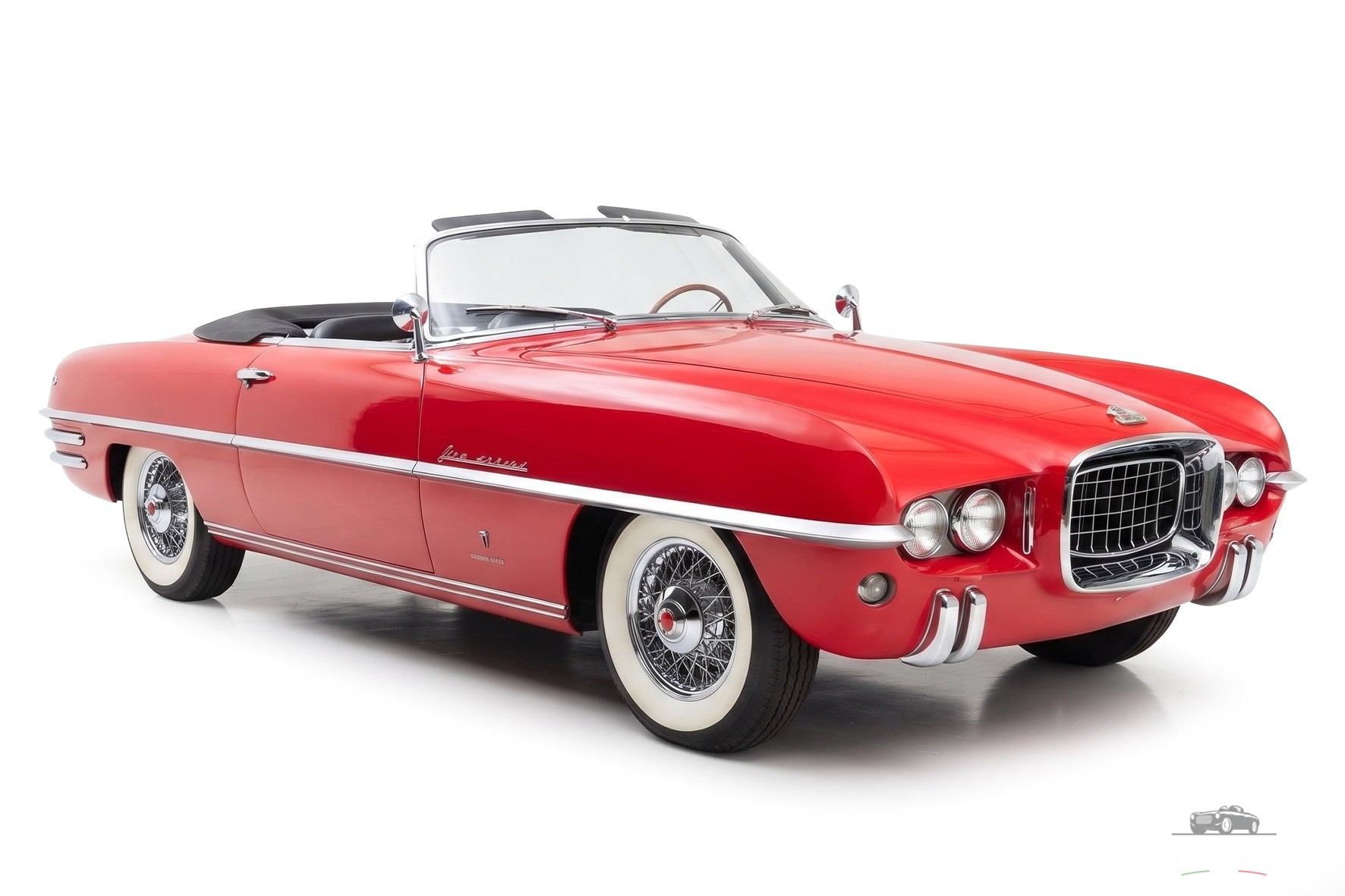
The Firearrow programme subsequently moved from a static styling study to working experimental vehicles. The 1954 Firearrow II was a running roadster with a Dodge Red Ram V8; the Firearrow III developed the theme as a closed sports coupé; and the Firearrow IV, sometimes linked with the Firebomb name, explored a more practical convertible arrangement. Their mechanical specifications, chassis numbers, subsequent owners and auction results belong to those individual vehicles, not to Firearrow I.
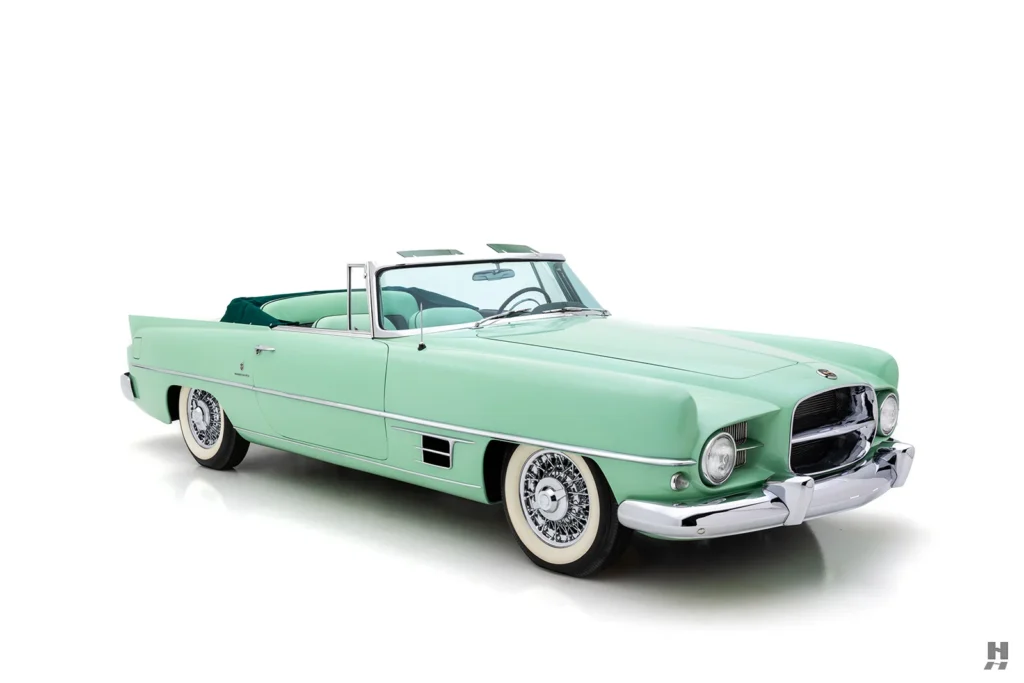
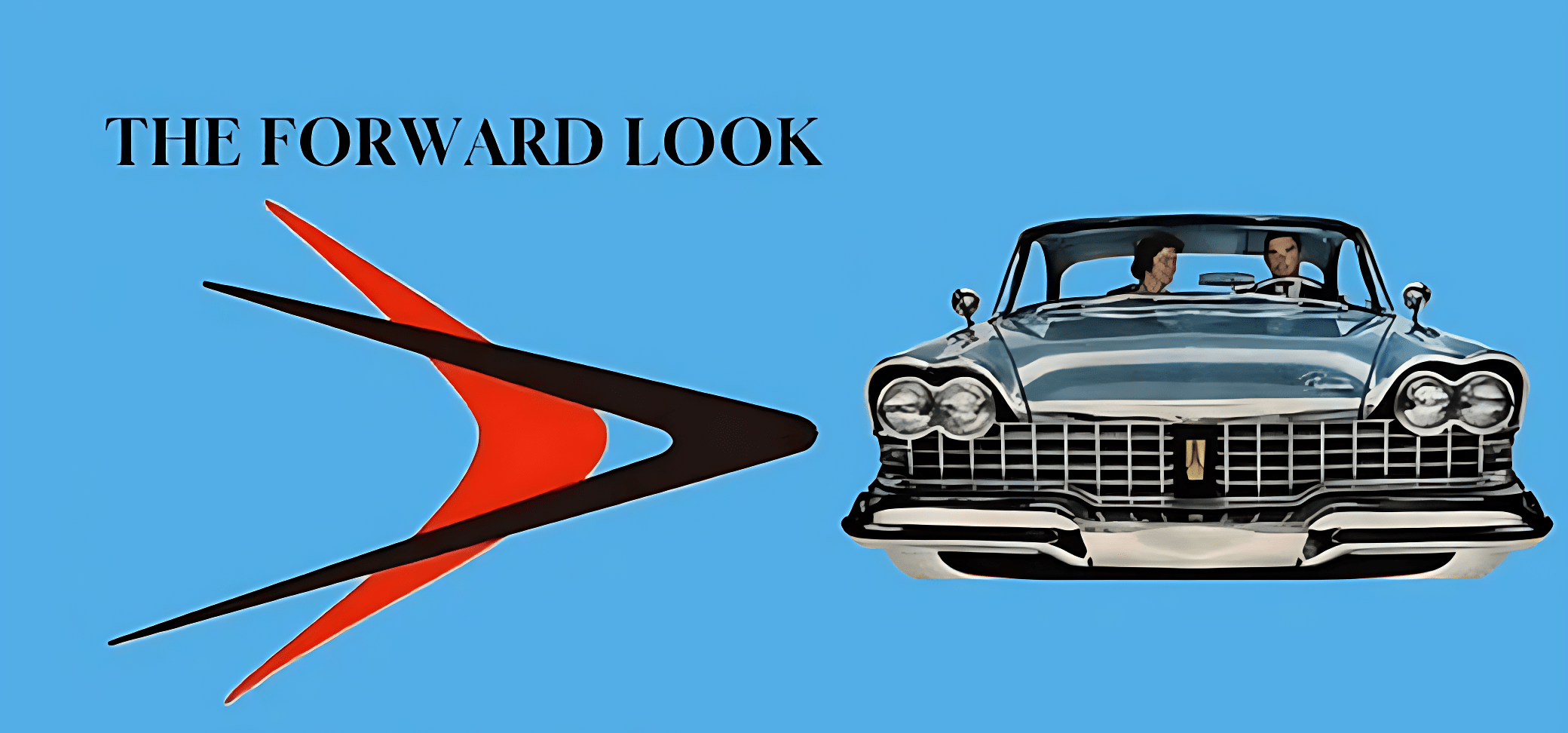
The series formed part of the wider Chrysler–Ghia design relationship, discussed in The Forward Look and the dedicated Firearrow history. Eugene Casaroll and Paul Farago later pursued a limited-production American-Italian grand touring car, the Dual-Ghia Convertible, developed from later Firearrow design themes. The Firearrow I’s historical role was as the initial full-scale visual proposal, rather than an individual road-going prototype with documented performance or competition history.
02 / TECHNICAL IDENTITY
03 / DESIGN, BODY & SUPPLIERS
Coachbuilder / Design studio
Founded in Turin in 1916, Carrozzeria Ghia became a major Italian design and coachbuilding house, creating bespoke automobiles, prototypes and international collaborations across the twentieth century.
Explore record ↗Designer
04 / CHRONOLOGY
07 / GALLERY
08 / PERIOD ARCHIVE
Become a Pro member to see the full details in this section.
Membership is not available yet.
View membership optionsCONTINUE EXPLORING
CONTINUE READING
Four cars, one vision: Virgil Exner and Ghia chasing the future in steel. The Dodge Firearrows became the poetry of the Jet Age.
Read storyWhen Italian craftsmanship met Detroit ambition, Chrysler found its soul. The Ghia–Exner partnership sparked the Forward Look—an era of fins, flair, and fearless design that changed American cars forever.
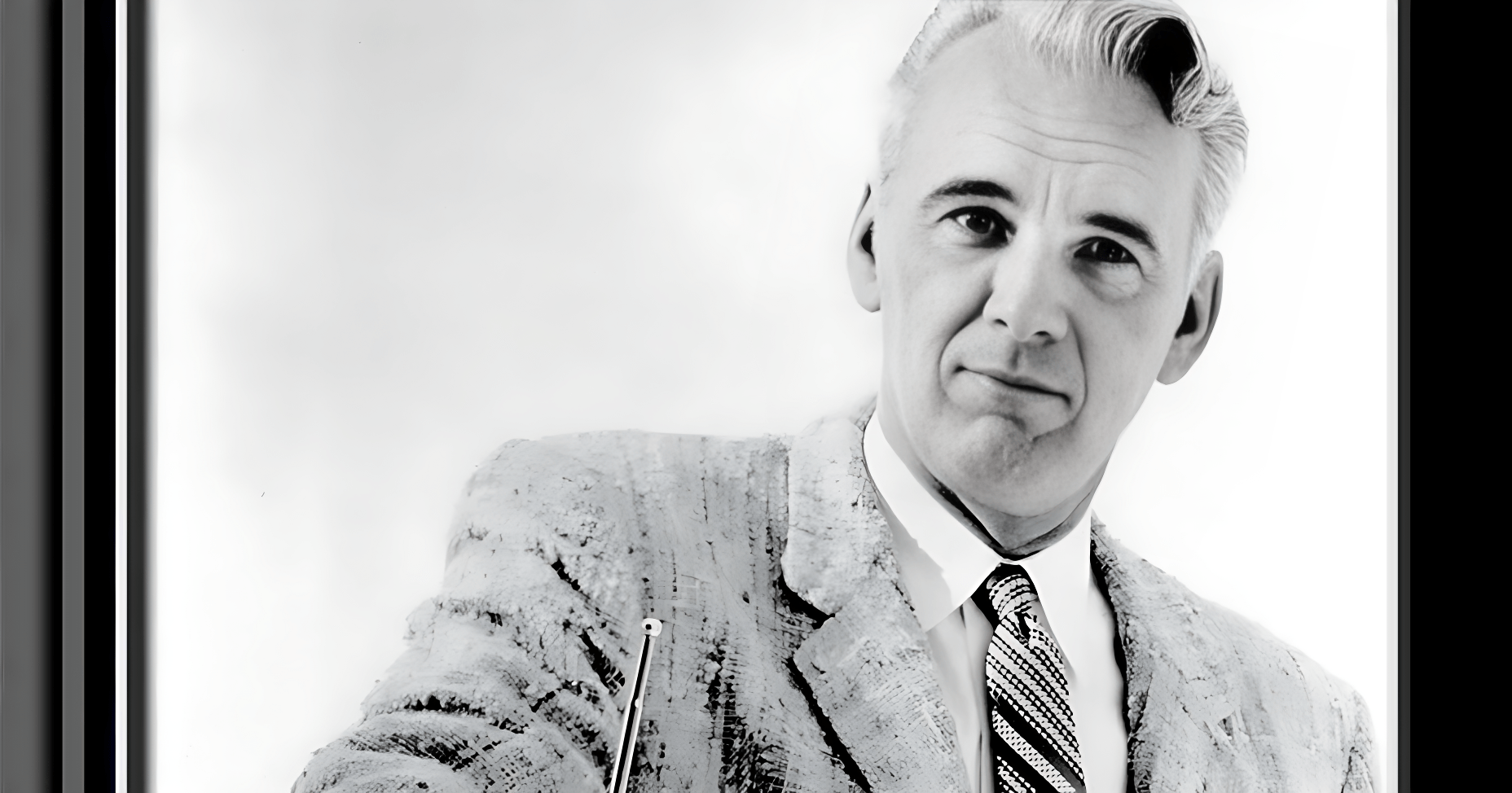
Read storyVirgil Exner transformed American car design with bold artistry, aerodynamic vision, and Italian collaboration that redefined Detroit’s style.
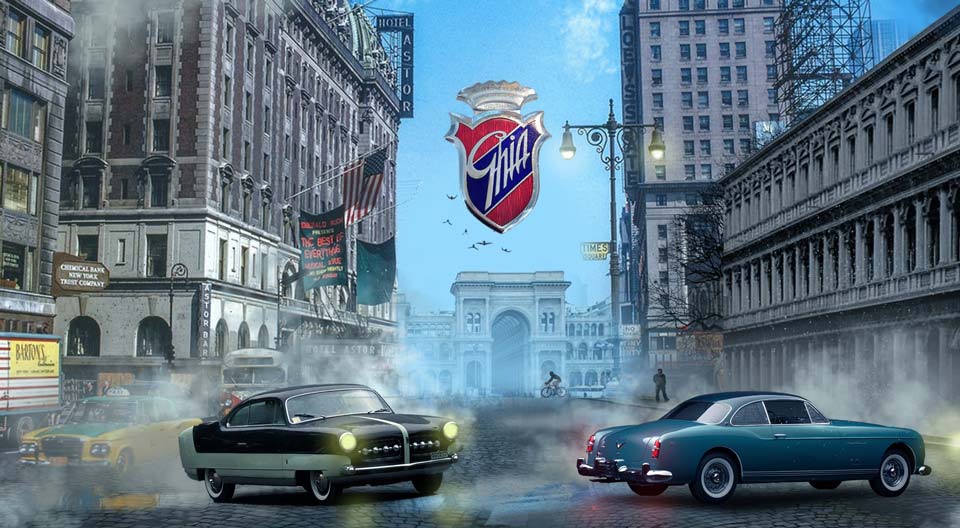
Read storyThe beginning In tracing the genealogy of coachbuilding firms, it turns out that they originated in the early years of the last century as a development of already existing workshops for the…
Read story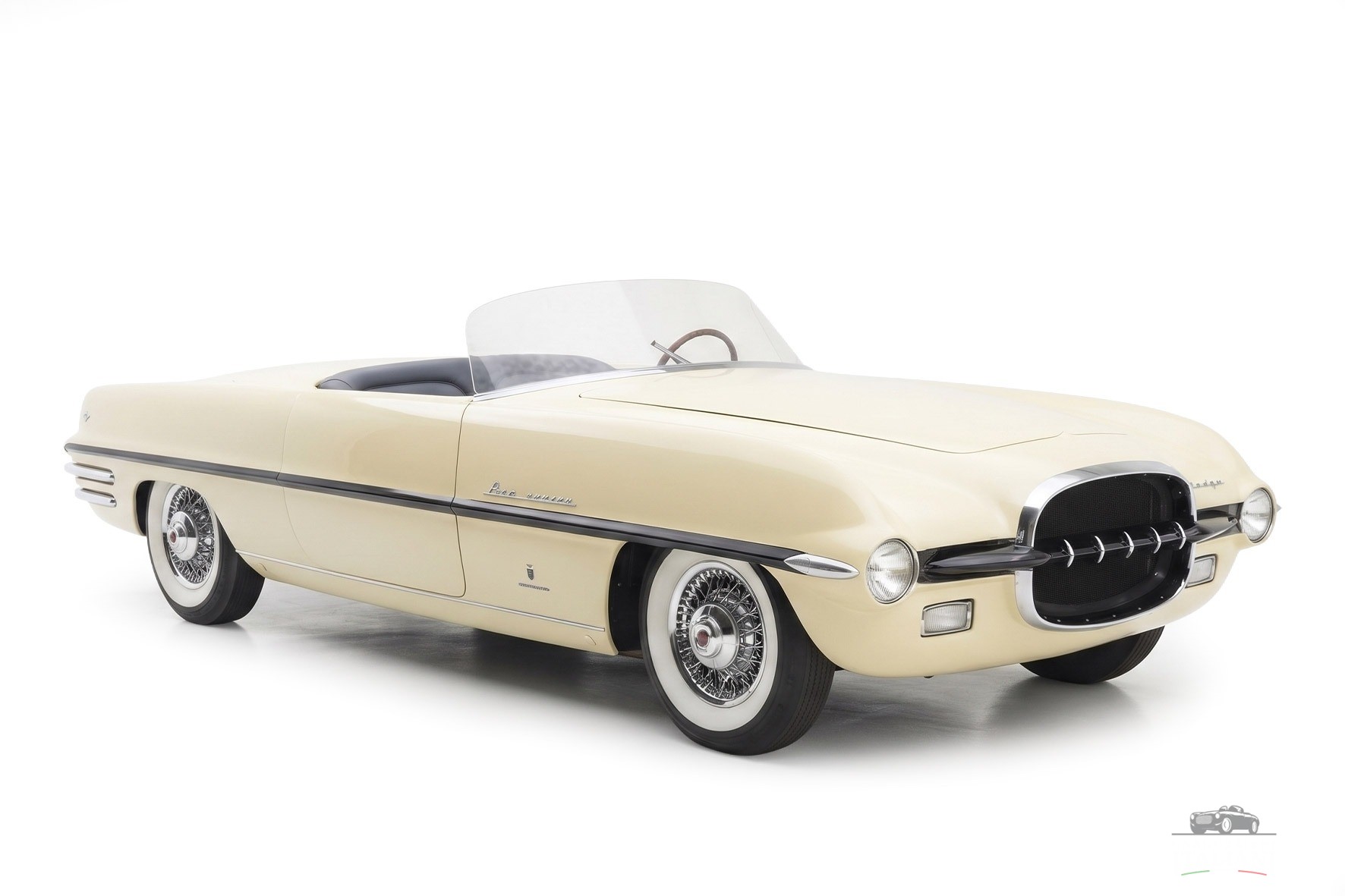

THE CONVERSATION
Comments 0