

Ghia
Founded in Turin in 1916, Carrozzeria Ghia became a major Italian design and coachbuilding house, creating bespoke automobiles, prototypes and international collaborations across the twentieth century.
Explore record ↗
1954Coachwork by Ghia
THE VEHICLE AT A GLANCE
THE PEOPLE BEHIND THE CAR
Founded in Turin in 1916, Carrozzeria Ghia became a major Italian design and coachbuilding house, creating bespoke automobiles, prototypes and international collaborations across the twentieth century.
Explore record ↗PRICE & SALES RECORD
01 / THE STORY
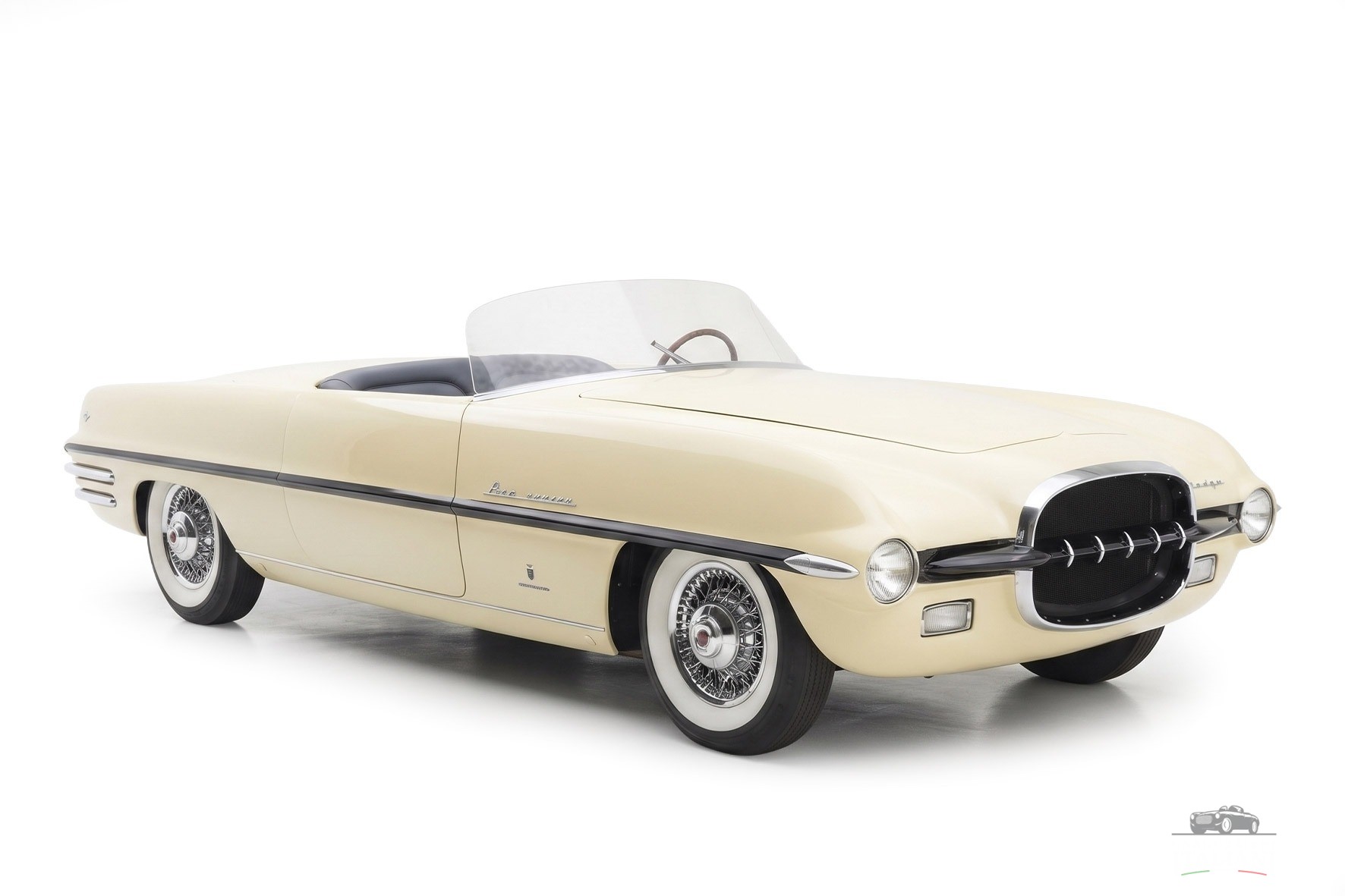
The 1954 Dodge Firearrow III was a one-off, two-seat experimental coupé built by Carrozzeria Ghia in Turin for Dodge, a Chrysler Corporation division. The third vehicle in the Firearrow programme, it followed the non-running Firearrow I of 1953 and the operational Firearrow II roadster. The blue coupé is documented in the collector-car record as chassis 9999707. It was distinct from the later open Firearrow IV, rather than a different body configuration of the same surviving car.
The body was conceived within Chrysler’s collaboration with Ghia under the overall design direction of Virgil Exner. The 2011 RM Auctions catalogue specifically credits Ghia stylist Luigi Segre with drawing the Firearrow III, distinguishing his design contribution from Exner’s supervision. The frontal treatment consisted of a deeply recessed grille with narrow vertical bars, two principal headlamps and two smaller auxiliary lamps. Narrow chromed bumperettes and a continuous, raised line along the flanks gave the coupé a different character from the preceding open cars.
The hand-formed body incorporated functional exhaust outlets in the rear quarters, rear lamps set into the trailing edges of the fins, a concealed luggage-compartment release and a large wraparound rear window. Its wheel openings had flattened upper profiles, and wire-style wheels carried wide whitewall tyres. The metallic Opal Blue finish extended the design theme into the passenger compartment. Blue-and-white upholstered adjustable seats, generous glazing, heavy carpeting, a heater-demister and a pushbutton radio made the cabin more fully equipped than the earlier styling experiments.
Firearrow III was a running automobile based on Dodge Royal production chassis components with a 119-inch (3,023 mm) wheelbase. Its Dodge Red Ram Hemi-head overhead-valve V8 displaced 241 cubic inches (approximately 3,949 cc) and was rated at 150 bhp in the auction specification. It was coupled to a PowerFlite automatic transmission driving the rear wheels. The specification included independent front suspension with coil springs, a live rear axle on semi-elliptic springs and hydraulic drum brakes at all four wheels. These are specifications documented for the Firearrow III, not figures transferred from the static Firearrow I.
At the opening of Chrysler’s Chelsea Proving Grounds in Michigan in June 1954, aviator and competition driver Betty Skelton drove the Firearrow III on the banked test circuit. Contemporary and later accounts report a women’s closed-course speed record of 143.44 mph (about 230.8 km/h). This run was a documented demonstration of the operable coupé, in contrast to the show-only first Firearrow. Subsequent exhibitions helped establish the Firearrow programme as an example of Ghia’s transatlantic work for Chrysler.
According to the provenance narrative recorded for the 2011 auction, the coupé was returned to Ghia in early 1955 following its United States show career and then passed into long-term European private ownership. The detailed country and dates of that period require further documentary reconciliation. Its whereabouts came to collectors’ attention again in the 1980s through an inquiry reported to former General Motors design executive Dave Holls. The car was subsequently returned to the United States and restored by Fran Roxas to its Opal Blue presentation specification.
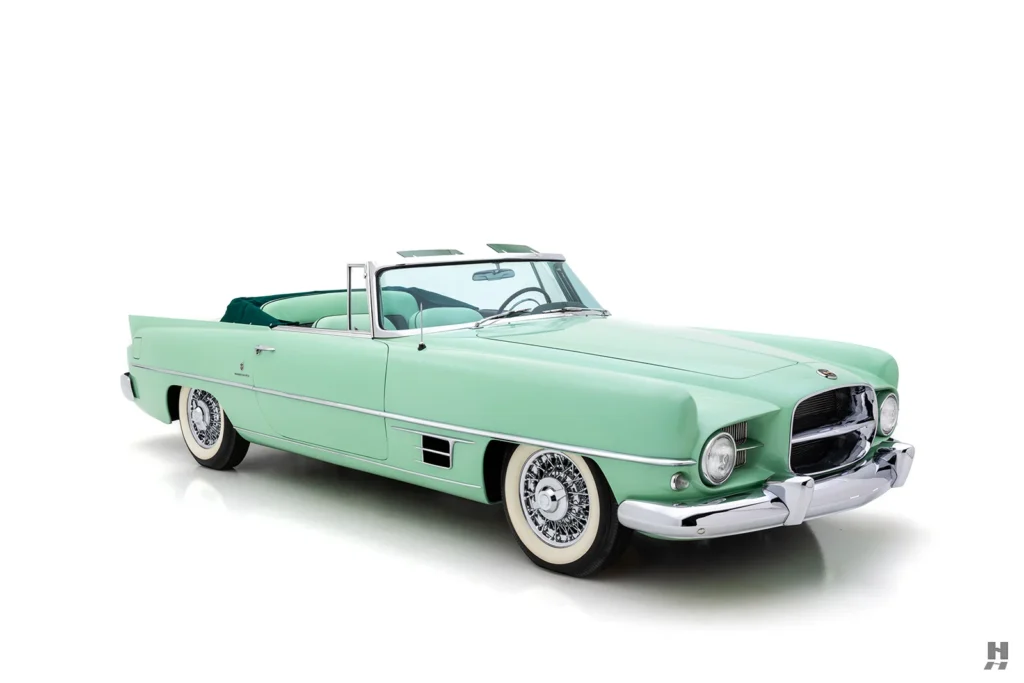
The surviving Firearrow III was offered by RM Auctions at Monterey in 2011, with the catalogue explicitly correcting an earlier erroneous 1953 model-year designation to 1954. Its chassis identity and historical record must be kept separate from those of the four-seat Dual-Ghia Convertible, a subsequent production undertaking associated with Eugene Casaroll rather than another Firearrow III chassis. The Firearrow series is also placed in context by the history of Exner’s collaboration with Ghia.
02 / TECHNICAL IDENTITY
Become a Pro member to see the full details in this section.
Membership is not available yet.
View membership options03 / DESIGN, BODY & SUPPLIERS
Coachbuilder / Design studio
Founded in Turin in 1916, Carrozzeria Ghia became a major Italian design and coachbuilding house, creating bespoke automobiles, prototypes and international collaborations across the twentieth century.
Explore record ↗Attributed designer
04 / CHRONOLOGY
05 / MARKET & PRICE HISTORY
USD · 2 recorded sales
RECORDED SALES
USD
Each point is a completed sale with its own date, in chronological order. Dates are positioned by calendar time, with approximate placement when only a year or month is documented. The connecting line shows observed sales prices in this currency, not an appreciation index: transactions may concern different chassis and specifications. Factory prices and unsold estimates are excluded.
Sign in to see the details of each sale on the chart.
Become a Pro member to explore the full price and sale history.
Membership is not available yet.
View membership optionsMarket observations describe documented transactions, estimates or offers. They are not themselves a current valuation of the vehicle.
06 / CHASSIS REGISTER
07 / GALLERY
CONTINUE EXPLORING
CONTINUE READING
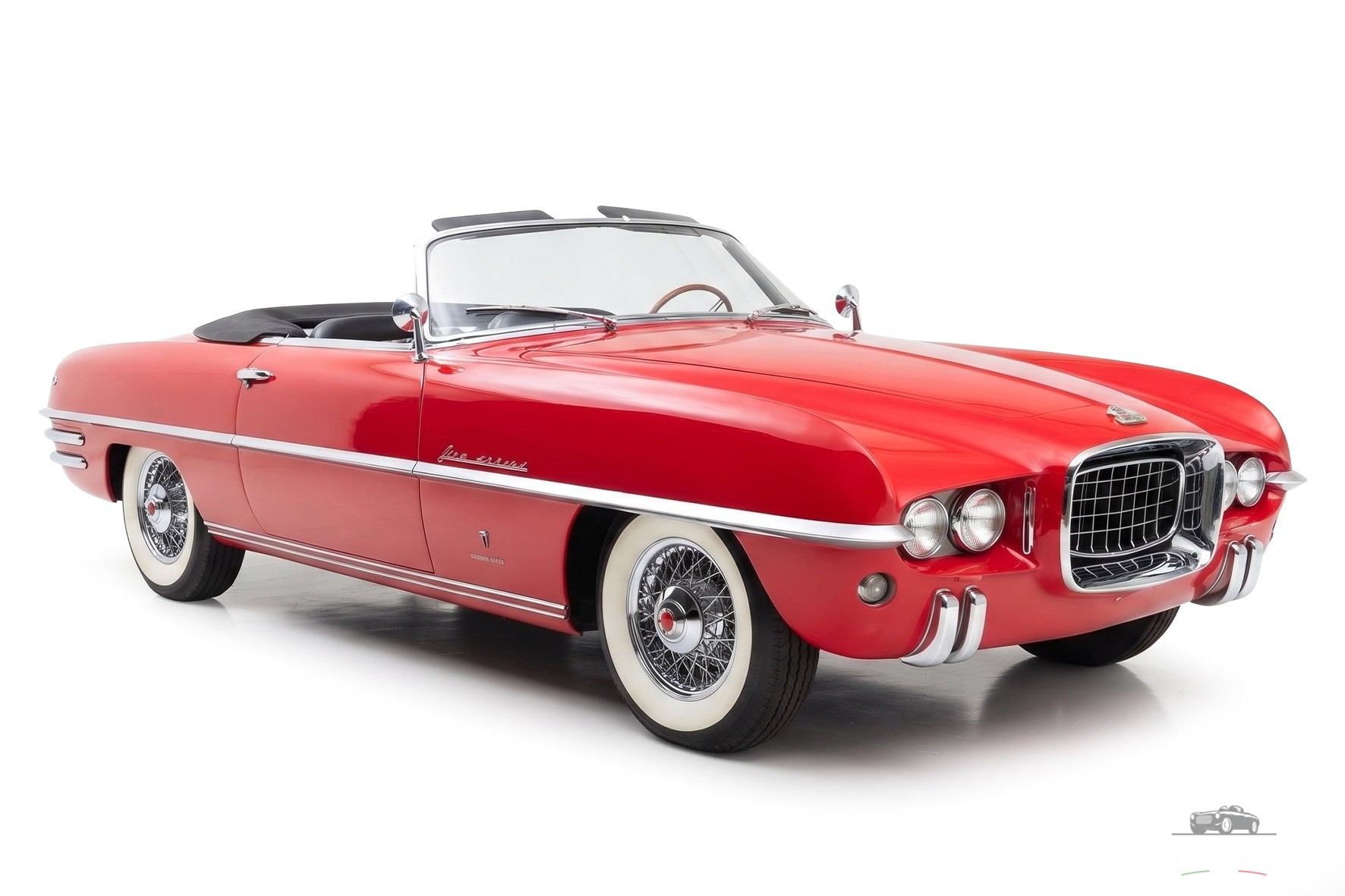
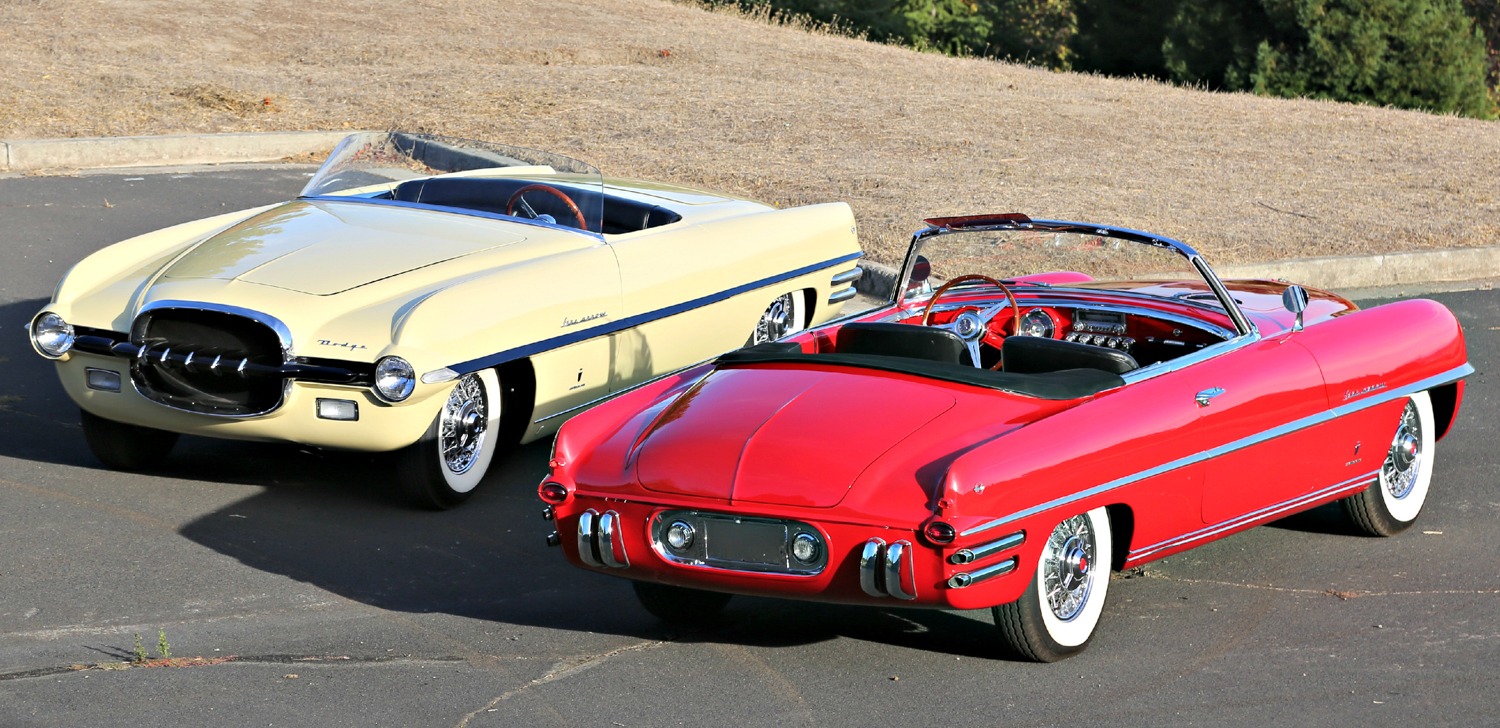
Four cars, one vision: Virgil Exner and Ghia chasing the future in steel. The Dodge Firearrows became the poetry of the Jet Age.
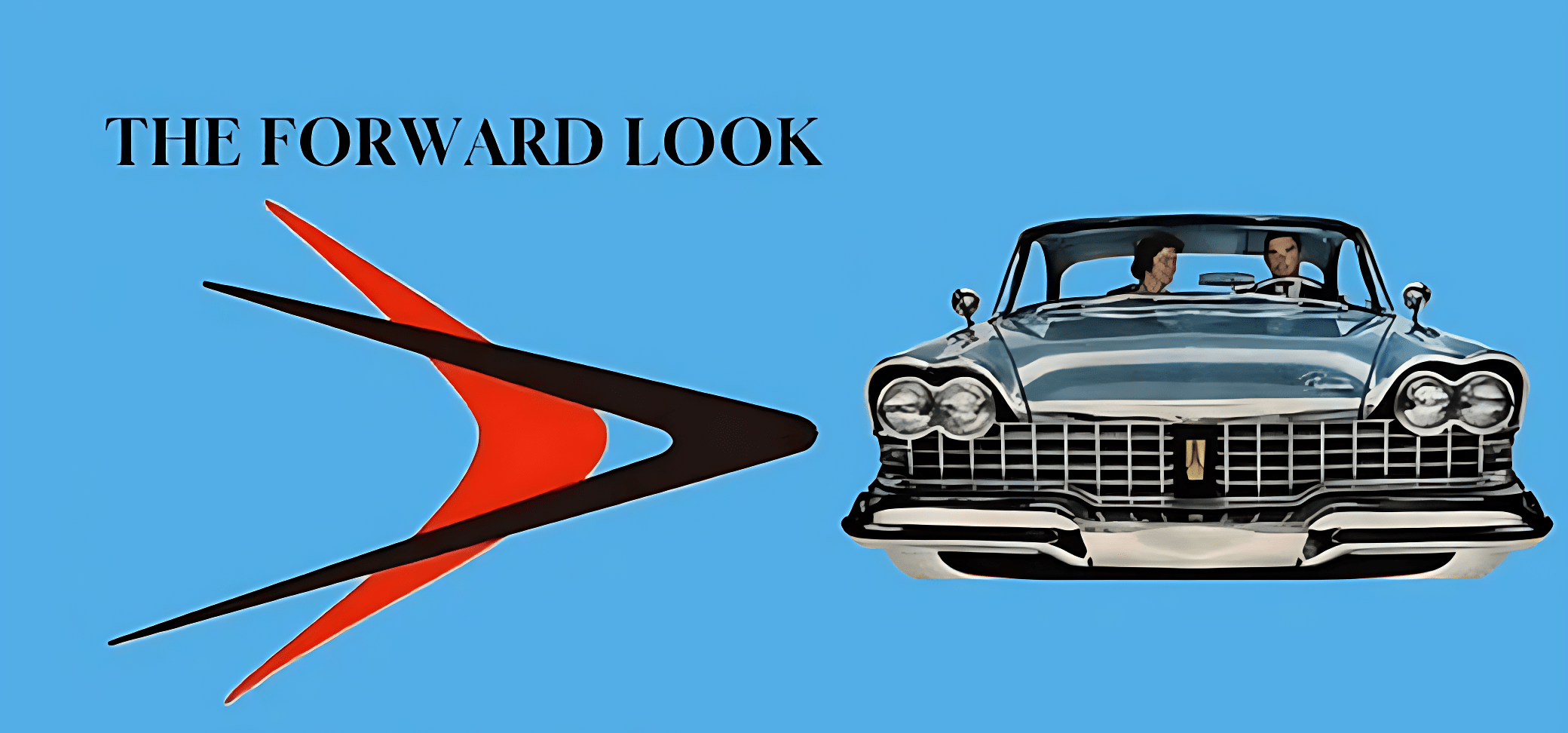
Read storyWhen Italian craftsmanship met Detroit ambition, Chrysler found its soul. The Ghia–Exner partnership sparked the Forward Look—an era of fins, flair, and fearless design that changed American cars forever.
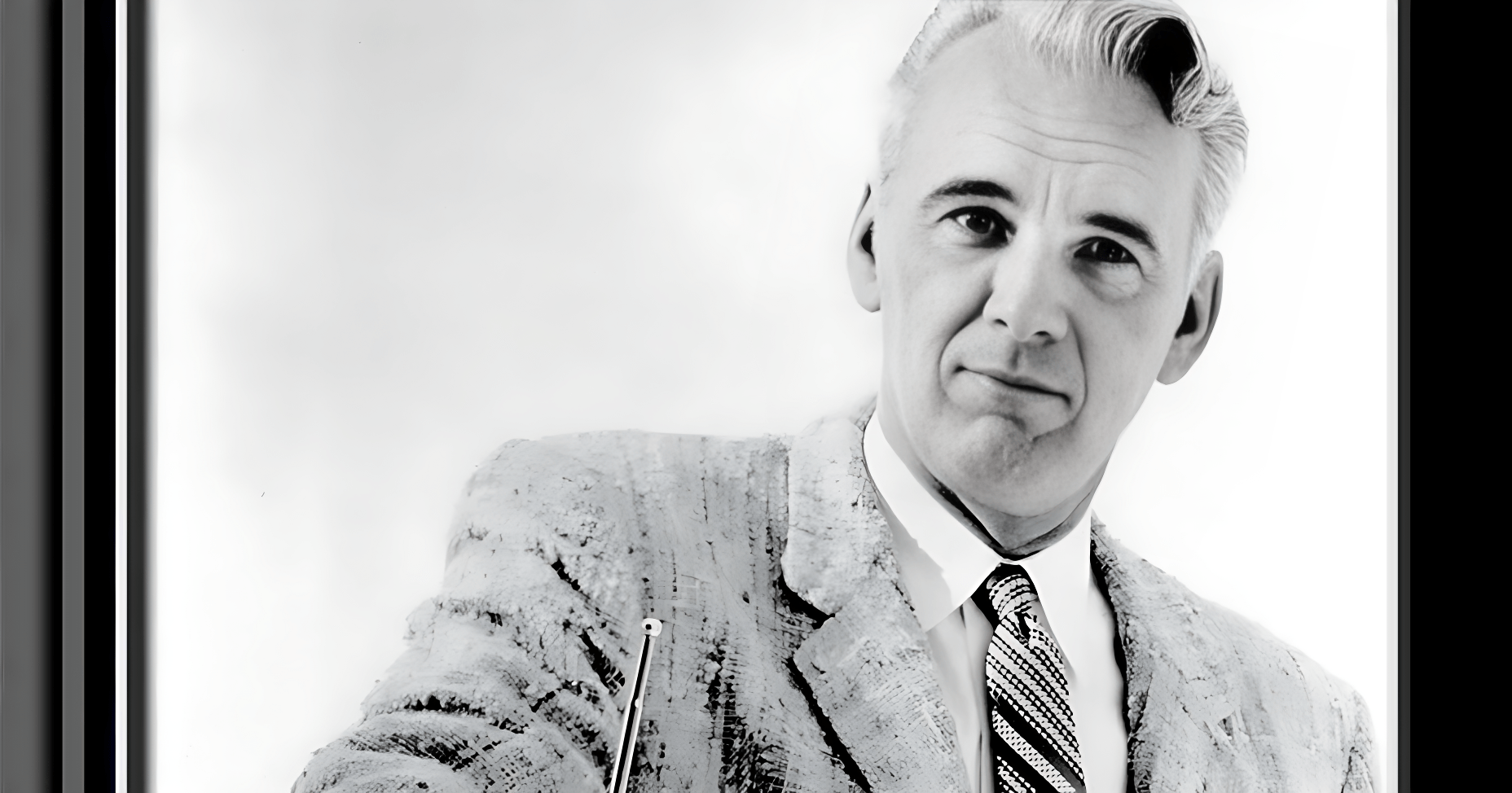
Read storyVirgil Exner transformed American car design with bold artistry, aerodynamic vision, and Italian collaboration that redefined Detroit’s style.
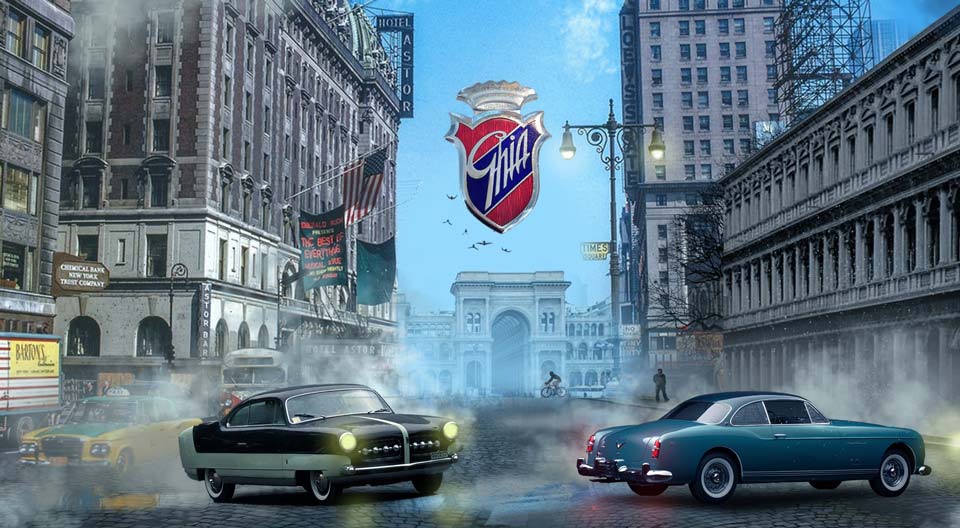
Read storyThe beginning In tracing the genealogy of coachbuilding firms, it turns out that they originated in the early years of the last century as a development of already existing workshops for the…
Read story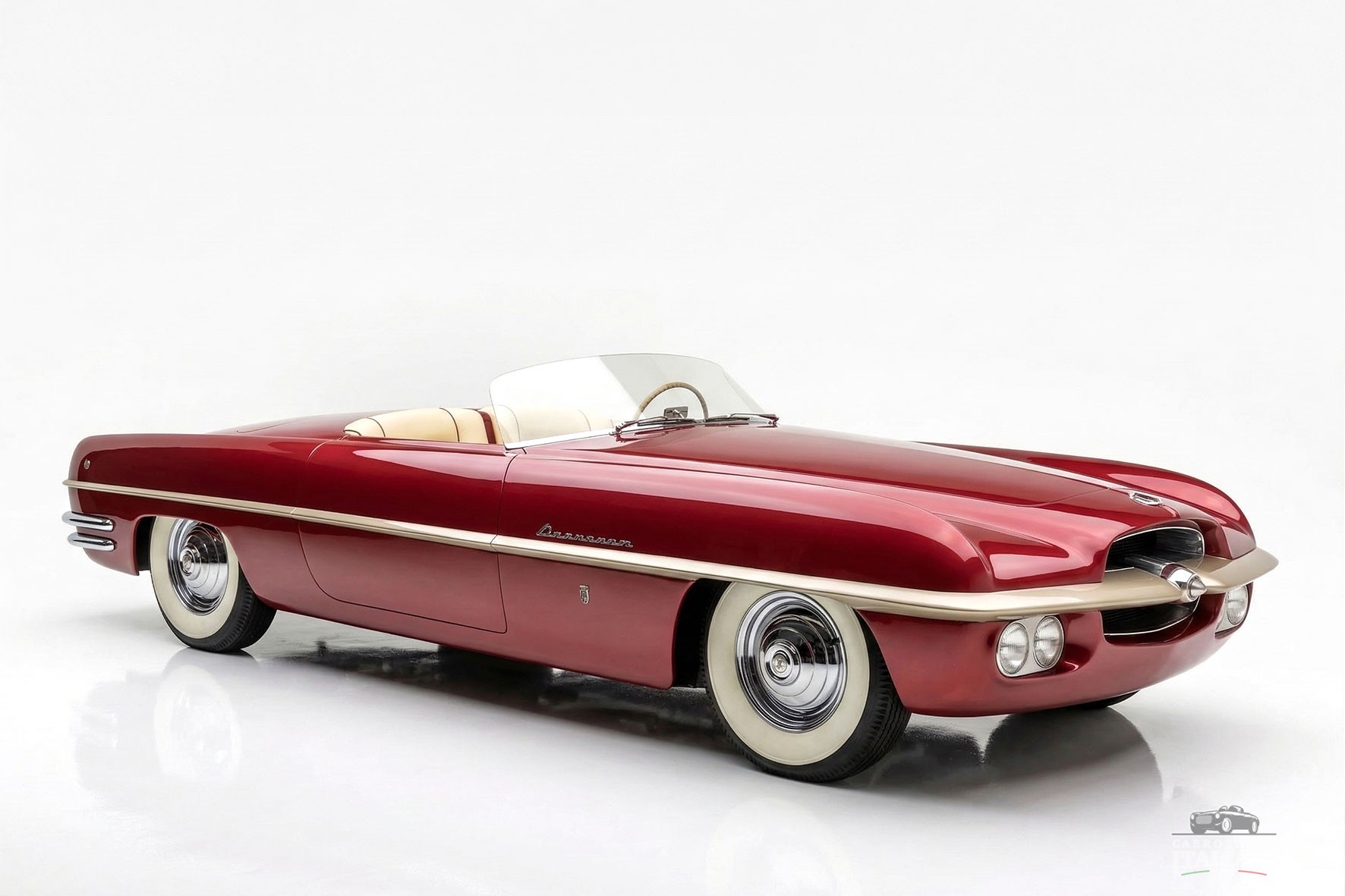
THE CONVERSATION
Comments 0